






Presidents Thomas Jefferson and James Madison Appoint the Marshal for the District of New York

Acquired from the descendants of the appointee and never before offered for sale
- Currency:
- USD
- GBP
- JPY
- EUR
- CNY
 This currency selector is for viewing only.
The Raab Collection only accepts USD payments at checkout.
Exchange rates are updated hourly. Rates may be inaccurate.
A rare early Marshal’s appointment
President Washington considered the several offices created by the Judiciary Act of 1789 of premier importance to the new nation. “Impressed with a conviction that the due administration of justice is the firmest pillar of good Government,” he wrote Attorney General Edmund Randolph on September 28, four...


A rare early Marshal’s appointment
President Washington considered the several offices created by the Judiciary Act of 1789 of premier importance to the new nation. “Impressed with a conviction that the due administration of justice is the firmest pillar of good Government,” he wrote Attorney General Edmund Randolph on September 28, four days after signing the Act into law, “I have considered the first arrangement of the Judicial department as essential to the happiness of our Country, and to the stability of its political system; hence the selection of the fittest characters to expound the laws, and dispense justice, has been an invariable object of my anxious concern.” The Supreme Court Justices, the Attorney General, the district court judges and attorneys, the court clerks, and the United States Marshals would define, administer, and enforce the growing body of federal laws. By their actions, these men would determine the boundary between federal authority and local autonomy.
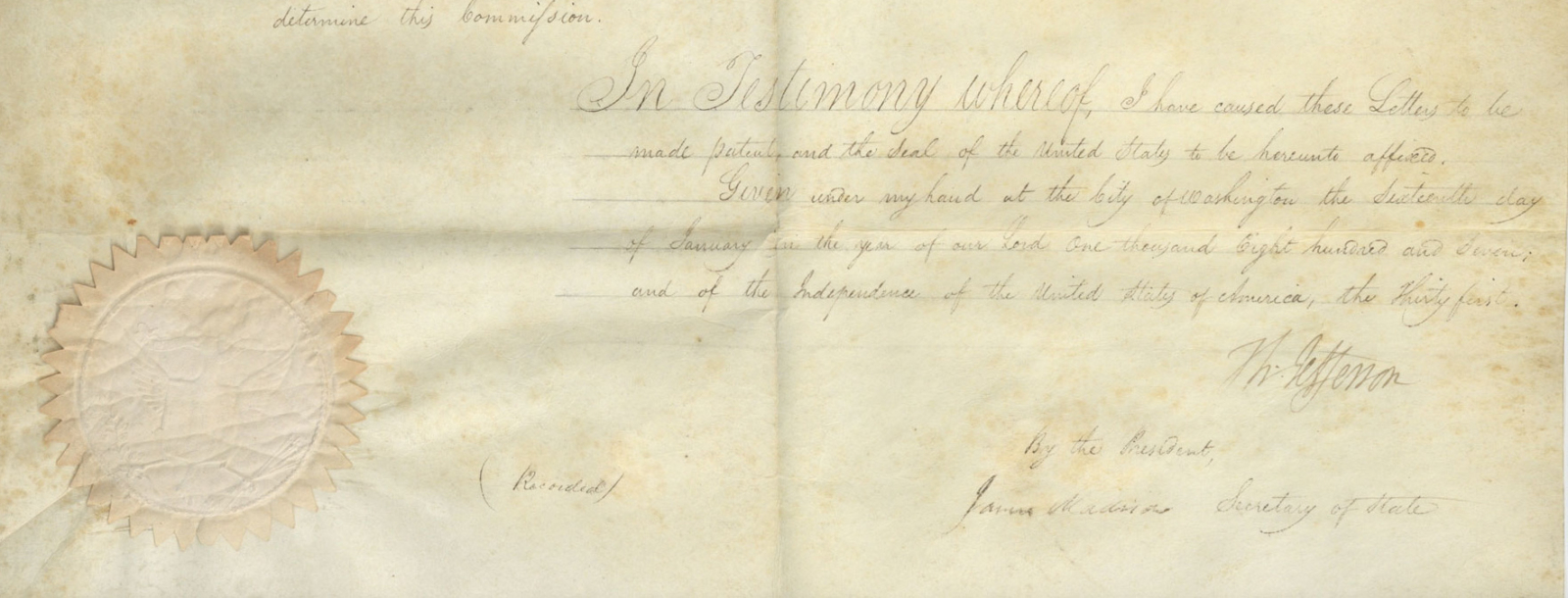
Marshal’s appointments are very uncommon. We were unable to find one having reached the market from the Jefferson administration.
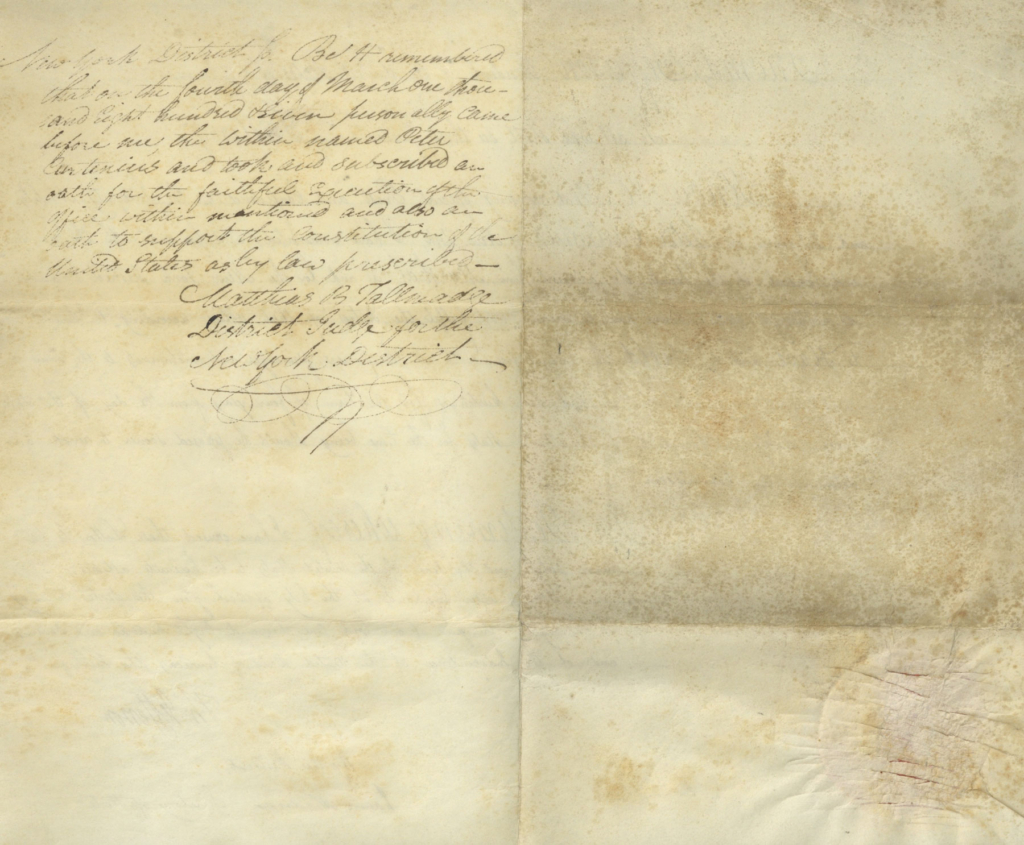
Peter Curtenius was a prominent New Yorker and son of Peter T. Curtenius, member of the New York Committee of Correspondence and Revolution era Commissary General.
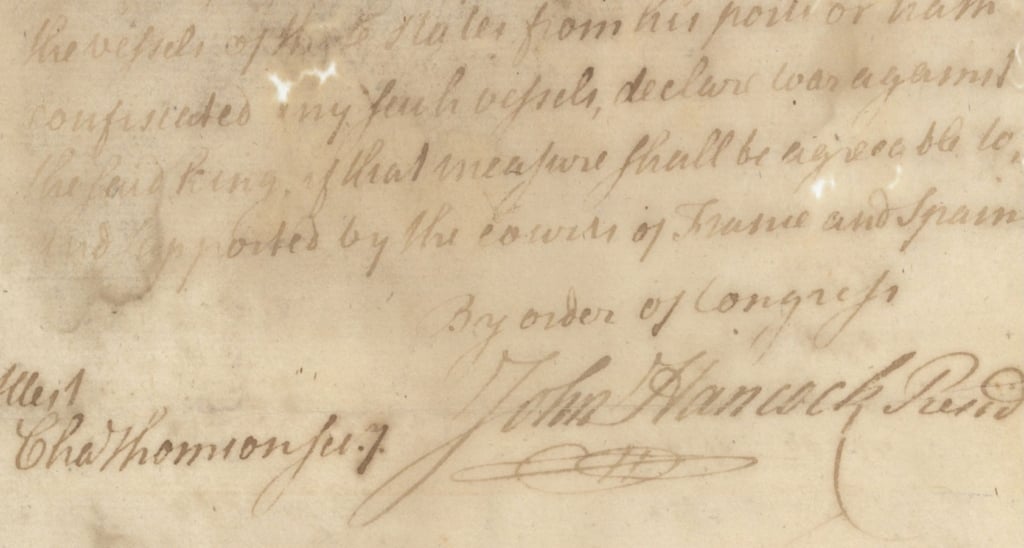
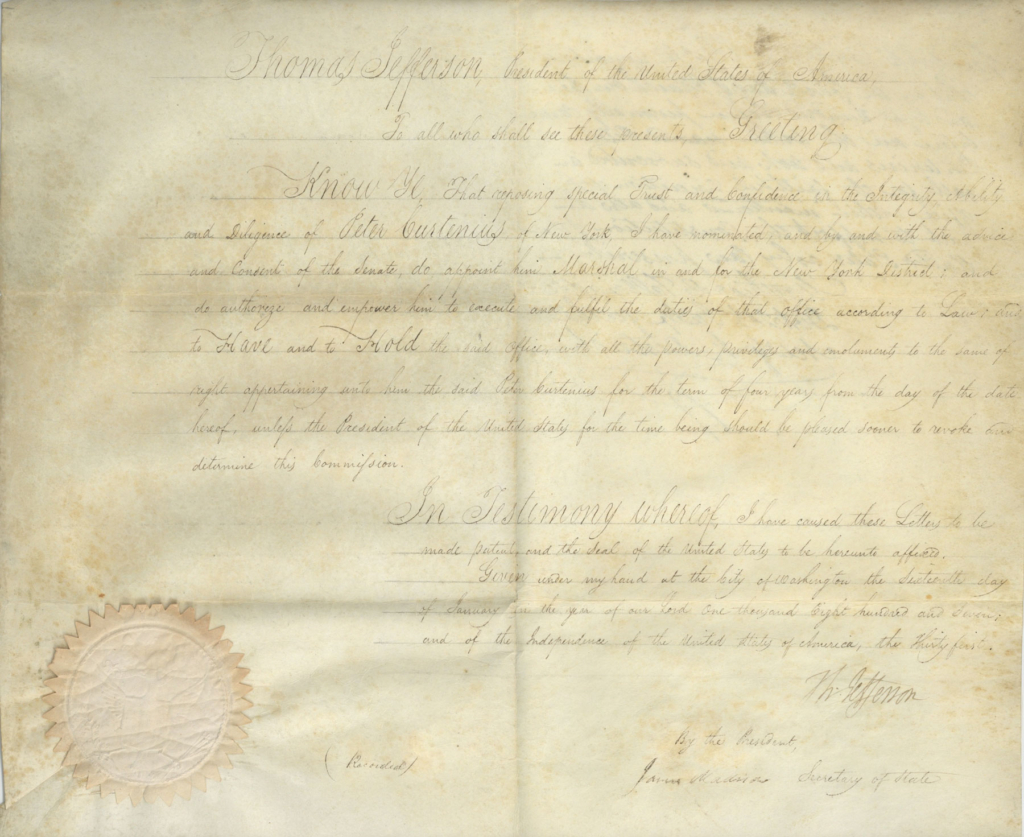
Document signed, Thomas Jefferson and James Madison, Washington, January 16, 1807. “Know Ye, That reposing special Trust and Confidence in the Integrity, Ability, and Diligence of Peter Curtenius of New York, I have nominated, and by and with the advice and Consent of the Senate, do appoint him Marshal in and for the New York District….”

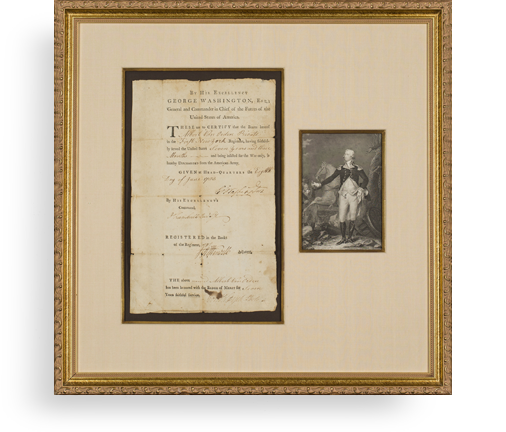
Frame, Display, Preserve
Each frame is custom constructed, using only proper museum archival materials. This includes:The finest frames, tailored to match the document you have chosen. These can period style, antiqued, gilded, wood, etc. Fabric mats, including silk and satin, as well as museum mat board with hand painted bevels. Attachment of the document to the matting to ensure its protection. This "hinging" is done according to archival standards. Protective "glass," or Tru Vue Optium Acrylic glazing, which is shatter resistant, 99% UV protective, and anti-reflective. You benefit from our decades of experience in designing and creating beautiful, compelling, and protective framed historical documents.
Learn more about our Framing Services

