






A Defiant Susan B. Anthony Writes to President Grant Mere Days After Her Arrest for “Illegal Voting,” Demanding Equal Rights on “behalf of all Women Citizens”


She espouses her core philosophy of voting rights for all American citizens
he only letter of Anthony to President Grant we found ever having been written, it is unpublished, and was for half a century in a private collection
“If to be a citizen is not to be a voter – then what better is a citizen of the U.S than a subject...


he only letter of Anthony to President Grant we found ever having been written, it is unpublished, and was for half a century in a private collection
“If to be a citizen is not to be a voter – then what better is a citizen of the U.S than a subject of the British Empire – If the boast ‘I am an American citizen’ – means only that I am bound to obey the law of the United States – What mockery!”
The finest letter of Anthony to reach the market and a true historical treasure
Susan B. Anthony worked as a schoolteacher before her fateful meeting with Elizabeth Cady Stanton at the Seneca Falls Convention, the women’s rights convention, in 1851. Thereafter she dedicated her life to securing political, civil, and economic equality for women.
In the spring of 1872, Anthony famously met with President Ulysses S. Grant at the White House to advocate for women’s suffrage. During his first term, Grant had overseen the appointment of thousands of women as postmasters. He also signed legislation expanding legal, property, and wage rights for women. Anthony and her organization, National Woman Suffrage Association, wanted Grant to expand upon that progress and recognize the right of women to vote if he won a second term.
That November, Grant was running for President as the incumbent on the Republican ticket against Democrat Horace Greeley. Although Grant made no promises to Anthony, the Republican platform was more open to consideration of these issues. Greeley, for his part, was outspoken against women’s suffrage.
Having cast her lot with the Republicans, Anthony spent the fall of 1872 lecturing about her conviction that the 14th and 15th Amendments to the Constitution already guaranteed a woman’s right to vote. The 14th decreed that “all persons born or naturalized in the United States…are citizens” and “no State shall make or enforce any law which shall abridge the privileges or immunities of citizens.” The 15th, added only two years prior, prohibited any state from withholding the right to vote from any citizen “on account of race, color, or previous condition of servitude.” The suffragists had lobbied to include the word sex in the amendment, to no avail.
Certain of the righteousness of her argument, Anthony, her sisters, and a group of fellow suffragists, registered to vote a few days before the 1872 election, successfully convincing their local Rochester, New York, poll registrars that the 14th Amendment guaranteed this right.
Then, on November 5, Anthony and 14 other women defied the law by officially voting for Grant. On a 2-1 vote, the election inspectors agreed to accept their ballots.
On November 18, a US Marshal arrived at Anthony’s home to arrest her for illegally voting. She was the only one of the women indicted and brought to federal trial.
Just one week later, on November 25, Anthony wrote a letter to President Grant, asking that he bring to Congress a law that more clearly defines the rights of all U.S. citizens. She references those who have been arrested for “‘illegal voting”’– that is, for exercising what they believe to be the Constitutional right of United States citizens.”
She links the very idea of American citizenship to the individual’s right to vote: “If I am a citizen – I have full and free right of suffrage – If our government is a true republican form – it is founded on the consent of the whole people – not one half.”
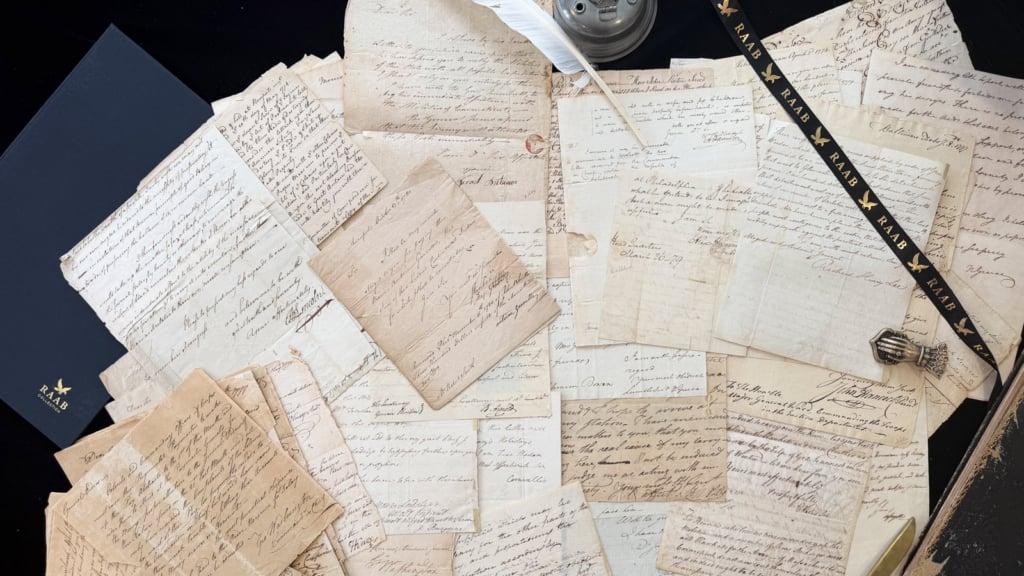
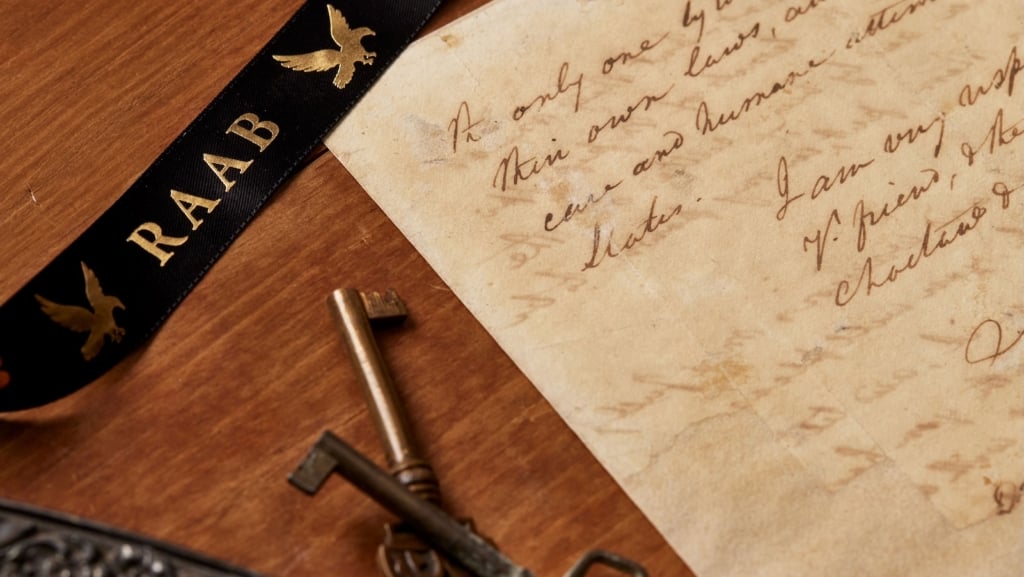
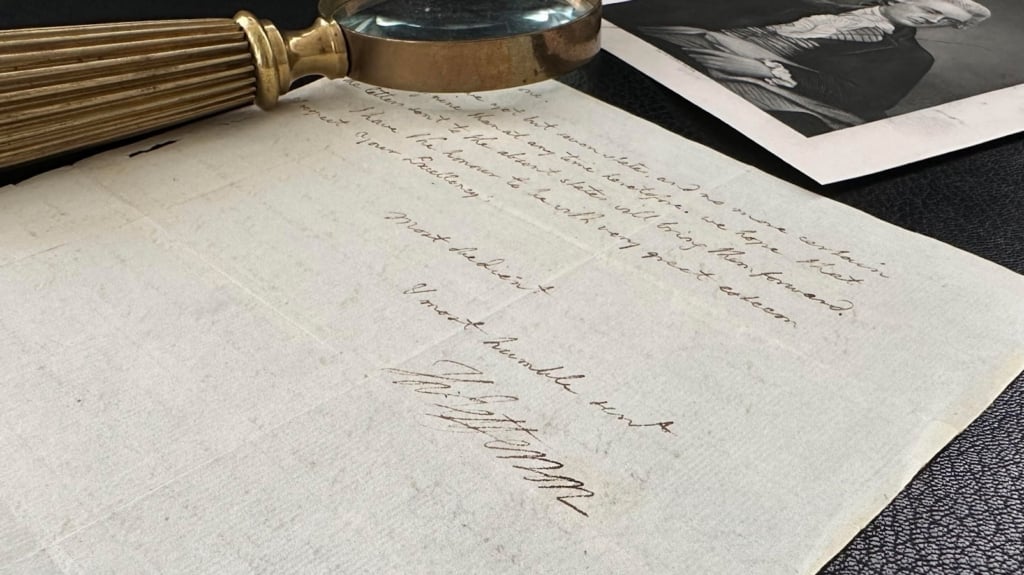
Autograph letter signed, on National Woman Suffrage Association letterhead, Rochester, NY, November 25, 1872, to President Grant, espousing her core philosophy of voting rights for all American citizens.
“To the President of the United States
“Dear Sir
“Allow me to ask you to recommend to Congress to enact a law defining the basis of the Republican form of government it is the duty of the body to guarantee to the Several “States of the Union: – also a law defining the fundamental rights of the United States citizen.
“You are doubtless aware that several U.S. Citizens are now under arrest by the U.S. Commissioner of this city to answer for “illegal voting” – that is, for exercising what they believe to be the Constitutional right of United States citizens. I am sure you will use your powers to secure protection to all U.S. citizens in New York as well as North Carolina.
“If to be a citizen is not to be a voter – then what better is a citizen of the U.S than a subject of the British Empire – If the boast “I am an American citizen” – means only that I am bound to obey the law of the United States – What mockery!
“If I am a citizen – I have full and free right of suffrage – If our government is a true republican form – it is founded on the consent of the whole people – not one half.
“I pray you, therefore, urge upon Congress to pronounce upon these questions and forever lift the citizens right to vote above the reach of petty officers of the law to impede or deny.
“With respect and in behalf of all Women Citizens
Sincerely Yours
Susan B. Anthony”
Interestingly, after writing this defiant letter, she may have thought twice about sending it. There is no record of it having ever been received. Its content was unknown. A petition to President Grant was written by several women months later and that language echoes that of this letter. So it is possible she decided against sending it given the tumult and legal issues of the moment or that she reasoned that a more coordinated and louder approach toward Grant would be wiser.
While awaiting federal trial, Anthony took to the lecture circuit with a speech titled “Is it a Crime for a Citizen of the United States to Vote?”
In U.S. v. Susan B. Anthony (1873) – the landmark federal criminal trial stemming from her 1872 vote – Justice Ward Hunt directed the jury to find Anthony guilty without deliberation. She was fined $100, which she never paid. President Grant ultimately pardoned the election inspectors who had allowed her to vote.
This is the best letter of Anthony we have ever seen, a testament to her resilience and bravery, and a great American treasure. Moreover, it was not known to exist, its very content unknown, a true addition to the historical record on the fight of American women to get the right to vote.

Frame, Display, Preserve
Each frame is custom constructed, using only proper museum archival materials. This includes:The finest frames, tailored to match the document you have chosen. These can period style, antiqued, gilded, wood, etc. Fabric mats, including silk and satin, as well as museum mat board with hand painted bevels. Attachment of the document to the matting to ensure its protection. This "hinging" is done according to archival standards. Protective "glass," or Tru Vue Optium Acrylic glazing, which is shatter resistant, 99% UV protective, and anti-reflective. You benefit from our decades of experience in designing and creating beautiful, compelling, and protective framed historical documents.
Learn more about our Framing Services


