






Raab’s Guest Curator Robert G. Parkinson Reflects on the Declaration of Independence as We Celebrate its 250th Anniversary
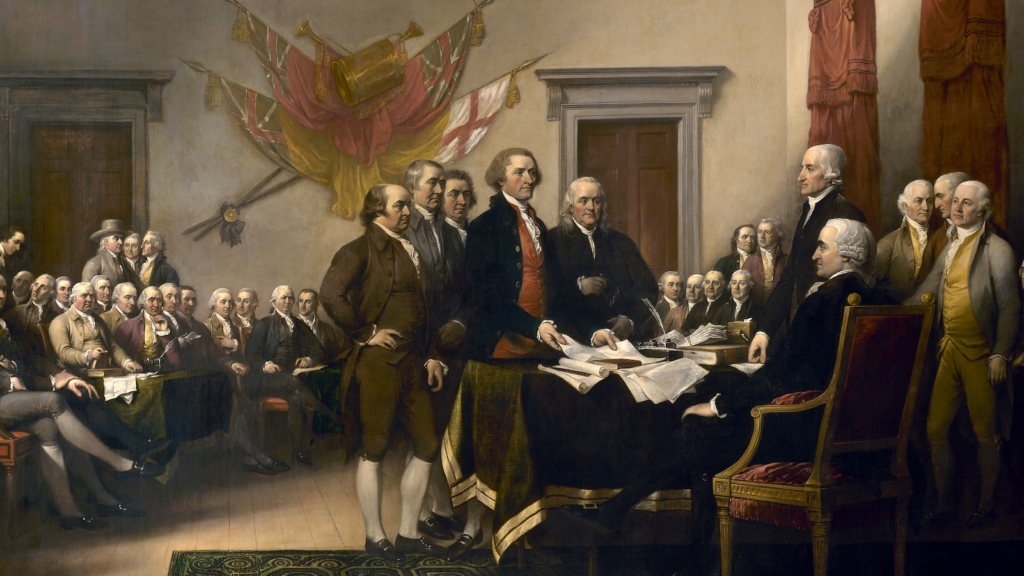
Robert G. Parkinson is a professor of history at Binghamton University and the author, most recently, of Tyrants and Rogues: Understanding the Declaration of Independence, an illuminating account of the Declaration of Independence centered not on the preamble but on the patriots’ specific grievances, offering new insight into the Revolutionary era. He explores the subject in his exhibit below.

Causes & Consequences of the Declaration of Independence
Curated by Robert G. Parkinson
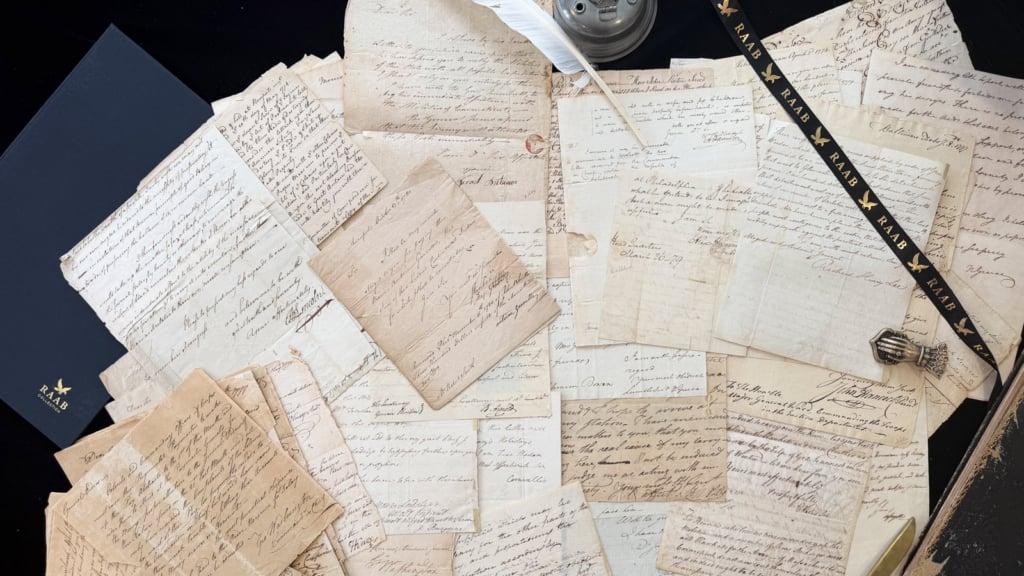
The theme of this curation is the causes and consequences – both domestic and internationally – of the Declaration of Independence. These 8 documents highlight some of the reasons why America left the British Empire, what it took to secure independence, and what it meant when the United States entered the world stage.

When Britain conquered New France in the Seven Years’ War, they became masters both of Canada and inherited the role of playing referee between Indigenous peoples and colonial settlers all over the North American backcountry. The problem of who the land belonged to in the trans-Appalachian West was an ongoing problem throughout the 1760s and 1770s that fueled American frustration with the Crown. The Treaty of Fort Stanwix (1768) was an attempt to solve this issue, but it only made things worse.

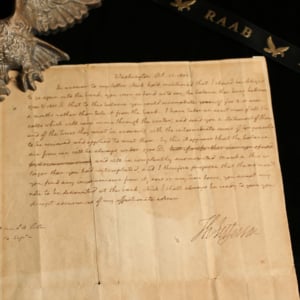
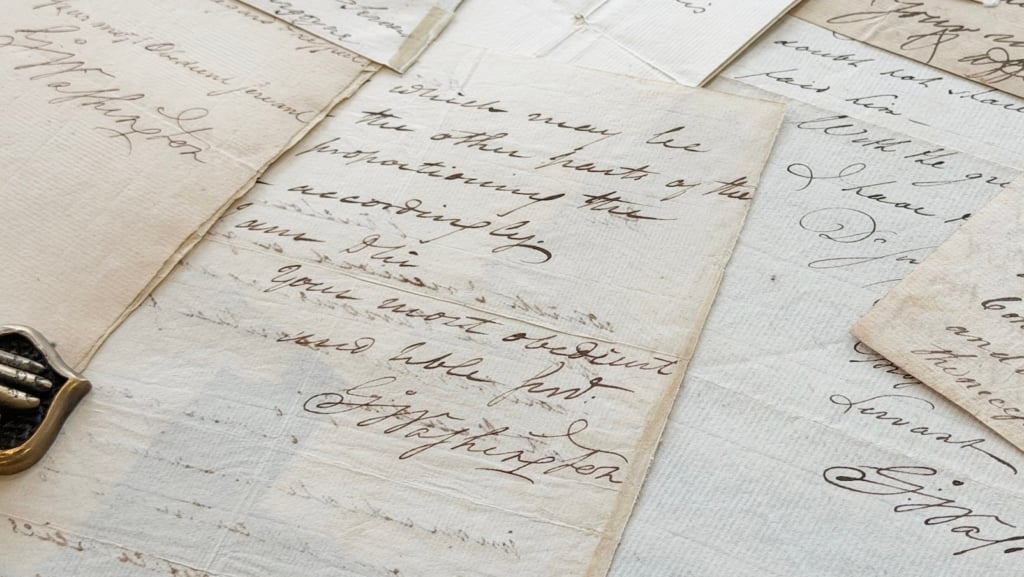
Just Two Weeks Before Lexington and Concord, George Washington Tends to Mount Vernon’s Iconic Roof
The imperial crisis was about to boil over into war in just two weeks, but at his home at Mount Vernon, Washington was more concerned about fixing his roof. In a month, he would leave Mount Vernon for nearly eight straight years, riding to Philadelphia dressed in the uniform of the Virginia Regiment to be named the commander of the Continental Army. But on this day, the man who modeled his behavior after the Roman legend Cincinnatus was still concerned with his plowshares not yet his sword.

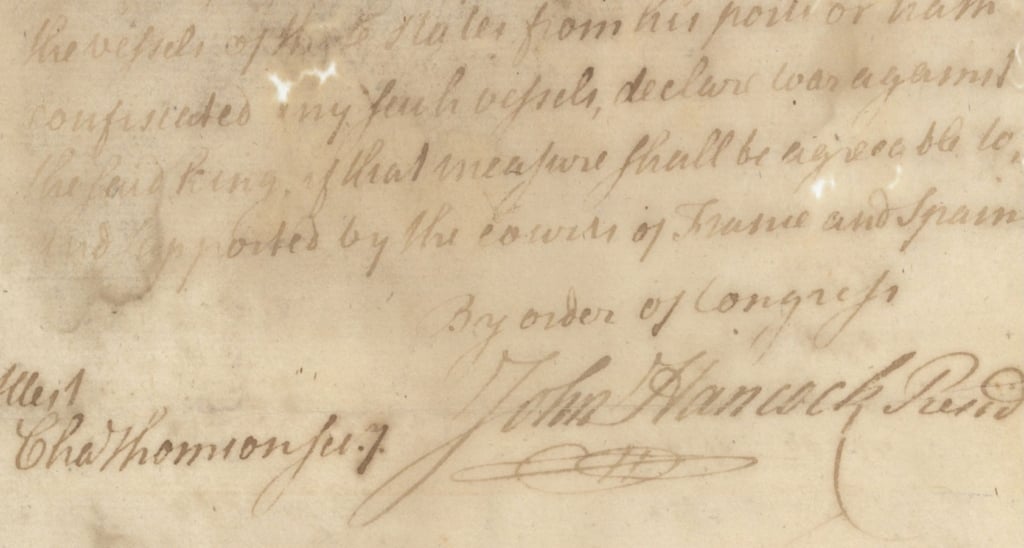
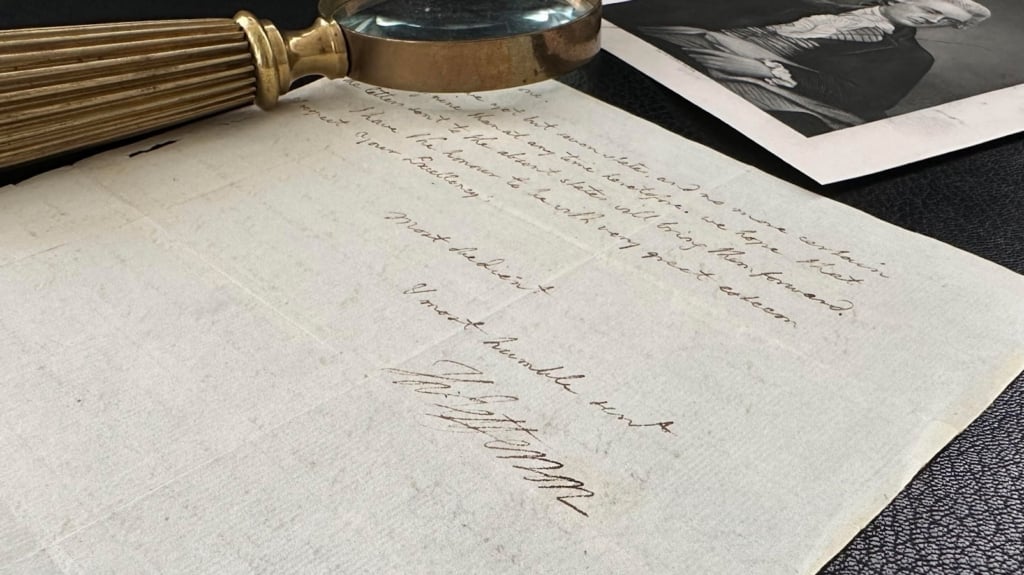
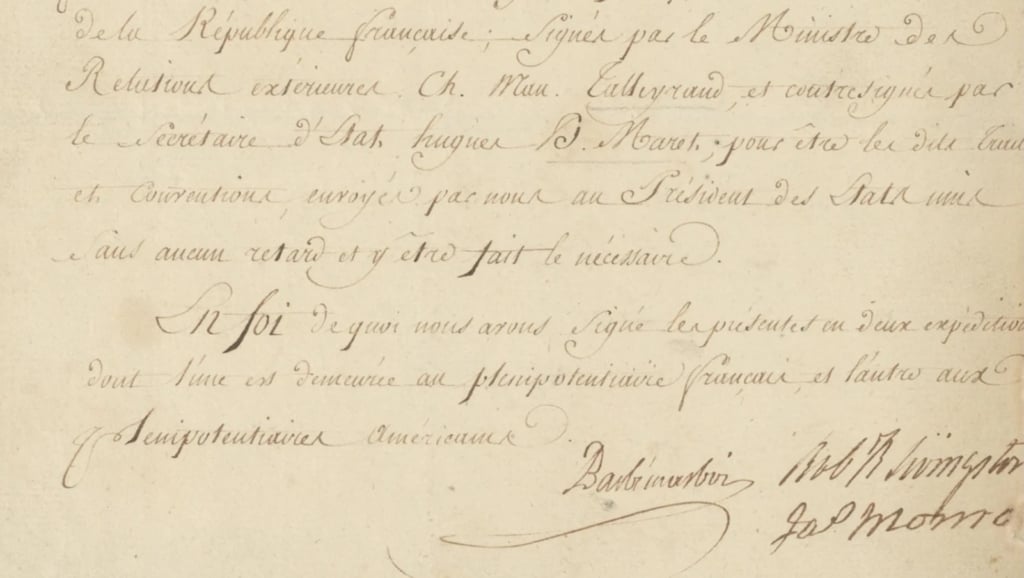
The grievances of the Declaration of Independence are addressed to “a candid world.” The primary audience for the Declaration was the American public, but it was also meant to impress the courts of France and Spain that they could (and should) invest in the Revolution by sending money and ammunition. Congress sent Franklin across the ocean to convince the French to ally with the United States, and, as this document shows, the Spanish, too.

This document reveals the victory of Franklin’s (and the Declaration’s) public relations campaign. An official treaty was still several months away, but Franklin had already succeeded in convincing the French to send covert aid to help the American cause. The Declaration’s appeal to the “candid world” had done its work.

Securing European allies did not mean that the war was won, however. Thomas Jefferson, now the Governor of Virginia, would learn the hard way how brutal the last months of the Revolutionary War would be. This letter informs General Nathanael Greene that Cornwallis had crossed from North Carolina into Virginia. Before he came to grief at Yorktown, though, Cornwallis’s troops would wreak havoc in Virginia, including ransacking Monticello just as Governor Jefferson fled in disgrace.

The problem of how the United States interacted with the “candid world” persisted long after the Revolutionary War ended and the ratification of a new Constitution. The outbreak of the French Revolution a few weeks into President Washington’s administration only exacerbated things. The debate on who to support during the wars of the French Revolution (Britain? France?) divided Washington’s Cabinet. Secretary of State Jefferson in this document expresses Washington’s desire to keep the United States neutral in this ever-growing conflict.

American political leaders of the late eighteenth century were convinced that a republic was the best form of government ever conceived – but also the most fragile. It required constant vigilance and the commitment of the American people to put the needs of the many ahead of the individual. As the wars of the French Revolution continued to grow in the 1790s, this put an increasing pressure on the United States to redouble its commitment to liberty and republican self-government.

As they neared their eighties, John Adams and Thomas Jefferson reflected on what they had done in 1776 and what the American Revolution meant to the march of liberty throughout the world. This letter discusses the connections between the Declaration and the “candid world” it addressed, seeing a common effort to spread liberty throughout the world.
To learn more about author Professor Parkinson and Raab’s Guest Curators program, read our announcement and visit our Guest Curators page.