






For the Inspired by History podcast, we’re producing a series of episodes on how to start and build a collection of historical documents. In the third of this series, we speak with Nathan Raab, president of The Raab Collection, about how and where to buy historical documents and autographs.
Listen to the interview below or via your podcast player of choice. Or, if you prefer, read this lightly edited transcript of the conversation with photos and embedded links to more resources.
Today our topic is how and where to buy historical documents and autographs. Now options for where one can buy historical documents are narrower than they were 30 years ago when there were many more private dealers. Would you say in terms of access for buyers that the internet has made up for that? What’s your broad view of the landscape?
Nathan: When my father first opened this business, the world looked very different, completely different. Dealers issued catalogs. These catalogs were mailed via USPS. In many cases, they were not fully illustrated, although some were, but in most cases they were not. You would not see a document until that document arrived at your door. And so the path would be, you’d read an ad in a magazine or a book. There were books, or word of mouth, and you’d get on a dealer’s mailing list. That dealer would send out a catalog. You’d receive the catalog, flip through it as quickly as possible, because everybody received their catalogs at different times, not like an email where you get it immediately, everybody lives in different parts of the country, in the world. If you wanted something, you’d call as quickly as possible and try to order it. You’d call on a landline, which, you know, had those curlicue cords connected to the phone, and you’d place an order.
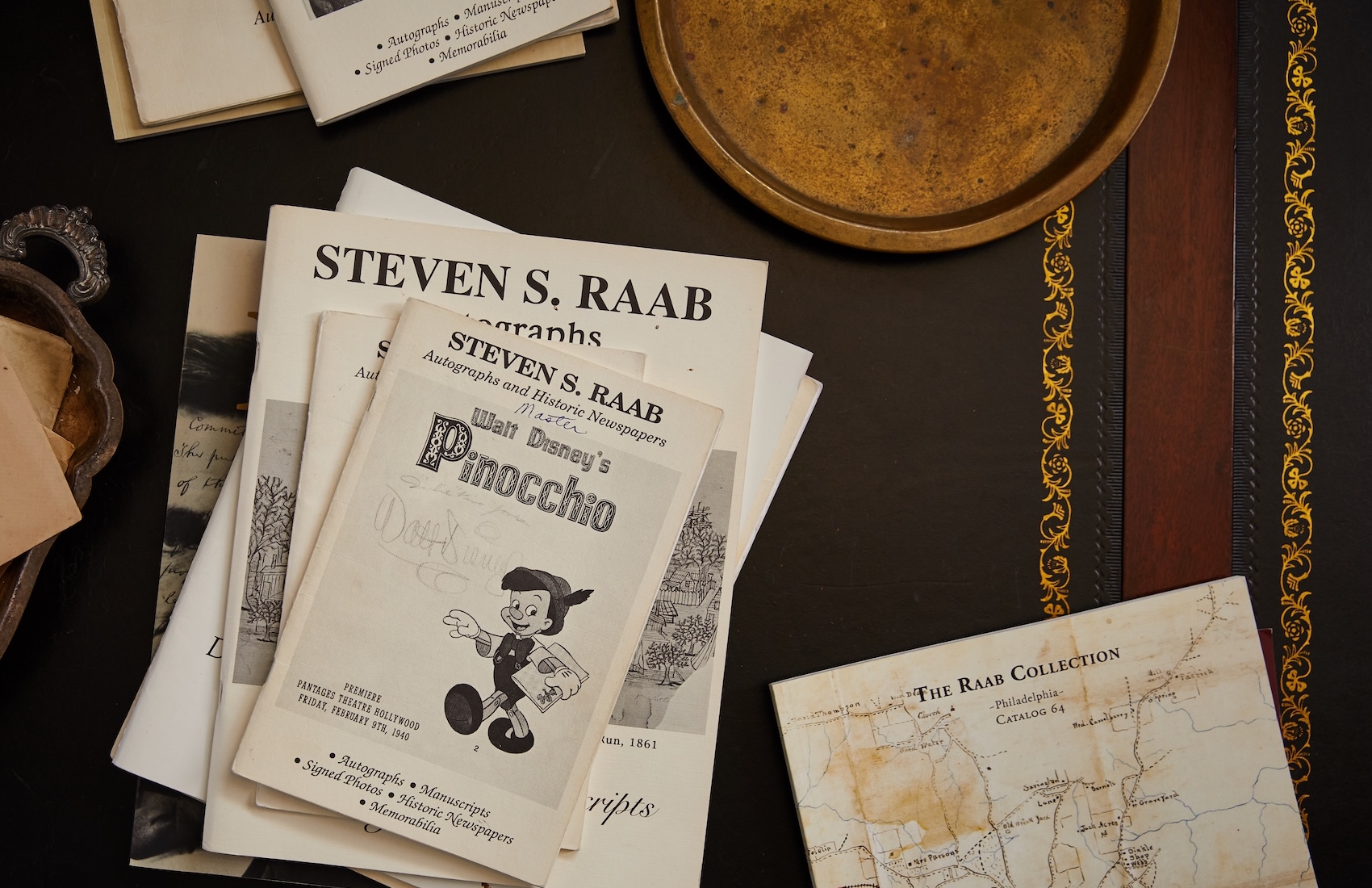
In many cases, if the dealer knew you, he would send the piece ahead of time, and you’d pay on receipt. That is, for many years, how it played out. That all changed really in the late nineties, practically speaking, when a lot of this business started happening on the internet. So it used to be that you couldn’t see a piece, now things could be illustrated on the internet. You might get an email from the dealer, the seller, an auction company, letting you know what there was, sending a picture. You could at that point, even get a text with, ‘Hey, this is what this looks like.’
At that time, you’re still dealing with a large part of the populace which is not engaged in that way. But over the course of the next 10 years, the people who were using email on a regular basis shot up near a hundred percent. The proliferation of Google ads and other online advertisements meant that you were no longer looking in a publication for the information, you were now searching on Google where to buy these things, who might have them. And you could find, with very little effort and without moving your butt off a seat, you could find sellers who were selling the material that you wanted to buy. The ability to charge things on credit cards online sped that process. At the same time, you started to see the growth of these online marketplaces that sold a number of things, where you could also buy them.
The effect of this trend, which has accelerated greatly, is, in a sense, there are pros and there are cons. The world of the old dealer with whom you would develop a relationship is – there are way fewer, almost no people operating in that capacity – and the people with genuine decades-long experience have been replaced with a much more diverse landscape of the internet, where it’s a buyer-beware world. At the same time, more options and fewer good ones. There are more opportunities for the buyer in, wherever, in some small community, distant from New York or LA to buy material, and there are significantly more risks. It’s become less of an Old World enterprise, which is still how we operate, and more of a modern online marketplace feel in some cases.
I think our buyers don’t look at it that way, but for the new person who’s coming in who may not understand the landscape, you can imagine how one could easily find themselves lost in a sea of options, only a fraction of which are legitimate, reputable, without the ability to differentiate.
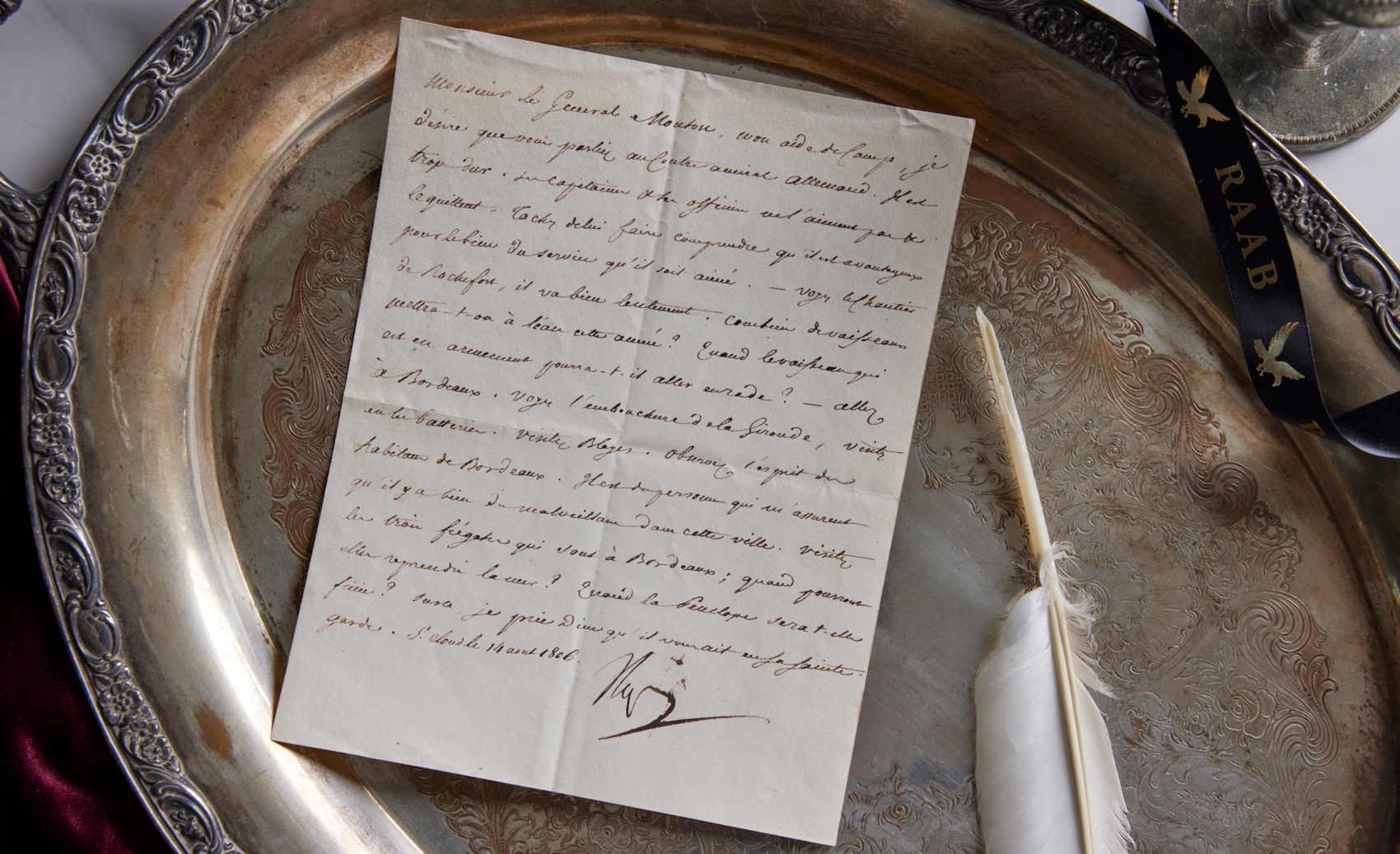
It’s funny. I was going to ask, if somebody says to you that they bought some important document, a signed letter of Einstein or Napoleon or something like that on an online marketplace that shall not be named, do you just cringe?
Nathan: Not necessarily. I mean, it’s nice that they’re looking for this material and they’ve contacted me. It’s an opportunity to establish a relationship and educate them, but there’s certainly skepticism. I mean, online marketplaces have their place, and they’re a reality. But, if you go onto an online marketplace and purchase from somebody that you don’t know or don’t know well, and you yourself are new to the process, you’re rolling the dice. Knowledge is important in any field and this one no more than the next. These are expensive pieces of paper; documents, books, photographs. What that means is, mistakes are expensive.
There’s a reason that people come to us and don’t freelance their operations, and that’s not only our access to the best material, but it’s our knowledge to be able to authenticate it, sell it, and stand behind it. So anybody out there looking to go into this really wonderfully rewarding passion of collecting should use the same common sense they would in other aspects of their lives.
People come to us because we occupy a unique position in the market. We’ve access to the private collector community, but also have a network of sellers who are either heirs to collections or descendants of people that received these documents originally. I always like to say we’re on the front lines of discovery. A document that you may have never seen, never heard of, and the market had never seen will, in many cases, pass through our hands first because of that position. A lot of the pieces we’re carrying are pieces that our buyers and no one else will have ever seen except for us.
In the media, Raab is sometimes confused for an auction house, and it’s true that you’re in a similar business, but what’s different? What do you do differently? What do you do better?
Nathan: Auctions have existed in this market for well over a century. They occupy a place in this market. We have maintained a model of doing business, which is kind of an Old World model, a model that is based on our relationships with the buyers and the sellers. It’s based on the time and the space to be able to analyze the documents based on a relationship with the documents that comes from owning them as opposed to receiving them on consignments. So we’ve opted against the auction model because it’s been more rewarding for us and I think for our customers.
Doing business with a firm like ours offers you an opportunity to really develop a deep relationship based on love of history, and time. We’ve had customers who’ve been buying with us since I was in middle school, people who still actively buy with us, and they’ve been dealing with the same family, the same people, this entire time. So they not only now call and talk to my dad, they call and talk to me. It’s a rewarding relationship. And, in our case, I can say it really gives you access to exciting new material. So a scenario in which, I would call and say, ‘Hey, this thing just crossed my desk and I know you’ve been looking for just the thing,’ and the person has the first opportunity to be able to buy that, without having to first compete against someone else for it, is a weekly experience for me. I think that’s something that is really wonderful for a new but also a longtime collector.
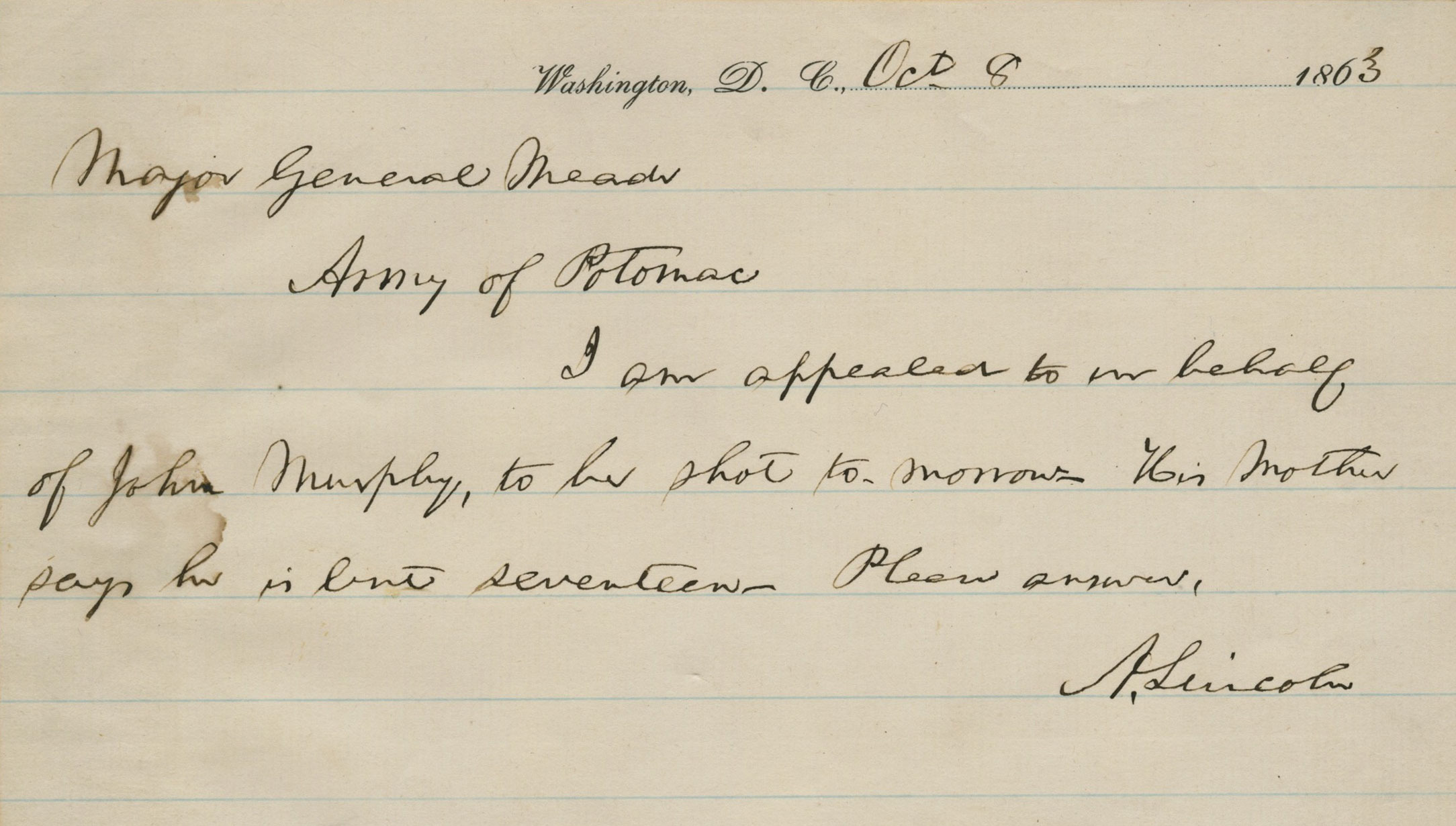
The thought that a piece that goes to an auction reaches this natural price point is not correct. I don’t think anybody who’s been doing this a long time would tell you that. It reaches the point where two people in the same room at that same exact moment on that date, but no other date, what they’re willing to pay, what one of them is willing to pay at that exact moment. So if you send something to auction once a week for eight weeks, that piece would hammer at eight different points. There would be eight different sale prices. And some would be lower and some would be quite high. We, as dealers, set a price that we feel is – we do our research and we set a uniform price that is not subject to bidding – that we can justify to our customers, that seems reflective of the market, and that both does justice to the value of the piece and also that we can represent is fair to our new and seasoned collectors.
I think that of course auctions have been around and will continue to be around, and there are times when we find something at an auction that is of interest to us. The vast majority of the material that we buy is not from auction. It’s from private collectors, descendants, heirs, and much of it has never been sold before. It’s a very different approach to doing business, and we’ve just found over the years that it’s allowed us to develop a different, more substantial relationship, not only with the pieces, but with the buyers and the sellers. It’s less dependent on the flavor of the moment, so to speak, less dependent on a storm that might hit, or how the stock did that day, and more dependent on a seasoned and sober consideration of the value of a piece, which, to me, it’s nicer.
Do you think specialization is a component when a collector is considering where to buy something? For example, Raab doesn’t offer much in the way of sports or celebrity memorabilia or comics, so if somebody’s coming to you, they’re not coming for those things.
Nathan: Right. I mean, we have collectors – one of the big overlaps is maps and so we have a number of collectors who also collect maps. I think it’s important to know what you know and know what you don’t know. I’m fascinated by maps. I think it’s a wonderful and interesting field, but I couldn’t authenticate or evaluate one. So yes, in a world where it can take 10 to 15 years to become a true specialist, truly knowledgeable, which is, more or less, what it took me under the apprenticeship of my father, a decision to become a specialist in multiple things requires one of two things. Either bring in an outside party who has that specialty or yourself study for an extended period of time. We have developed this specialty in manuscripts and so we know what we have, we know what we buy, we know what we sell, and that’s been beneficial in developing our niche.
I think that a buyer should above all buy the material that he or she loves that is meaningful to them at a price point which is comfortable, which is different for everybody and not generally knowable to the seller from a seller who has the experience to be able to authenticate and handle the material and stands behind the material that they sell. So if either one of those two things isn’t present, that’s something that a buyer should take into consideration. If you buy something and it’s not what it was supposed to be, as has happened to us, both with private sellers and at auction, you need to be able to go back, and say, ‘I want my money back. This isn’t what you said it was.’
Likewise if we started selling vintage cars, I wouldn’t suggest anybody do business with us because we don’t have the knowledge or the experience to be able to authenticate and sell and whatever one does with vintage cars. So, the knowledge and experience, the position in the market, the reputation, and guarantees are some of the things that should underpin wherever somebody chooses to do business.
These are all important points to keep in mind. Thanks for walking us through it.
To learn more, listen to other episodes in the Masterclass series, subscribe to hear more from Inspired by History, and visit The Raab Collection website’s Learn section.