






Know the Identified Forgers
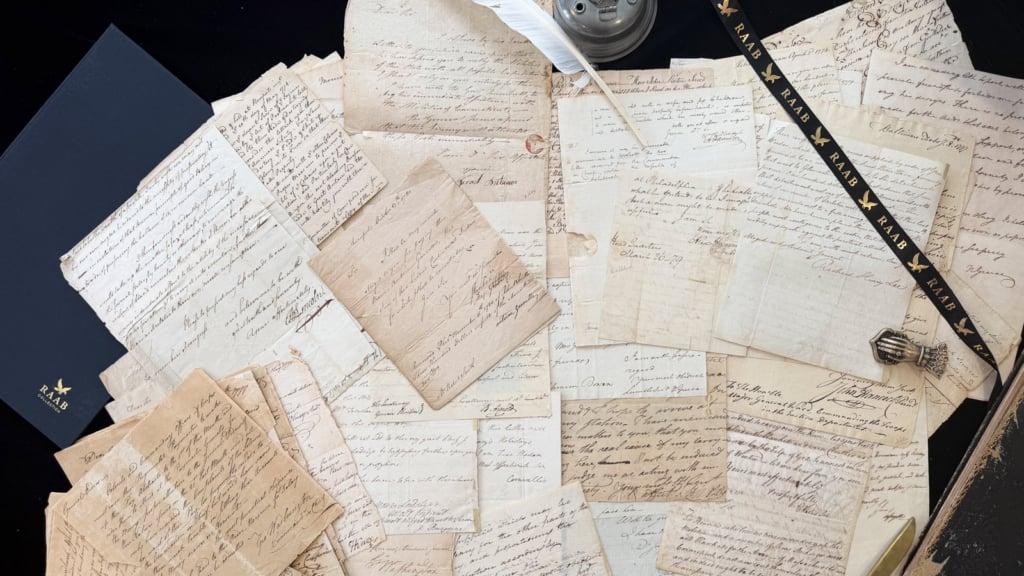
In the world of historical documents, manuscripts, and autographs, forgery has historically been a concern. Experts have dealt with it for more than a century. Recognizing the work of several identified forgers is an important step in document authentication.
To learn more about forgers, forgery avoidance, and how we at Raab authenticate historical documents, listen to the forgery episode of Inspired by History.
Famous Forgers
Two infamous forgers often spring to mind when discussing historical autographs: Robert Spring and Joseph Cosey.
Robert Spring
Spring (1813-1876) specialized in George Washington autographs. An Englishman by birth, Spring immigrated to the United States and opened a modest bookshop in Philadelphia. However, he found the bookseller’s trade less than profitable and began to seek ways to capitalize on the growing interest in presidential memorabilia, specifically that related to George Washington.
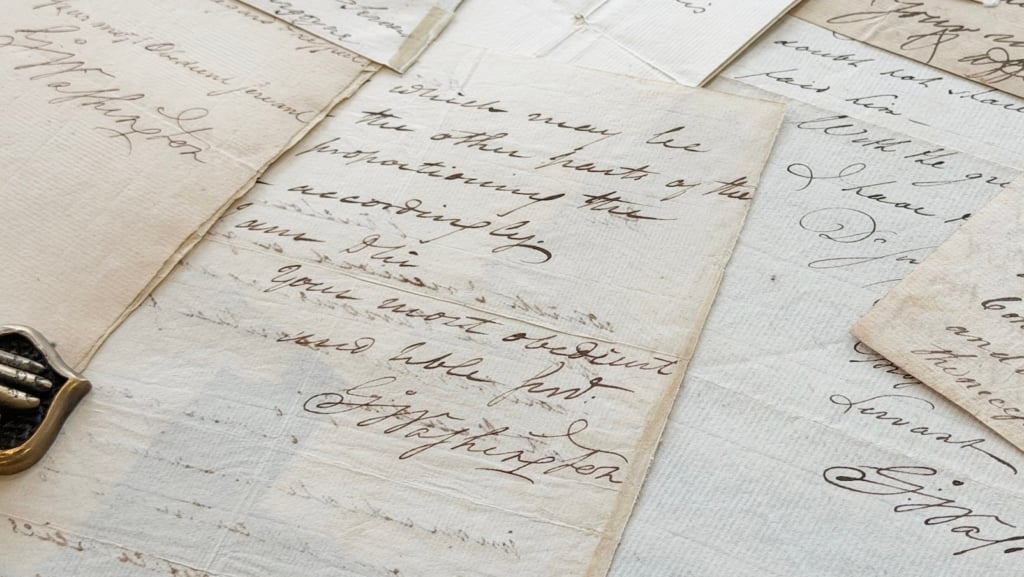
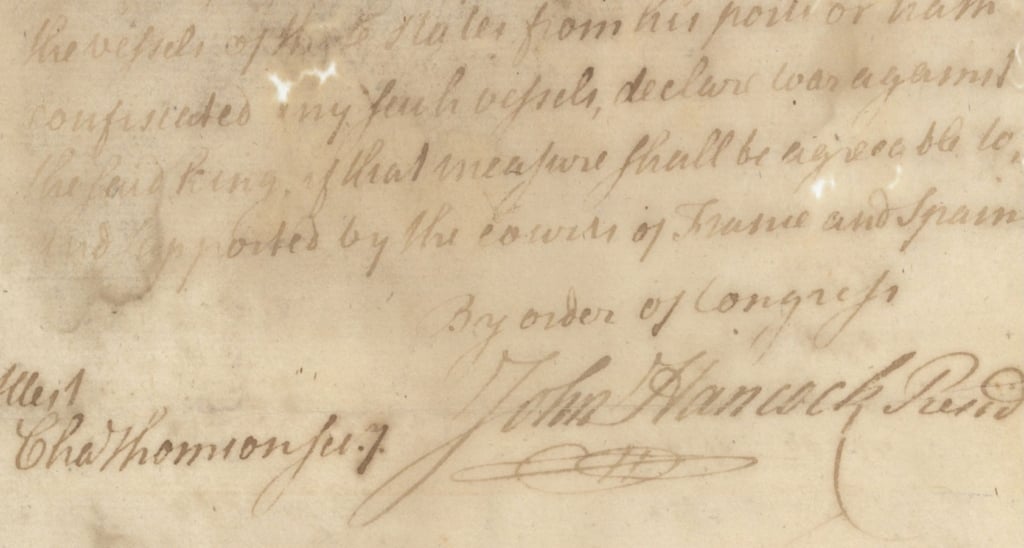
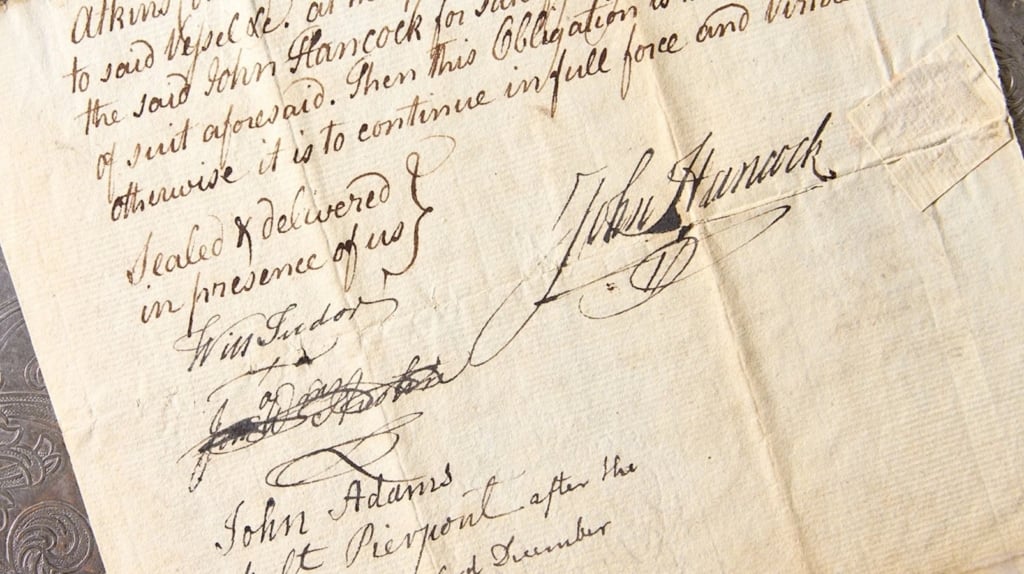
Spring’s forgeries are decently done, and the major problem is that after this length of time, they have taken on the look that comes with age, so the unwary can still be fooled. But even a superficial comparison with a genuine example of Washington’s handwriting and signature should be enough to spot a Spring forgery. Spring’s writing is smaller than Washington’s (always be wary of uncharacteristically small handwriting) and a little less rounded. They lack Washington’s bold, strong but elegantly fluid stroke and also because he used similar formats time and time again. Spring was particularly known for forging soldiers’ passes and checks (an example sold at Raab is pictured below). He also forged documents of Abraham Lincoln and John Hancock. So his work is formulaic.
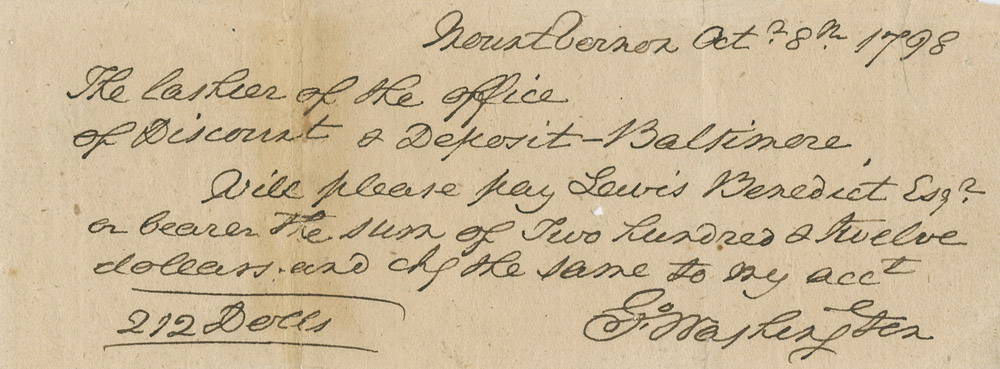
Although Spring ran his bookshop legitimately, his counterfeit activities were detected, and he was arrested in Philadelphia in 1858. He sought refuge in Canada and continued his forgery under pseudonyms. Spring returned to the U.S. circa 1860, settling in Baltimore. After a second arrest, Spring’s operating procedures were outlined at his 1869 trial for forgery in Philadelphia. He died penniless in a Philadelphia charity ward hospital in 1876.
Today, Spring’s forgeries, increasingly uncommon, are sought after by Washington collectors and others interested in the world of American forgers.
Joseph Cosey
Joseph Cosey arrived on the scene later than Spring and specialized more in Abraham Lincoln and Benjamin Franklin. Born Martin Coneely in Syracuse, New York, in 1887, Cosey began his life of crime as a thief. According to the Washington Papers at the University of Virginia, he started forging historical documents in 1929, after stealing a 1786 pay warrant signed by Benjamin Franklin from the Library of Congress. Cosey developed his own ink to simulate the antique look of the iron-gall ink used in early American documents. His tactics didn’t fool people for very long, however. He served a year in prison in the late 1930s but returned to forgery upon his release. He died in 1950.
A Case Study of Cosey’s Ben Franklin Forgeries
With his Franklin forgeries, Cosey would almost invariably forge pay orders supposedly signed by Franklin as president of Pennsylvania, late in his life. Cosey’s forged Franklin signatures were indeed superb, but they were representative of Franklin’s signature of 10 or more years earlier, rather than the slightly tremulous signature of his advanced age, when he would have signed these pay orders.
Pictured below from top to bottom: Authentic signature as President (Governor) of Pennsylvania – likely 1785-6; a forgery by Joseph Cosey on a pay warrant dated 1786; a forgery by Cosey (note its similarity to number 2); and an authentic Franklin signature from 1777.

Nevertheless, the key to some of Cosey’s forgeries was not Franklin’s signature but the countersignatures on documents, for example, as in the case of John Nicholson. Nicholson’s autograph is quite distinctive, and Cosey never bothered to make his forgery look remotely like Nicholson’s real signature.
The same holds true for one of his forgeries of Washington – the signature was done well, but a countersignature of his secretary, Tobias Lear, looked nothing at all like Lear’s real and very distinctive signature. Cosey also loved to guild the lily and add little notes and countersignatures to his notes, and these are often a factor in spotting them.
Click here to read more about a Cosey forgery that we inspected.
Other Known Document Forgers
Charles Weisberg was a skilled document forger who liked to forge Lincoln letters, which were well done but too wordy to be authentic, and he also manufactured letters of Walt Whitman. His Stephen Foster signatures, usually on original printed sheet music of the composer, were also quite well done. Weisberg died in prison in 1947.
Arthur Sutton was a young forger active in the 1970s who was perhaps the greatest ever at forging signatures of almost anyone, from Sitting Bull to Richard Nixon to Marilyn Monroe. It is difficult for non-experts to tell his work from the real thing, but he retired from the forgery racket before he could do too much damage.
In the late 20th century, the author Lee Israel began forging literary autographs, and she was quite adept at it. In 2008, she published a confessional memoir titled Can You Ever Forgive Me?