






Completely in the Hand of Jay, this Remarkable Survival Sheds New Light on How America Negotiated its First International Treaty
Records Show No Other Diary or Visit Book by any Founding Father or Mother Reaching the Market
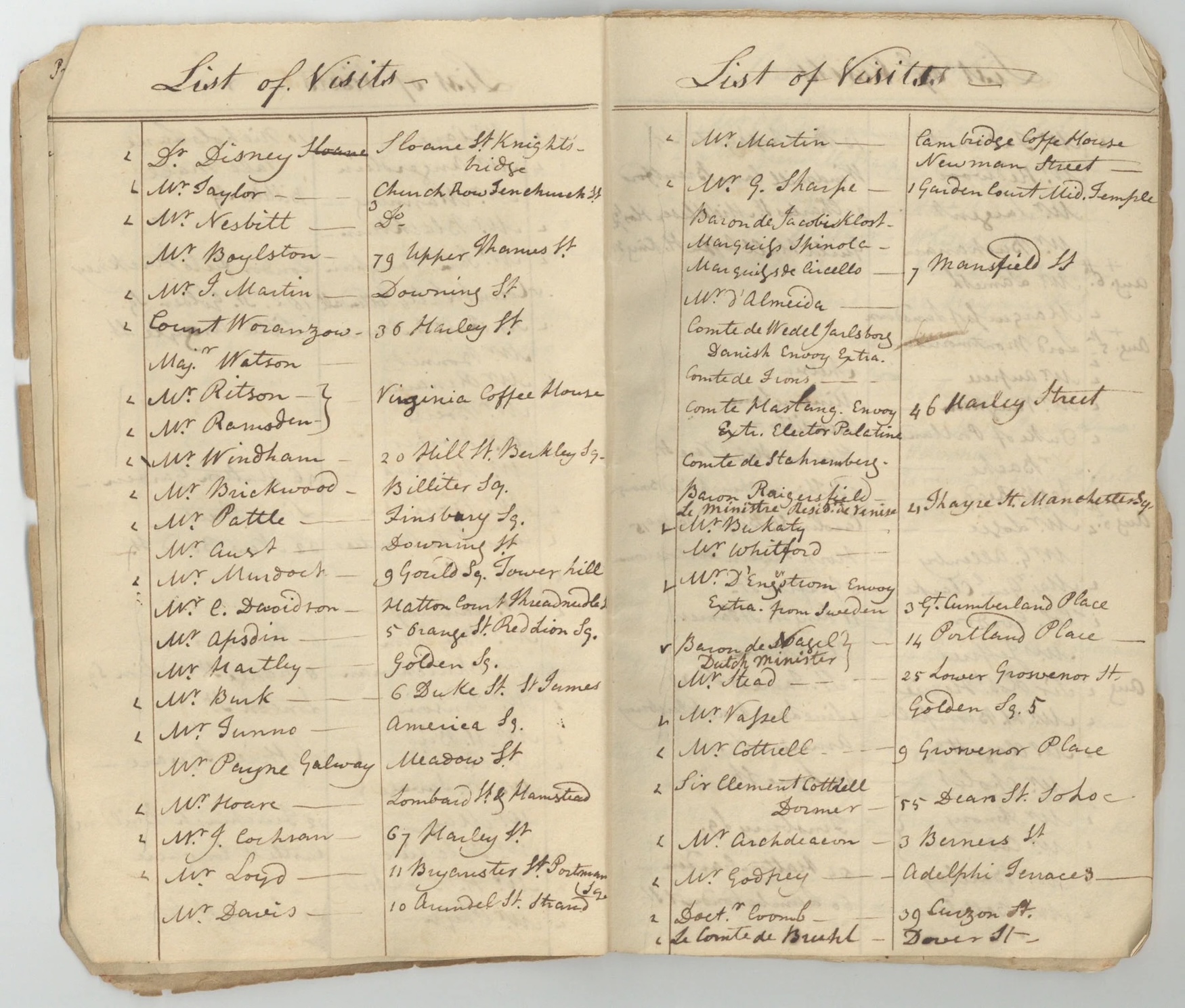
The Raab Collection announced today that it has discovered, acquired, and is offering for sale a complete manuscript diary of John Jay that records nearly 1,000 meetings with politicians, royals, and cultural figures during his entire time in London as he negotiated what would come to be called the Jay Treaty. The diary provides the most thorough account we have of whom he met, when, and where, from his arrival in June 1794 to his departure in April 1795. It was acquired from Jay descendants and has never before been offered for sale, nor is it known to the scholarly community. The diary is for sale for $135,000.
“Any fulsome investigation of the process of the negotiation of the Jay Treaty by Jay must include the diary. You couldn’t do it without it,” said Nathan Raab, president of The Raab Collection and author of the bestselling book, The Hunt for History, on the Inspired by History podcast. “It’s a joy to have to found it, and we are excited to find it a new home.”
John Jay
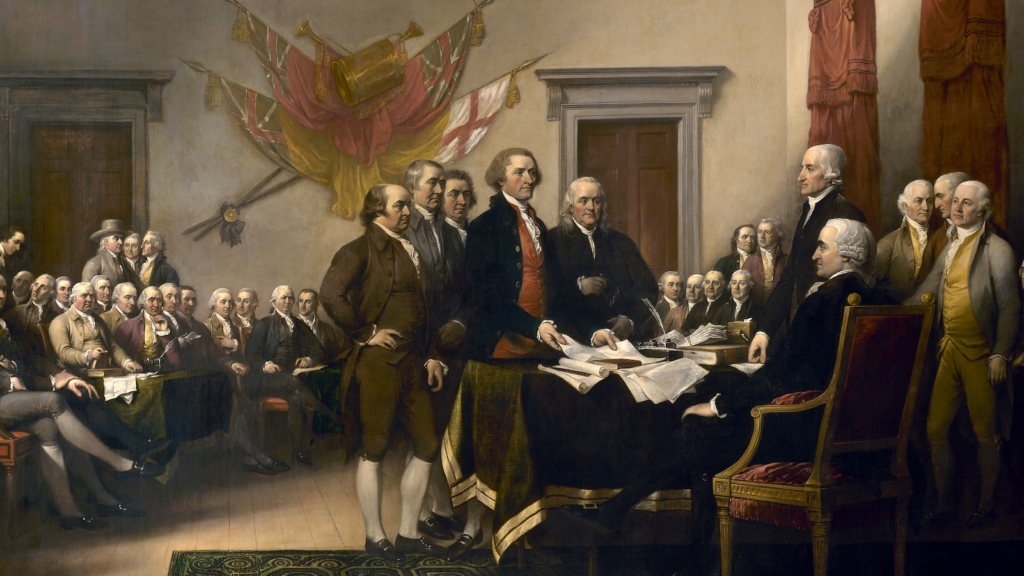
A practicing lawyer in New York, John Jay (1745-1829) was an ardent supporter of Independence who served as a delegate to both the First Continental Congress and the Second Continental Congress. His talent for diplomacy secured him an ambassadorship and made him one of America’s top foreign diplomats. As of 1789, he was also the first Chief Justice of the Supreme Court.
In 1794, President Washington appointed Jay special envoy to Great Britain at a moment when Anglo-American relations had become dangerously unstable. Jay traveled to London in April of that year with instructions to seek compensation for American maritime losses, press Britain to fulfill outstanding obligations, establish clearer protections for neutral trade, and, if possible, secure a broader commercial agreement—all while preserving a tenuous peace.
The Jay Treaty
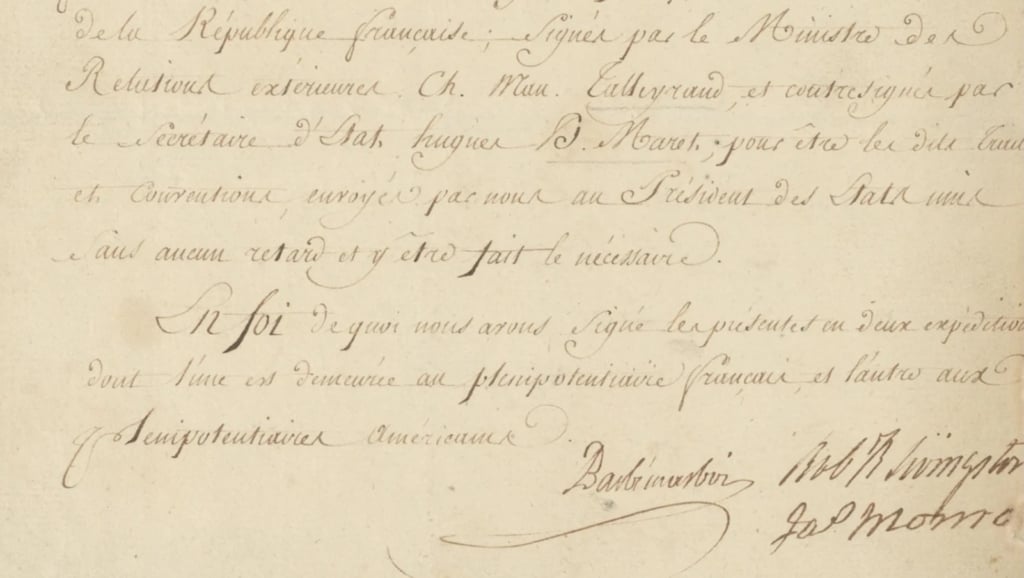
John Jay, who was at the time Chief Justice, spent nearly a year on this task in London. Through many hundreds of official meetings and unofficial visits, Jay brokered the Treaty of Amity, Commerce, and Navigation, now known as the Jay Treaty. It was the first international treaty under the new Constitution. Upon his return to the U.S. in 1795, the treaty narrowly won Senate approval and laid the groundwork for a decade of stable relations with Britain.
During his time in London, Jay met with a host of political and cultural luminaries, including Prime Minister William Pitt, Lord Grenville, Robert Morris, Thomas Pinckney, Benjamin West, John Singleton Copley, Jeremy Benthem, Jonathan Swift, Angelica Schuyler Church, as well as many cabinet members and royals. His repeated meetings with the abolitionist William Wilberforce and other British abolitionists is also of particular note.
The Diary
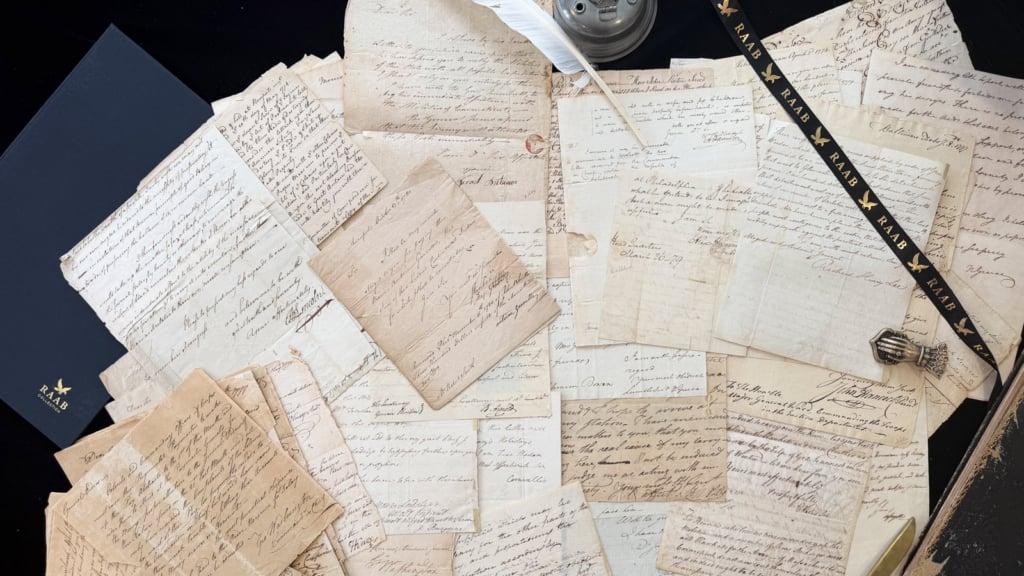
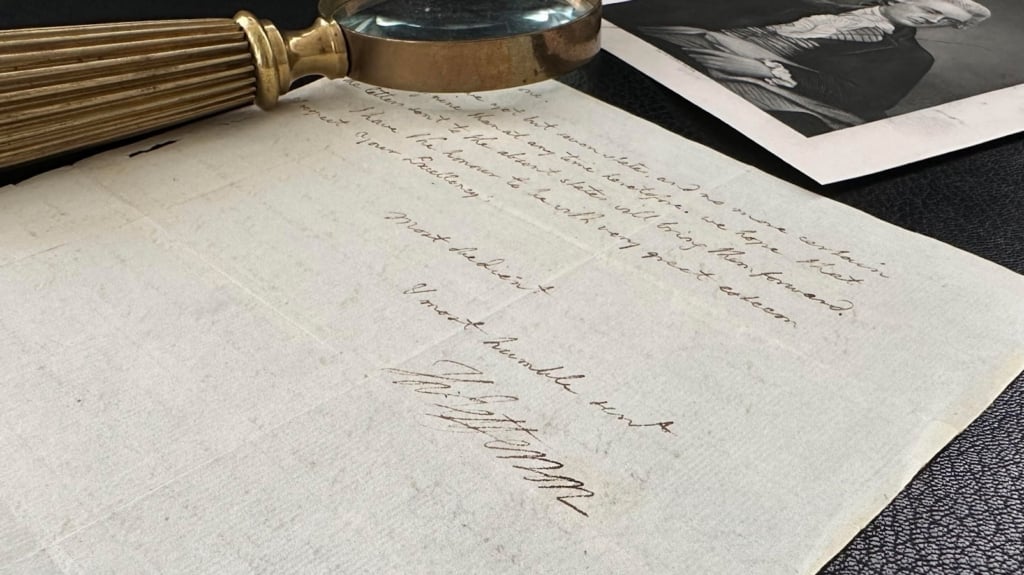
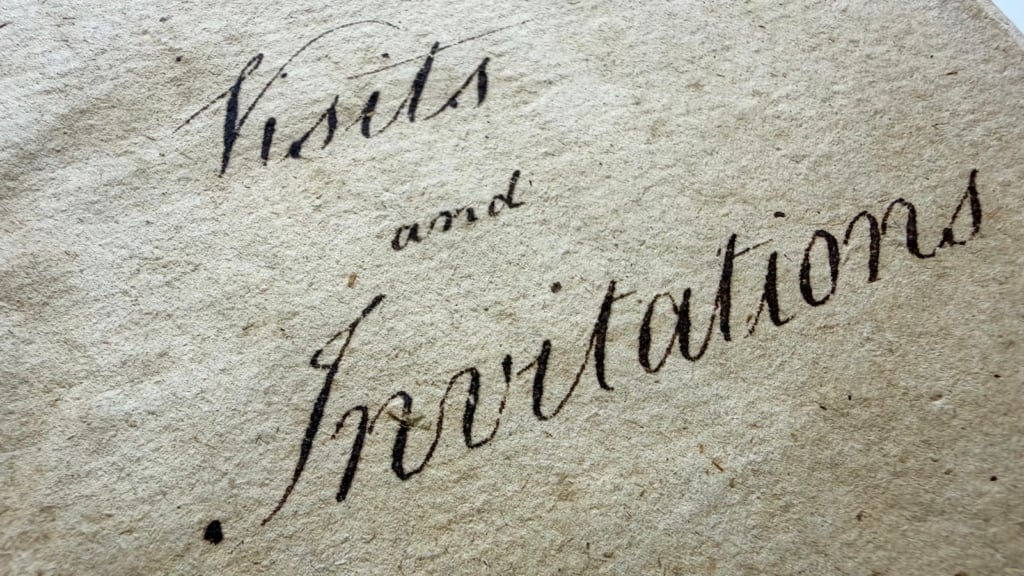
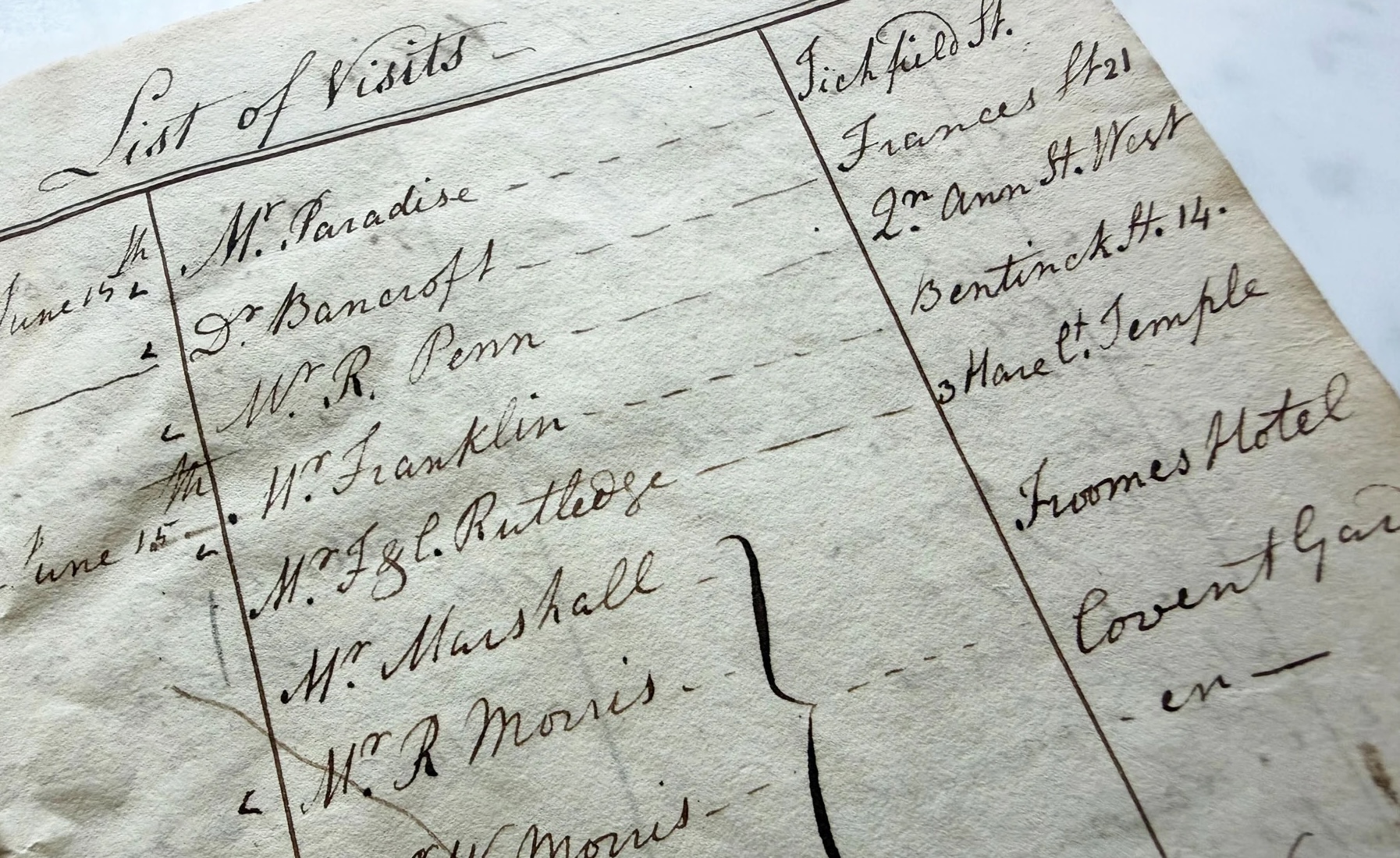
The Jay diary runs 36 pages long, nearly all full, and all in Jay’s hand. Jay divided the book into three separate sections: Visits; Invitations issued to Jay; and Invitations issued by Jay. Here he recorded his daily doings, which allows us to track his actions and contacts throughout the entire treaty negotiation process.
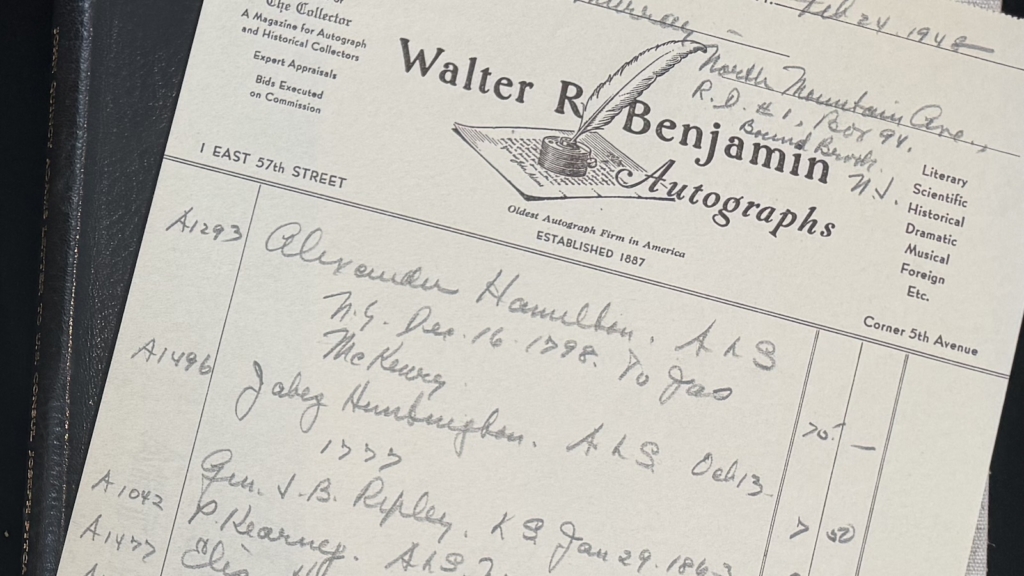
The diary had remained with the Jay family until now. It has never been published nor offered for sale before.
Diaries and other such complete first-hand accounts of the Founding Fathers are in institutions; we are not aware of any other having reached the public market ever.
To learn more about this remarkable discovery, Nathan Raab is available for interviews.

Raab: A Destination for Historical Descendants and Their Family Treasures
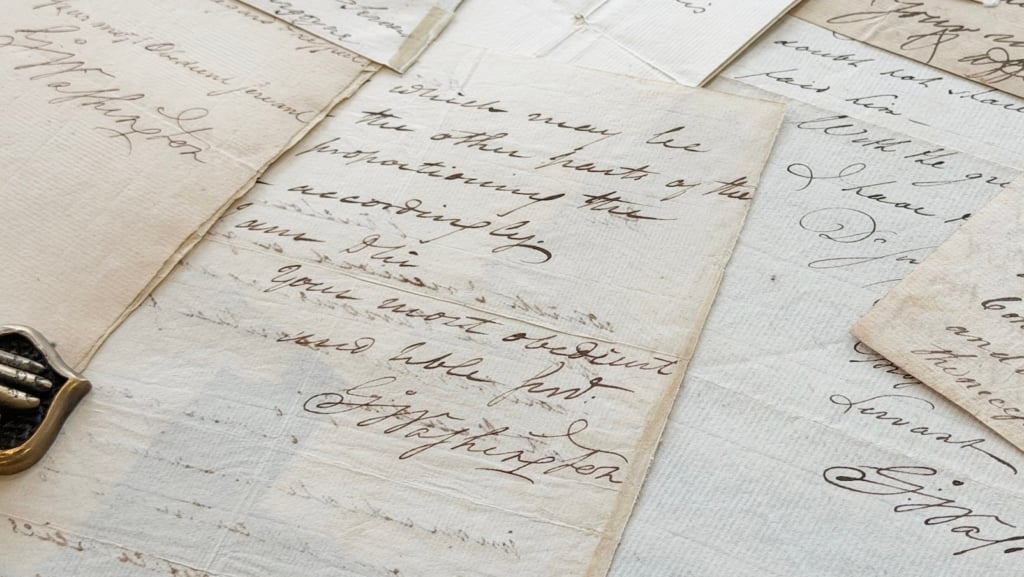
Over the past few decades, The Raab Collection has become the first destination for descendants and heirs of historically prominent figures who wish to sell their treasures. Raab had the honor to bring five newly discovered George Washington letters to market of late: three purchased from the descendants of his Secretary of War and State, Timothy Pickering, and two acquired from the heirs of Revolutionary War Col. William De Hart. Now again, having acquired this manuscript diary from the descendants of John Jay, we have the opportunity to present another original and unknown piece of history to the world.
