






Acquired From Pickering’s Direct Descendants; Pickering Served as Secretary of War and State
Written as President, the Letters Deal with Issues of the Highest Importance: Executive Privilege, Jay Treaty Negotiations, and the Diplomatic Recall of James Monroe
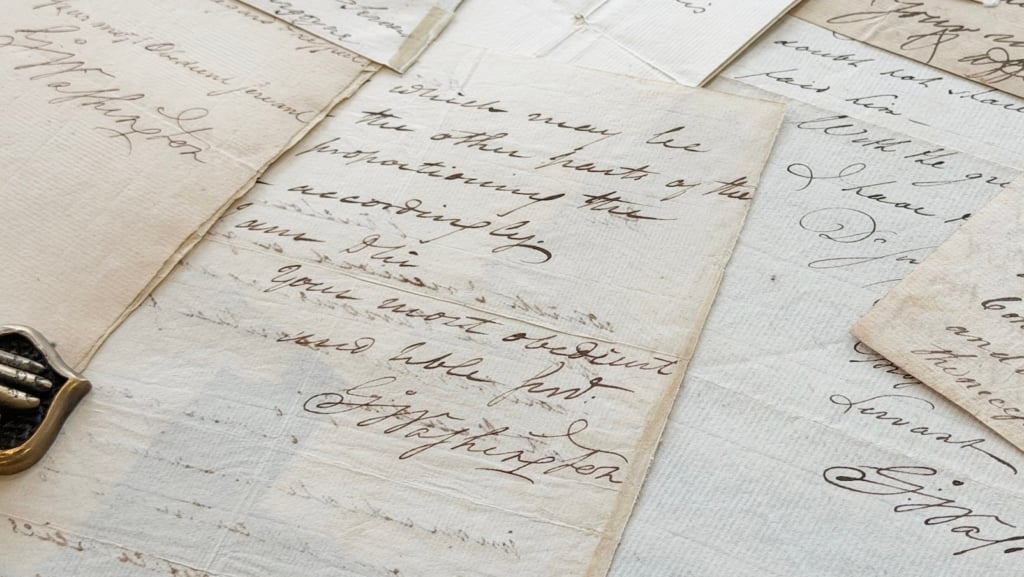
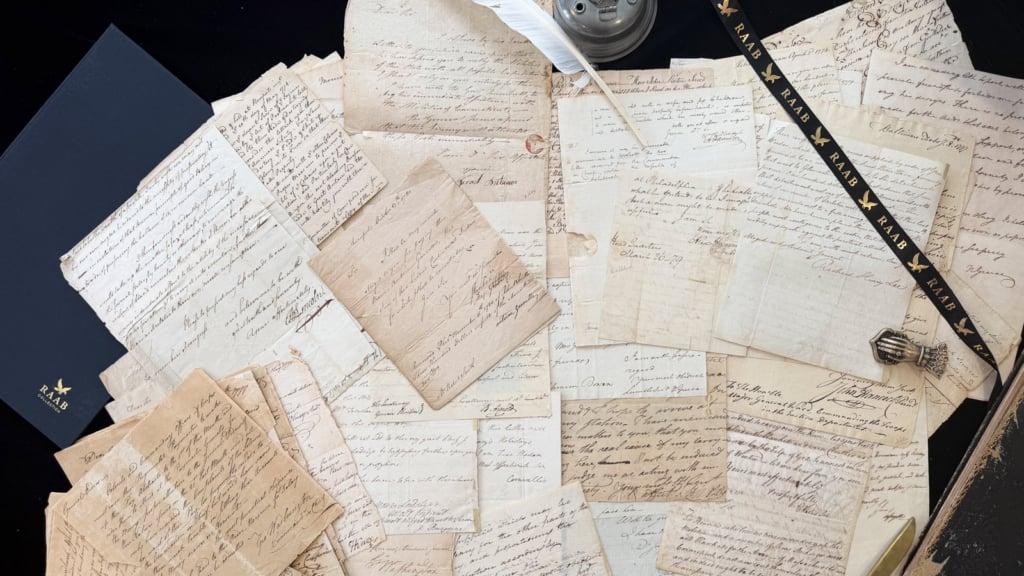
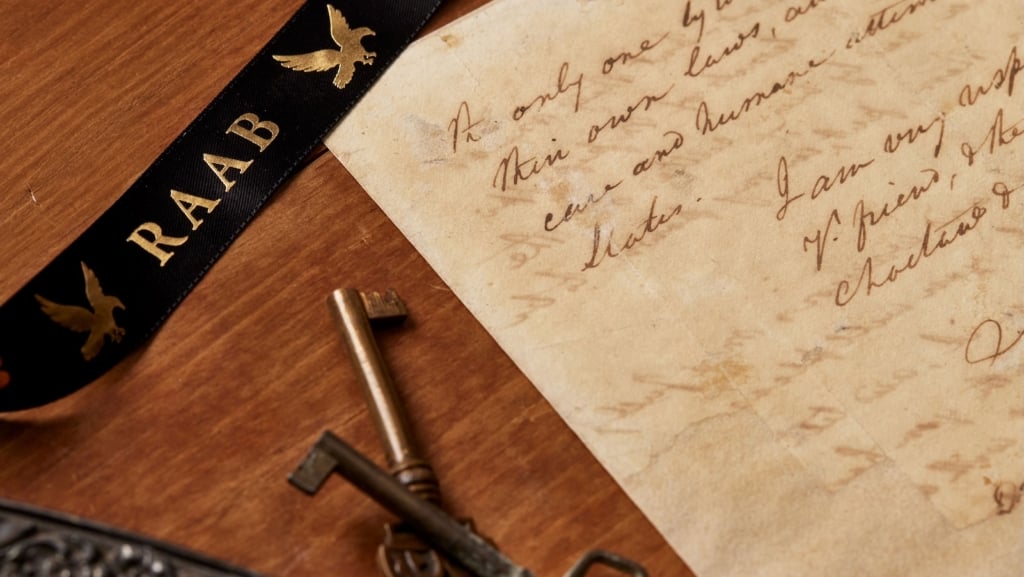
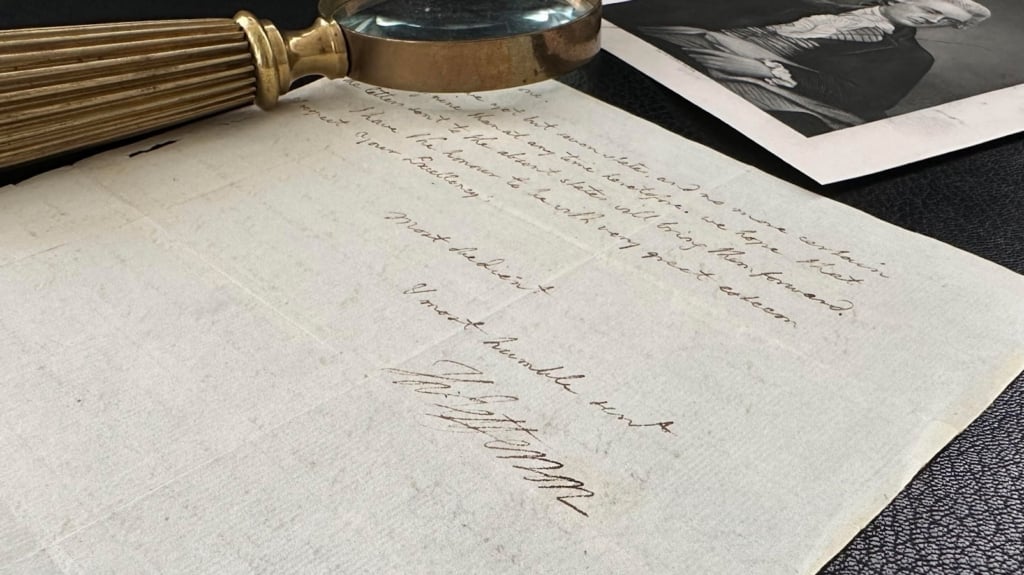
The Raab Collection announced today the acquisition and sale of three George Washington letters, written as President to his Secretary of State Timothy Pickering. The letters had been handed down in the Pickering family for 225 years and had never before been offered for sale.
Each letter is an extraordinary piece of presidential and American history, showing Washington at work, defining the role of President and requesting the advice of his Cabinet members about issues of the greatest importance to the early Republic.
The letters have been sold individually to three American private collectors.
George Washington Claims Executive Privilege for the First Time Ever
In the letter dated March 25, 1796, Washington writes to Secretary Pickering for Constitutional justification for the first claim of Executive Privilege in US history. He wonders, in relation to the House’s demand for Jay Treaty documents: “Whether that Branch of Congress hath—or hath not a right, by the Constitution to call for those Papers?”
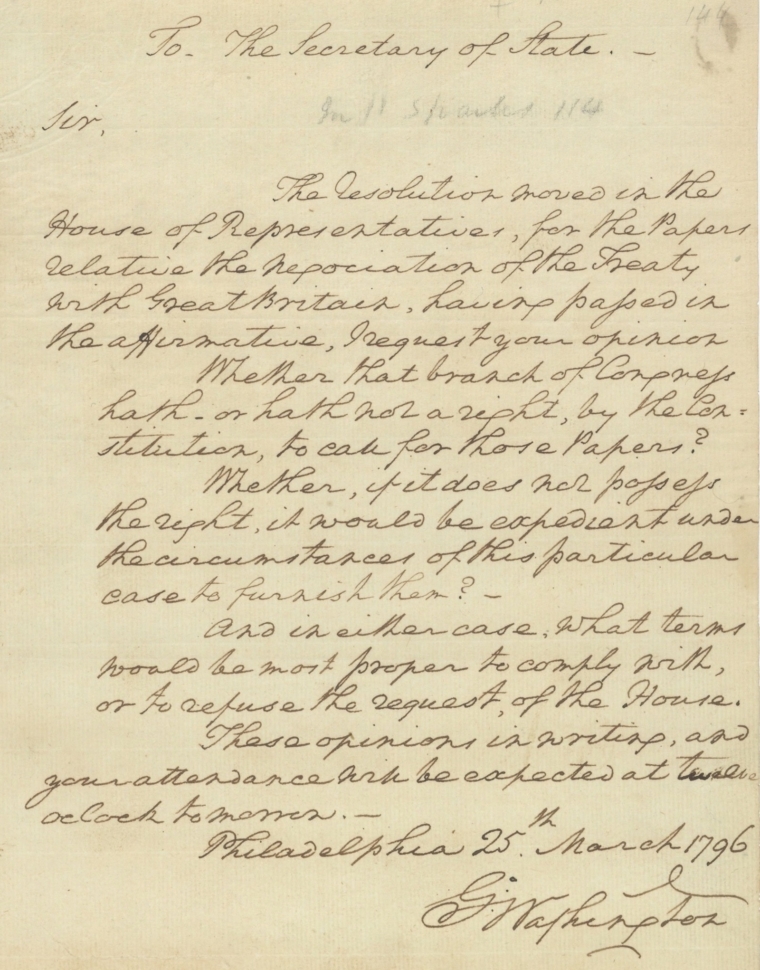
“This is quite a statement,” said Nathan Raab. “He is grappling with his rights as President–Chief Executive of the Executive Branch–to defy a request by the Legislative Branch.”
In the end, Washington took Pickering’s advice not to provide the requested documents to the House.
Washington Wants the People’s Opinion About the Groundbreaking Jay Treaty
In the letter dated July 31, 1795, Washington requests information from Pickering with regard to the American public’s reception of the Jay Treaty. The treaty, finalized in 1794 between the United States and Great Britain, was designed to resolve lingering disputes from the American Revolution and avert another war. Essentially, Washington is asking Pickering to monitor public sentiment on the subject and relay it back to him.
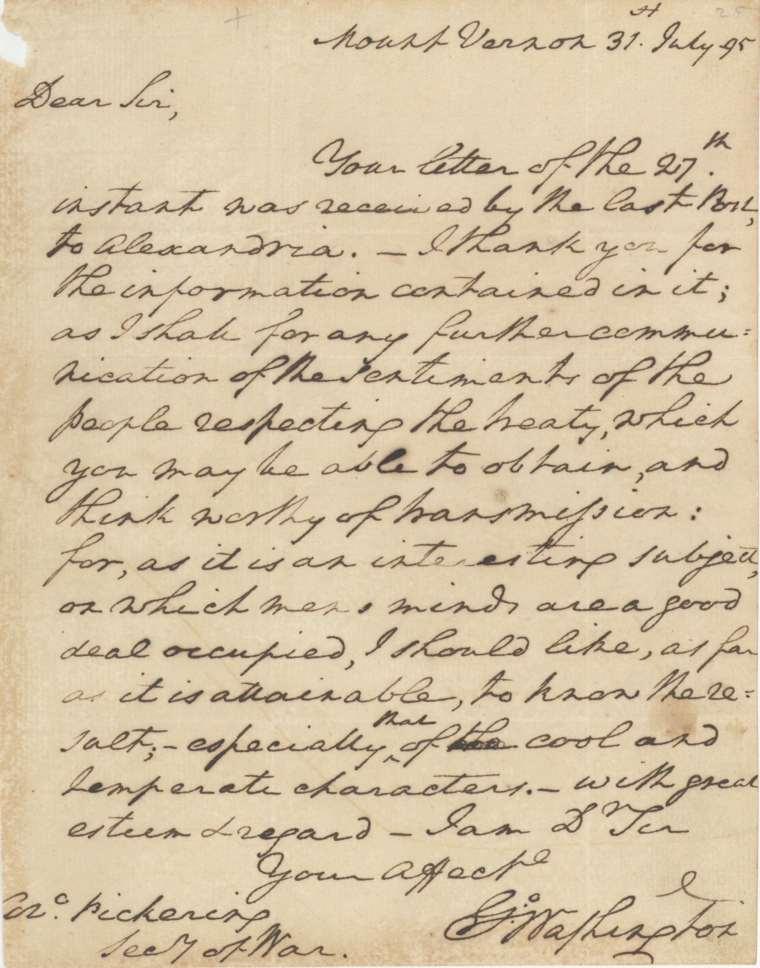
Washington “wants to hear what people think about the Jay Treaty, but he really wants it from common, moderate voices, not the mob,” said Nathan Raab. “You see Washington as the first people’s representative in the White House.”
President Washington Recalls James Monroe from France
In the letter dated September 9, 1796, Washington writes Secretary of State Pickering approving the letter recalling James Monroe as Ambassador to France and appointing Charles C. Pinckney in his stead. Monroe had tried to soothe the French by implying that many Americans (including himself) opposed the Jay Treaty, a move that resulted in his removal.
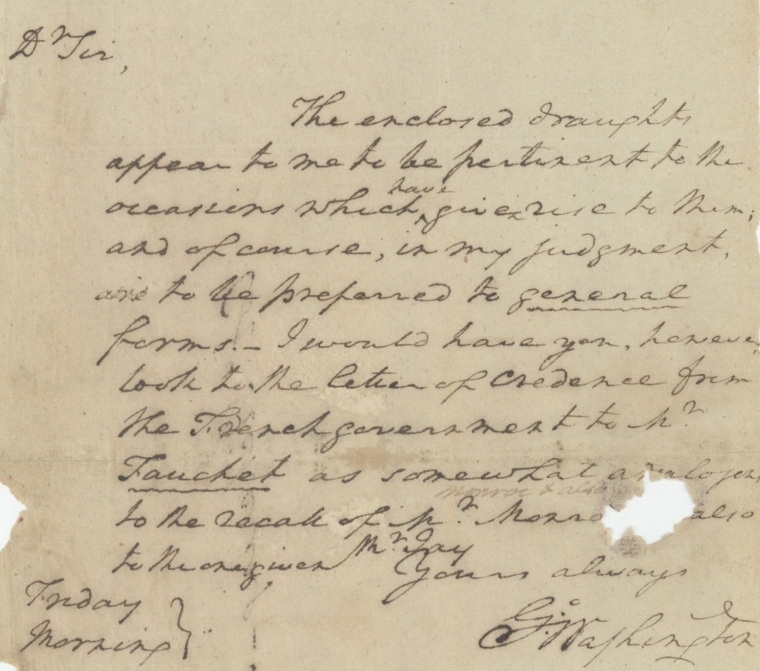
“During the Jay Treaty process and the buildup to the Napoleonic Wars, Washington lost confidence that Monroe was accurately relating American policy and that he had become a little too closely aligned with the French faction…so Washington recalls him,” said Nathan Raab. “Washington is taking a personal role in this major diplomatic move.”
To learn more about the history and provenance of these letters, listen to an audio interview with Nathan Raab on the Inspired by History podcast.
