






President George Washington Writes to his Secretary of State for Constitutional Justification for the First Claim of Executive Privilege in US History


He wonders, in relation to the House's demand for Jay Treaty documents: "Whether that Branch of Congress hath—or hath not a right, by the Constitution"
A remarkable letter of Washington mentioning the Constitution by name and seeking to define his own rights as President
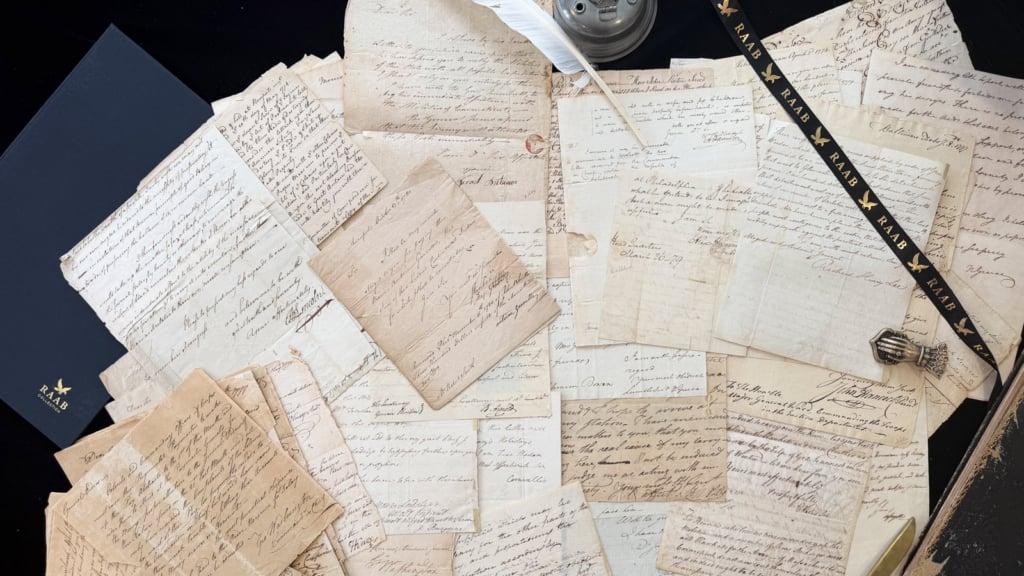
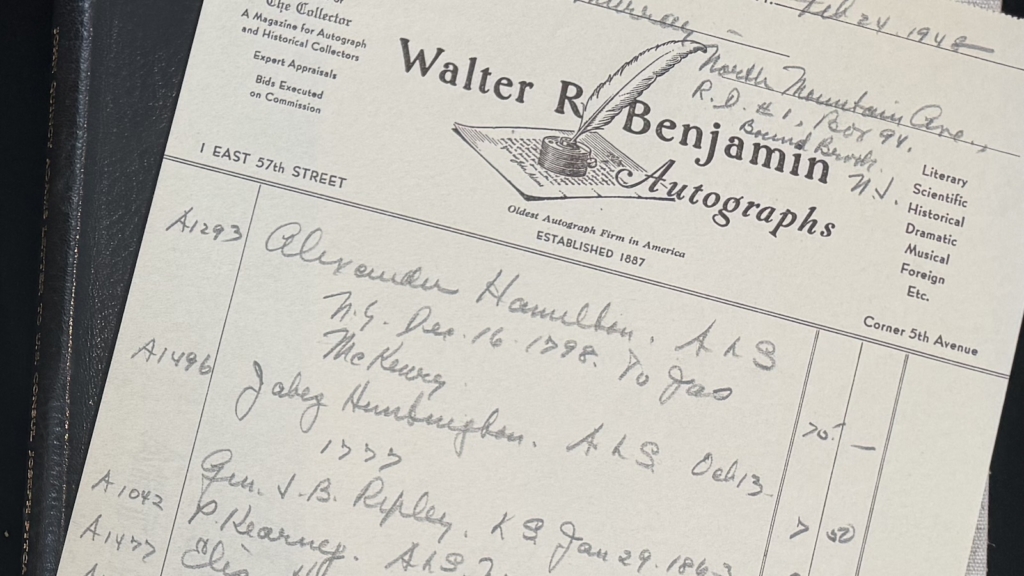
This letter was acquired by us from the direct descendants of Secretary of State Timothy Pickering and has never been offered for sale before
The Jay Treaty, officially titled the Treaty...


A remarkable letter of Washington mentioning the Constitution by name and seeking to define his own rights as President
This letter was acquired by us from the direct descendants of Secretary of State Timothy Pickering and has never been offered for sale before

The Jay Treaty, officially titled the Treaty of Amity, Commerce, and Navigation, was a 1794 agreement between the United States and Great Britain designed to resolve lingering disputes from the American Revolution and avert another war. Negotiated by Chief Justice John Jay at the direction of President George Washington, the treaty sought to address several pressing issues: British forces still occupying frontier forts in the Northwest Territory, the seizure of American ships trading with France, unpaid prewar debts owed to British creditors, and unsettled boundary questions along the U.S.–Canada border. Under the treaty’s terms, Britain agreed to evacuate its western forts by 1796, and both nations established joint commissions to settle outstanding debts, boundary disputes, and maritime claims. In return, the United States granted Britain most-favored-nation trading status and limited access to American markets while receiving modest rights to trade in the British West Indies. Although the treaty helped secure peace and stabilize Anglo-American relations, it failed to address key grievances such as impressment of American sailors, fueling fierce domestic controversy. Federalists defended the treaty as a necessary act of diplomacy, while Jeffersonian Republicans denounced it as a betrayal of the Revolution’s ideals. Despite the uproar, the treaty narrowly won Senate approval in 1795, laid the groundwork for a decade of stable relations with Britain, and marked one of the earliest major tests of executive authority in foreign affairs under the new Constitution.
The Senate approved the Jay Treaty on June 24, 1795, and the United States ratified it on August 14, 1795. After Britain’s ratification on October 28, 1795, the two countries exchanged ratifications in London that same day. President George Washington formally proclaimed the treaty on February 29, 1796, and on March 1 he transmitted a message to both houses of Congress, stating:
“The Treaty of Amity, Commerce, and Navigation, concluded between the United States of America and His Britannic Majesty, having been duly ratified, and the ratifications having been exchanged at London on the 28th day of October, 1795, I have directed the same to be promulgated; and herewith transmit a copy thereof for the information of Congress.”
Although the treaty had been proclaimed, its provisions could not take effect until Congress appropriated funds for the three commissions established under Articles 5, 6, and 7. Debate in the House of Representatives opened contentiously on March 2, 1796, when Edward Livingston, a Republican from New York, introduced a resolution demanding that the President submit to the House John Jay’s instructions and all papers related to the negotiations.
Not all treaty opponents supported Livingston’s broad demand. James Madison, wary of appearing to infringe upon the President’s constitutional authority, proposed a moderate amendment, suggesting that the President furnish the requested papers “except so much…as, in his judgment, it may not be consistent with the interest of the United States, at this time, to disclose.” Madison’s amendment failed, and after more than two weeks of debate, the House adopted Livingston’s resolution on March 24, 1796, by a vote of 62 to 37.
Two days earlier, on March 22, Washington had written a now-lost letter to Alexander Hamilton, apparently indicating that he was inclined to comply with the House’s request. Hamilton responded on March 24, promising to draft a message suitable for either compliance or refusal. Hamilton’s draft, however, did not reach Washington until March 29. By that point, the President had already accepted a draft message prepared by Secretary of State Timothy Pickering, with minor edits by Attorney General Charles Lee.
The Constitution nowhere expressly mentions executive privilege. Presidents have long claimed, however, that the constitutional principle of separation of powers implies that the Executive Branch has a privilege to resist certain encroachments by Congress and the judiciary, including some requests for information.
In 1791, General Arthur St. Clair suffered a catastrophic defeat against Native American forces in the Northwest Territory. In early 1792, the House of Representatives launched the first congressional investigation in U.S. history, demanding all executive papers related to the failed campaign. Washington asserted his right to withhold the information, even while he consented and did supply it. If Washington denied the requested information here, it would have been the first explicit, operative use of executive privilege in U.S. history.
On March 25, Washington wrote to his Cabinet, asking their views on his constitutional authority to deny the House’s request, and convened a Cabinet meeting the following day to decide the matter.
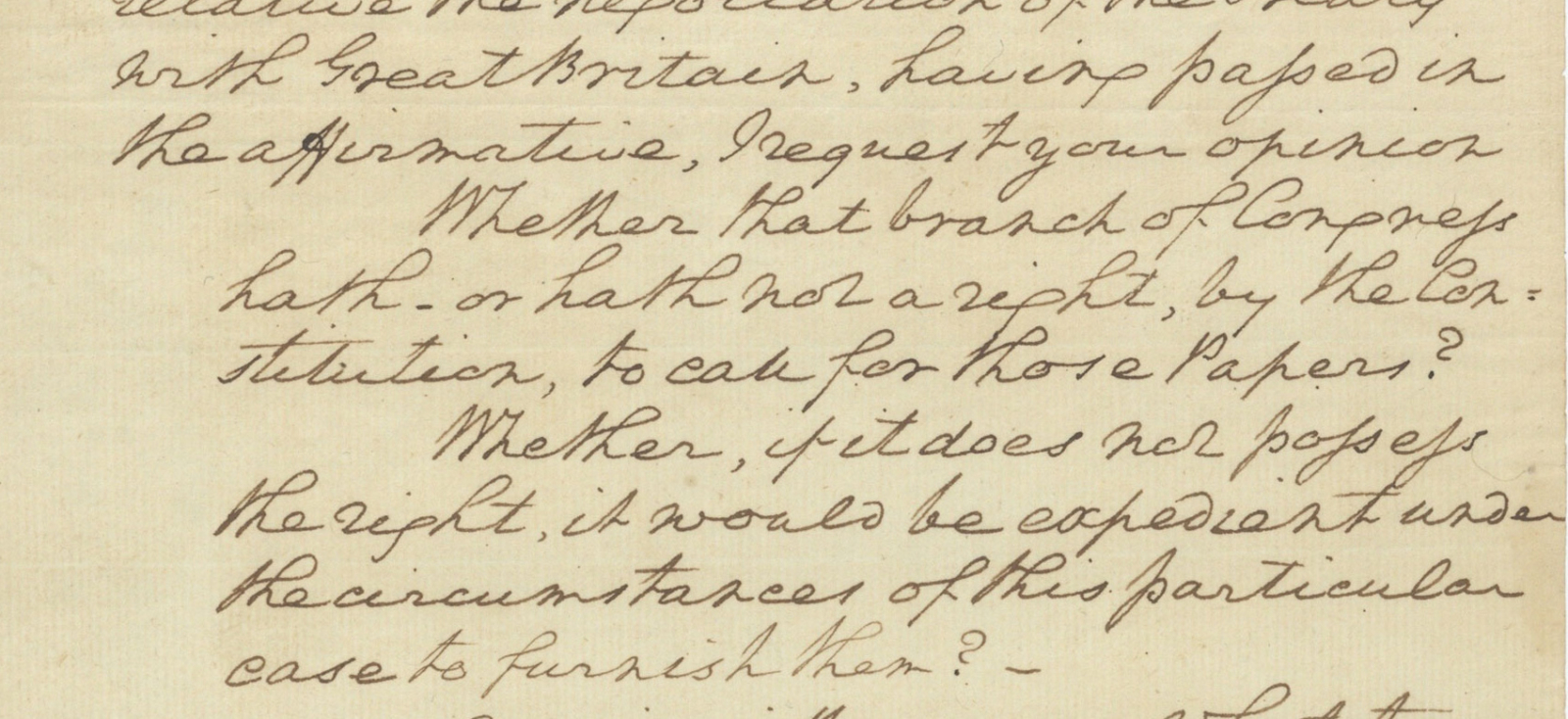
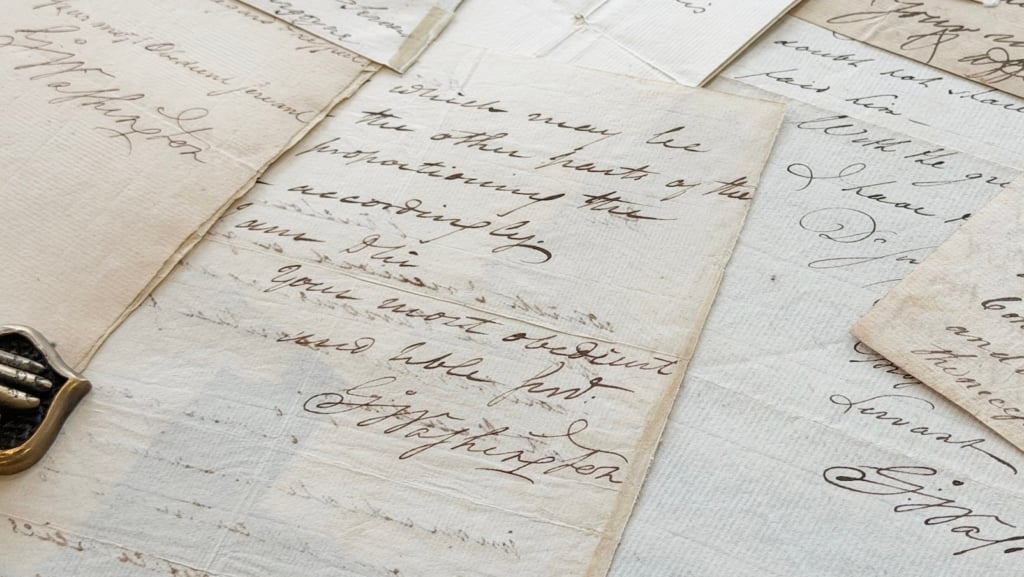
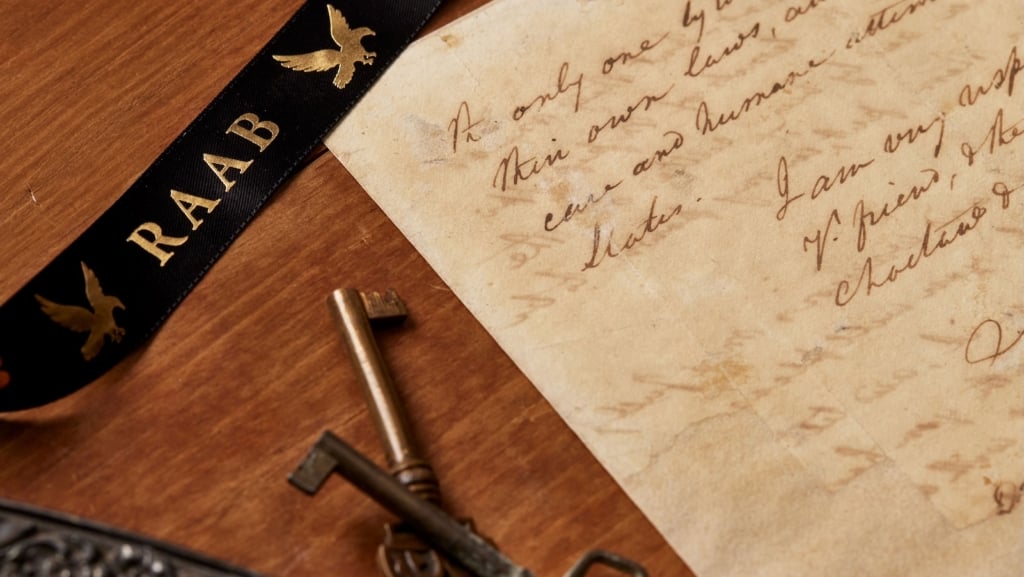
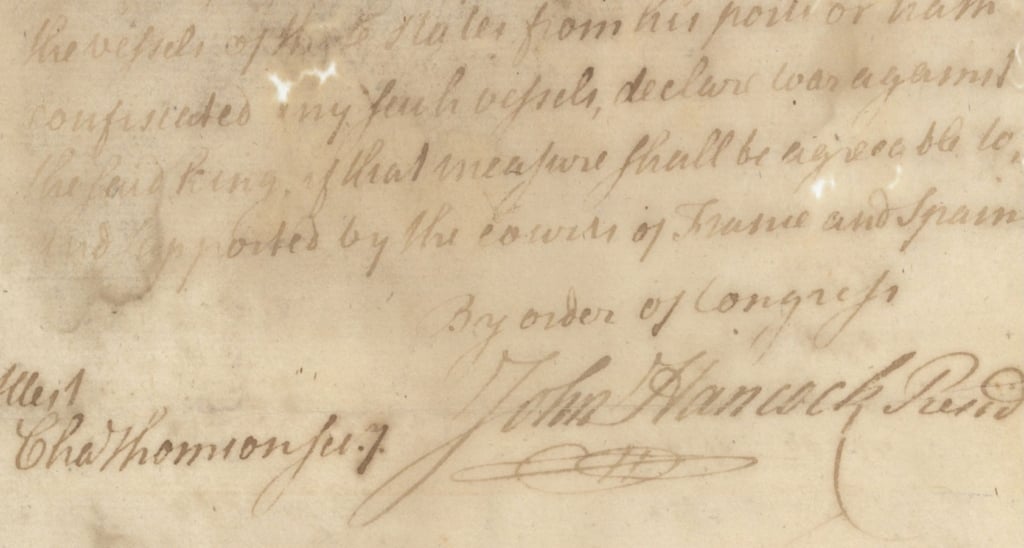
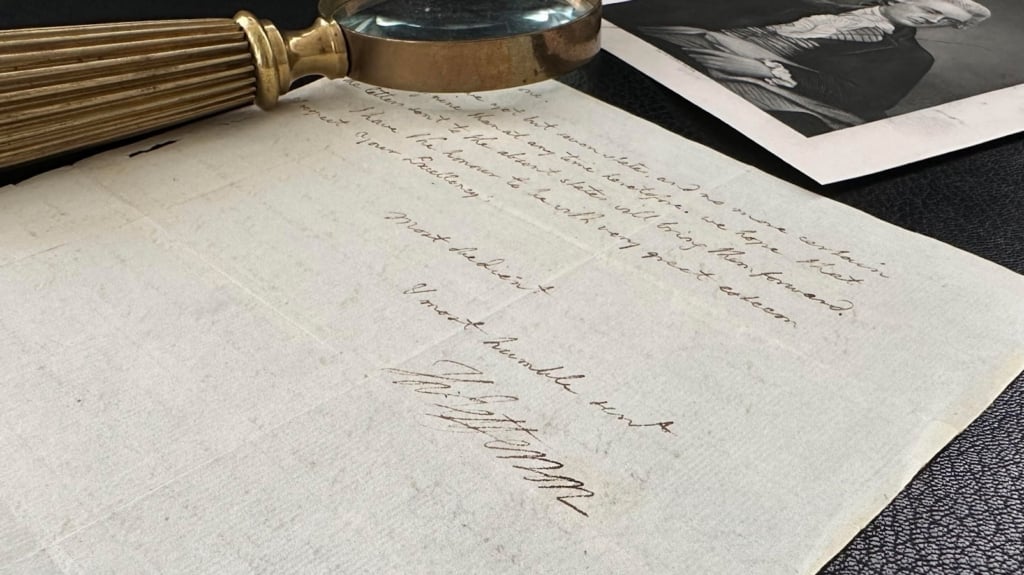
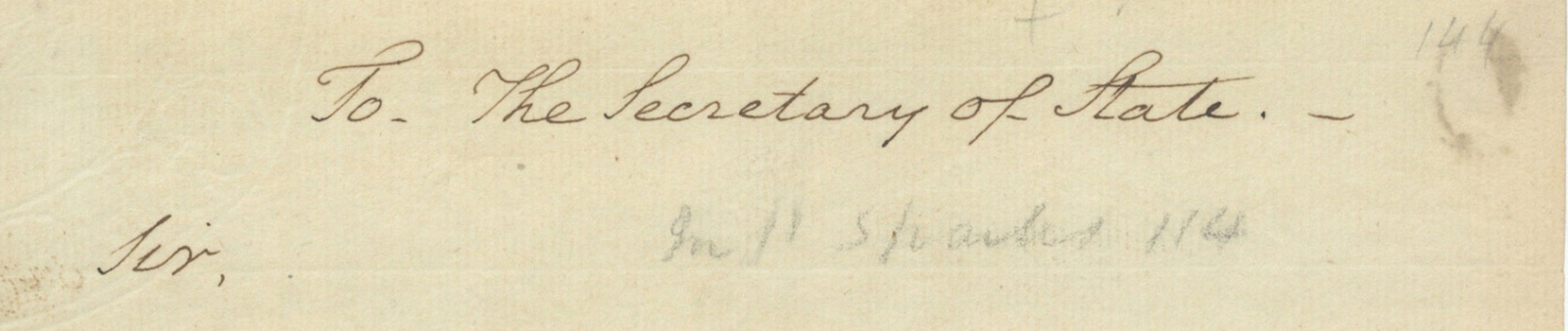
Autograph letter signed, as President, Philadelphia, March 25, 1796. “To the Secretary of State”, Timothy Pickering. “The Resolution moved in the House of Representatives, for the Papers relative to the Negotiation of the Treaty with Great Britain having passed in the affirmative I request your opinion:
“Whether that Branch of Congress hath—or hath not a right, by the Constitution, to call for those Papers?
“Whether, if it does not possess the right, it would be expedient under the circumstances of this particular case to furnish them?
“And, in either case, what terms would be most proper to comply with or to refuse the request of the House?
“These opinions in writing, and your attendance, will be expected at twelve o’clock tomorrow.”
Pickering argued against providing the information and his opinion won the day. The formal message prepared by Pickering, which refused the House request on constitutional grounds and for reasons of expediency, was sent to the House on March 30. The Constitution, Washington argued, did not vest in the House any authority in the Treaty process and that power was vested in the Executive and in the Senate, to whom he did provide relative materials. While objecting to the act, the House did appropriate the funds. This was the first operational claim of Executive Privilege in American history.
This letter was acquired by us from the direct descendants of Timothy Pickering and has never before been offered for sale.

Frame, Display, Preserve
Each frame is custom constructed, using only proper museum archival materials. This includes:The finest frames, tailored to match the document you have chosen. These can period style, antiqued, gilded, wood, etc. Fabric mats, including silk and satin, as well as museum mat board with hand painted bevels. Attachment of the document to the matting to ensure its protection. This "hinging" is done according to archival standards. Protective "glass," or Tru Vue Optium Acrylic glazing, which is shatter resistant, 99% UV protective, and anti-reflective. You benefit from our decades of experience in designing and creating beautiful, compelling, and protective framed historical documents.
Learn more about our Framing Services
