






In 1764, Patriot and Businessman Isaac Roosevelt, Direct Ancestor of FDR, Transfers Pews in the Great New Dutch Church in New York to Businessman and Revolutionary War Colonel Peter Curtenius
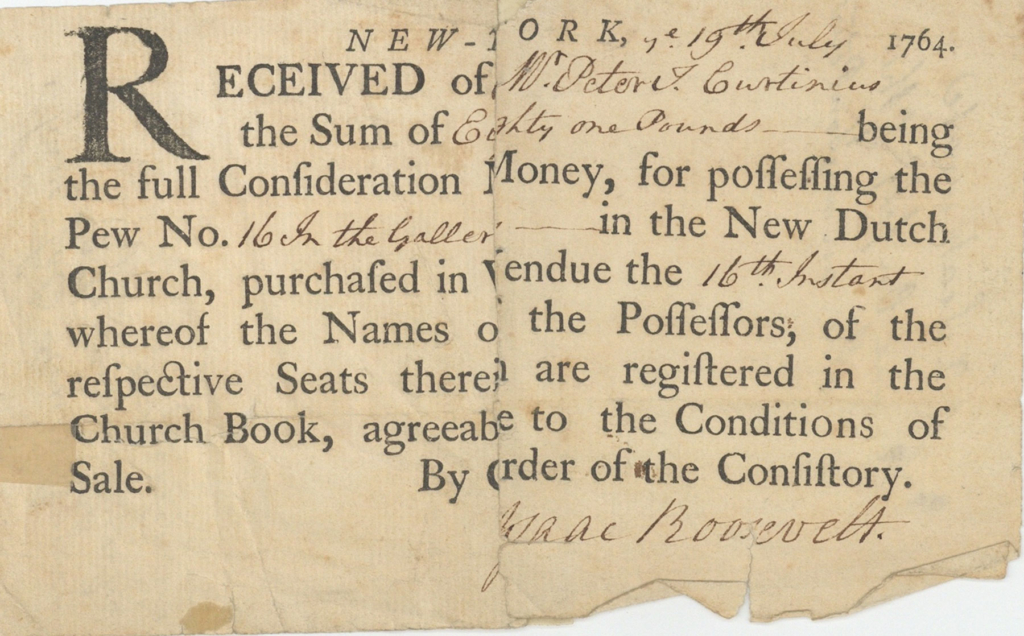

The New Dutch Church, also known as the Middle Dutch Church, was one of the oldest religious institutions in New York; that year saw its first sermon in English
- Currency:
- USD
- GBP
- JPY
- EUR
- CNY
 This currency selector is for viewing only.
The Raab Collection only accepts USD payments at checkout.
Exchange rates are updated hourly. Rates may be inaccurate.
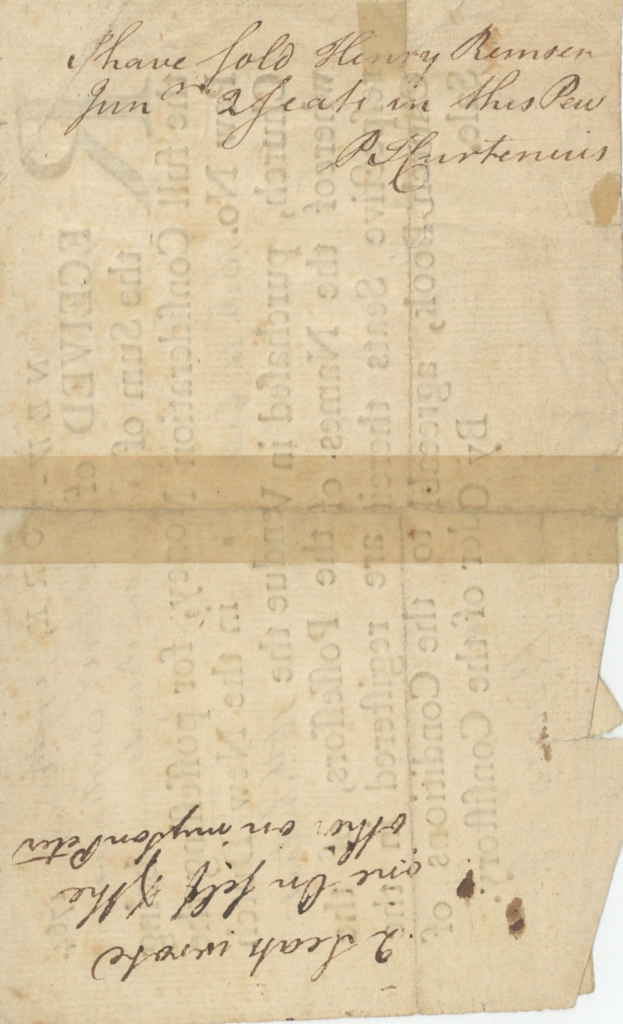
Curtenius would then sign it as well, transferring it to fellow merchant and aide to Thomas Jefferson, Henry Remsen
Peter Theobaldus Curtenius was born on April 3, 1734, in New York City. He was the son of Rev. Anthonius Curtenius, a clergyman of the Dutch Church who had come from Holland to...


Curtenius would then sign it as well, transferring it to fellow merchant and aide to Thomas Jefferson, Henry Remsen
Peter Theobaldus Curtenius was born on April 3, 1734, in New York City. He was the son of Rev. Anthonius Curtenius, a clergyman of the Dutch Church who had come from Holland to the United States. In 1774, he was a member of the New York Committee of Correspondence. On May 31, 1775, the New York Provincial Congress appointed him Commissary General, with the rank of colonel, being in charge of the purchase of provisions for the Continental Army. He was in charge of provisioning the troops from New York destined for George Washington’s Continental Army. Because of the early nature and less standardized roles, it appears he was also in charge of using his contacts to provision the Continental Army.
Isaac Roosevelt (1726–1791) was a prosperous New York City merchant and sugar refiner who became one of the leading Patriot figures in Revolutionary-era New York. Born into the established Dutch-descended Roosevelt family, he built considerable wealth through his sugar refining business, which placed him within the upper tier of New York’s merchant class alongside figures like the Livingstons and Schuylers. A committed Whig, he served in the New York Provincial Congress during the Revolution and later in the New York State Senate, helping to guide the young state through the turbulent years of independence. He was a delegate to the 1788 New York ratifying convention, where he supported adoption of the federal Constitution in the face of significant Anti-Federalist opposition. He is best remembered today as a direct paternal ancestor of Franklin D. Roosevelt, whose family branch was rooted in the Hudson Valley estate culture that Isaac helped establish.
A noted patriot, he was elected to the New York Provincial Congress on April 22, 1775. He was one of the Committee of One Hundred that took control of the state government in May 1775. Though he felt no allegiance to England, he was initially a moderate, hoping to prevent conflict. However, he withdrew from New York when the British occupied the city, and spent the period of occupation at his wife’s home in Dutchess County, serving with the Sixth Regiment of the Dutchess County Militia.
After the war, as one of ten representatives from New York City (among John Jay, Alexander Hamilton, and Robert R. Livingston), he took part in the New York State Convention at Poughkeepsie on June 18, 1788, that deliberated on the adoption of the United States Constitution.
Henry Remsen was a noted NY merchant and Deputy Chair of the Provincial Congress. He was also an aide to President Thomas Jefferson.
The New (late, Middle) Dutch Church, founded in 1727 on Nassau Street and dedicated by 1731, traced its roots to the Dutch Reformed congregation established during the era of New Amsterdam, making it one of the oldest religious institutions in New York. For its first decades, services were conducted entirely in Dutch, until 1764, when the Scottish-born minister Archibald Laidlie, a University of Edinburgh graduate newly installed as a Collegiate minister, delivered the first English-language sermon in the Dutch Church of New York — a landmark moment in the congregation’s gradual assimilation into English-speaking civic life. That same year the building was altered, and with the subsequent construction of the North Dutch Church in 1767–1769, the congregation became known as the Middle Dutch Church, positioned geographically and culturally between the old Garden Street Church to the south and the new North Dutch Church at William and Fulton Streets.
1764 was a charged moment — the Stamp Act crisis was brewing, and these men were about to become leaders of the Patriot resistance. The Dutch Church was the social and civic heart of the Dutch merchant community in New York. In April, the British Parliament passed the Sugar Act, increasing duties, and the Currency Act, prohibiting the colonies from making their own paper money.
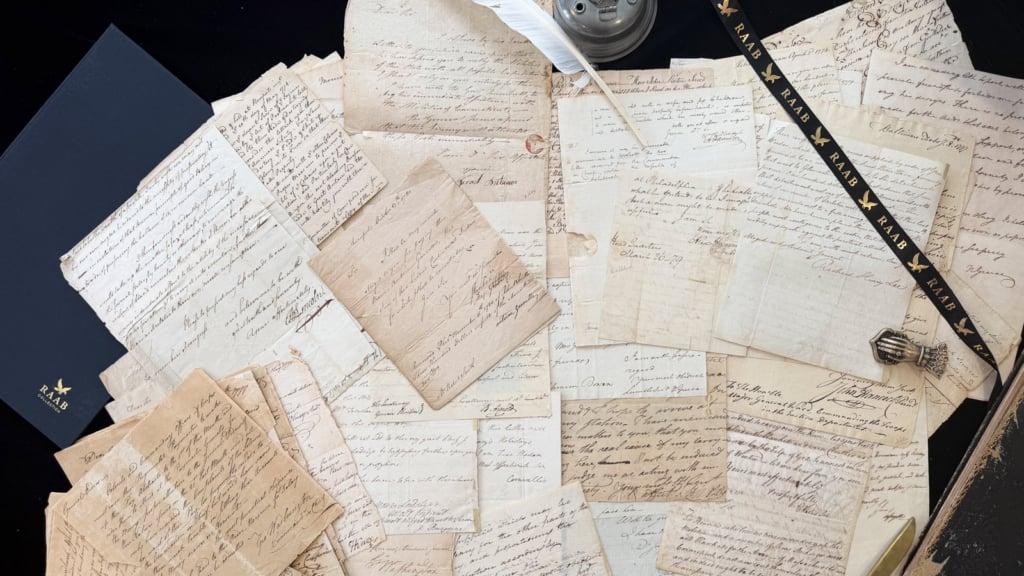
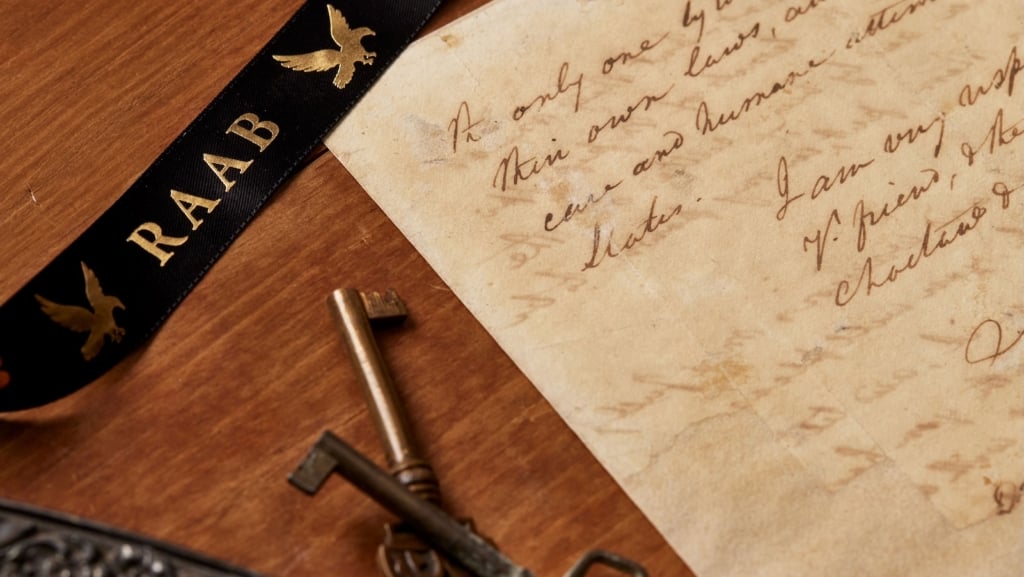
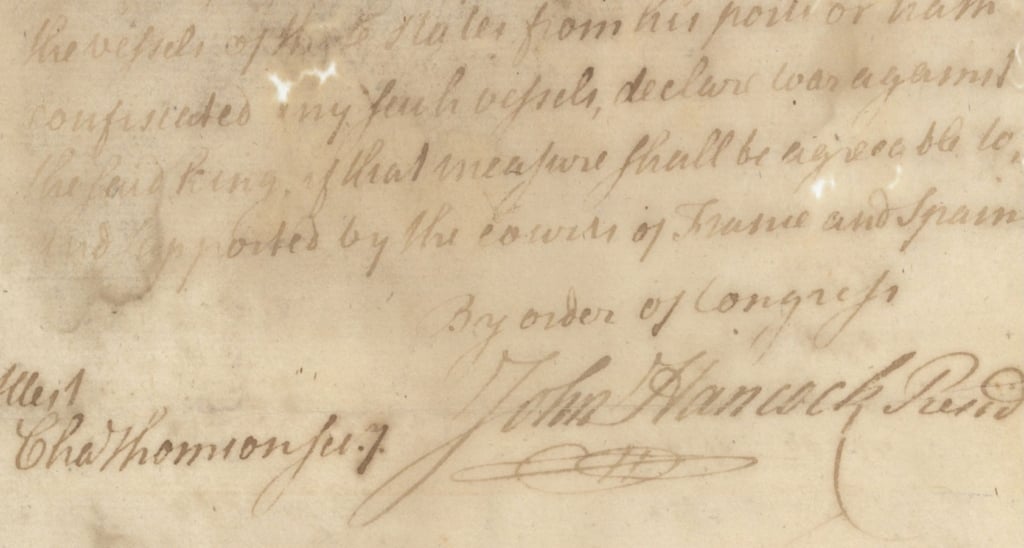
Document signed, New York, July 19, 1764, Signed by Isaac Roosevelt and Peter Curtenius. Recto: “Received of Mr. Curtenius the sum of 81 pounds being the full consideration money for possessing the Pew No. 16 in the Gallery in the New Dutch Church…. Isaac Roosevelt.” Verso: “2 Seats wrote one on self and the other on my son Peter.” Then later: “I have sold Henry Remsen Jr 2 seats in this Pew. PT Curtenius.” An imperfection going down the center affecting some text but with apparently no loss.
Such documents are uncommon.

Frame, Display, Preserve
Each frame is custom constructed, using only proper museum archival materials. This includes:The finest frames, tailored to match the document you have chosen. These can period style, antiqued, gilded, wood, etc. Fabric mats, including silk and satin, as well as museum mat board with hand painted bevels. Attachment of the document to the matting to ensure its protection. This "hinging" is done according to archival standards. Protective "glass," or Tru Vue Optium Acrylic glazing, which is shatter resistant, 99% UV protective, and anti-reflective. You benefit from our decades of experience in designing and creating beautiful, compelling, and protective framed historical documents.
Learn more about our Framing Services

