






President Thomas Jefferson’s Farewell Letter to Thomas Paine


The two men were the towering philosophical figures of the American Revolution, and had a warm friendship and mutual admiration
Jefferson on his embargo and Paine’s assessment of it: “Your ideas expressed in the latter part of your letter are undoubtedly correct…As yet we have reaped no fruits from our endeavors.”
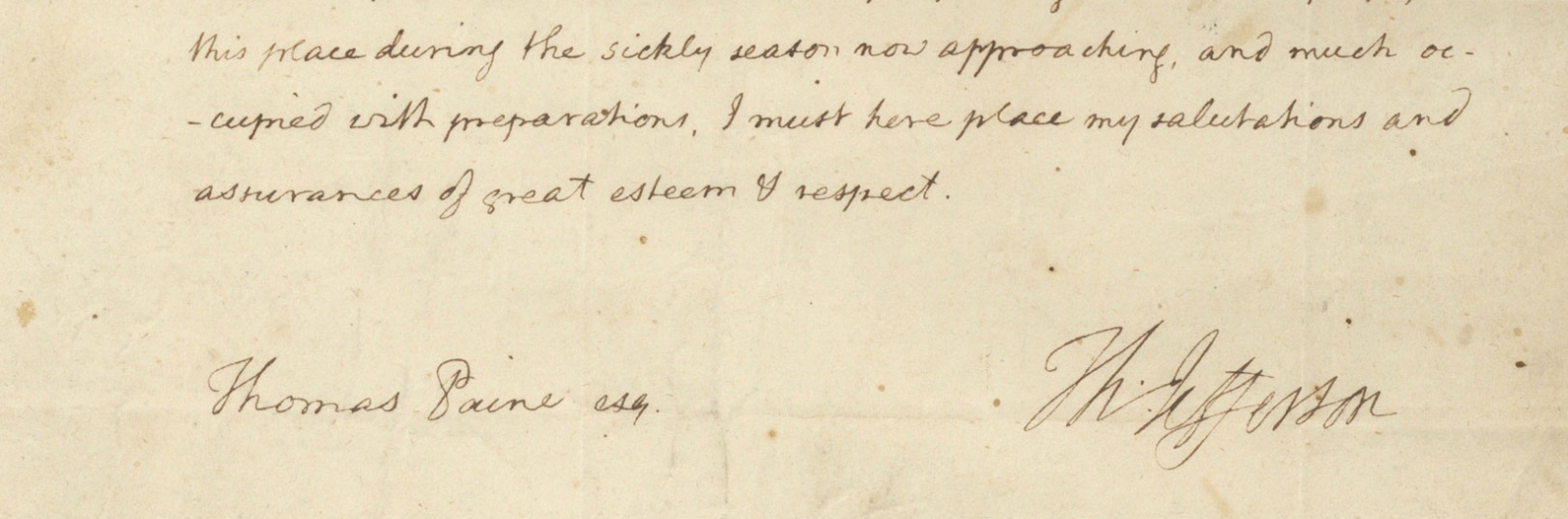
This is Jefferson’s final letter to Paine; His farewell words: He must “absent myself from this place during the sickly...


Jefferson on his embargo and Paine’s assessment of it: “Your ideas expressed in the latter part of your letter are undoubtedly correct…As yet we have reaped no fruits from our endeavors.”
This is Jefferson’s final letter to Paine; His farewell words: He must “absent myself from this place during the sickly season now approaching, and much occupied with preparations, I must here place my salutations and assurances of great esteem & respect.”
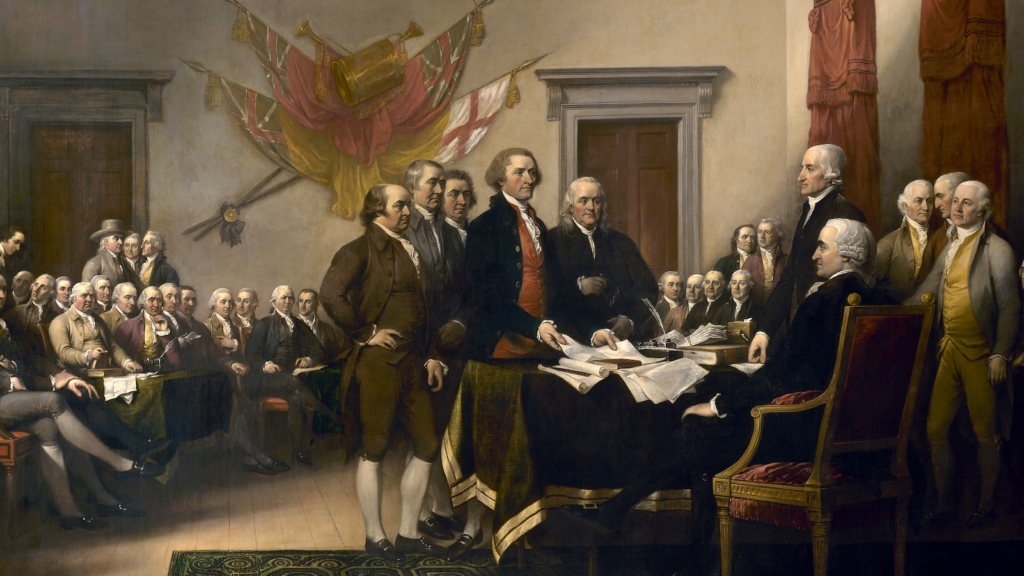
Thomas Jefferson and Thomas Paine had a warm friendship and mutual admiration. Both men were the towering philosophical figures of the American Revolution and champions of republican government. Paine’s pamphlet Common Sense was published in January 1776, just months before the Declaration of Independence was drafted in June/July of that year. It sold an enormous number of copies for the time and is widely credited with turning American public opinion decisively toward full independence from Britain. Thus, Paine’s pamphlet helped create the political consensus that made a declaration of independence possible. Jefferson personally admired Paine’s clear, forceful writing style and his commitment to liberty. They shared a deep skepticism of monarchy, aristocracy, and inherited privilege.
The two became close during the 1780s, when Jefferson was serving as U.S. minister to France and Paine was also spending time there. They corresponded, exchanged ideas, and Jefferson helped Paine with some practical matters (Paine was working on an iron bridge design, among other projects, and Jefferson took an interest in his engineering pursuits). Jefferson genuinely respected Paine’s intellect and revolutionary credentials.
Both men were enthusiastic supporters of the French Revolution, but this became politically dangerous territory back in the U.S. Paine’s second major work, The Rights of Man (1791), defended the French Revolution against critics like Edmund Burke, and Jefferson wrote a note that was published as an endorsement of Paine’s book, also appearing to attack John Adams and the Federalists. This caused a rift between Jefferson and Adams that lasted for years, and pulled Jefferson into the increasingly polarized partisan politics of the early republic, with Jefferson’s Democratic-Republicans generally sympathetic to Paine and the Federalists hostile to him.
Paine’s reputation cratered in America after he published The Age of Reason in 1794, a deist critique of organized religion and the Bible, which scandalized much of the public. He also spent time imprisoned in France during the Reign of Terror and grew embittered, at one point blaming George Washington for not doing more to secure his release, which alienated him from Washington and much of the American establishment.
When Jefferson became president in 1801, he stayed loyal to his old friend. He reached out and invited Paine, then largely a pariah, to return to the United States aboard a U.S. Navy ship, and Paine accepted the invitation in 1802. When Paine returned, the Second Great Awakening was in full swing, and his dismissal of organized religion became a liability. Meanwhile, he was also attacked by the Federalists for his ideas on government expressed in Common Sense, not to mention his support for the French Revolution and his friendship with Jefferson. Jefferson’s loyalty to Paine cost him politically, as opponents used his association with the now-unpopular Paine to attack him. Paine spent his final years in the U.S. in poverty and social isolation.
Finding little prospect for employment, in January 1808 Paine petitioned Congress for financial relief, but had heard nothing by July so he informed Jefferson of his efforts. According to Paine’s letter to Jefferson of July 8, 1808, his memorial to Congress was presented by George Clinton, Jr. who advised Paine that the Chairman of the Committee of Claims would only issue a report once they had received information from the President and Vice President. Paine’s letter then moved away from his petition to a more agreeable subject to him, namely “public affairs,” and offered a lengthy analysis of the effectiveness of Jefferson’s embargo activities relating to French and British imports, an effectiveness that he questioned.
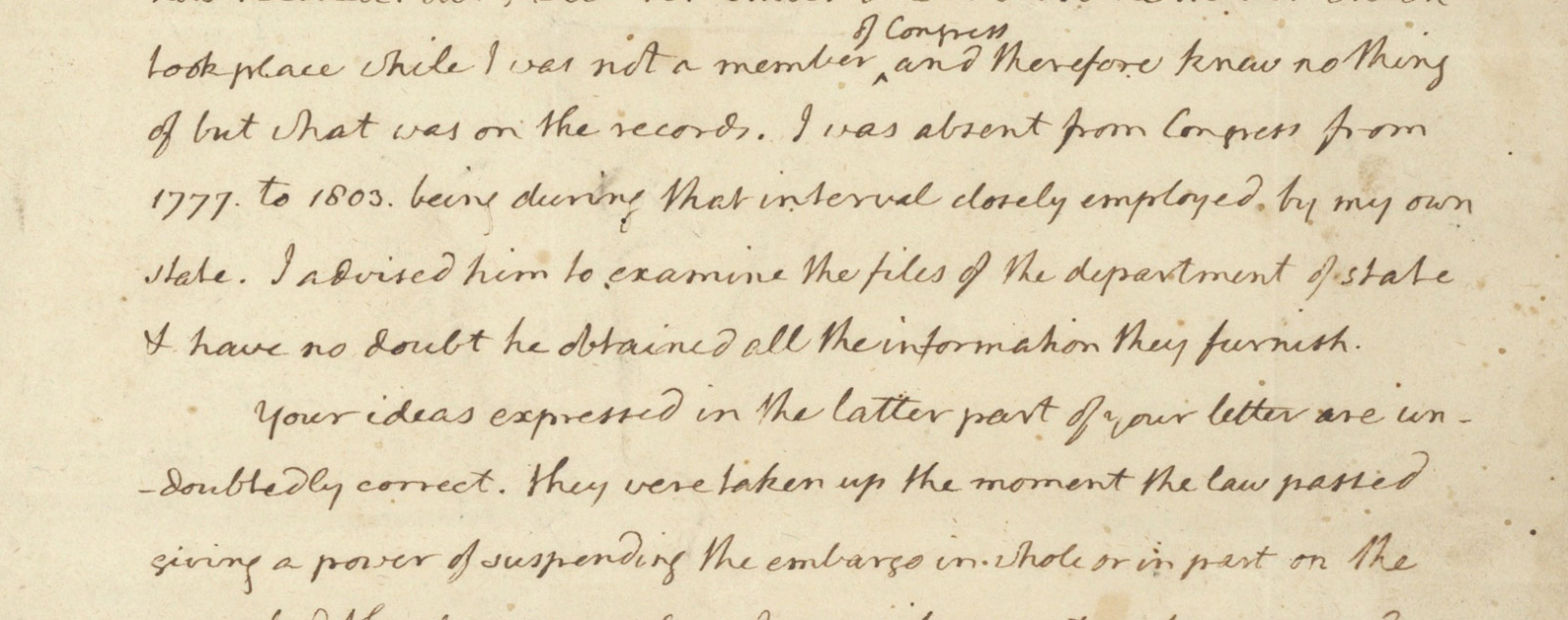
To this request for financial aid, Jefferson, who was feeling the heat from opponents of Paine and was wary of being too identified with Paine’s request, replied stating only that he was not a member of Congress at the time of Paine’s petition and only knew what was in the records. Jefferson also wrote that Paine’s ideas on the embargo were undoubtedly correct. He concluded the letter with a somewhat impersonal farewell. He would never write Paine again.
If Paine replied to Jefferson’s somewhat dismissive letter, it does not survive. His health already failing, Paine had left his farm in New Rochelle for lodgings on Tarleton Street (now Fulton Street) in lower Manhattan. He later moved to a house at 59 Grove Street in Greenwich Village where he died on June 8, 1809, less than a year after Jefferson wrote him this letter. His obituary in the New York Citizen concluded, “He had lived long, did some good and much harm.” Only six mourners attended his funeral.
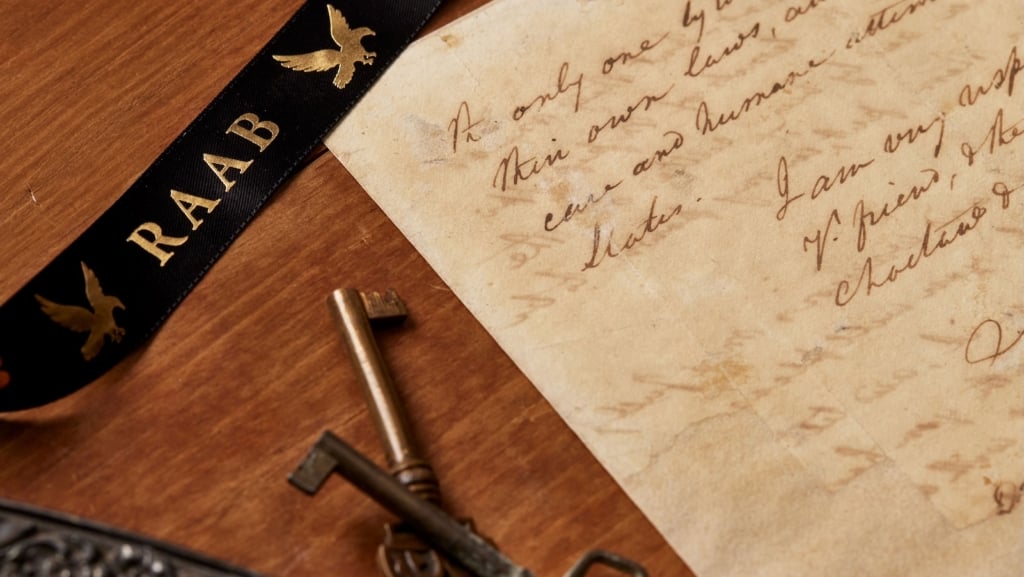
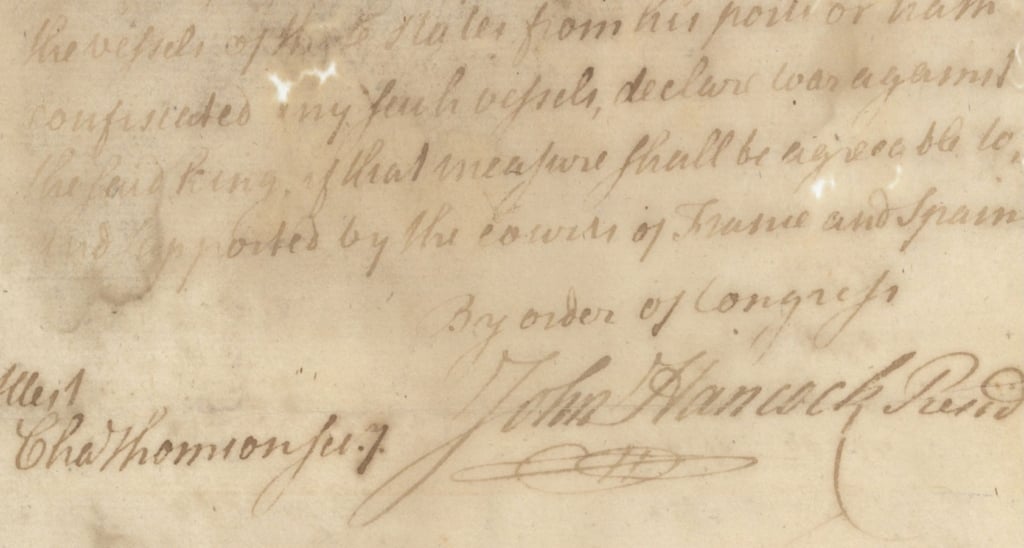
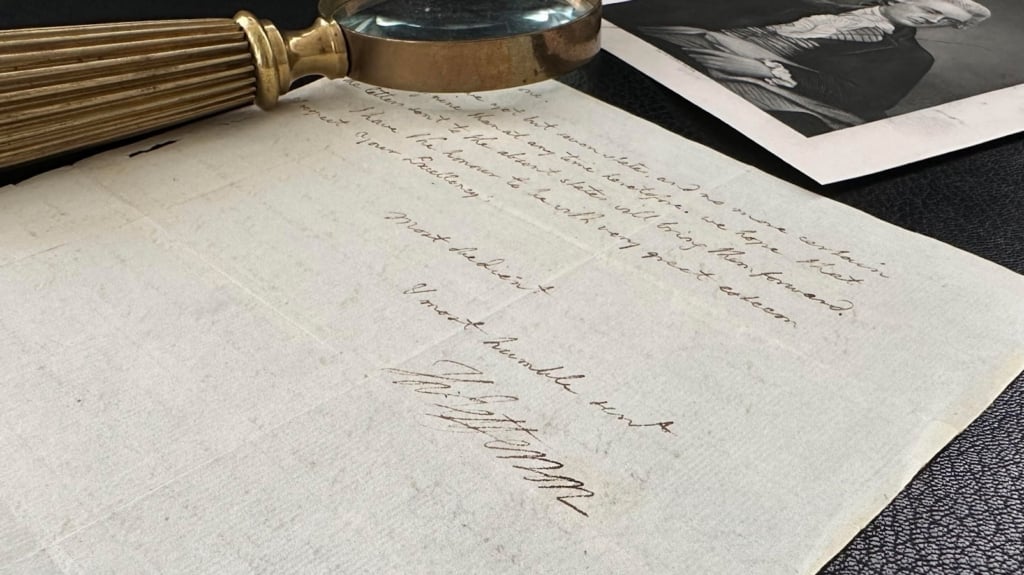
This is Jefferson’s final letter to Paine. Autograph letter signed, as President, Washington, July 17, 1808, to Paine, on Paine’s petition, the embargo and its effectiveness, and containing his farewell language. “Dear Sir, Your favor of the 8th. was received some days ago. Mr. Holmes did apply to me in the course of the late session for information respecting some application of yours, the particulars of which I do not now recollect. but I well remember it was on some matter which took place while I was not a member of Congress and therefore knew nothing of but what was on the records. I was absent from Congress from 1777. to 1803. being during that interval closely employed by my own state. I advised him to examine the files of the department of state & have no doubt he obtained all the information they furnish.
“Your ideas expressed in the latter part of your letter are undoubtedly correct. They were taken up the moment the law passed giving a power of suspending the embargo in whole or in part on the repeal of the decrees or orders of council. as yet we have reaped no fruits from our endeavors. proposing to absent myself from this place during the sickly season now approaching, and much occupied with preparations, I must here place my salutations and assurances of great esteem & respect. Th: Jefferson.”
An extraordinary letter linking the two most important philosophical figures of the Revolution: the authors of the Declaration of Independence and Common Sense. As such, it is unique.

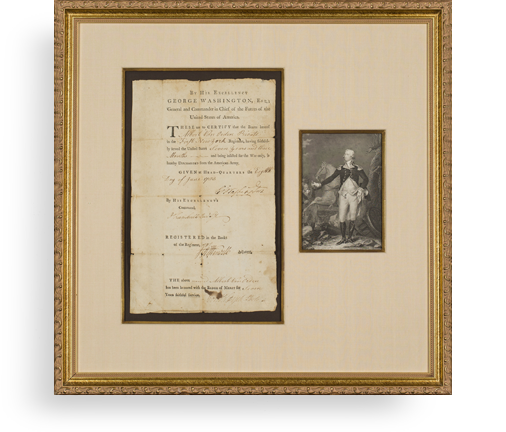
Frame, Display, Preserve
Each frame is custom constructed, using only proper museum archival materials. This includes:The finest frames, tailored to match the document you have chosen. These can period style, antiqued, gilded, wood, etc. Fabric mats, including silk and satin, as well as museum mat board with hand painted bevels. Attachment of the document to the matting to ensure its protection. This "hinging" is done according to archival standards. Protective "glass," or Tru Vue Optium Acrylic glazing, which is shatter resistant, 99% UV protective, and anti-reflective. You benefit from our decades of experience in designing and creating beautiful, compelling, and protective framed historical documents.
Learn more about our Framing Services
