






Thomas Jefferson Anxiously Awaits Enough States to Be Present in Congress to Ratify the Treaty of Paris, Ending the American Revolution
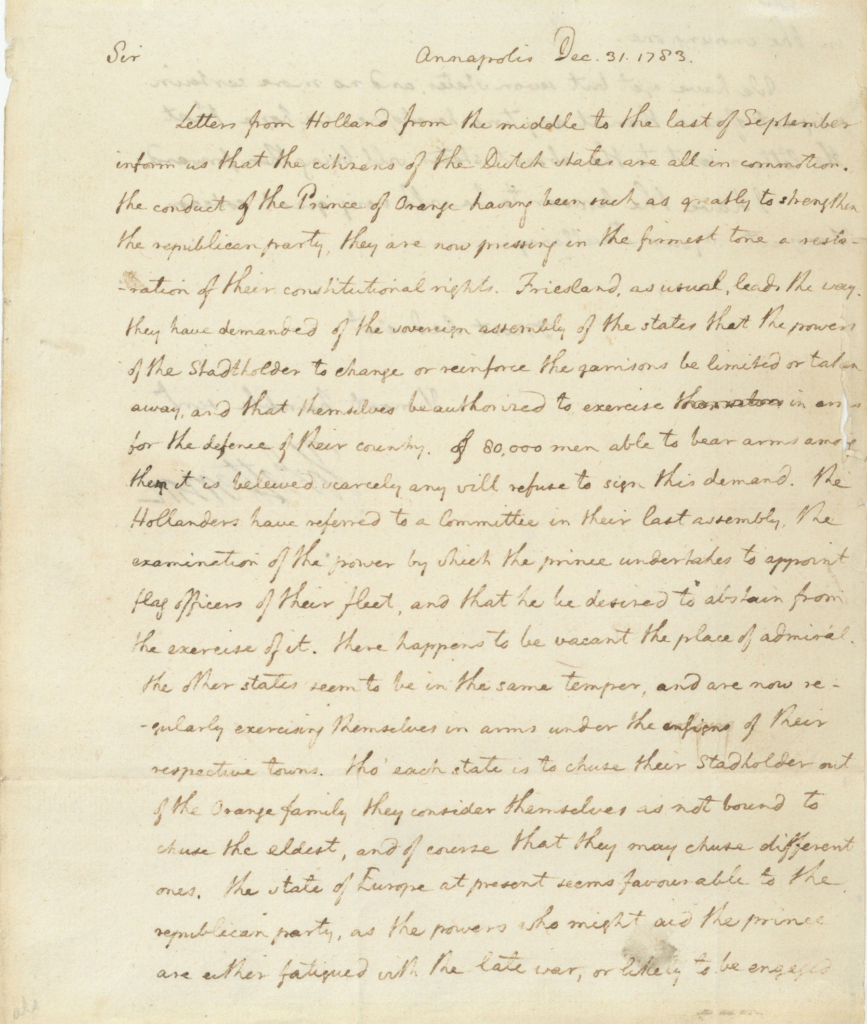


He rejoices watching the fire of democracy his Declaration of Independence helped spark spread globally: "The state of Europe at present seems favorable to the republican party"
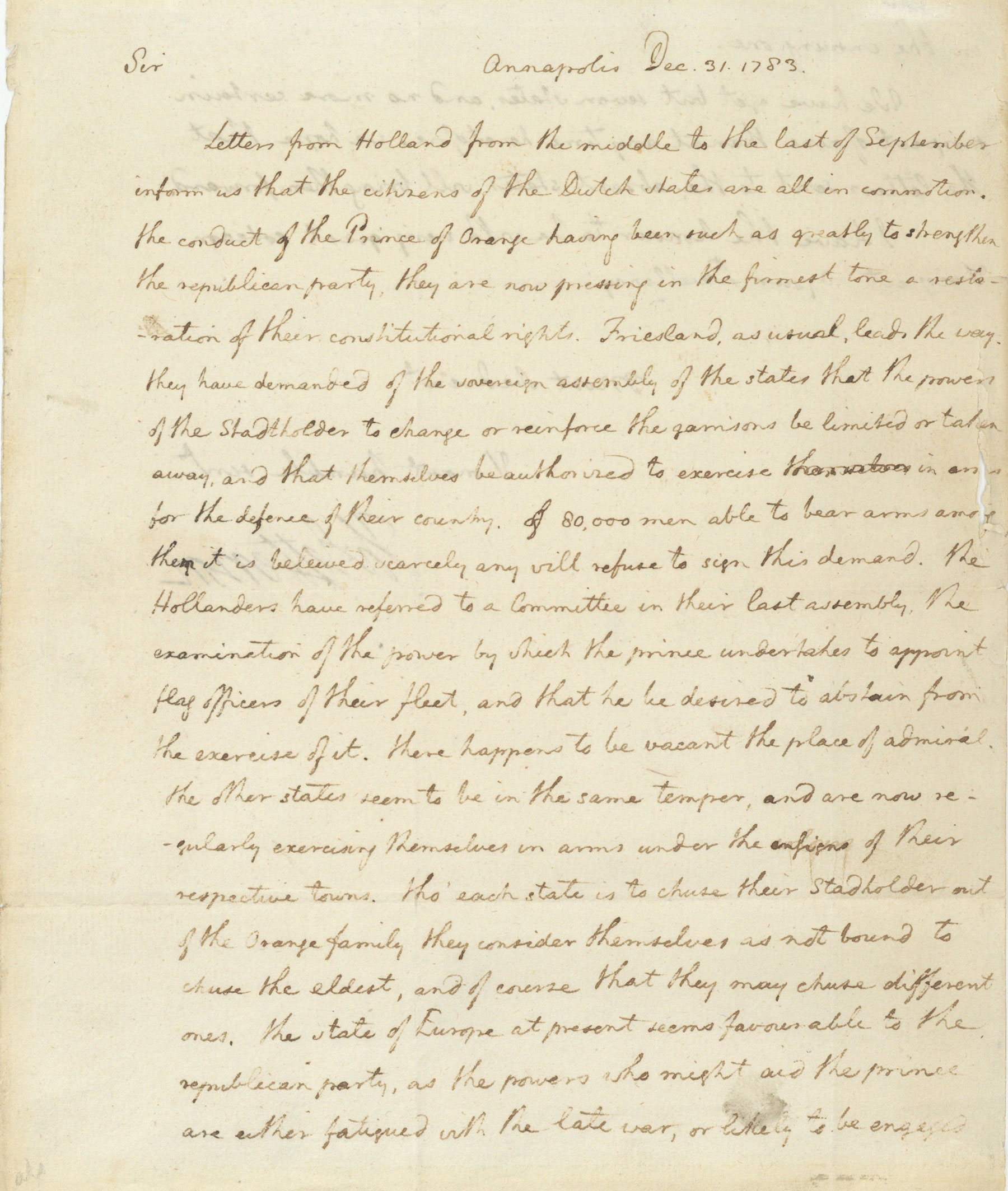
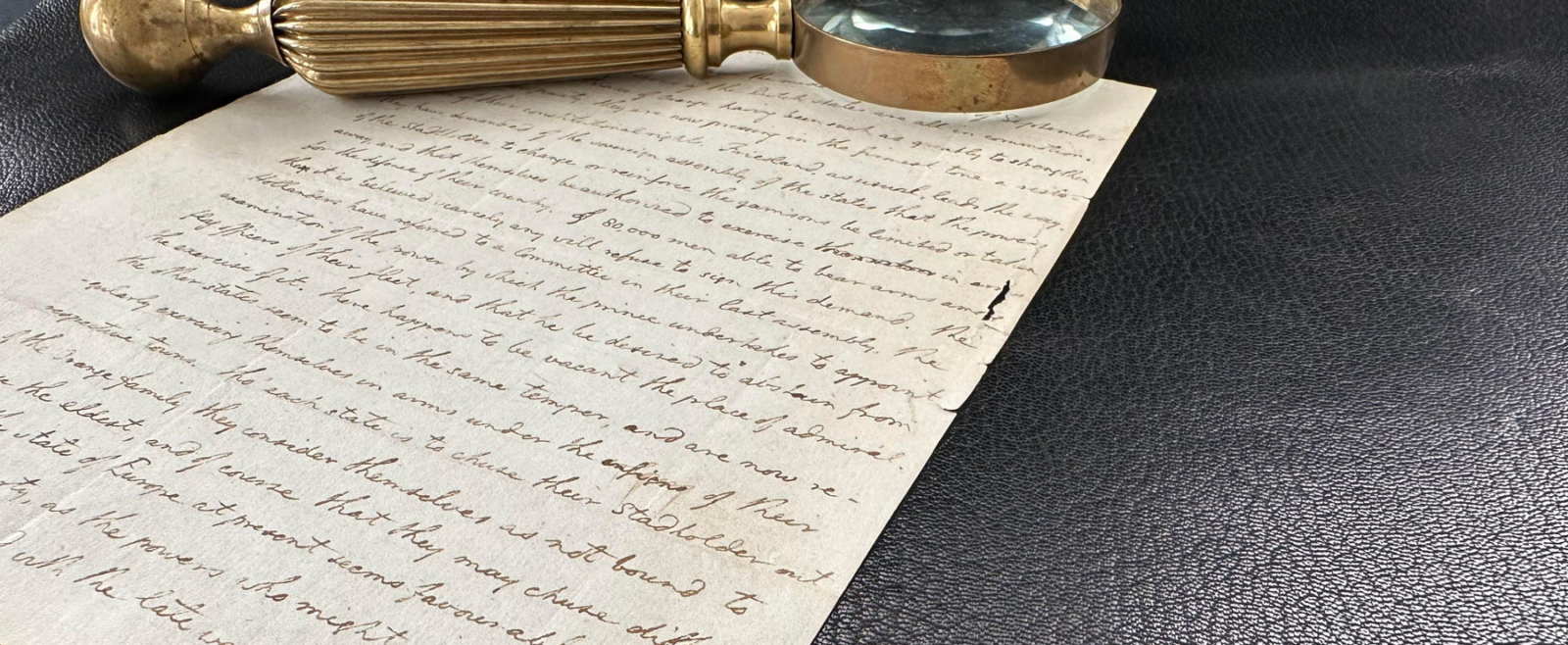
He repeats the spirit of 1775 and mentions the right to bear arms in a revolutionary cause, just as the American colonists did in 1775: the growing democrat movement demands to “exercise in arms for the defense of their country: of 80000 men able to bear arms among them it is believed...


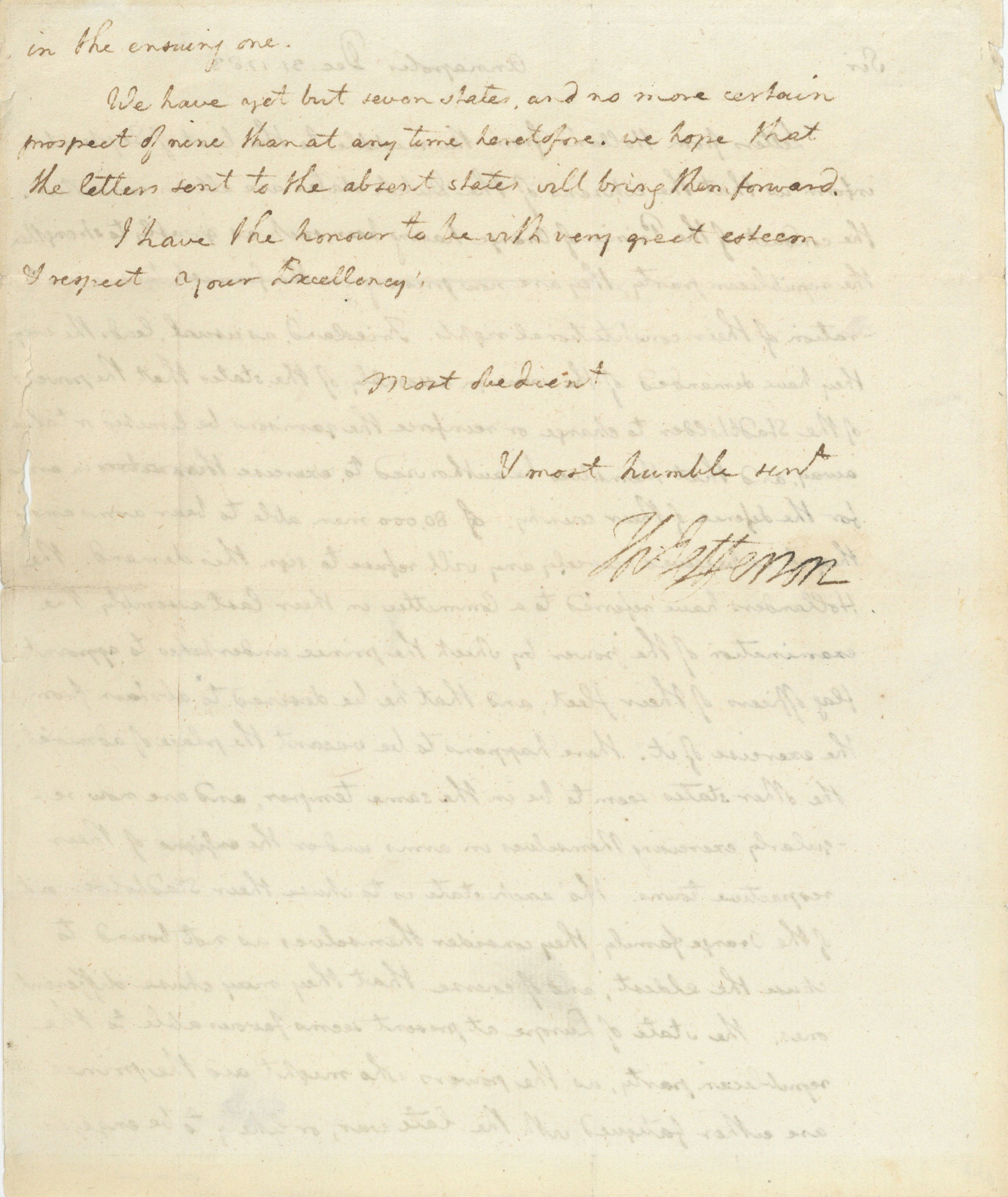
He repeats the spirit of 1775 and mentions the right to bear arms in a revolutionary cause, just as the American colonists did in 1775: the growing democrat movement demands to “exercise in arms for the defense of their country: of 80000 men able to bear arms among them it is believed scarcely any will refuse to sign this demand”
We are not aware of any letter having reached the market from a Signer (let alone author) of the Declaration Of Independence on the right of democratic citizens to bear arms and oppose autocracy
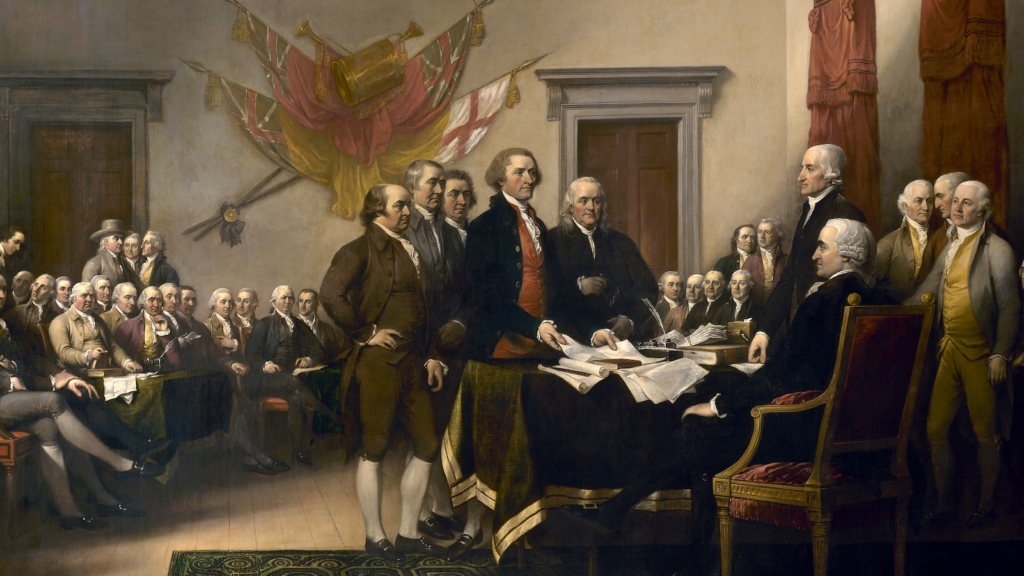
From one Signer of the Declaration of Independence to another, one having written the document and the other the first to read it aloud to delegates in the Continental Congress
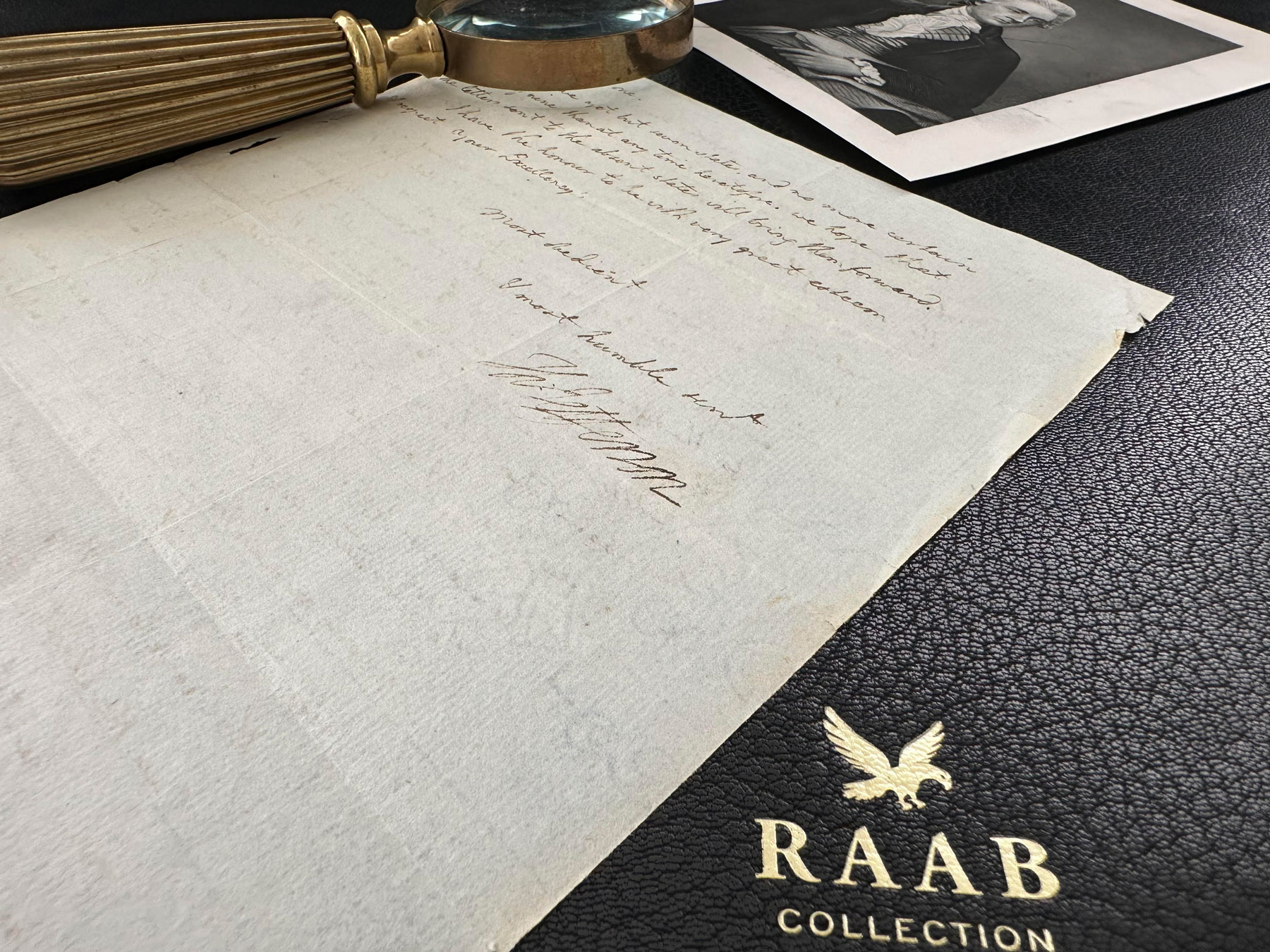
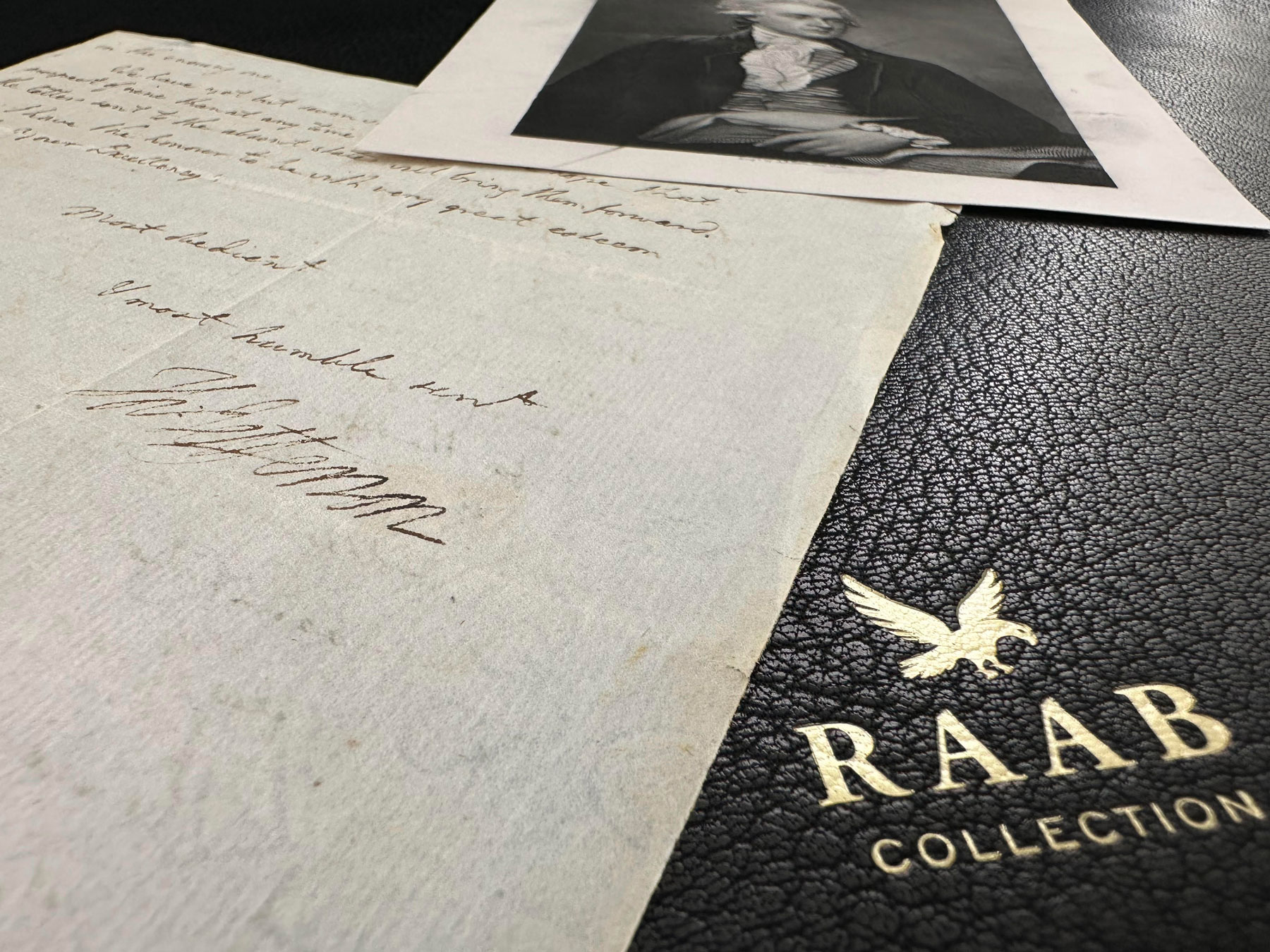
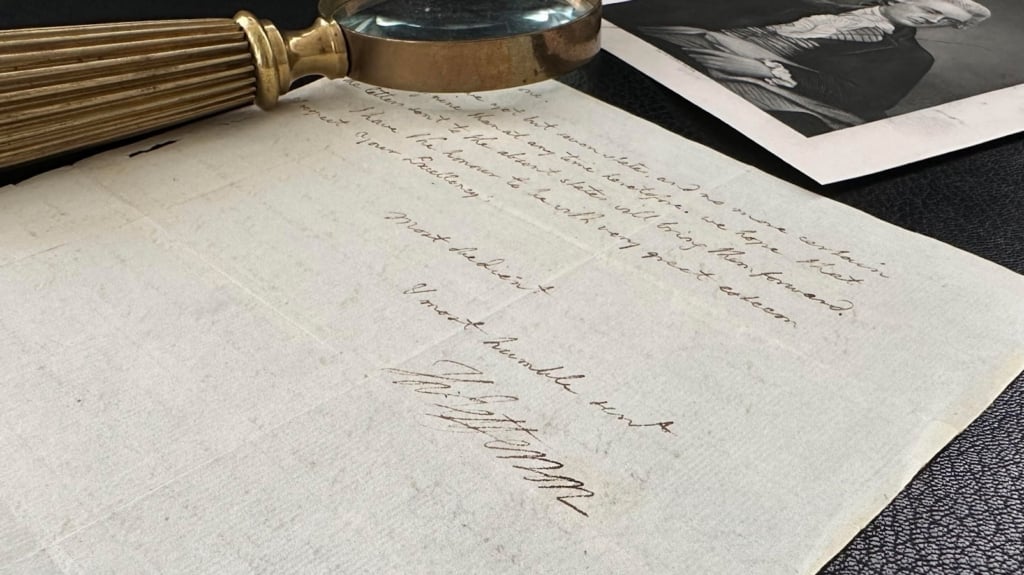
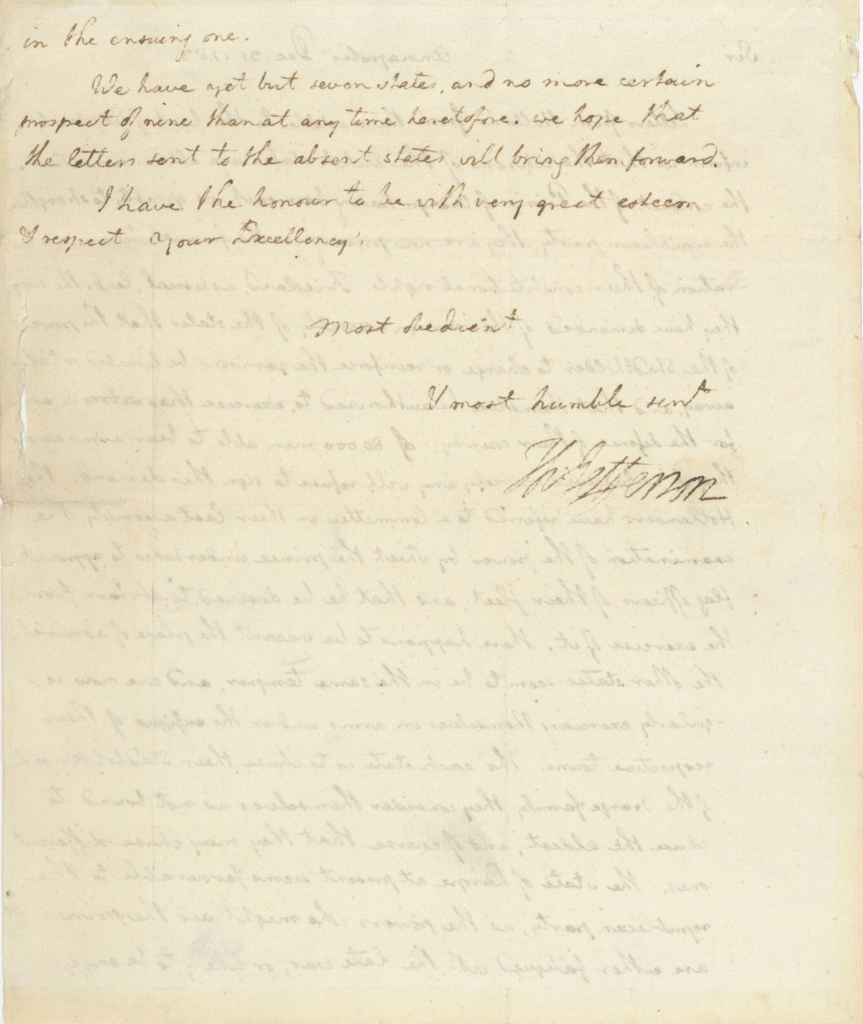
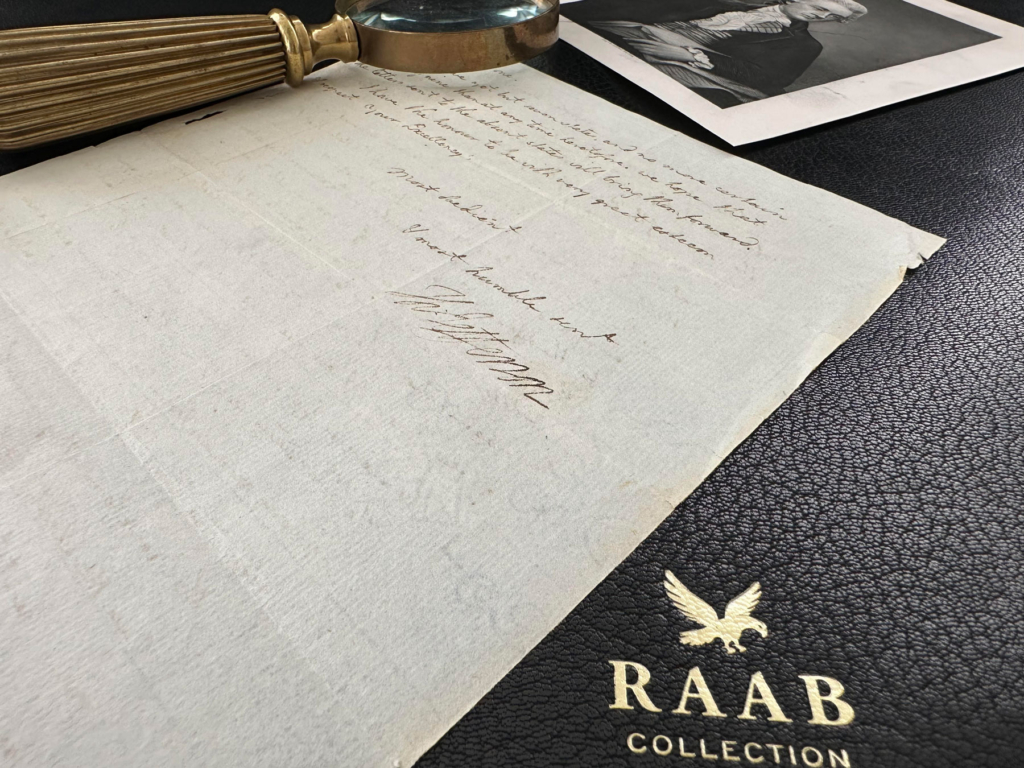
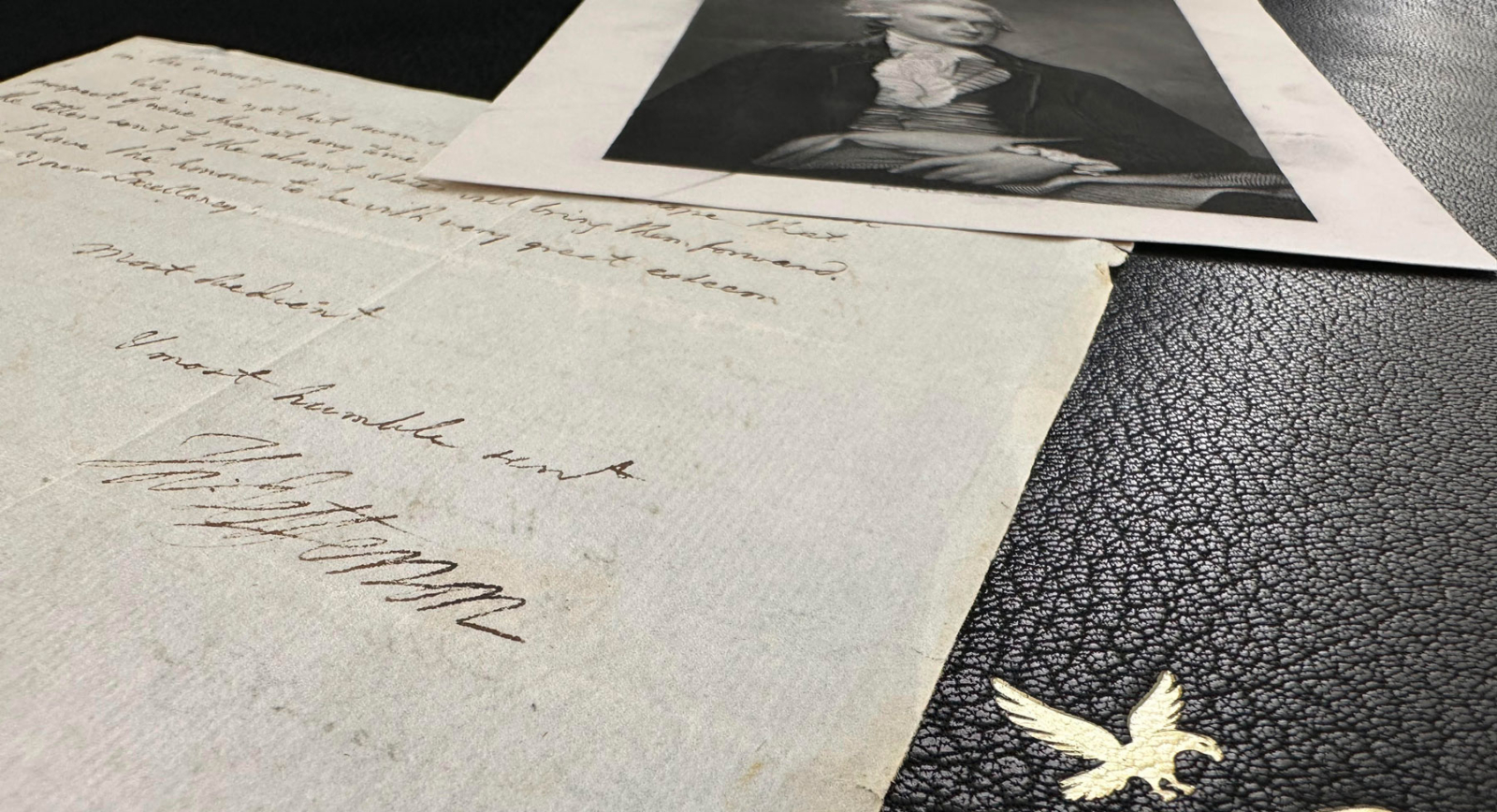
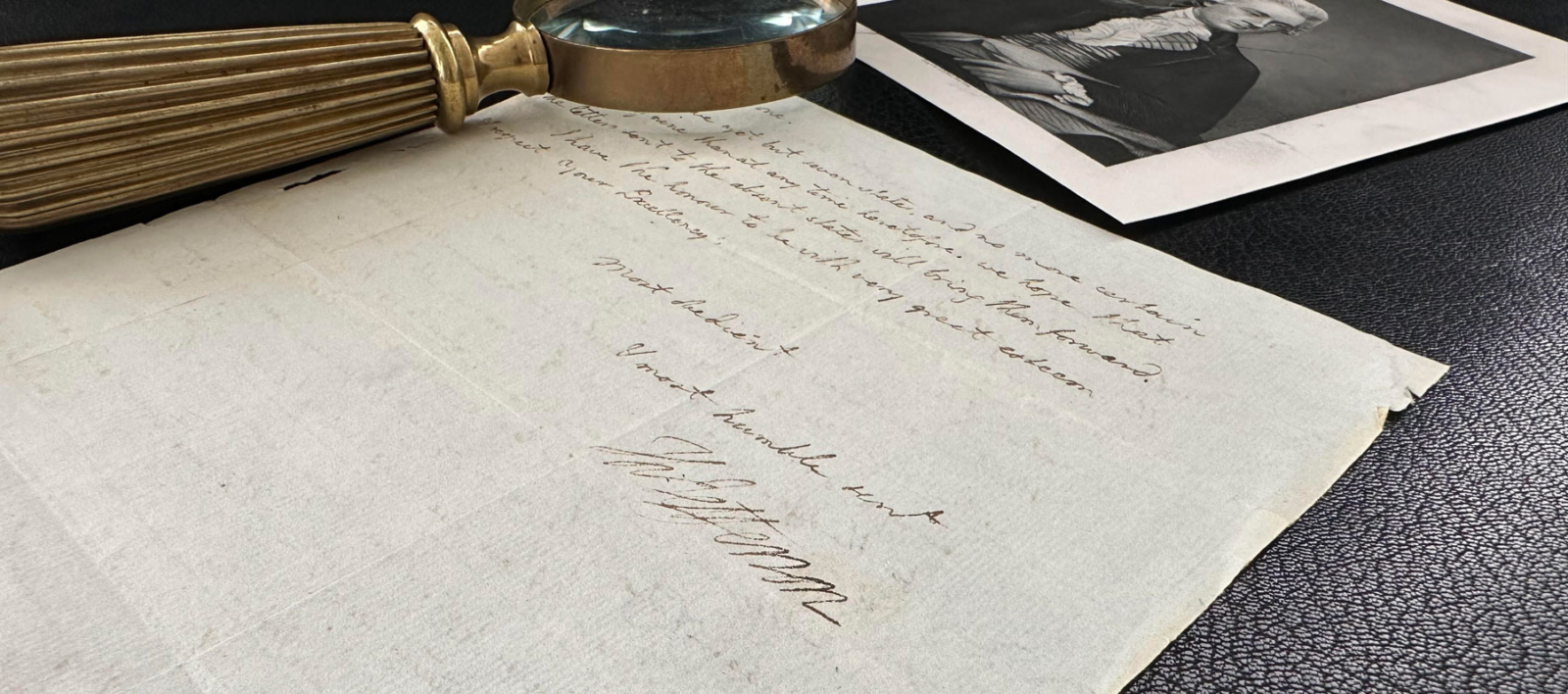
On ratifying the peace treaty with Britain: “We have yet but seven states, and no more certain prospects of nine than at any time heretofore. We hope that the letters sent to the absent states will bring them forward.”
This powerful letter was not known to have survived and the content is known only through a copy
Featured on the Inspired by History podcast
Thomas Jefferson strongly believed in the global spread of republicanism, seeing the American Revolution as the beginning of a movement towards republican governments worldwide. He envisioned the United States playing a leading role in fostering this movement. At the same time, he recognized the need to actively protect and promote republicanism within the U.S. against counter-revolutionary forces.
The American Revolution was actually a world conflict, involving not only the United States and Great Britain, but also France, Spain, and the Netherlands. The peace process brought the United States into the arena of international diplomacy, playing against the largest and most established powers on earth. The three American negotiators – John Adams, Benjamin Franklin, and John Jay – proved themselves ready for the world stage, achieving many of their objectives. They negotiated the Treaty of Paris, which was signed by delegates from the Unites States and Great Britain, as well as France and Spain, on September 3, 1783. Two crucial provisions of the treaty were British recognition of U.S. independence and the delineation of boundaries that would allow for American western expansion.
Congressional assent was required for the Treaty to take effect, and delegates were called to convene at the Maryland State House in Annapolis, then serving as the nation’s capital, in November 1783. The Treaty stipulated that Congress approve and return the document to Great Britain within six months of being signed. However, according to the Articles of Confederation, under which the American government was then operating, representatives from nine of the thirteen states were required to be present in order for Congress to proceed. Due to the severe winter of 1783-1784, and challenges in reaching Annapolis, representatives from only seven states were initially present at the Maryland State House.
Mindful of the nearly two months required to cross the Atlantic, Congress grew concerned that a sufficient number of delegates would not arrive in time to return the ratified treaty by March. This concern was high by the end of December, and in early January 1784, Congress began to consider voting on ratification with just the delegates already present. However, representatives from Connecticut (including Roger Sherman) and South Carolina (Richard Beresford) arrived in the nick of time, bringing the total states present to nine, the amount needed to hold a lawful vote. A quorum reached, Congress voted unanimously to ratify the Treaty of Paris. Congress then ordered that a proclamation be immediately issued, notifying the states that the Treaty had been signed and the Revolution was at an end.
The public service of Benjamin Harrison V began in the Virginia House of Burgesses in 1749. He continued there for about 25 years, sometimes as Speaker, until royal governor Dunmore dissolved the House in 1774. Harrison vehemently opposed the Stamp Act and helped pen the Colony’s protest. After dissolution of the Burgesses, Harrison was elected as a delegate to the First Continental Congress and was there on opening day, September 5, 1774. He chaired the early debates on the Articles of Association and signed them on October 20, 1774. When he first came to Philadelphia, Harrison roomed with his cousins Peyton Randolph and George Washington. Benjamin Harrison was highly regarded in Congress, and was frequently appointed Chairman of the Whole from March 1776 to August, 1777. He remained in Congress until 1778.
On the important date of June 7, 1776, Benjamin Harrison was chosen to introduce fellow Virginian Richard Henry Lee, who introduced the resolution calling for independence from Great Britain. Harrison was selected to read Thomas Jefferson’s draft of the Declaration of Independence to the assembled delegates on July 1, and served as Chairman during the debate over independence on July 2. He then signed the Declaration Of Independence. He also worked closely with General Washington as part of the Marine and War and Ordinances Committees in planning the American army. During the war, he also took care of matters at home by serving as a lieutenant in the county militia, and took the job of chief magistrate as well.
After the war, Harrison remained active in Virginia politics as a member of the House of Delegates, which chose him to be its speaker. When his second- cousin Thomas Nelson, Jr., resigned from the governorship in 1781, Harrison was elected governor of Virginia and was re-elected twice. He was instrumental in shaping the U.S. Constitution as a member of the Virginia Ratification Convention in 1788, and he voted in favor of the Constitution and helped secure Virginia’s ratification in a close vote. He sat on the committee that recommended rights to be included in what became the Bill of Rights.
In the 1780s, the Netherlands was technically a republic but it had a complex political system. The federal government, the States-General, was located in The Hague and consisted of representatives from each of the seven provinces. Though it was not a monarchy, there was an office – the Stadtholder – which had significant power, including key civil and military leadership positions. The stadholder post was often held by a member of the House of Orange-Nassau. While theoretically subordinate to the provincial states, the Stadtholder’s position gradually became hereditary, making them effectively the head of state.
This rise in the Stadtholder’s power led to tension and conflict between factions: Republicans (known as the Patriot Movement) favored a strong States-General and limited Stadtholder power, while the Orangists favored a powerful stadtholder. It was a period marked by political instability. The Patriot Movement was inspired by Enlightenment ideals, and sought a more democratic government. There was unrest, with armed civilians taking over some cities and regions.
Affecting and encouraging the Patriot Movement was the newly-secured independence of the United States and the downfall of monarchy there. The Netherlands had been the second country to officially recognize the United States as an independent nation. This occurred on April 19, 1782, when the States General of the Dutch Republic accepted John Adams as the Minister of the United States. The Netherlands also signed the first Treaty of Amity and Commerce with the U.S. on October 8, 1782. So at the end of 1783, the Treaty of Paris was signed and the Patriot Movement was in full swing.
In 1775, The Massachusetts Provincial Congress approved the creation of a three‐man committee of safety to begin buying military supplies, and it called on every county to enlist one‐third of its men between 16 and 60 in special companies and regiments “ready to act at a minute’s warning.” Every town was urged to make sure that these minutemen had “an effective firearm, bayonet, pouch, knapsack, 30 rounds of cartridges and balls and that they be disciplined [trained] three times a week, and oftener as opportunity may offer.” By the opening months of 1775, some 15,000 minutemen were obeying the Provincial Congress’s call to drill three times a week. They were not an army, but they were the next best thing to one. A remarkably high percentage of their officers were veterans of the French wars.
The more the minutemen drilled, the more aggressive they became. And when these countrymen were notified of the arrival of the British ahead of Lexington and Concord, they banded together in these quickly formed groups to oppose them. Their actions inspired patriotism and led to the so-called Spirit of 1775: a patriotic group of citizens rising to fight off the invading British.
The Second Amendment was proposed by James Madison. It was part of the Bill of Rights, which were introduced in the first session of the U.S. Congress in 1789. Madison drafted the amendment to address concerns about the power of a standing federal army and to ensure the existence of state militias. A version of the Virginia Bill of Rights, drafted by Thomas Jefferson, did mention the right to bear arms. Specifically, his first draft included the phrase, “No freeman shall ever be debarred the use of arms.” This clause, however, was later modified in the final version adopted by the Virginia legislature.
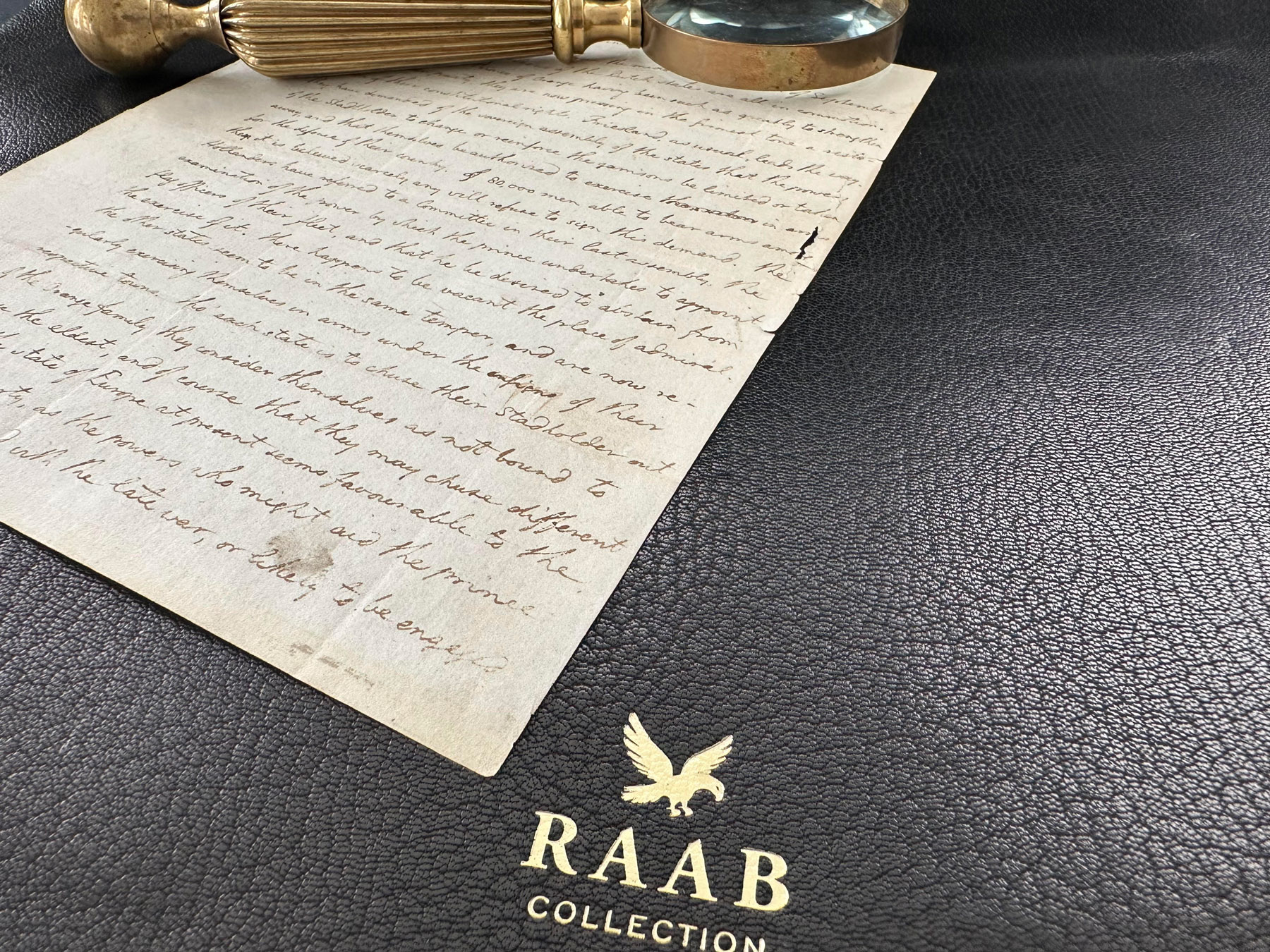
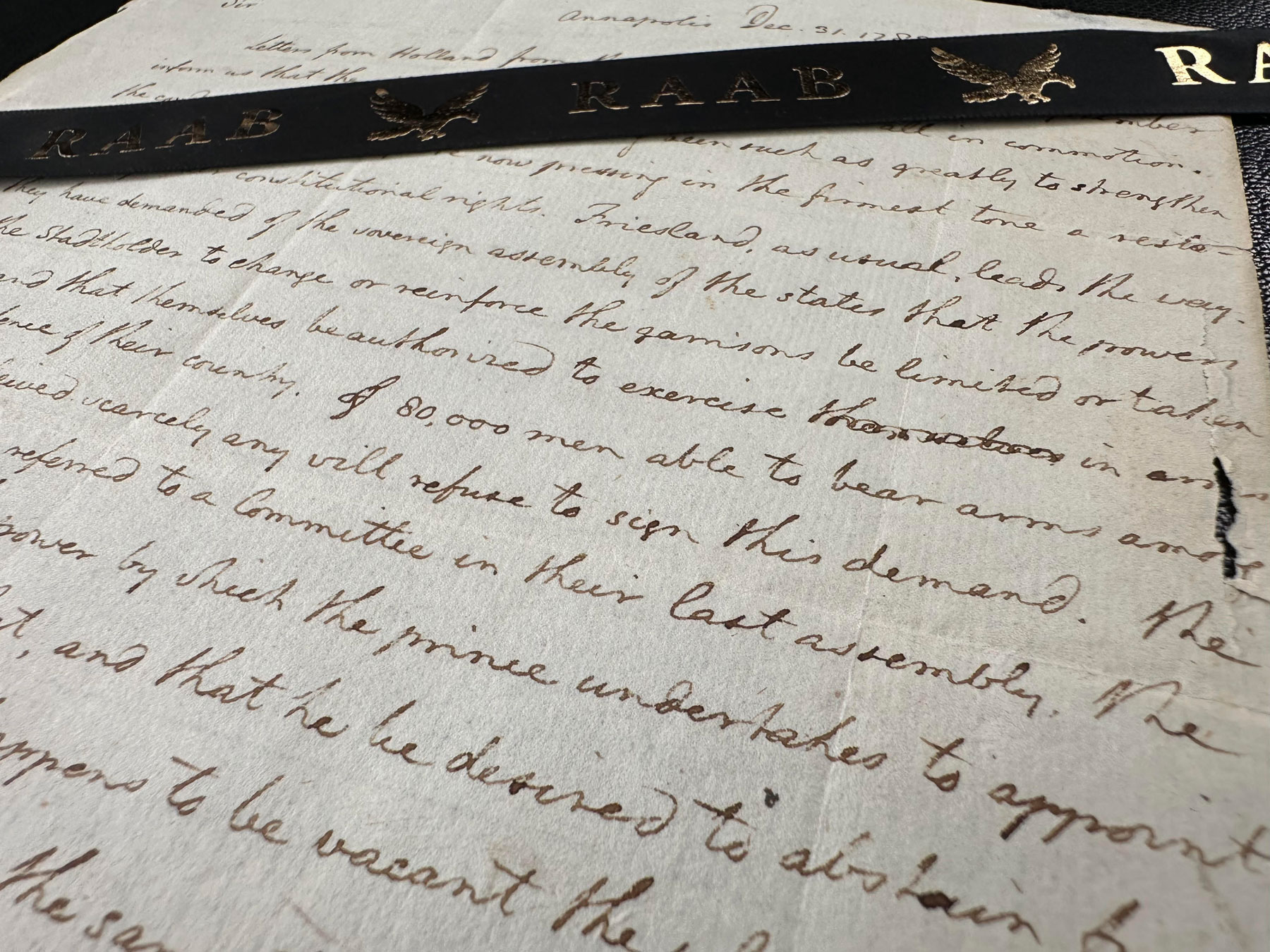
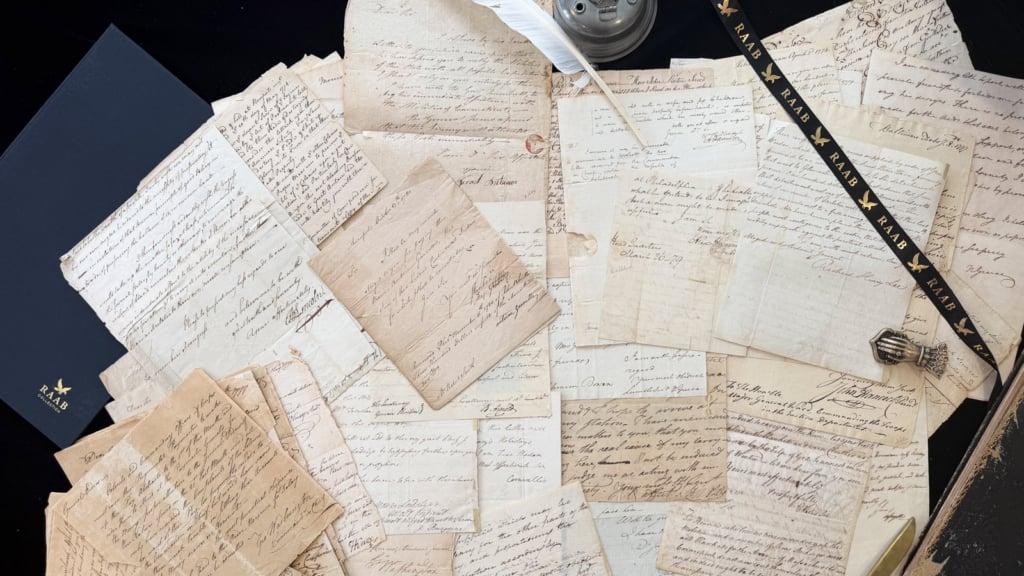
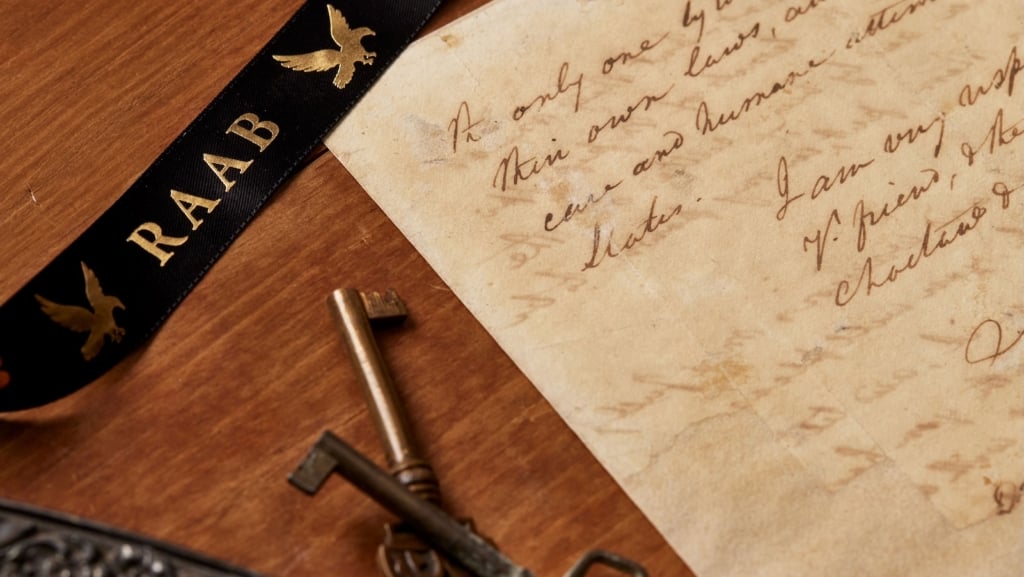
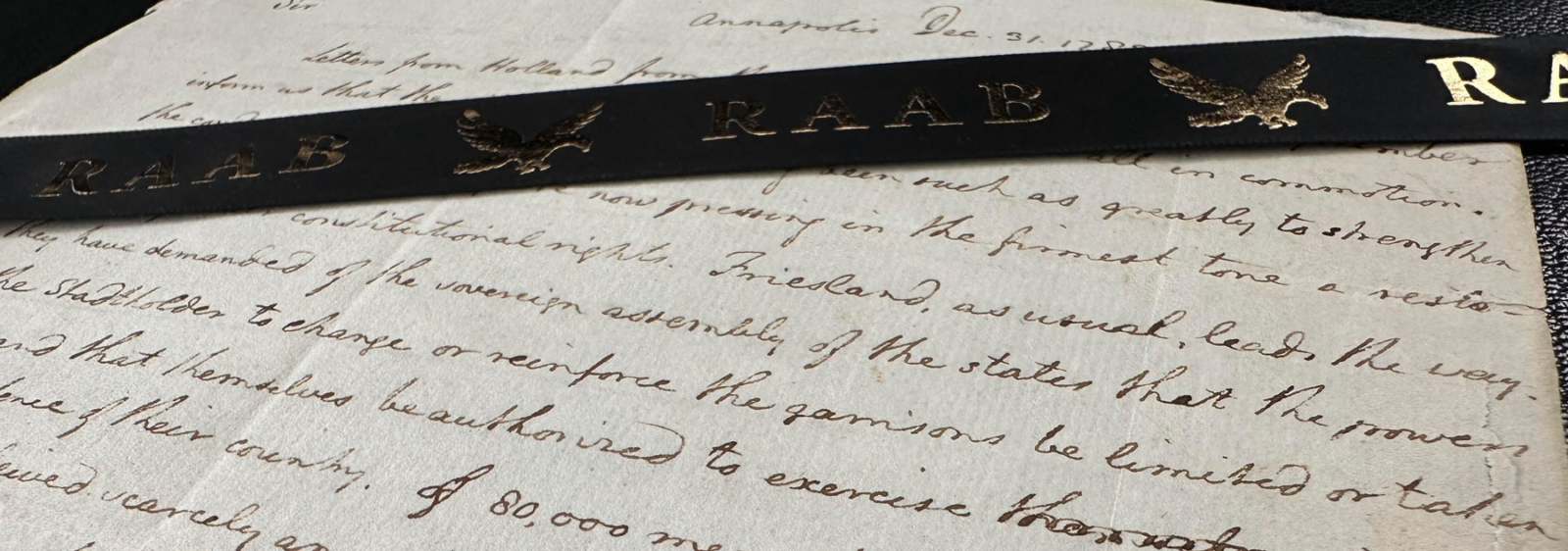
Autograph letter signed, Annapolis, December 31, 1783, to Benjamin Harrison V, governor of Virginia and Signer of the Declaration Of Independence, reporting approvingly on the activities of the Patriot Movement in the Netherlands and the taking up of arms by the citizens there, and hoping for a quorum of states to ratify the Treaty of Paris. Jefferson was at this time a delegate to the Confederation Congress. “Letters from Holland from the middle to the last of September inform us that the citizens of the Dutch states are all in commotion. The conduct of the Prince of Orange having been such as greatly to strengthen the republican party, they are now pressing in the firmest tone a restoration of their constitutional rights. Friesland, as usual, leads the way. They have demanded of the sovereign assembly of the states that the power of the Stadtholder to change or reinforce the garrisons be limited or taken away, and that they themselves be authorized to exercise in arms for the defense of their country: of 80000 men able to bear arms among them it is believed scarcely any will refuse to sign this demand. The Hollanders have referred to a Committee in their last assembly the examination of the power by which the prince undertakes to appoint flag officers of their fleet, and that he be desired to abstain from the exercise of it. There happens to be vacant the place of admiral. The other states seem to be in the same temper, and are now regularly exercising themselves in arms under the ensigns of their respective towns. Tho each state is to choose their Stadtholder out of the Orange family they consider themselves not bound to choose the eldest, and of course that they may choose different ones. The state of Europe at present seems favorable to the republican party, as the powers who might aid the prince are either fatigued with the late war, or likely to be engaged in the ensuing one.
“We have yet but seven states, and no more certain prospects of nine than at any time heretofore. We hope that the letters sent to the absent states will bring them forward.” Mere days later, the delegates from Connecticut and South Carolina arrived, making a quorum to ratify the treaty.
Harrison responded to Jefferson’s letter on January 30, 1784, from the Virginia Council Chamber, assuring Jefferson that the signed treaty would arrive in Europe in time to meet the treaty deadline requirement. He also mentions some monies due Jefferson. “Yesterday’s post brought me your favors of the 31st. of last month and 17th. instant which are the only letters received from you for four weeks. The latter enclosing the ratification of the treaty gave me great pleasure as it removed many disagreeable apprehensions of consequences that might flow from its not reaching…by the stipulated time of exchange; if the packet can sail from New York at the expected time she will very probably be in port before the first of March as long passages are very uncommon at this Season of the year…My son Benjamin has offered to take the money the treasurer has for you and to give a bill for it on Philadelphia at ten days sight which you may be assured may be negotiated at Baltimore or perhaps in Annapolis. I have informed the treasurer of this and suppose he will accept the offer if he cannot find a better mode of doing it. If you and the other gentlemen in the delegation should approve of taking his bills in future at thirty days sight you may command them and I think it will be better than running a risk of being disappointed as you have hitherto been.” A few months later, Jefferson received funds in a bill of exchange drawn on Robert Morris.
A few months later Jefferson would become U.S. Minister Plenipotentiary for Negotiating Treaties of Amity and Commerce. In 1785 he would be named Minister to France.
A truly important Jefferson letter about a republican uprising in Europe and his hopes for ratification of the Treaty of Paris. This letter has long been a part of a private collection, last sold in the early 1980s. The original was not known to exist by scholars.

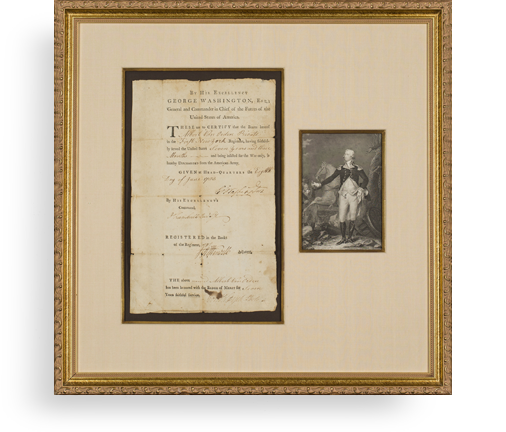
Frame, Display, Preserve
Each frame is custom constructed, using only proper museum archival materials. This includes:The finest frames, tailored to match the document you have chosen. These can period style, antiqued, gilded, wood, etc. Fabric mats, including silk and satin, as well as museum mat board with hand painted bevels. Attachment of the document to the matting to ensure its protection. This "hinging" is done according to archival standards. Protective "glass," or Tru Vue Optium Acrylic glazing, which is shatter resistant, 99% UV protective, and anti-reflective. You benefit from our decades of experience in designing and creating beautiful, compelling, and protective framed historical documents.
Learn more about our Framing Services