






A Battle Order of General George Washington, Informing One of His Commanders of Lord Stirling’s Imminent Raid on Staten Island, Ordering Him to Participate and Provide Surveillance of the British, and to Report to Stirling if the British Send Reinforcements to Disrupt the Raid
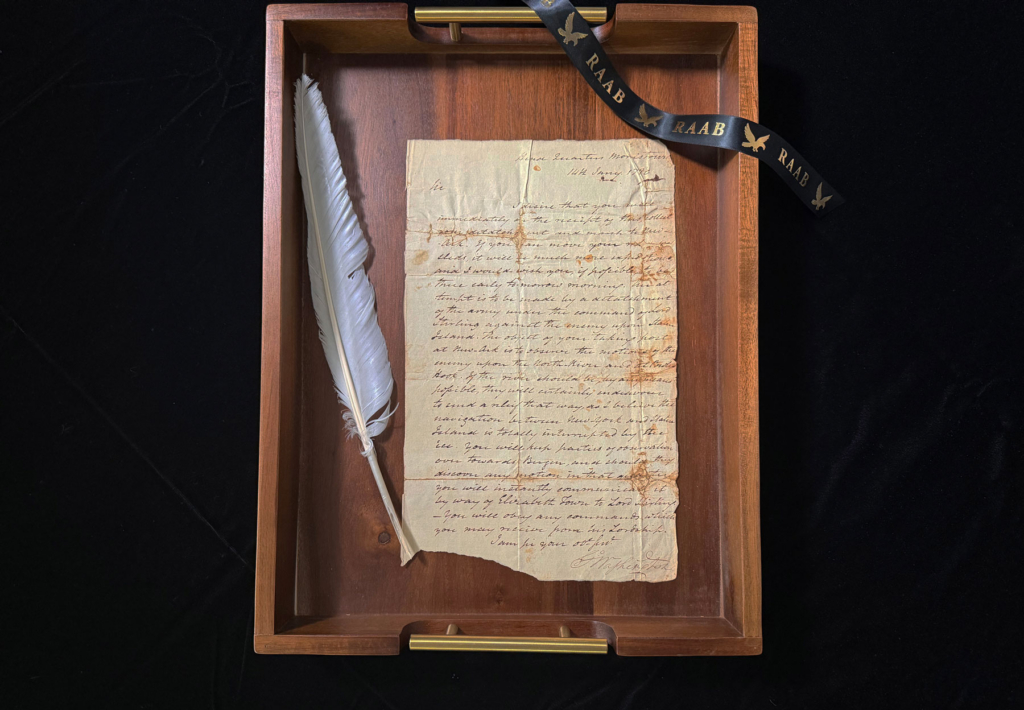
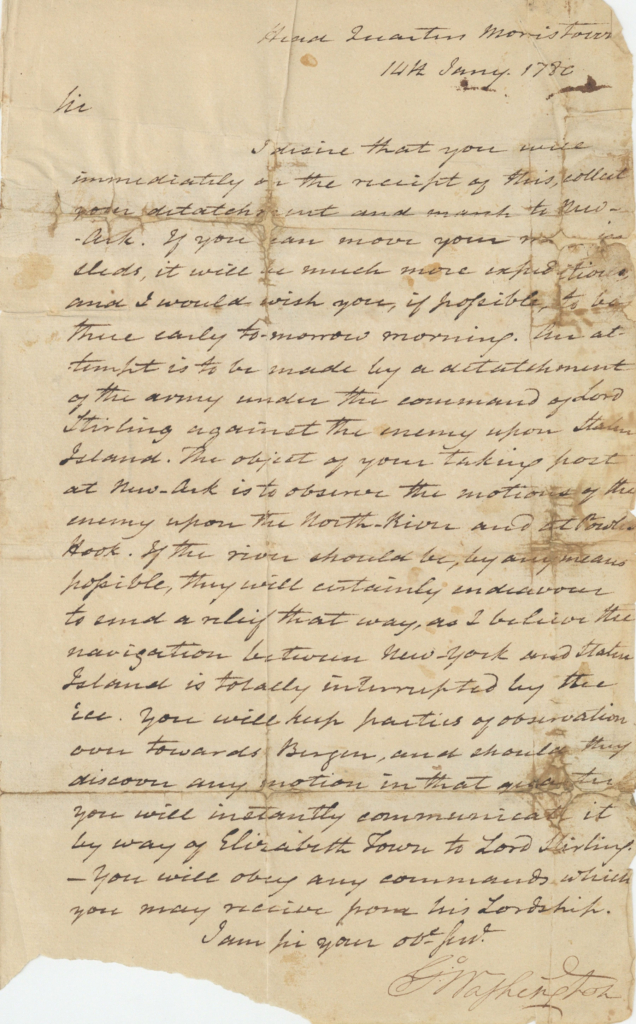

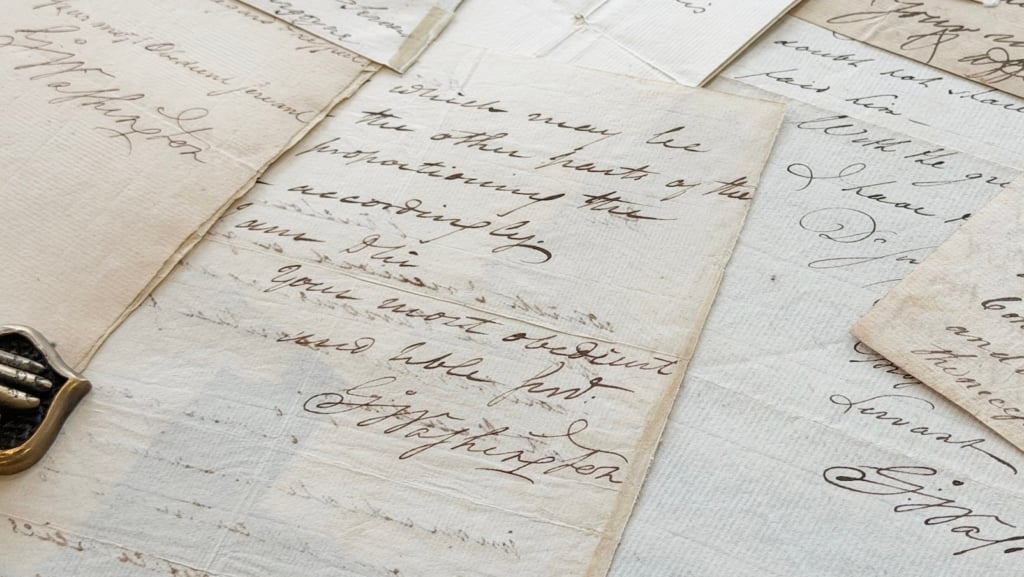
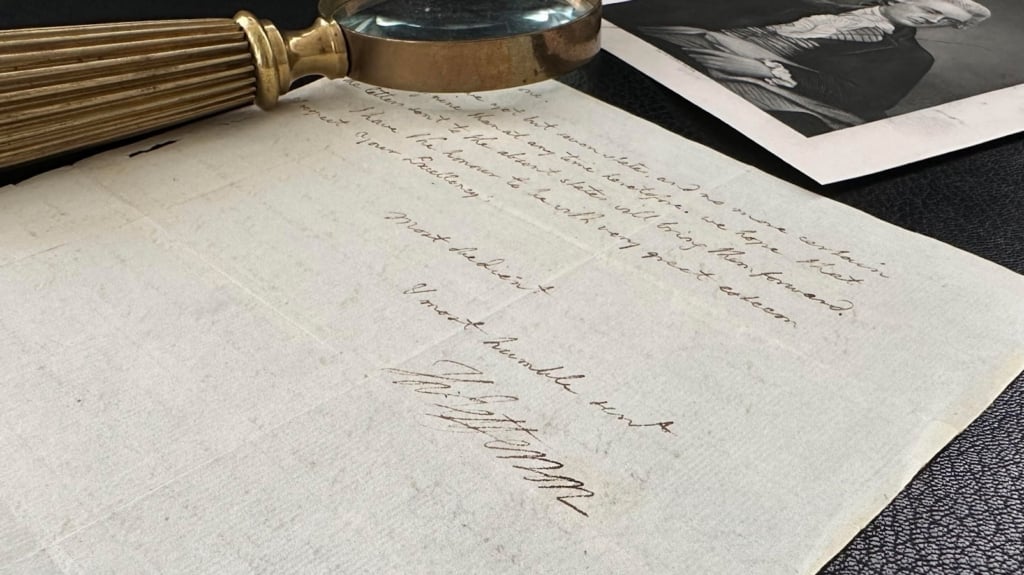
Washington writes Lt. Col. William De Hart: “An attempt is to be made by a detachment of the army under the command of Lord Stirling against the enemy upon Staten Island. The object of your taking post at Newark is to observe the motions of the enemy…You will keep parties of observation over towards Bergen, and should they discover any motion in that quarter, you will instantly communicate it by way of Elizabeth Town to Lord Stirling.”
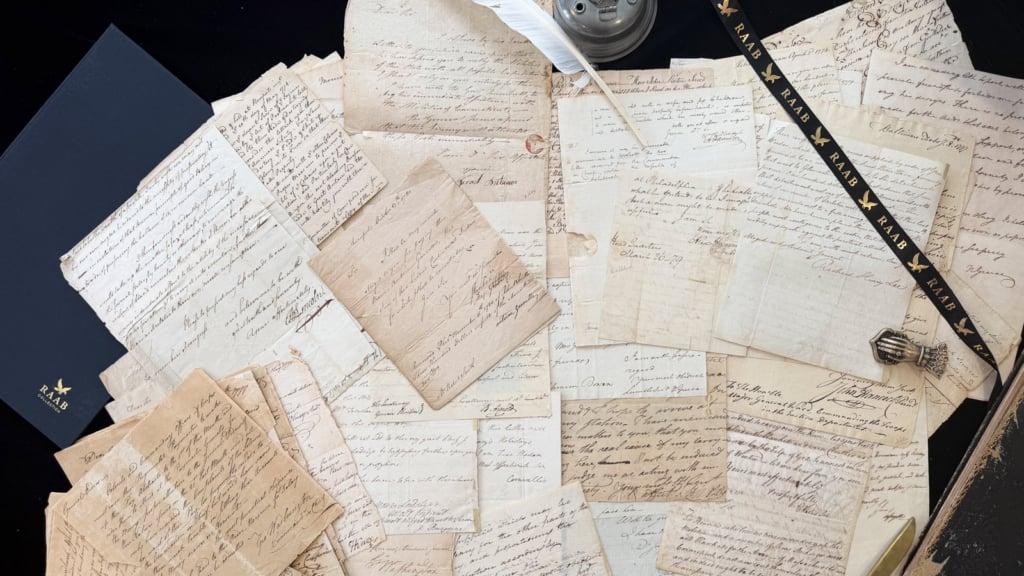
This letter has never before been offered for sale. De Hart himself gave it to a friend with whom he was then living, and it has remained in that family for over 200 years. We obtained it directly from the family descendants. This was for years on loan to Princeton Library.
...


This letter has never before been offered for sale. De Hart himself gave it to a friend with whom he was then living, and it has remained in that family for over 200 years. We obtained it directly from the family descendants. This was for years on loan to Princeton Library.
Hear more on the Inspired by History podcast
In January 1780, during the Revolutionary War’s “hard winter,” Staten Island was a British stronghold. It had been so since 1776, and moreover many of its inhabitants were Tories. The American forces were quartered in nearby New Jersey for the winter, but were suffering from the weather, and were poorly clothed, provisioned and armed. General George Washington planned an expedition against Staten Island, to be commanded by General Lord Stirling. Stirling’s raid became famous and was an important attempt to invade the island during that winter.
The American army, and Washington’s headquarters, were at Morristown, NJ, with the encampment extending into the hills nearby and for several miles into the country. Their canvas tents afforded but a miserable security from the rain, sleet and snow. On the 3rd of January came one of the most tremendous snow storms ever remembered. Some of their sheltering hovels and tents were blown down or torn to pieces, and the soldiers became exposed to the snow, which fell to a depth of from four to six feet. So obstructed were the roads as to prevent the usual receipt of supplies, and for ten days each man had but two pounds of meat and some were even entirely destitute. It was in these disheartening circumstances that the plan of invading Staten Island was conceived and set in operation.
General Stirling was dispatched on January 14 with a body of some 2,500 troops to attack the outposts of the enemy on Staten Island. They proceeded in hundreds of sleighs, and crossing the river on the ice at Elizabethtown point, took up their line of march toward the present site of Port Richmond. The bridge of ice was sufficient to allow the passage of any force across the waters, and it was supposed that the same obstruction would prevent the movement of reinforcements to the enemy by means of their shipping in the bay.
When a little east of Port Richmond the American column divided, part marching onward toward New Brighton, where the British post had been erected on the hills, and the other wing proceeding up Mill Lane in West New Brighton, and approached the mill which stood at the head of the pond. The night of the 14th, on which they made this long passage from camp to the designed scene of action, was a starry night, bright and clear, but so intensely cold that about one third of the men were more or less wounded by the biting frost. The intent was to surprise British commander Skinner’s brigade of new recruits, but it was soon discovered that the Americans’ designs had been anticipated by the enemy, warning having reached them through the offices of their Tory friends. The British retreated behind fortified positions. A surprise was now out of the question, and as the works of the enemy were well situated and apparently strong, it was deemed unadvisable to make an assault.
The troops spent the day of the 15th of January and the following night on the island, in snow waist deep, protecting themselves as well as they could from the inclement weather by making huge fires of the cordwood which they found piled up where they halted. Many Continental soldiers suffered severe frostbite, and several lost limbs or lives due to the extreme cold. The British during the day sent a boat to New York, which returned at evening with reinforcements, so the presumption that the British would not be able to get reinforcements proved untrue. On the morning of the 16th Stirling withdrew his detachment to Elizabethtown.
A British officer wrote, “They remained in this Situation till early in the Morning of the 16th, when they were observed retiring from Staten Island, without attempting any Thing; they burnt Decker’s House, and a very few small Vessels frozen in by the Ice at that Place. A small Detachment which harassed their Rear, made a few Prisoners; and several Deserters came to the different Posts during their Stay on the Island.”
Throughout 1780, Staten Island remained a critical, pro-British bastion and a base for raids against New Jersey. At the war’s end, the British evacuated Staten Island on December 5, 1783, following their departure from Manhattan on November 25.
William De Hart was a New Jersey lawyer who practiced there before the Revolution. He was appointed Major of the 1st New Jersey Regiment of the Continental Army on November 7, 1775, and promoted to Lt. Colonel on January 1, 1777. He served with Washington at Valley Forge, and when the army was in Morristown, he was commissioned to obtain and store a sufficient amount of ammunitions in his residence there. In September 1780 De Hart was named Lt. Colonel in the 2nd New Jersey Regiment. He resigned from service in November 1781, after the victory at Yorktown. The Society of the Cincinnati records state that during the war, he was also an Aide to General Washington. One of De Hart’s brothers was engaged in the service as aide to General Anthony Wayne, and fell at Fort Lee in 1780.
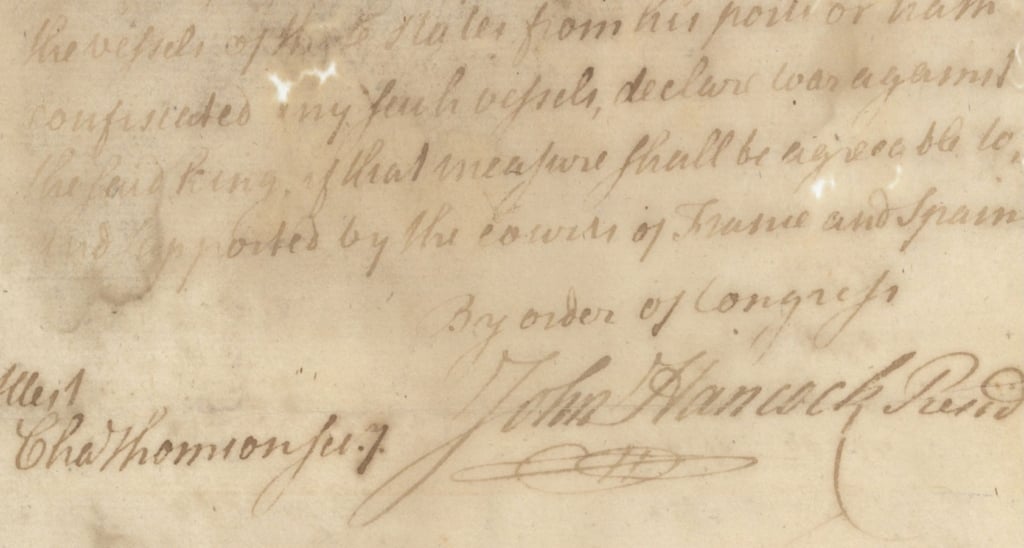
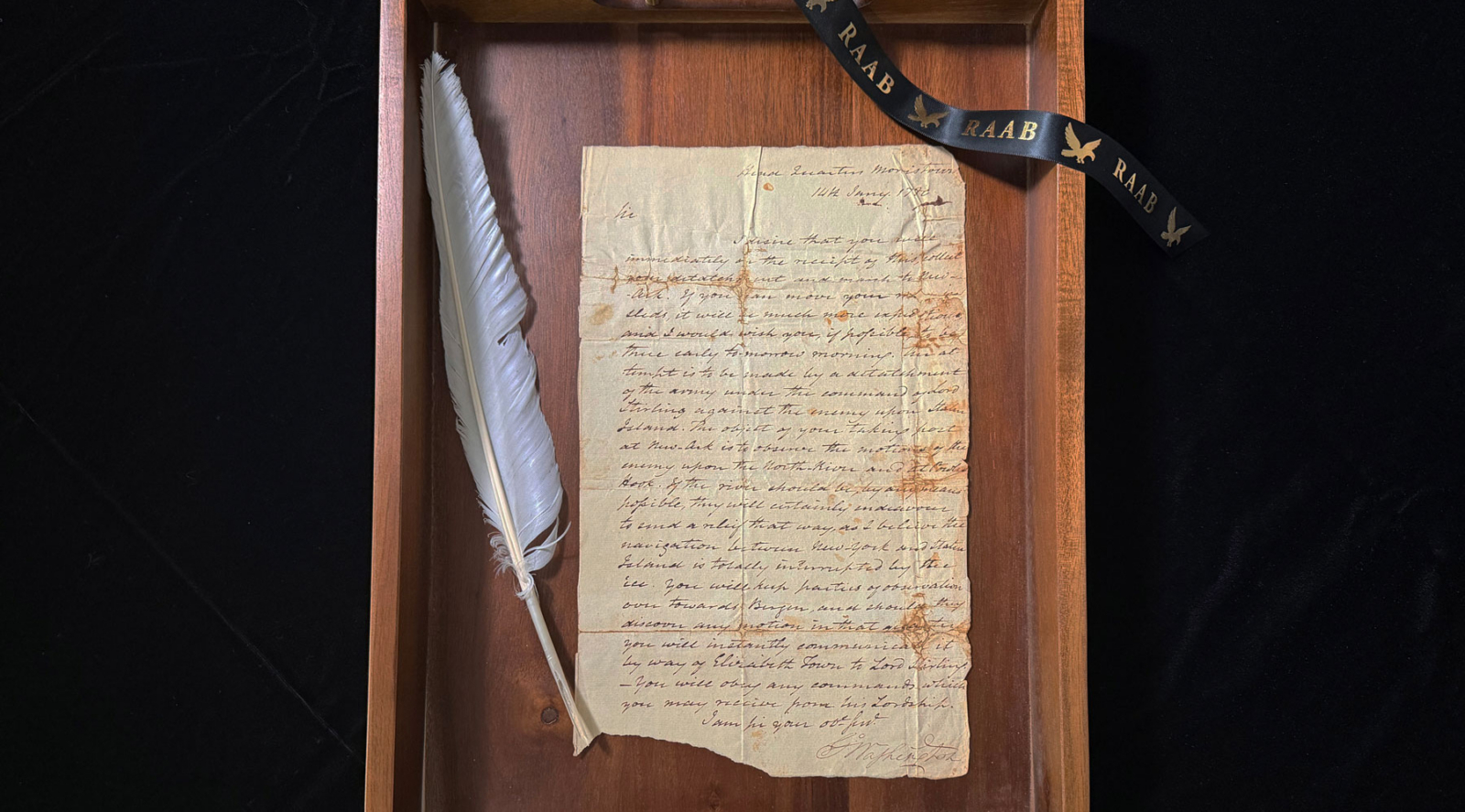
Letter signed by Washington, the text in the hand of his aide-de-camp James McHenry, Head Quarters at Morristown, January 14, 1780, to Lt. Colonel William De Hart, informing him of the Stirling raid, ordering him to participate and provide surveillance of the British, and to report to Stirling if the British send reinforcements to disrupt the raid. “Sir, I desire that you will immediately on the receipt of this, collect your detachment and march to Newark [New Jersey]. If you can move your men in sleds, it will be much more expeditious, and I would wish you, if possible, to be there early to-morrow morning. An attempt is to be made by a detachment of the army under the command of Lord Stirling against the enemy upon Staten Island. The object of your taking post at Newark is to observe the motions of the enemy upon the North-River and at Powles Hook. If the river should be by any means possible, they will certainly endeavour to send a relief that way, as I believe the navigation between New York and Staten Island is totally interrupted by the ice. You will keep parties of observation over towards Bergen, and should they discover any motion in that quarter, you will instantly communicate it by way of Elizabeth Town to Lord Stirling. You will obey any commands which you may receive from his Lordship. I am sir your obt. servt. Go: Washington.” Powle’s Hook is now called Paulus Hook. During the Revolution, it became a strategic British-controlled fort before being captured by American forces under “Light Horse” Harry Lee on August 19, 1779. Remnants of old tape on verso.
It is increasingly uncommon to find Washington’s letters giving detailed orders to commanders and relating to battles reach the market.
This letter has never before been offered for sale. De Hart himself gave it to a friend with whom he was then living, and it has remained in that family for over 200 years. We obtained it directly from the family descendants. This was for years on loan to Princeton Library.

Frame, Display, Preserve
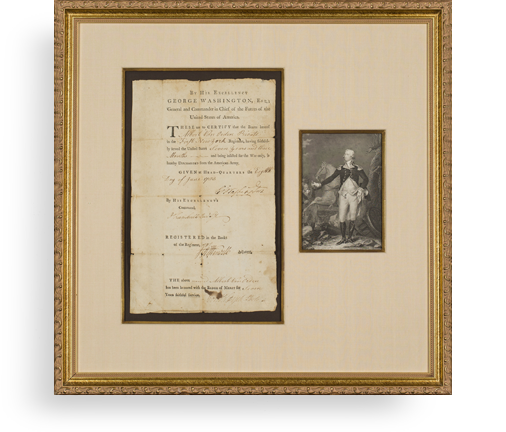
Each frame is custom constructed, using only proper museum archival materials. This includes:The finest frames, tailored to match the document you have chosen. These can period style, antiqued, gilded, wood, etc. Fabric mats, including silk and satin, as well as museum mat board with hand painted bevels. Attachment of the document to the matting to ensure its protection. This "hinging" is done according to archival standards. Protective "glass," or Tru Vue Optium Acrylic glazing, which is shatter resistant, 99% UV protective, and anti-reflective. You benefit from our decades of experience in designing and creating beautiful, compelling, and protective framed historical documents.
Learn more about our Framing Services

