





Attorney Abraham Lincoln, Known for Representing Female Clients, Fights for Truth in His Forceful Representation of a Woman
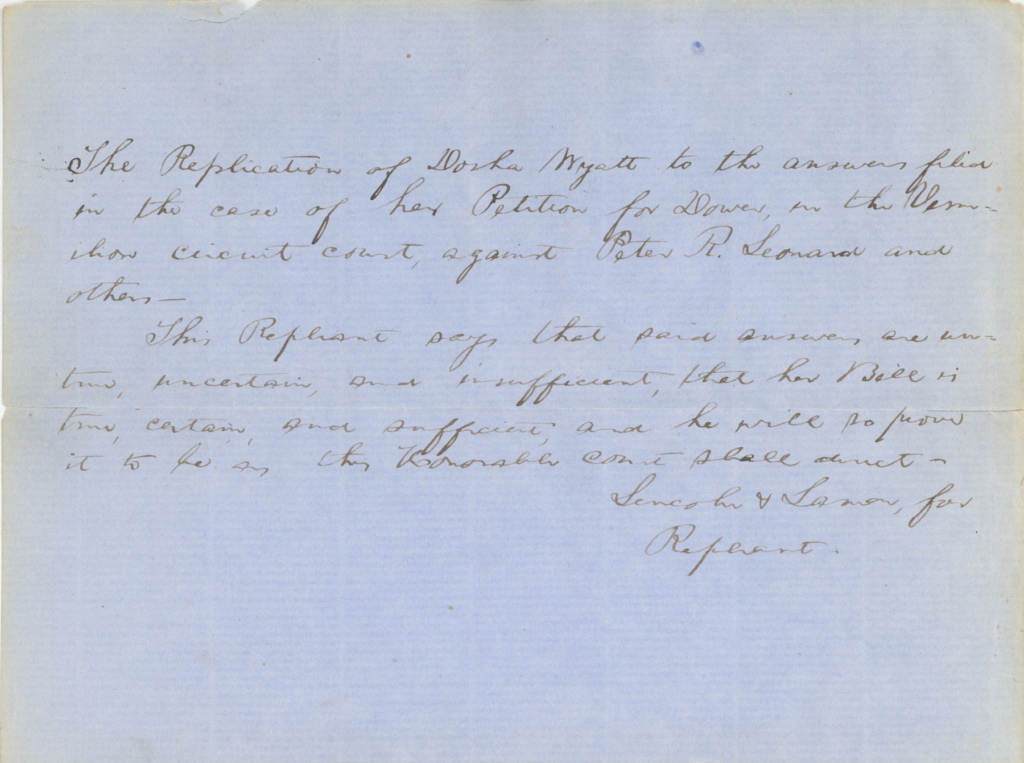

Lincoln stands against the "untrue, uncertain and insufficient" and will "prove it to be"
- Currency:
- USD
- GBP
- JPY
- EUR
- CNY
 This currency selector is for viewing only.
The Raab Collection only accepts USD payments at checkout.
Exchange rates are updated hourly. Rates may be inaccurate.
The case is well known and illustrates Lincoln’s penchant for aiding women who had been unjustly treated
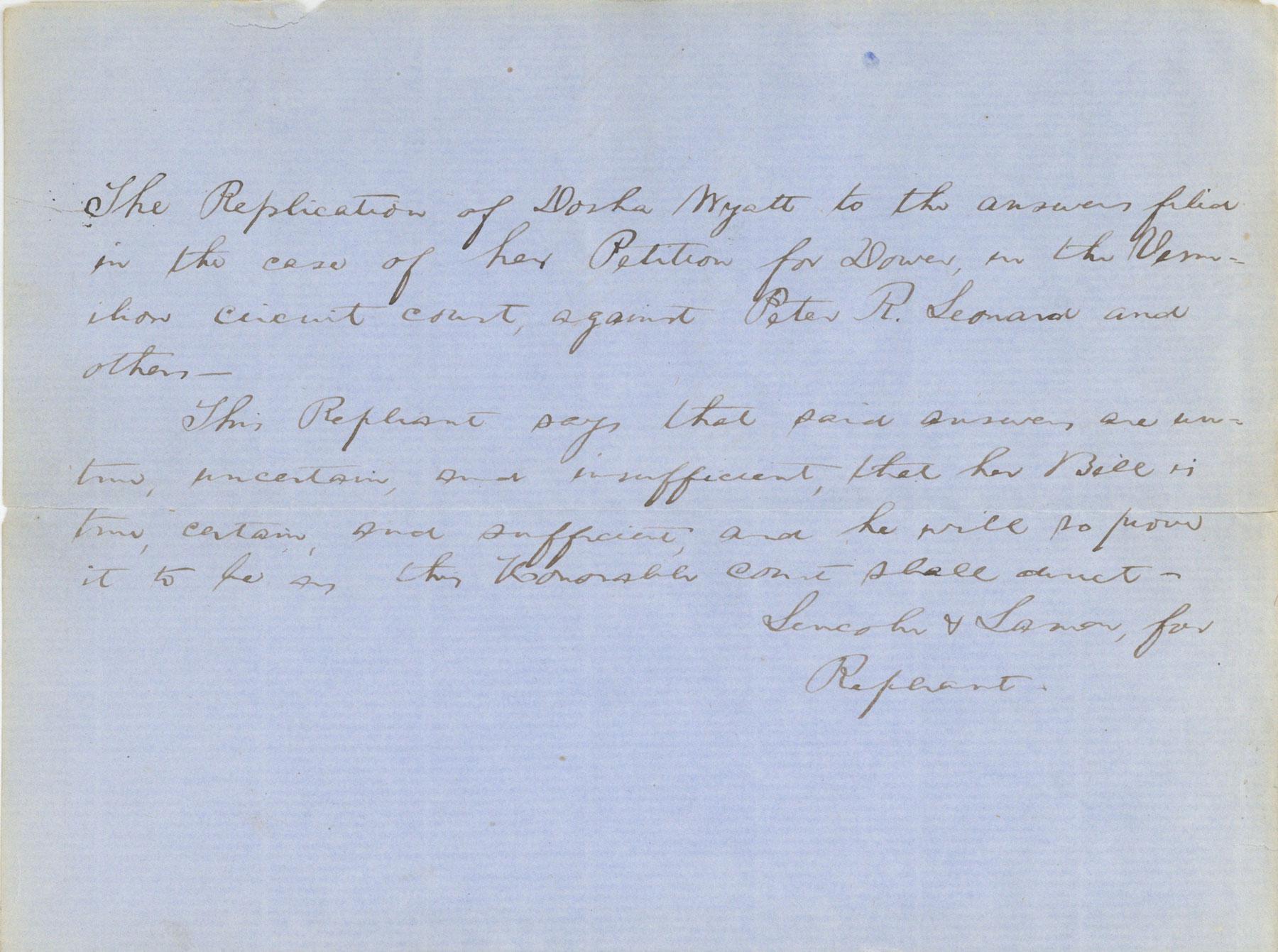
“Said answers are untrue, uncertain and insufficient, that her Bill is true, certain and sufficient, and he [Lincoln] will so prove it to be”
During his 25-year legal career in Illinois, Abraham Lincoln was...


The case is well known and illustrates Lincoln’s penchant for aiding women who had been unjustly treated
“Said answers are untrue, uncertain and insufficient, that her Bill is true, certain and sufficient, and he [Lincoln] will so prove it to be”
During his 25-year legal career in Illinois, Abraham Lincoln was involved in a substantial number of cases involving women as litigants. He was known for seeking to represent women, and working to get justice for them, in an era when women’s cases were often shunned by lawyers or not taken seriously.
Lincoln handled some 147 divorce cases, about 40% of all divorce cases in his home county of Sangamon. Importantly, more than half of the litigants he represented were women. He handled these cases with “tender consideration,” learning from experience that the law could be a dangerous place for women, who had few rights under the legal doctrines of the time. Lincoln also represented women in cases involving land disputes and in slander lawsuits, which often involved accusations of adultery and were important for maintaining a woman’s community reputation.
Lincoln was known for taking cases for women where he felt justice was on his client’s side. Notable examples include: Nance Legins-Costley – In 1841, Lincoln successfully represented this African American woman to prevent her from being sold into slavery, arguing that slavery was illegal in Illinois; Melissa Goings – He defended Mrs. Goings, an elderly woman charged with her abusive husband’s murder, in a case based on self-defense; Doshia Wyatt – In 1853, Lincoln took on the case of Mrs. Wyatt, a widow whose claim was that she was being cheated out of her inheritance.
A petition for dower is a legal request filed by a surviving spouse, typically a widow, to claim a portion of their deceased spouse’s estate, such as in real property, based on common law dower rights. This is a formal process that requires the surviving spouse to file a petition in court, describing the property and naming the heir or person with the next immediate estate of inheritance. The court then holds a hearing to determine the rights to dower and the property.
Doshia Wyatt, widow of Robert Wyatt, retained Lincoln and sued for her dower. Thomas Wyatt died in 1847 and left all of his property to his son Robert. Robert Wyatt lost part of the land, the Mill Farm, to satisfy a judgment against him in the U.S. District Court of Illinois. Robert Wyatt sold another property, the Prue Farm, to George Brewner. After Robert Wyatt’s death in 1852, Doshia Wyatt sued Leonard and Brewner’s heirs. Leonard contested the petition, claiming that he did not believe Doshia and Robert Wyatt had been legally married. Leonard also claimed that Robert Wyatt had already left Doshia Wyatt land in his will, which Leonard claimed was recorded.
Hearing the case was Judge David Davis, a friend of Lincoln whom as President he would appoint to the U.S. Supreme Court. Ward Hill Lamon, Lincoln’s co-attorney on the case, began his professional association with Lincoln in 1852 when they became law partners. Though they had different styles, they remained close personal and professional friends. After the partnership dissolved in 1857, their friendship continued, and Lamon would later become Lincoln’s bodyguard and U.S. Marshal for the District of Columbia during Lincoln’s presidency. As the bodyguard, Lamon was not in Washington on the night of Lincoln’s assassination, being on assignment in Richmond at Lincoln’s request. In his Recollections of Abraham Lincoln, Lamon reveals that before he left for Richmond, he implored the President not to “go out at night after [he] was gone, particularly to the theatre.”
This document relates to the case of Doshia Wyatt. In a petition to the Court filed by Lincoln, Wyatt stated her case: “Your petitioner would further represent to your honor that she, your petitioner, is the widow of the said Robert Wyatt — that she has never relinquished her dower to the said aforesaid land or any part thereof – nor has her dower ever been set off – or assigned her in said premises – that said Robert Wyatt on or about the 28th of July AD 1852 departed this life leaving her the said Doshia, widow as aforesaid…Your petitioner would further pray that this honorable court appoints commissioners to assign her dower in & to all of the above described tracts or parcels of land according to the statue in such cases made and approved. And your petitioner would pray for such & gather relief as may be according to equity and good conscience and as in duly abound your petitioner will ever pray.”
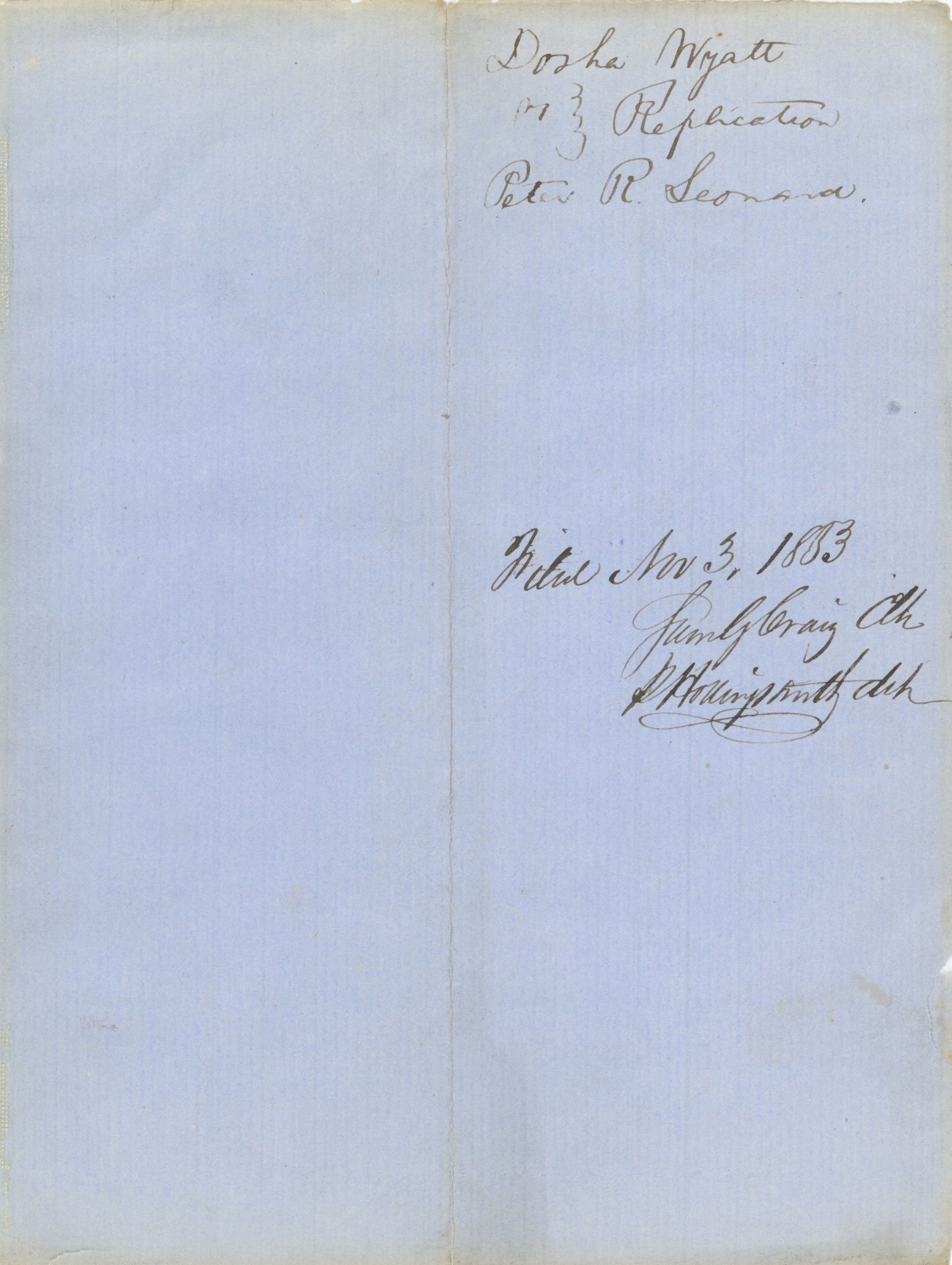
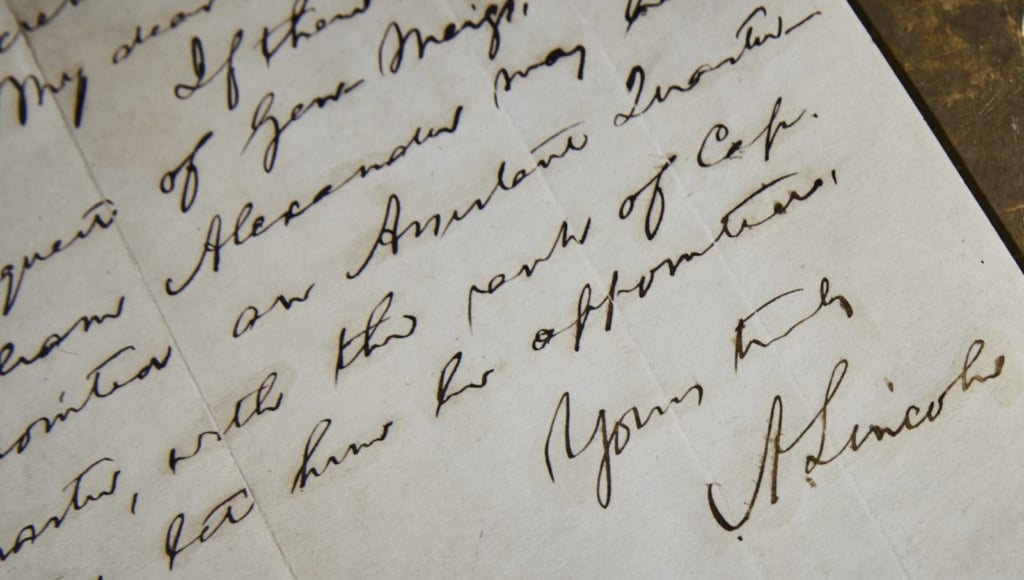
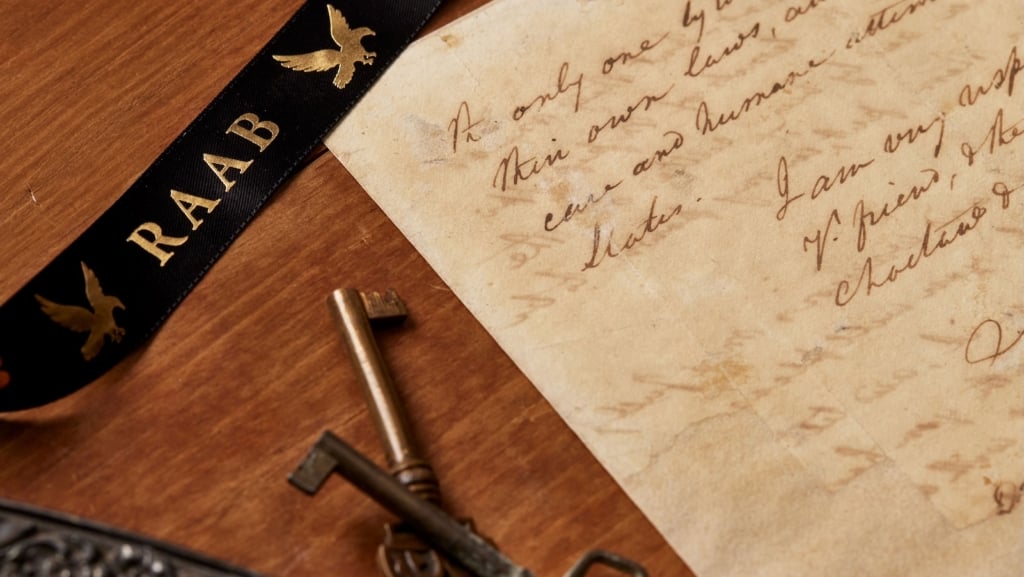
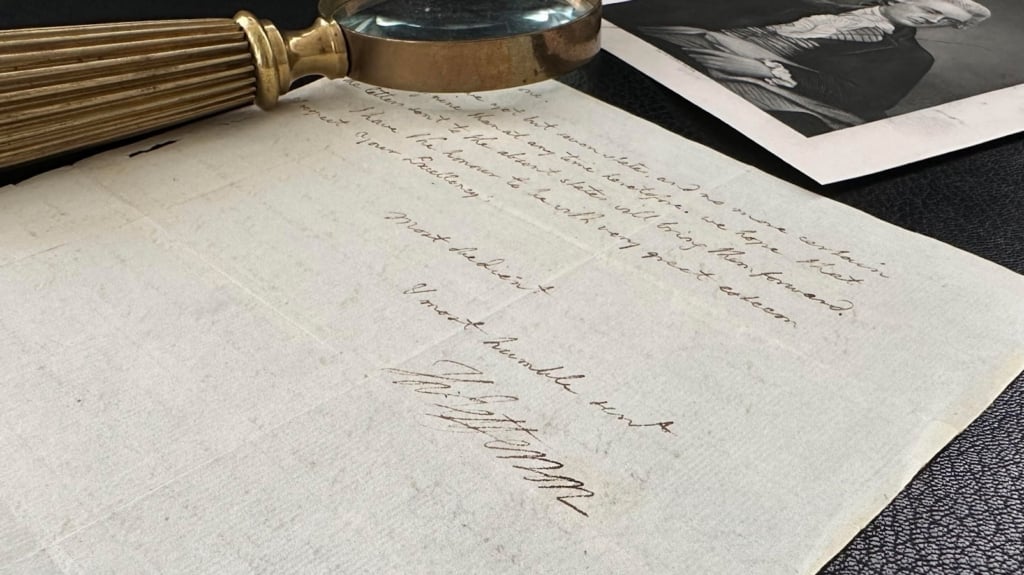
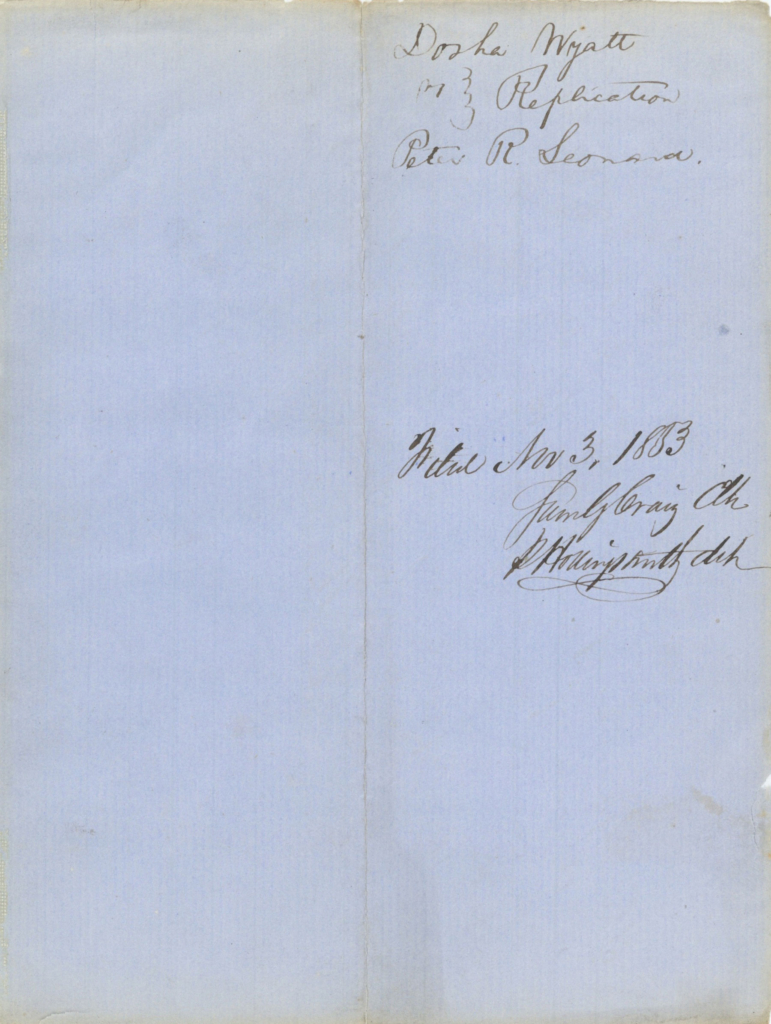
This is a pleading in Lincoln’s hand which contains the answer of Wyatt to the defendants’ responses to her allegations. Autograph document signed, Vermillion County, Illinois Circuit Court, November 3, 1853. “The replication [response] of Doshia Wyatt to the defendants’ answers filed in the case for her Petition for Dower in the Vermillion Circuit Court, against Peter R. Leonard and others. This repliant [respondent] says that said answers are untrue, uncertain and insufficient, that her Bill is true, certain and sufficient, and he [Lincoln] will so prove it to be, as this Honorable Court shall direct. Lincoln & Lamon for Repliant [respondent].” On the verso, Lincoln has docketed the document “Dosha Wyatt vs Peter R. Leonard, Replication.” The clerk of court, Samuel Craig, then notes that the plea was filed on November 3, 1853.
An uncommon document in Lincoln’s hand concerning his representation of women. As for the case, the parties likely reached a settlement, as Wyatt ended up dismissing the case, while Leonard paid the costs.

Frame, Display, Preserve
Each frame is custom constructed, using only proper museum archival materials. This includes:The finest frames, tailored to match the document you have chosen. These can period style, antiqued, gilded, wood, etc. Fabric mats, including silk and satin, as well as museum mat board with hand painted bevels. Attachment of the document to the matting to ensure its protection. This "hinging" is done according to archival standards. Protective "glass," or Tru Vue Optium Acrylic glazing, which is shatter resistant, 99% UV protective, and anti-reflective. You benefit from our decades of experience in designing and creating beautiful, compelling, and protective framed historical documents.
Learn more about our Framing Services