





Newly Inaugurated New York Governor Theodore Roosevelt, For His First Inaugural Address in 1898, Will Consult With “Advocates of Woman Suffrage”
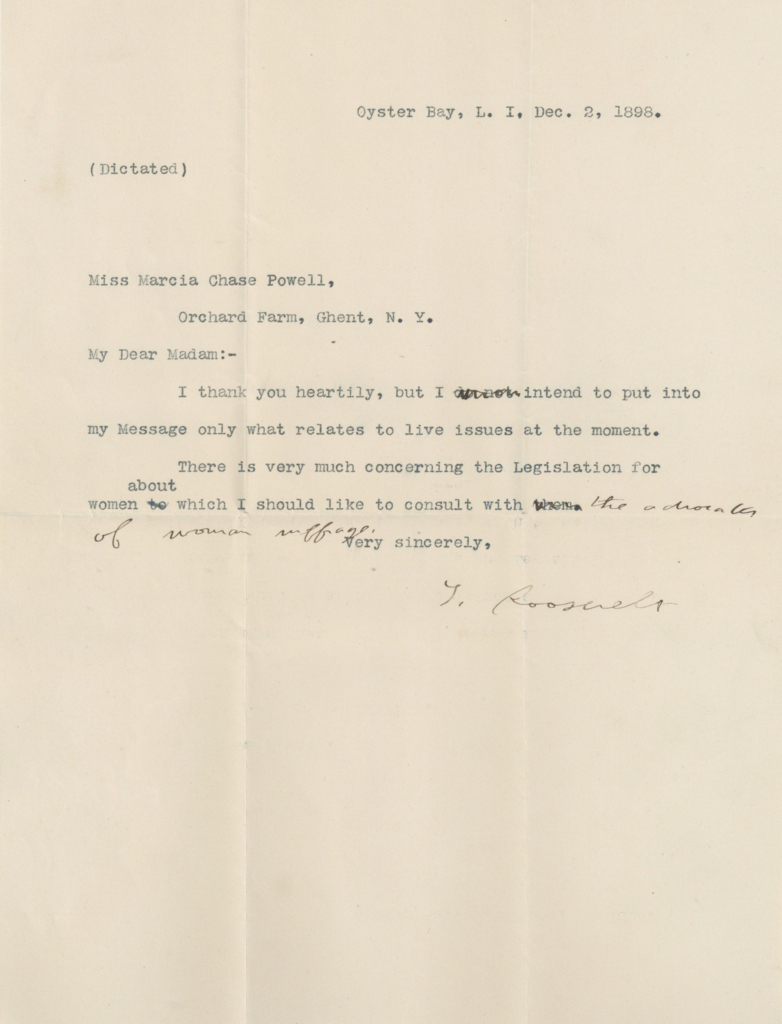
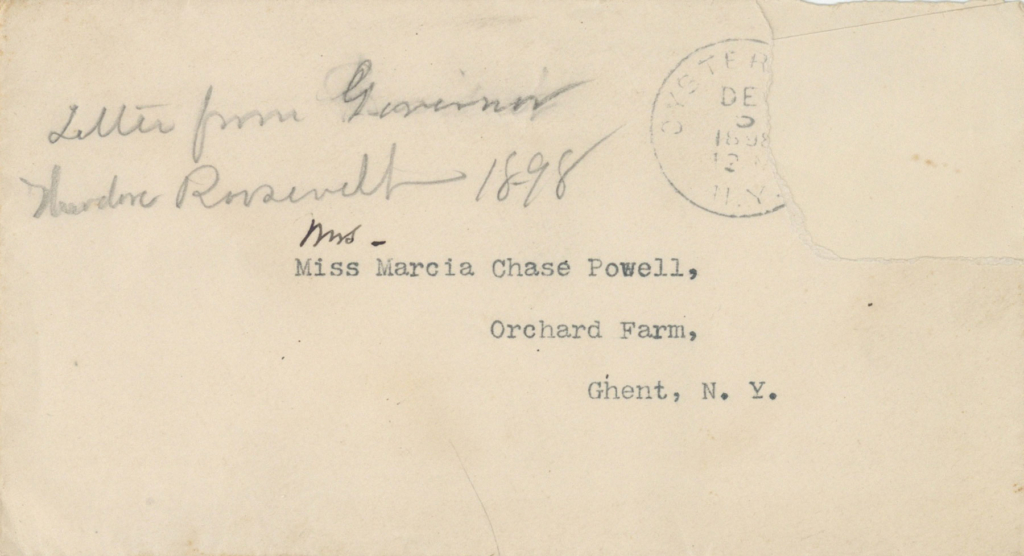

Initially he avoided the issue but after the consultation stated here, did include a reference in his address
- Currency:
- USD
- GBP
- JPY
- EUR
- CNY
 This currency selector is for viewing only.
The Raab Collection only accepts USD payments at checkout.
Exchange rates are updated hourly. Rates may be inaccurate.

He had a long history of promoting women’s rights, this at a time when most politicians opposed it
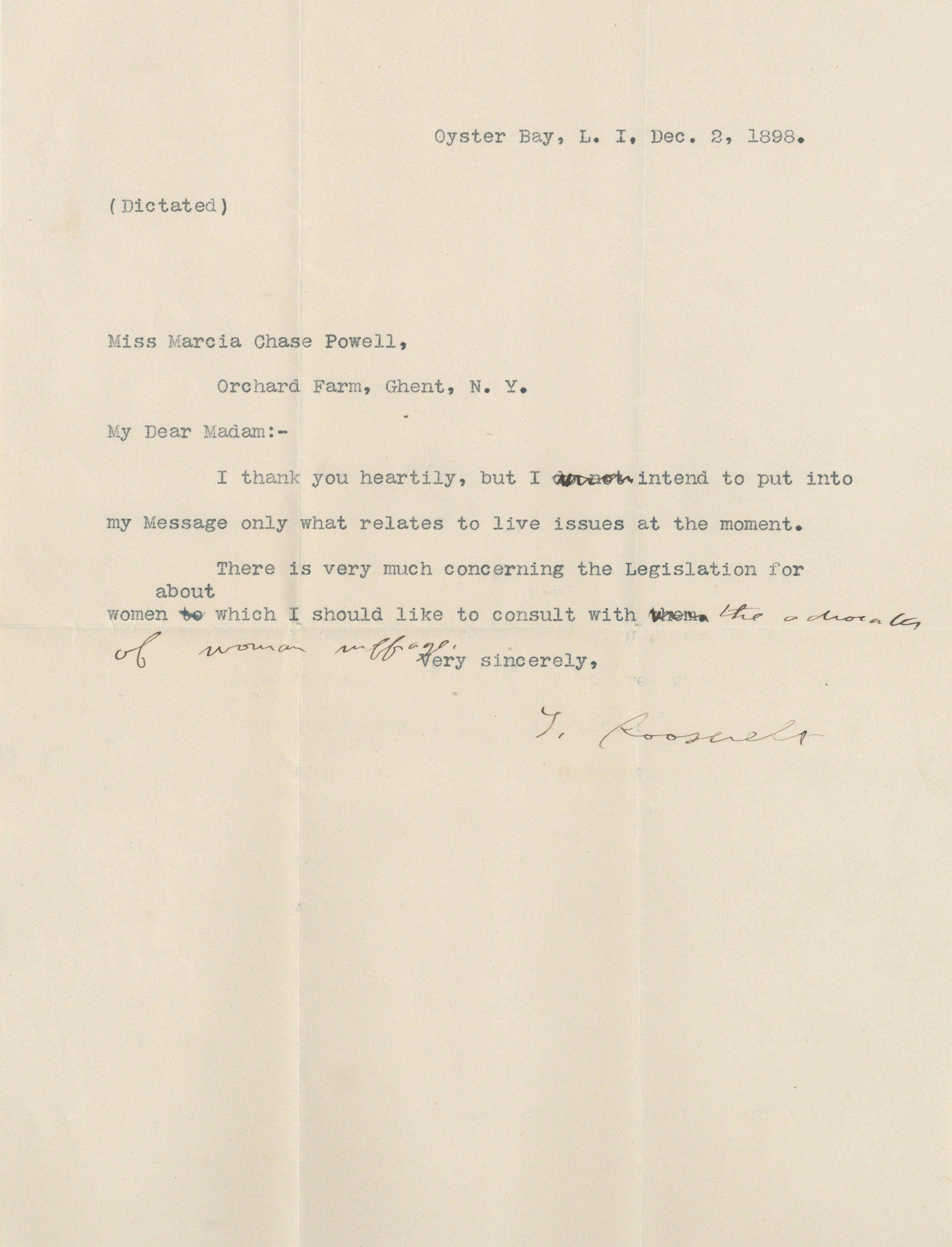
He wrote, “There is very much concerning the legislation for women about which I should like to consult with the advocates of woman suffrage.”
Theodore Roosevelt was a strong supporter of women’s rights....


He had a long history of promoting women’s rights, this at a time when most politicians opposed it
He wrote, “There is very much concerning the legislation for women about which I should like to consult with the advocates of woman suffrage.”
Theodore Roosevelt was a strong supporter of women’s rights. He advocated for it early in his career and made it a key part of his 1912 Progressive Party platform. TR thus became the first nominee of a major party to support women’s suffrage.
But his support for women’s rights began way before then. When he was a senior at Harvard, he read a thesis at the 1880 Harvard commencement ceremony – “Practicality of Giving Men and Women Equal Rights,” – in which he advocated equal rights for women, including the fact that they shouldn’t have to change their names when they get married. “The man should have no more right over the person or property of his wife than she has over the person or property of her husband,” he said, a radical opinion at the time. Then when he was in the New York State Assembly, he introduced a bill for corporal punishment for wife beaters, in other words, an equality of blows. As police commissioner of New York, he introduced women to executive and other positions in the New York City Police Department.
Fresh off his heroics with the Rough Riders in the Spanish-American War, Roosevelt was elected governor of New York on November 8, 1898. On December 2, 1898, as governor-elect, he addressed the New England Society in New York City, delivering a speech emphasizing a blend of morality and practicality, and the strength found in the Puritan legacy, highlighting his vision for strong, principled leadership as he transitioned to state politics. On that same day, also TR responded to a letter from Marcia Chase Powell, apparently asking him to include something in his inaugural address about women’s rights. Chase Powell was Secretary of the House of Refuge for Women in Hudson, New York, which sought humane forms of rehabilitation for women.
At the time, the legislature was considering issues that included the expansion of women’s rights in education governance (notably school suffrage and eligibility for school offices), reforms to married women’s property and earnings laws, labor protections for women in factories and retail employment, and proposals for limited or municipal voting rights that stopped short of full constitutional suffrage.
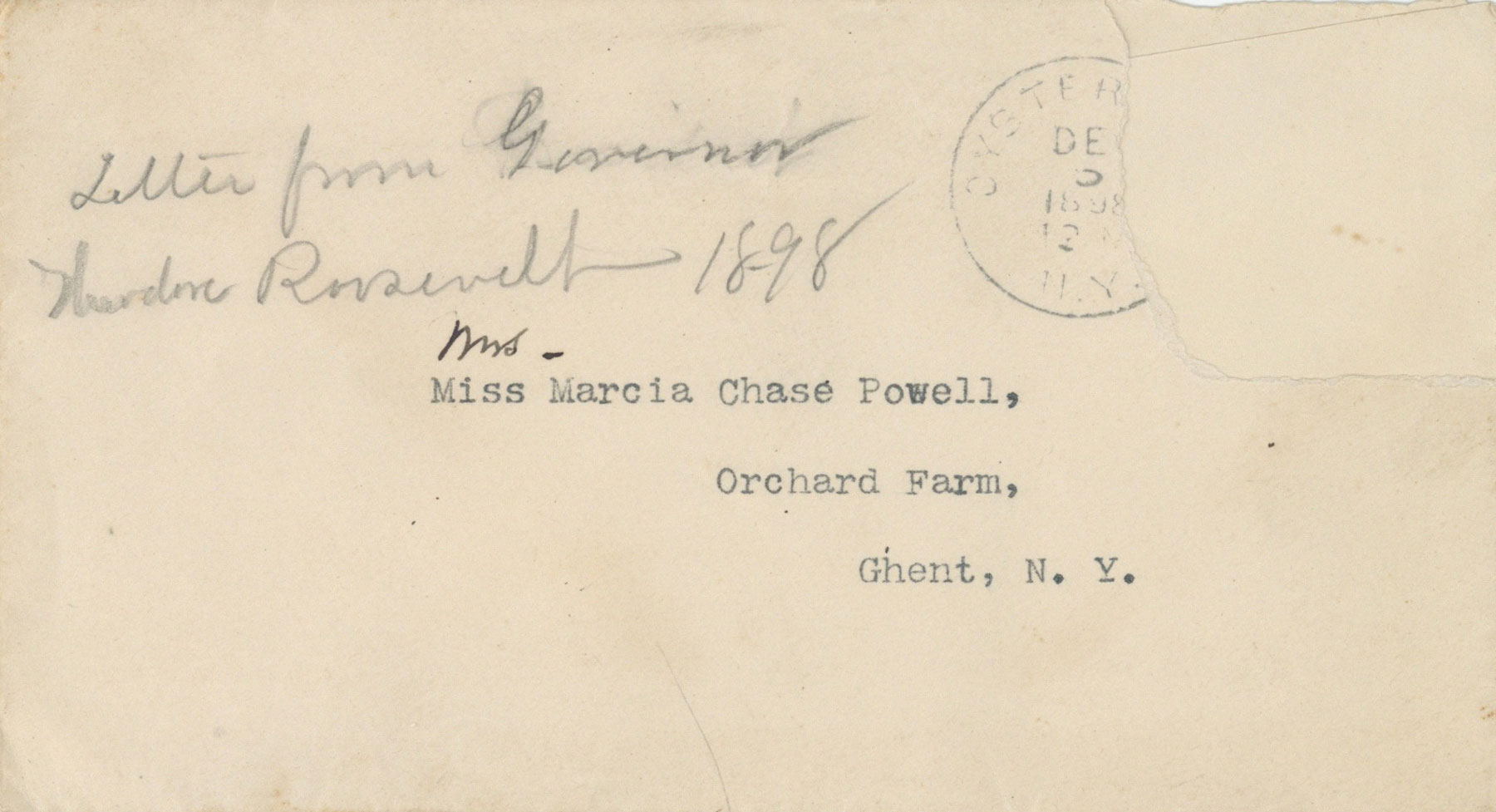
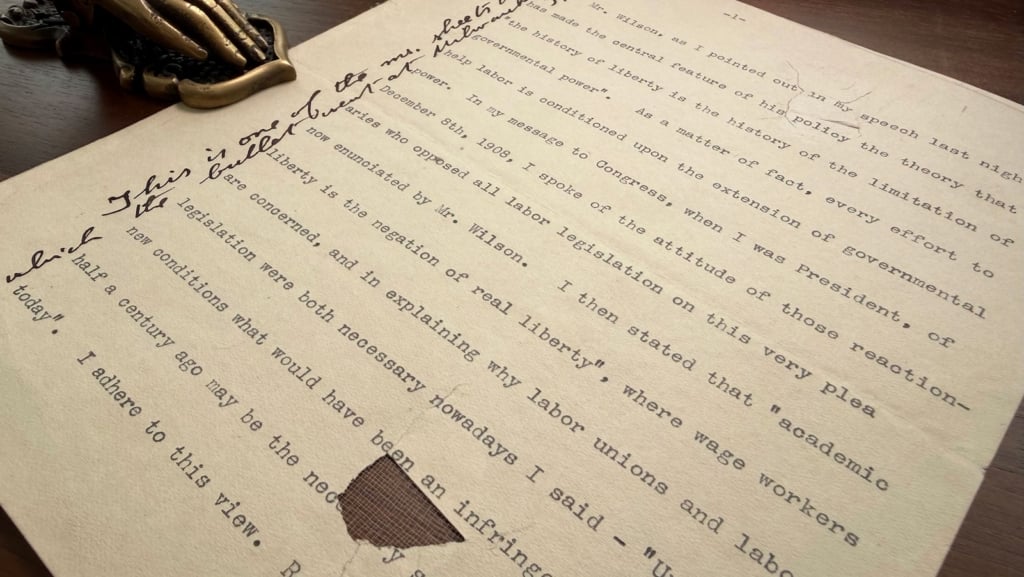
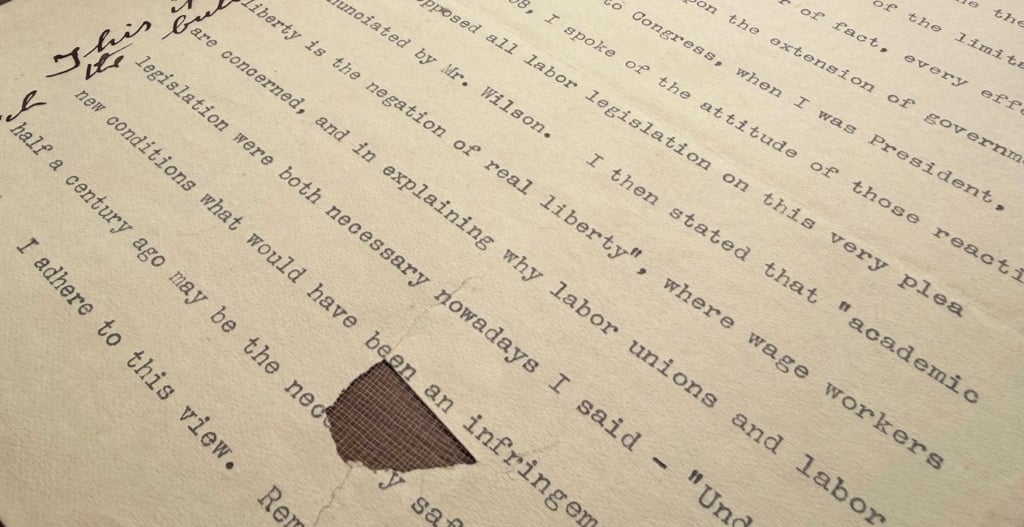
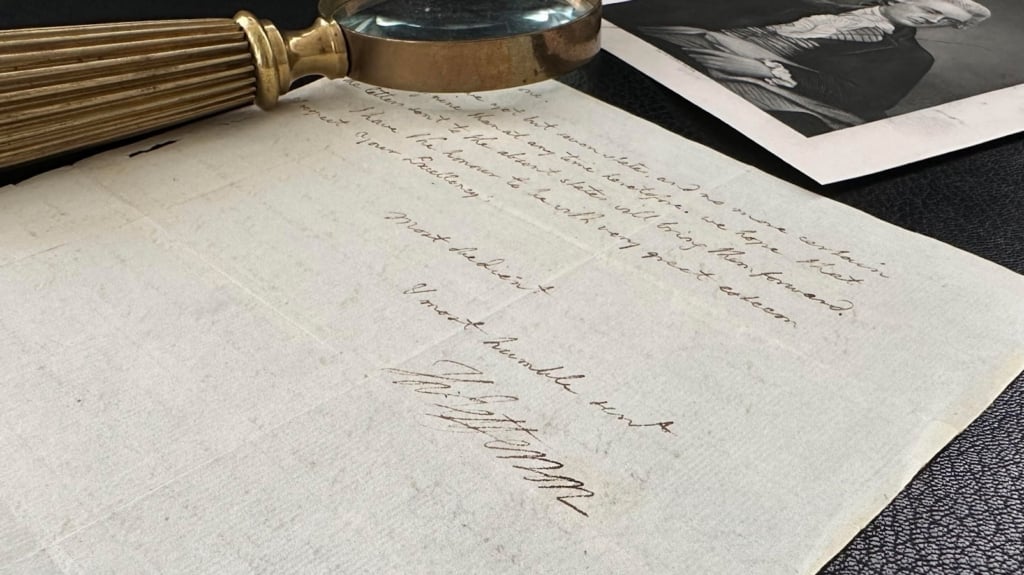
Typed letter signed, with additions in his hand, Oyster Bay, N.Y., December 2, 1898, to Marcia Chase Powell, stating that he wanted to consult with advocates of women’s suffrage. “I thank you heartily, but I intend to put into my message only what relates to live issues at the moment. There is very much concerning the legislation for women about which I should like to consult with the advocates of woman suffrage.”
Both Susan B. Anthony and Elizabeth Cady Stanton were residents of New York, and may well have been among those he intended to consult. He did, in the inaugural address on January 2, 1899, include a statement of his support for women’s rights.
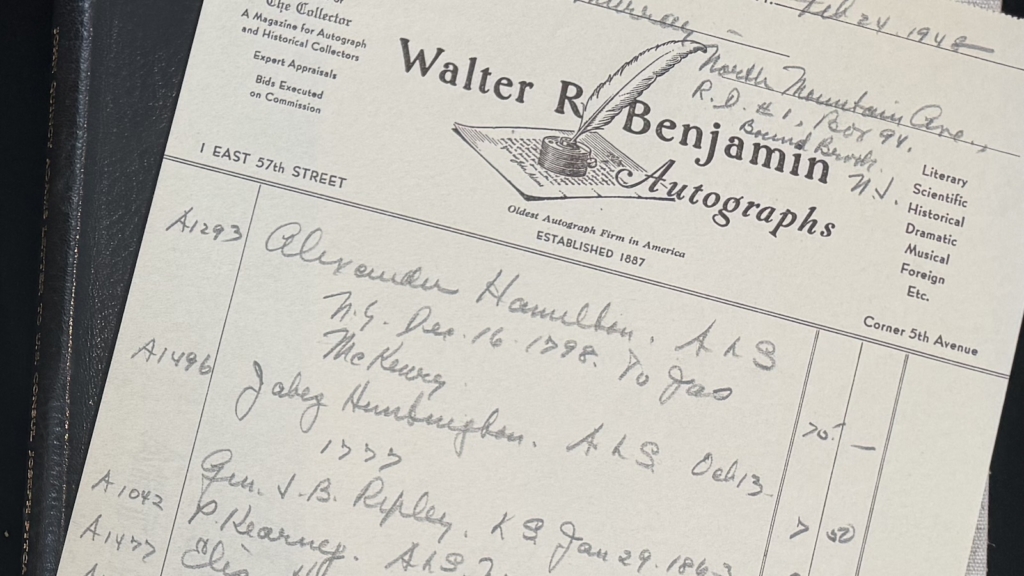
This is the only letter of Theodore Rosevelt we have ever seen on the topic of women’s rights. We obtained it directly from the family of the recipient and it has never before been offered for sale.
In 1912, in TR’s Progressive Party, women were given equal rights in a big way. His presidential nomination was seconded by Jane Addams. The Progressive Party even ensured that women would be represented on the national committee. Roosevelt championed women’s right to vote, encouraging them to exercise it as a duty, and worked for suffrage legislation in New York, believing women’s participation was vital for democracy, even pushing for them to own property and enter professions decades before the 19th Amendment.

Frame, Display, Preserve
Each frame is custom constructed, using only proper museum archival materials. This includes:The finest frames, tailored to match the document you have chosen. These can period style, antiqued, gilded, wood, etc. Fabric mats, including silk and satin, as well as museum mat board with hand painted bevels. Attachment of the document to the matting to ensure its protection. This "hinging" is done according to archival standards. Protective "glass," or Tru Vue Optium Acrylic glazing, which is shatter resistant, 99% UV protective, and anti-reflective. You benefit from our decades of experience in designing and creating beautiful, compelling, and protective framed historical documents.
Learn more about our Framing Services