






President Abraham Lincoln Seeks to Reward a Distinguished Soldier from the First Major Conflict of the Civil War, the Battle of Big Bethel, and Honor the Personal Request of His Mother
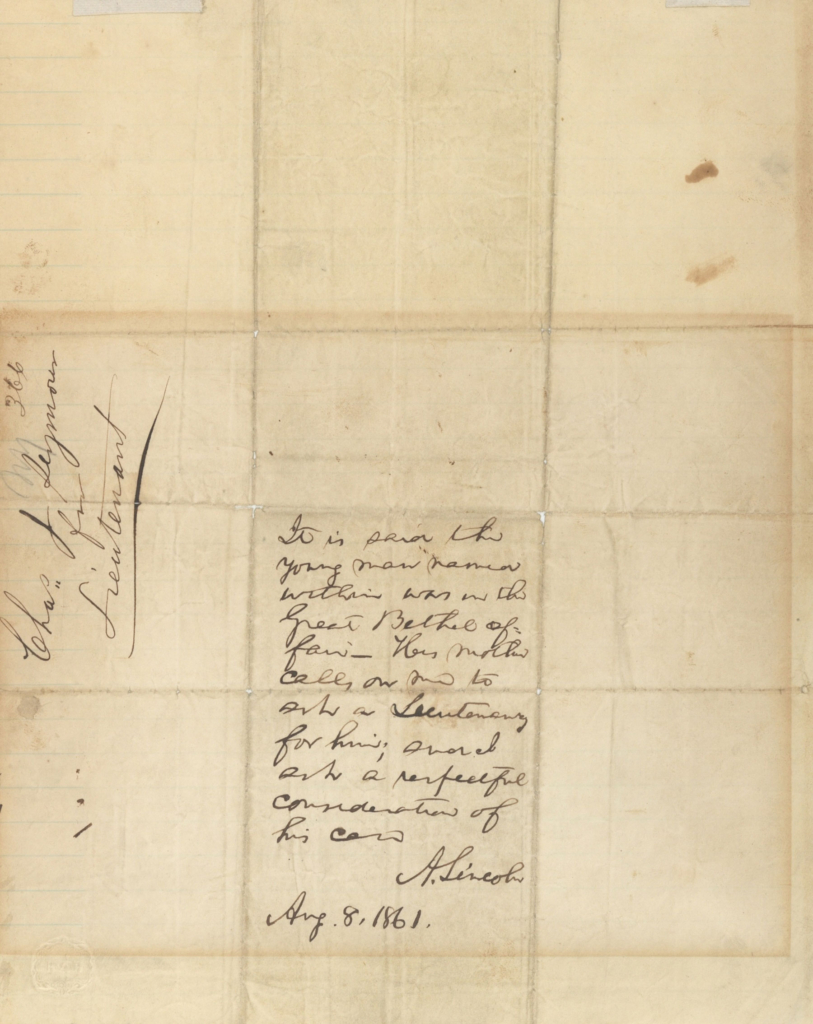


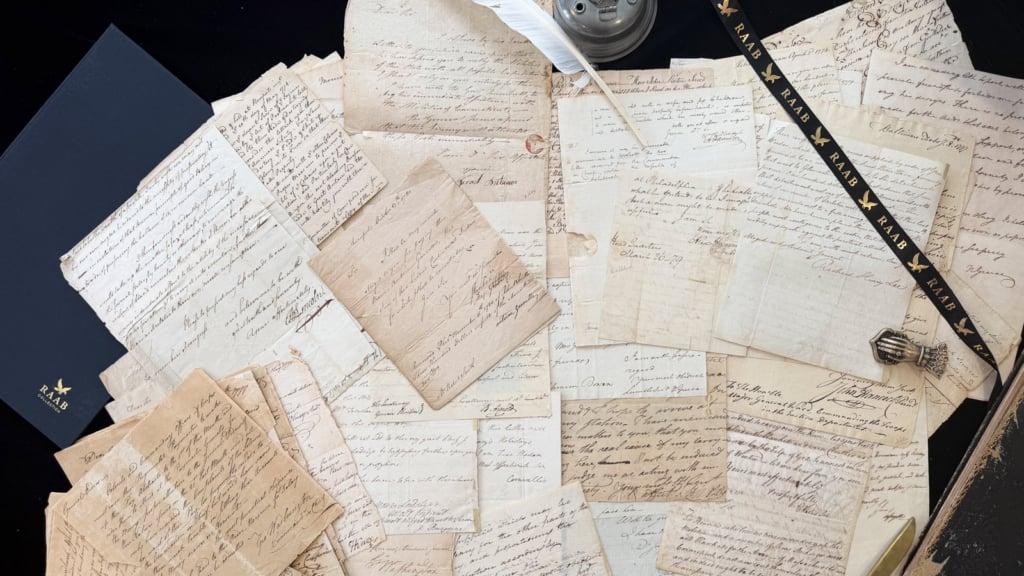
In this unpublished exchange, in the same collection for half a century, Lincoln mentions the "Great Bethel Affair" by name and also receiving a visit in person from the soldier's mother
- Currency:
- USD
- GBP
- JPY
- EUR
- CNY
 This currency selector is for viewing only.
The Raab Collection only accepts USD payments at checkout.
Exchange rates are updated hourly. Rates may be inaccurate.

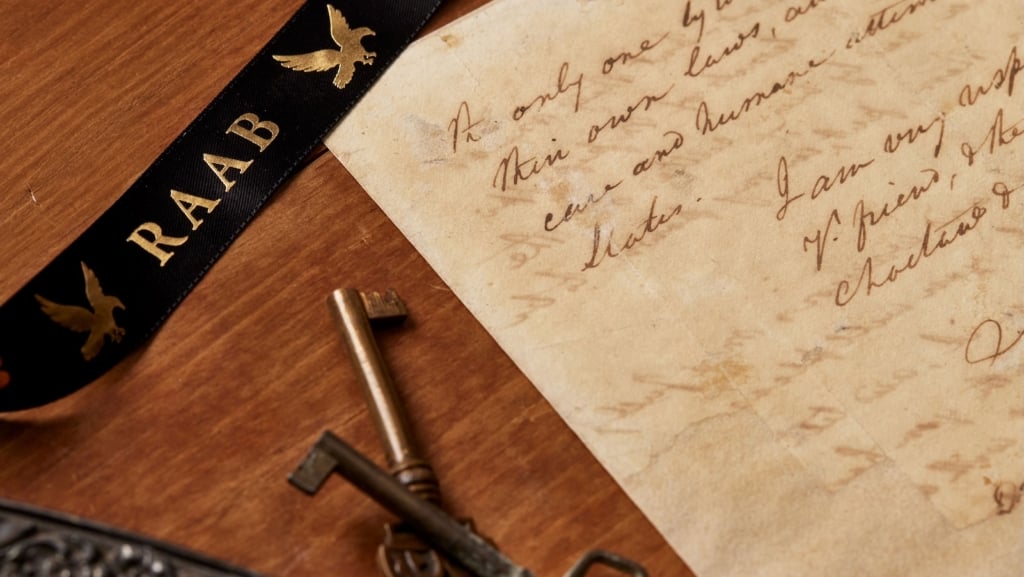
“It is said that the young man named within was in the Great Bethel affair. His mother calls on me to ask a Lieutenancy for him”
We have never before a document on the market referencing Bethel by name or referring to the battle as great
Part of a private...


“It is said that the young man named within was in the Great Bethel affair. His mother calls on me to ask a Lieutenancy for him”
We have never before a document on the market referencing Bethel by name or referring to the battle as great
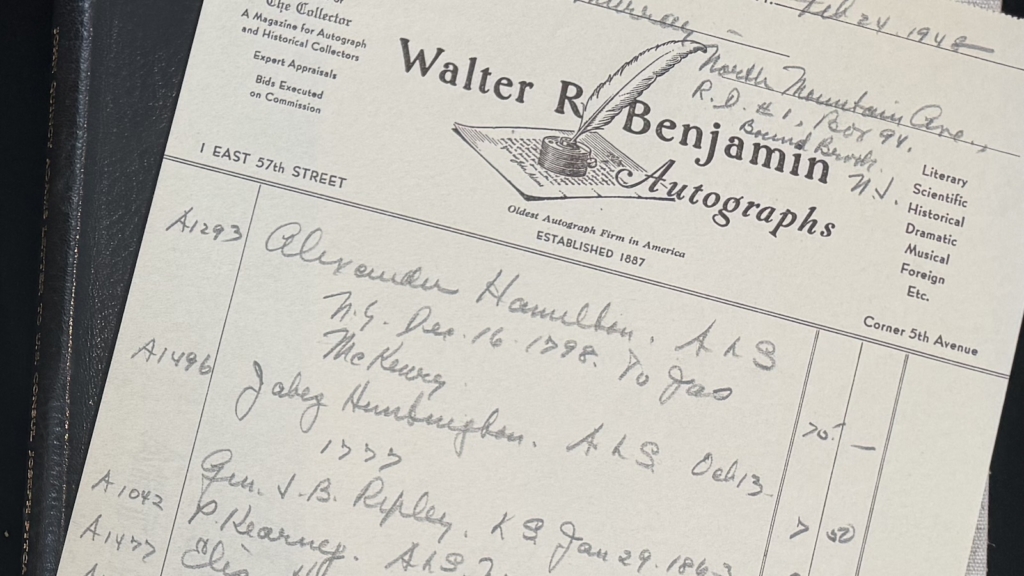
Part of a private collection assembled at Sesslers more than a half century ago
The Civil War formally began with the bombardment of Fort Sumter on April 12–13, 1861, but the first sustained clash between organized armies on land was the Battle of Big Bethel, also called the Battle of Bethel Church, fought on June 10, 1861, near Hampton, Virginia.
Virginia’s decision to secede from the Union had been ratified by popular vote on May 23, and Confederate colonel (later major general) John B. Magruder was sent down to the peninsula to deter any advance on the state capital Richmond by Union troops based at the well-defended post of Fort Monroe.
Confederate forces under Magruder defeated a probing Union attack led by John Adams Dix and field commander Theodore Winthrop, who was killed in the assault. The Union objective was to push back Confederate outposts guarding the Yorktown Road, but poor coordination and a nighttime friendly-fire incident ruined surprise. When Union troops advanced at dawn, they were repulsed by well-positioned Southern artillery and infantry around Big Bethel Church. The battle ended in a Confederate victory, providing an early morale boost to the South while exposing the inexperience and disorganization of Union forces in the war’s opening weeks. It confirmed that the conflict would not be short or bloodless.
Abraham Lincoln was distressed by the Union defeat at Big Bethel. The battle underscored for him the Union’s lack of military preparedness and the challenges in finding capable commanders, reinforcing his determination to avoid future losses.
During his presidency, Lincoln would regularly meet with members of the public, who would wait to see him in the foyer of his office in the White House. This included soldiers and their family members.
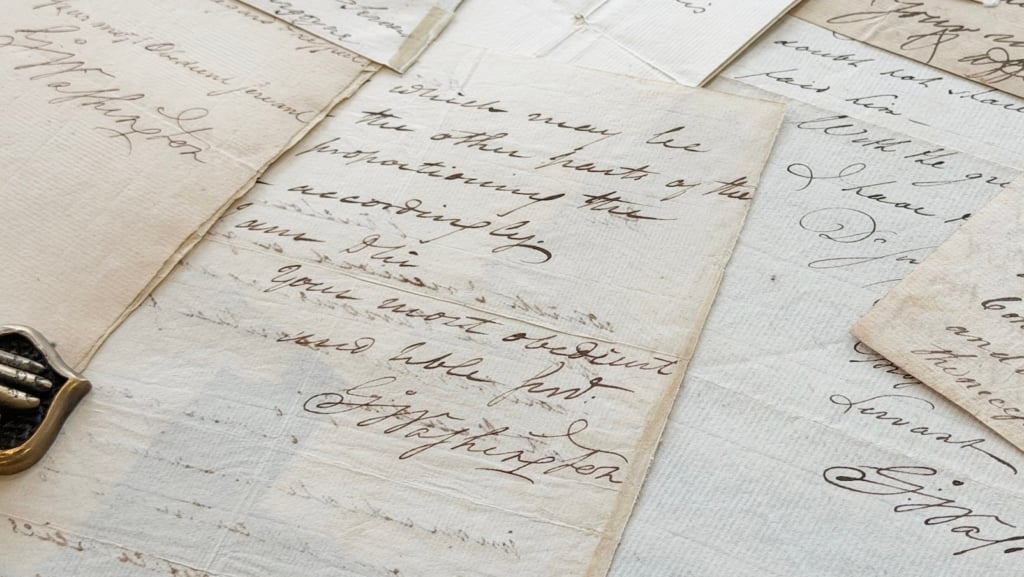
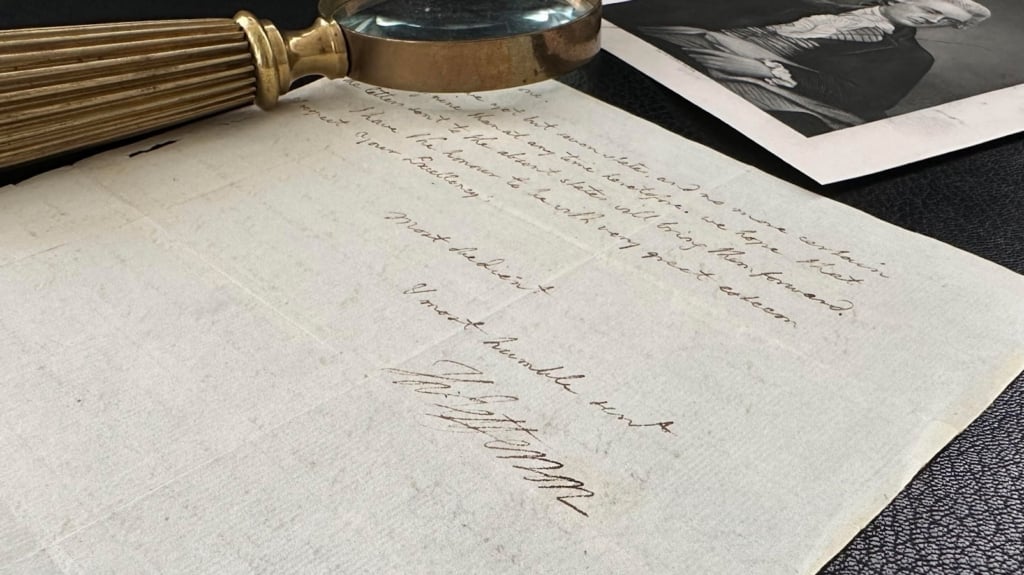
Autograph letter signed, Frank J. White, as Captain of Company A, 10th Regiment, Fortress Monroe, July 27, 1861, seemingly given to the soldier himself or his sent to his family. “Mr. Charles. J. Seymour has been a member of my company for three months and has gained my highest esteem for the excellent manner in which he has discharged his duties. He is well qualified to hold a much higher position than his present one.”
Autograph document signed, August 8, 1861, on a detached leaf, no recipient but likely Secretary of War Simon Cameron. “It is said that the young man named within was in the Great Bethel affair. His mother calls on me to ask a Lieutenancy for him; and I ask a respectful consideration of his case.”
Seymour received the promotion Lincoln requested, becoming a lieutenant just weeks later, on August 27, 1861. He served as Aide-de-Camp on the staff of Gen. Daniel E. Sickles, and was later promoted to major. He also assisted in recruiting efforts in New York City.
This was acquired from Mabel Zahn at Sesslers in the 1970s.

Frame, Display, Preserve
Each frame is custom constructed, using only proper museum archival materials. This includes:The finest frames, tailored to match the document you have chosen. These can period style, antiqued, gilded, wood, etc. Fabric mats, including silk and satin, as well as museum mat board with hand painted bevels. Attachment of the document to the matting to ensure its protection. This "hinging" is done according to archival standards. Protective "glass," or Tru Vue Optium Acrylic glazing, which is shatter resistant, 99% UV protective, and anti-reflective. You benefit from our decades of experience in designing and creating beautiful, compelling, and protective framed historical documents.
Learn more about our Framing Services

