





Magnificent Thomas Jefferson Free Frank, From an Important Letter to the Signer Benjamin Harrison


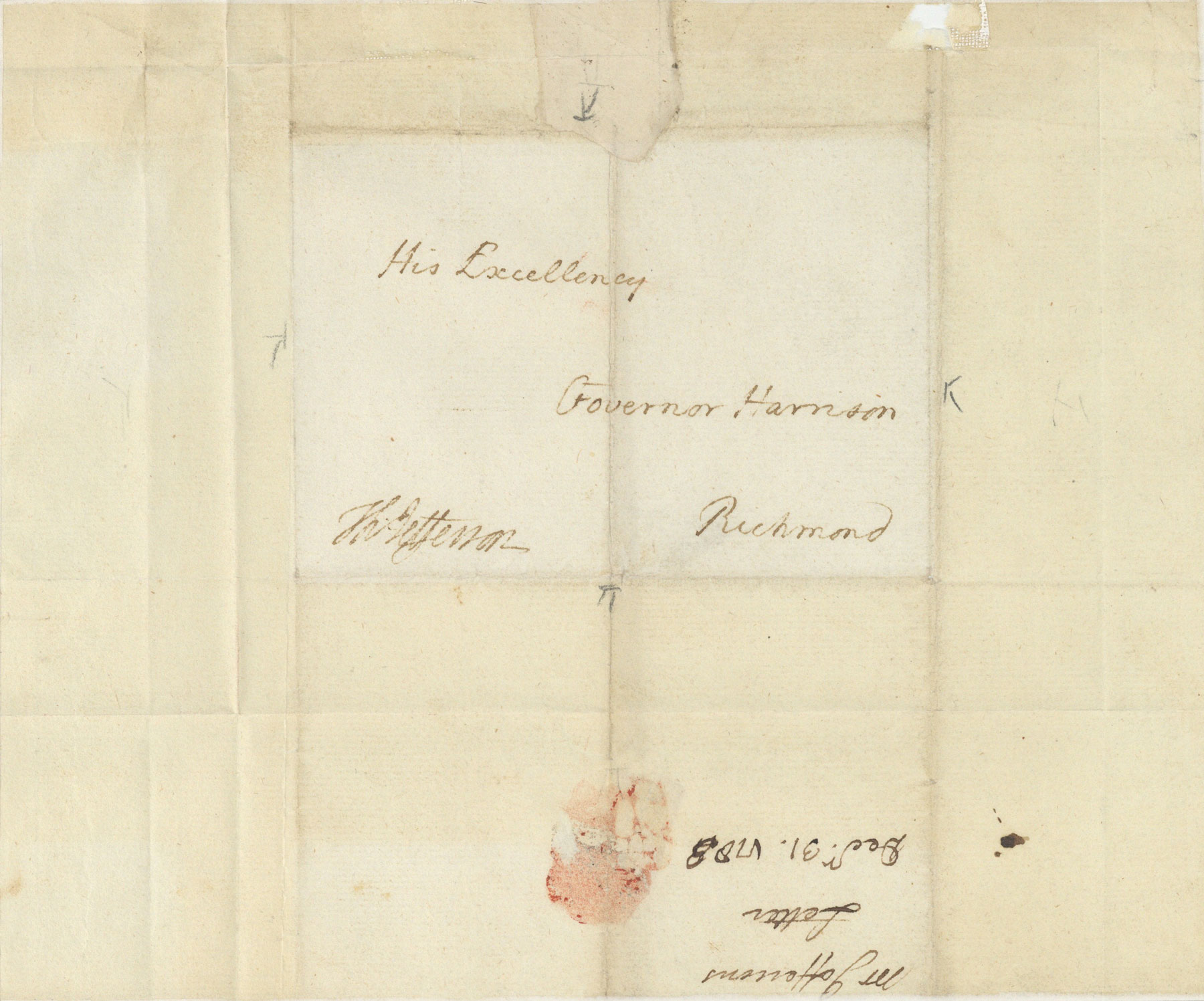
Harrison’s docket is present, saying this letter was from Jefferson
- Currency:
- USD
- GBP
- JPY
- EUR
- CNY
 This currency selector is for viewing only.
The Raab Collection only accepts USD payments at checkout.
Exchange rates are updated hourly. Rates may be inaccurate.
The letter dealt with ratification of the Treaty of Paris, and the Republican uprising in the Netherlands, affirming their right to bear arms
Congressional assent was required for the Treaty of Paris ending the American Revolution to take effect, and delegates were called to convene at the Maryland State House in Annapolis,...


The letter dealt with ratification of the Treaty of Paris, and the Republican uprising in the Netherlands, affirming their right to bear arms
Congressional assent was required for the Treaty of Paris ending the American Revolution to take effect, and delegates were called to convene at the Maryland State House in Annapolis, then serving as the nation’s capital, in November 1783. The Treaty stipulated that Congress approve and return the document to Great Britain within six months of being signed. However, according to the Articles of Confederation, under which the American government was then operating, representatives from nine of the thirteen states were required to be present in order for Congress to proceed. Due to the severe winter of 1783-1784, and challenges in reaching Annapolis, representatives from only seven states were initially present at the Maryland State House. Mindful of the nearly two months required to cross the Atlantic, Congress grew concerned that a sufficient number of delegates would not arrive in time to return the ratified treaty by March. This Jefferson articulated.
In the Netherlands in 1783, Republicans favored a strong legislature and limited power in the head of state (stadholder), while the Orangists favored a powerful stadtholder. It was a period marked by political instability. The republicans were inspired by Enlightenment ideals, like those contained in the Declaration of Independence, and sought a more democratic government. There was unrest, with armed civilians taking over some cities and regions. Jefferson supported the republicans, and the right of patriots to take up arms to combat tyranny.
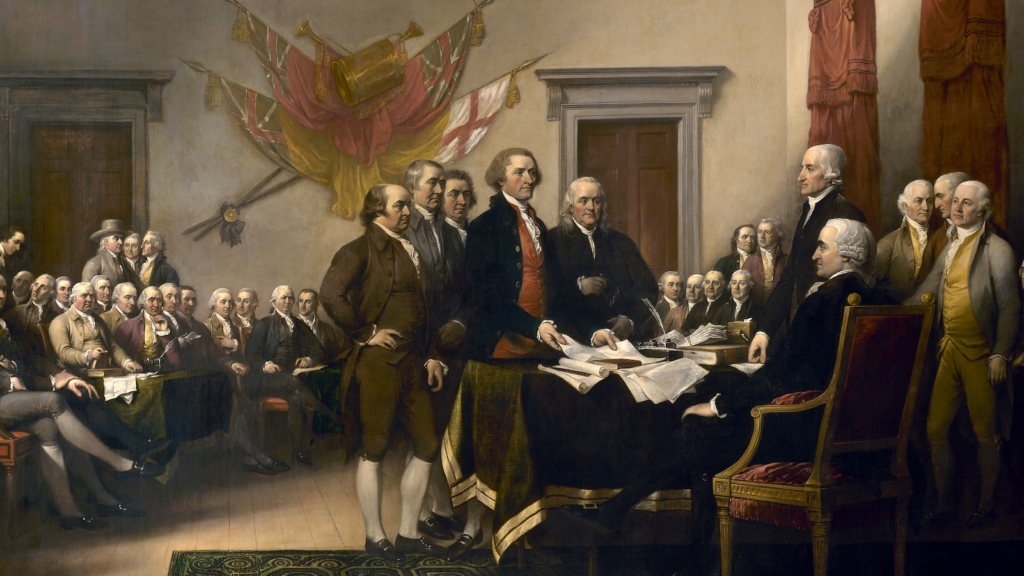
On June 7, 1776, in the Continental Congress, Benjamin Harrison was chosen to introduce fellow Virginian Richard Henry Lee, who introduced the resolution calling for independence from Great Britain. Harrison was selected to read Thomas Jefferson’s draft of the Declaration of Independence to the assembled delegates on July 1, and served as Chairman of the Whole during the debate over independence on July 2. He then signed Declaration of Independence. After the war, he was governor of Virginia.
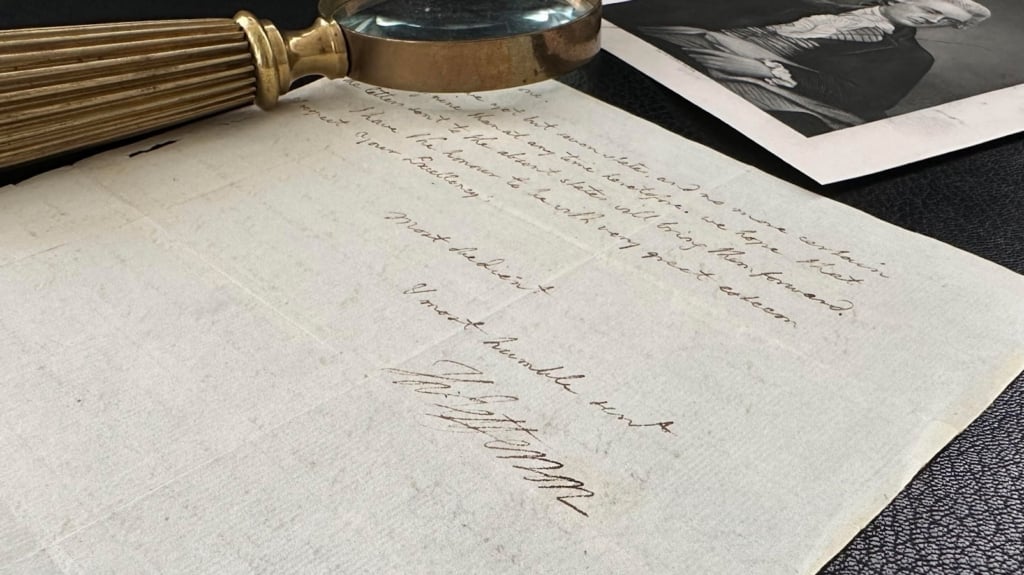
On December 31, 1783, Jefferson wrote to Harrison, then governor of Virginia, reporting approvingly on the activities of the Republican Movement in the Netherlands, their right to bear arms, and hoping for a quorum of states to ratify the Treaty of Paris that ended the Revolutionary War.
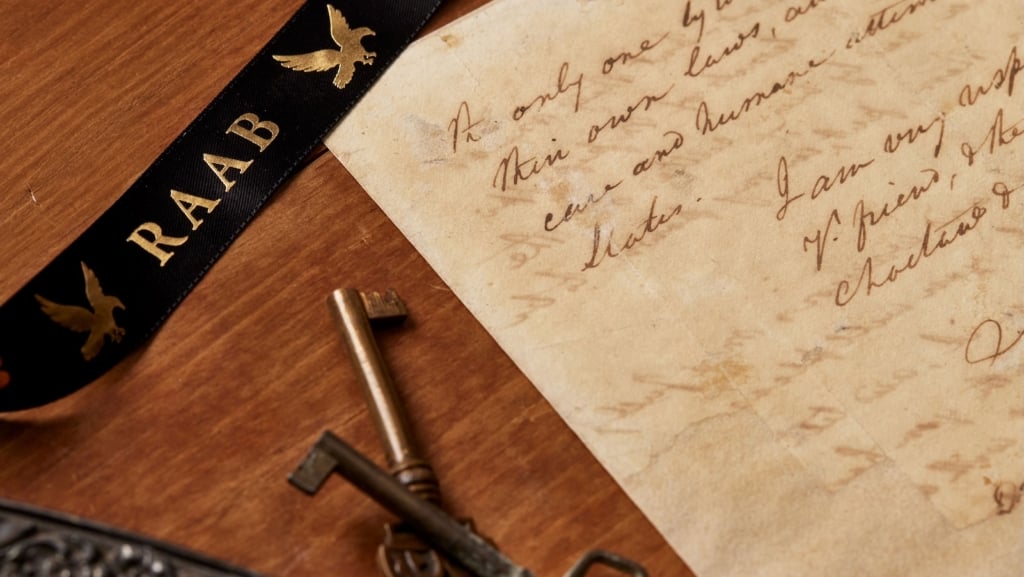
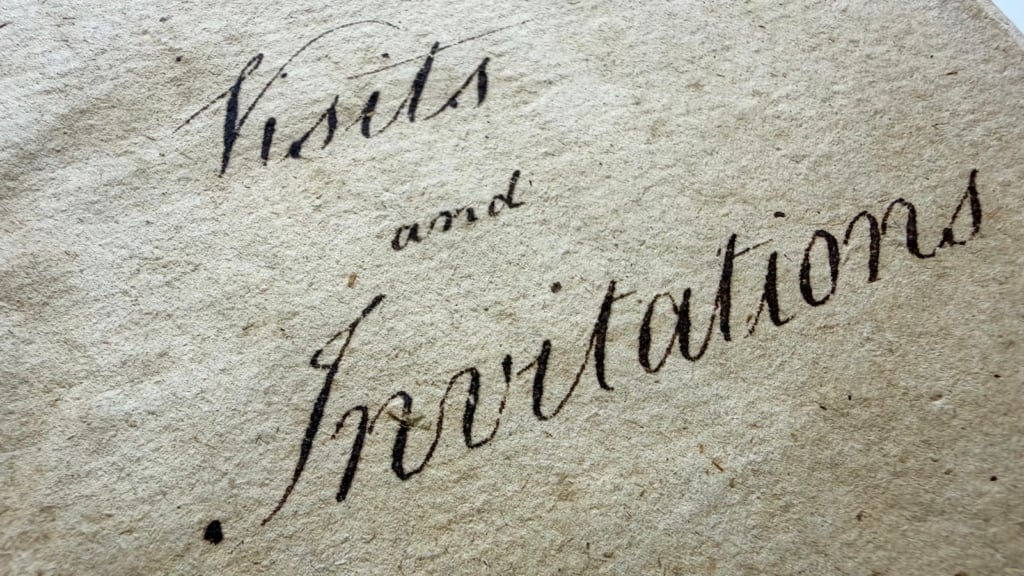
This is the free frank that accompanied that letter. Autograph document signed, Annapolis, December 31, 1783, a full sheet addressed in Jefferson’s hand reading “His Excellency Governor Harrison, Richmond”, and signed at the lower left “Th: Jefferson.” Harrison’s docket is also present, reading “Mr. Jefferson’s letter, Decr. 31, 1783.”

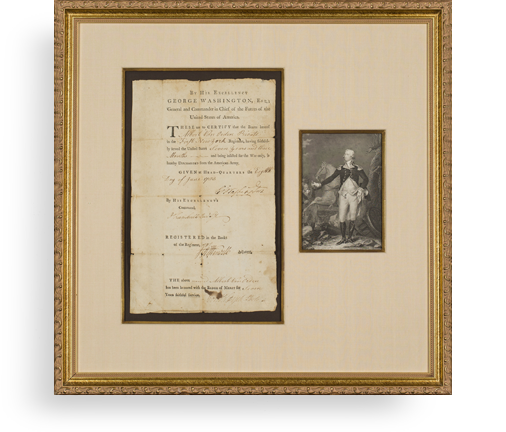
Frame, Display, Preserve
Each frame is custom constructed, using only proper museum archival materials. This includes:The finest frames, tailored to match the document you have chosen. These can period style, antiqued, gilded, wood, etc. Fabric mats, including silk and satin, as well as museum mat board with hand painted bevels. Attachment of the document to the matting to ensure its protection. This "hinging" is done according to archival standards. Protective "glass," or Tru Vue Optium Acrylic glazing, which is shatter resistant, 99% UV protective, and anti-reflective. You benefit from our decades of experience in designing and creating beautiful, compelling, and protective framed historical documents.
Learn more about our Framing Services