





For the Inspired by History podcast, we’re producing a series of episodes on how to start and build a collection of historical documents. In the second of this series, we speak with Nathan Raab, president of The Raab Collection, about basic collecting terminology as applied to historical documents and autographs.
Listen to the interview below or via your podcast player of choice. Or, if you prefer, read this lightly edited transcript of the conversation with photos and embedded links to more resources.
Today our focus is on basic terminology that collectors should know if they’re buying historical documents and autographs. The historical document world has its own jargon. Let’s go over some of the most commonly used terms and acronyms.
Nathan: The industry has terminology. It comes in the form often of abbreviations, but not exclusively, which distinguishes how, in what capacity, by whom a document or letter or photograph was created, and this allows us, in a very short period of time, with the aid of perhaps just a few letters, to understand exactly what we’re looking at.
Okay. So something like ALS.
Nathan: So the first letter in most of these terms will tell you whether the person who signed the letter or the main figure involved is also the person that wrote it.
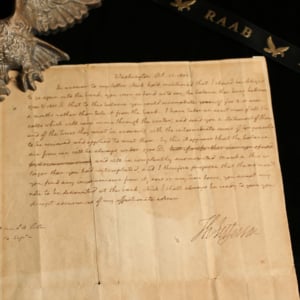
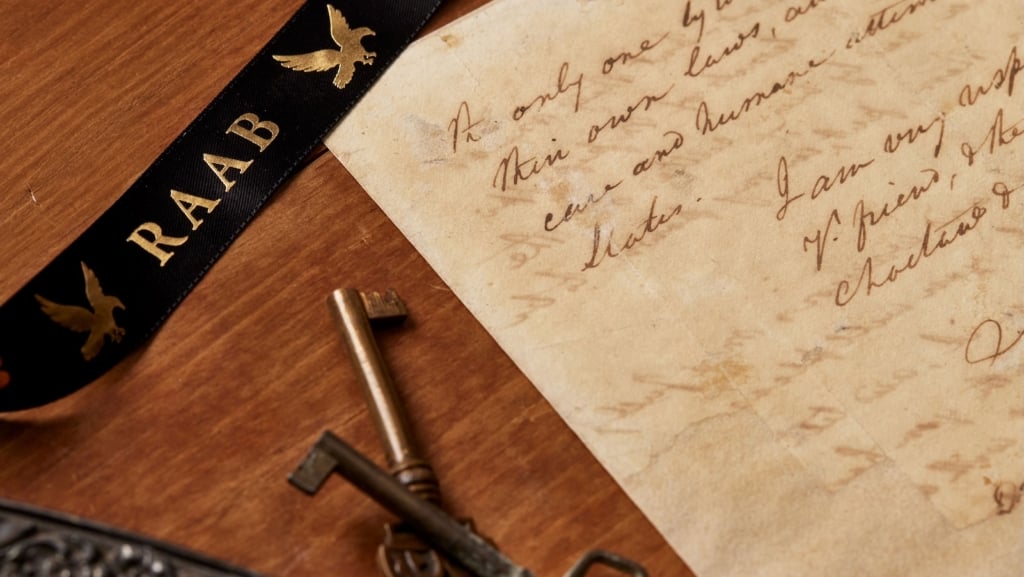
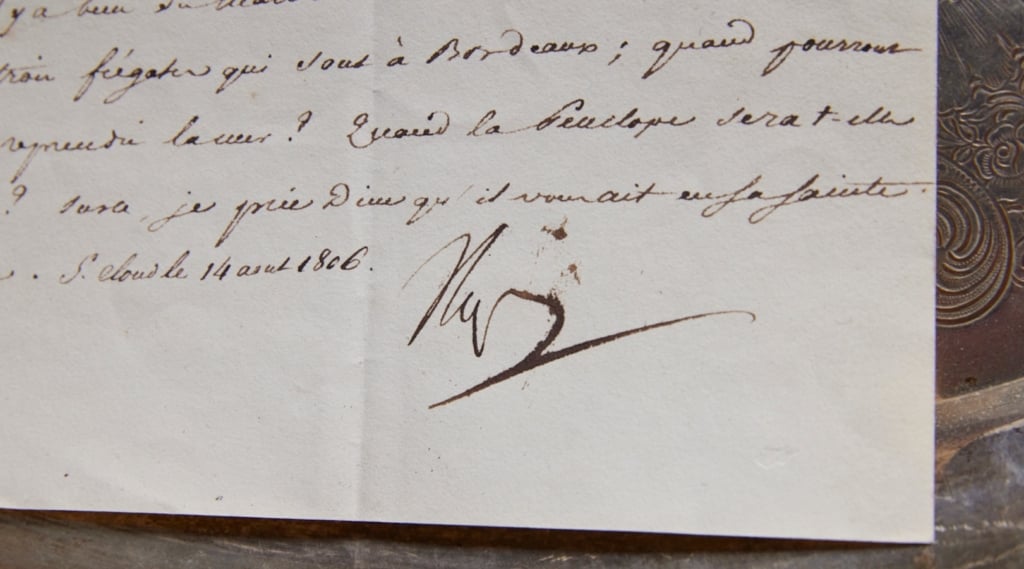
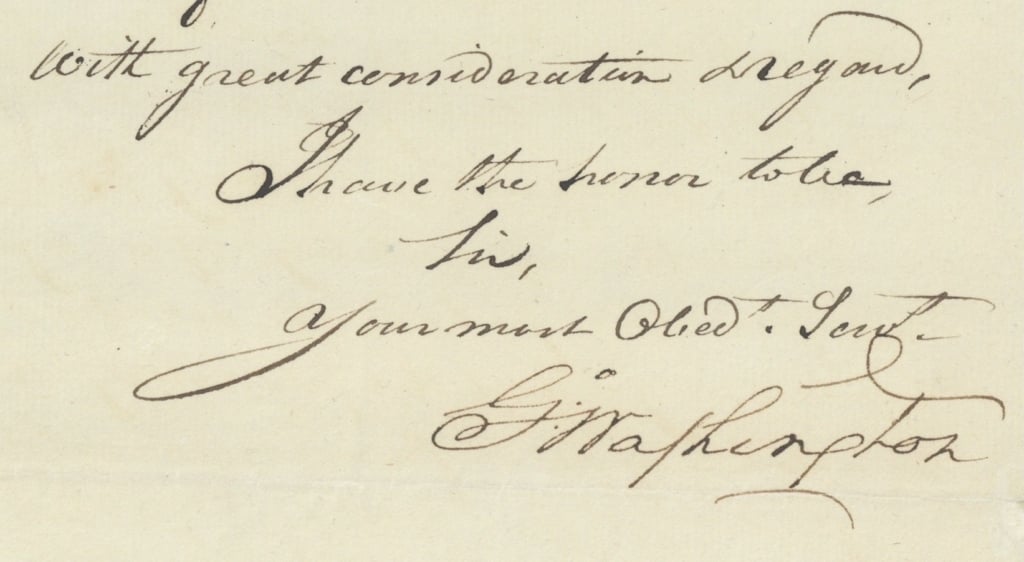
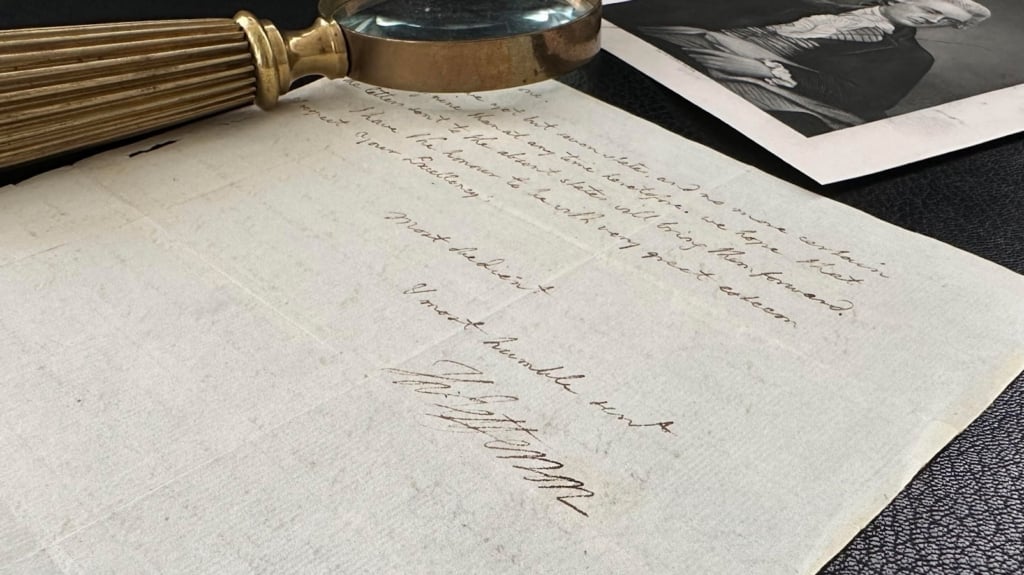
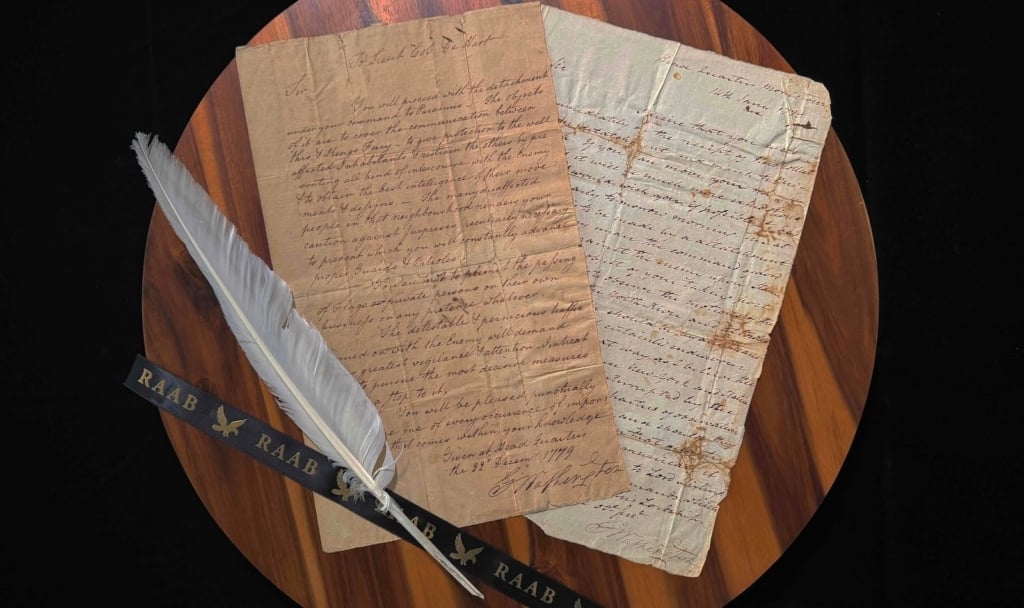
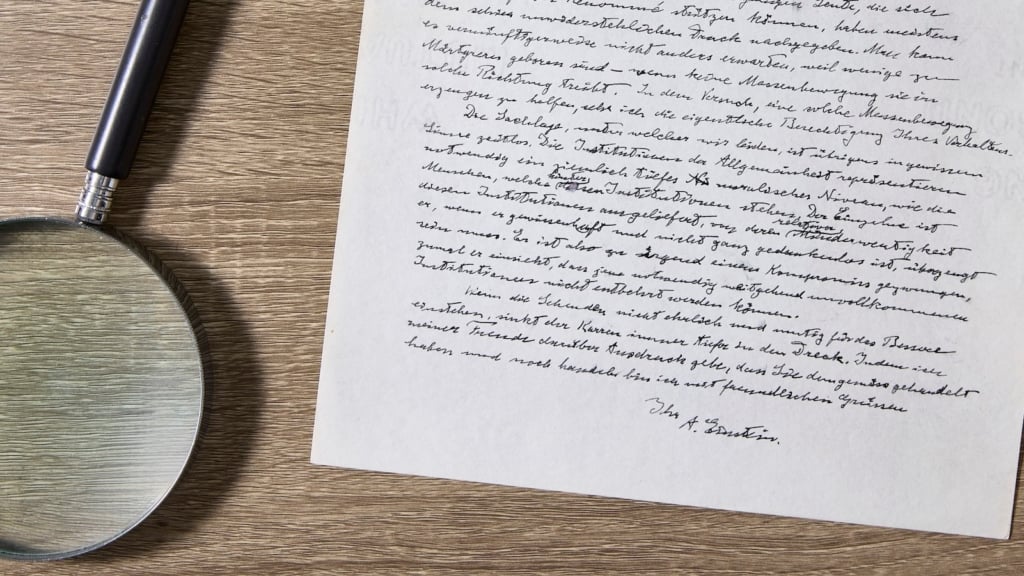
So, for instance, in ALS, it would be Autograph Letter Signed, and what this tells you is that the person who signed the letter, the Autograph in the term, is also the person that wrote it. So an example of this would be if George Washington sat down at his desk, wrote to, let’s just say Thomas Jefferson, about foreign policy without the use of an aid or an assistant, wrote the letter himself completely and then signed it. All in the hand of one person, we would call that an ALS or Autograph Letter Signed.
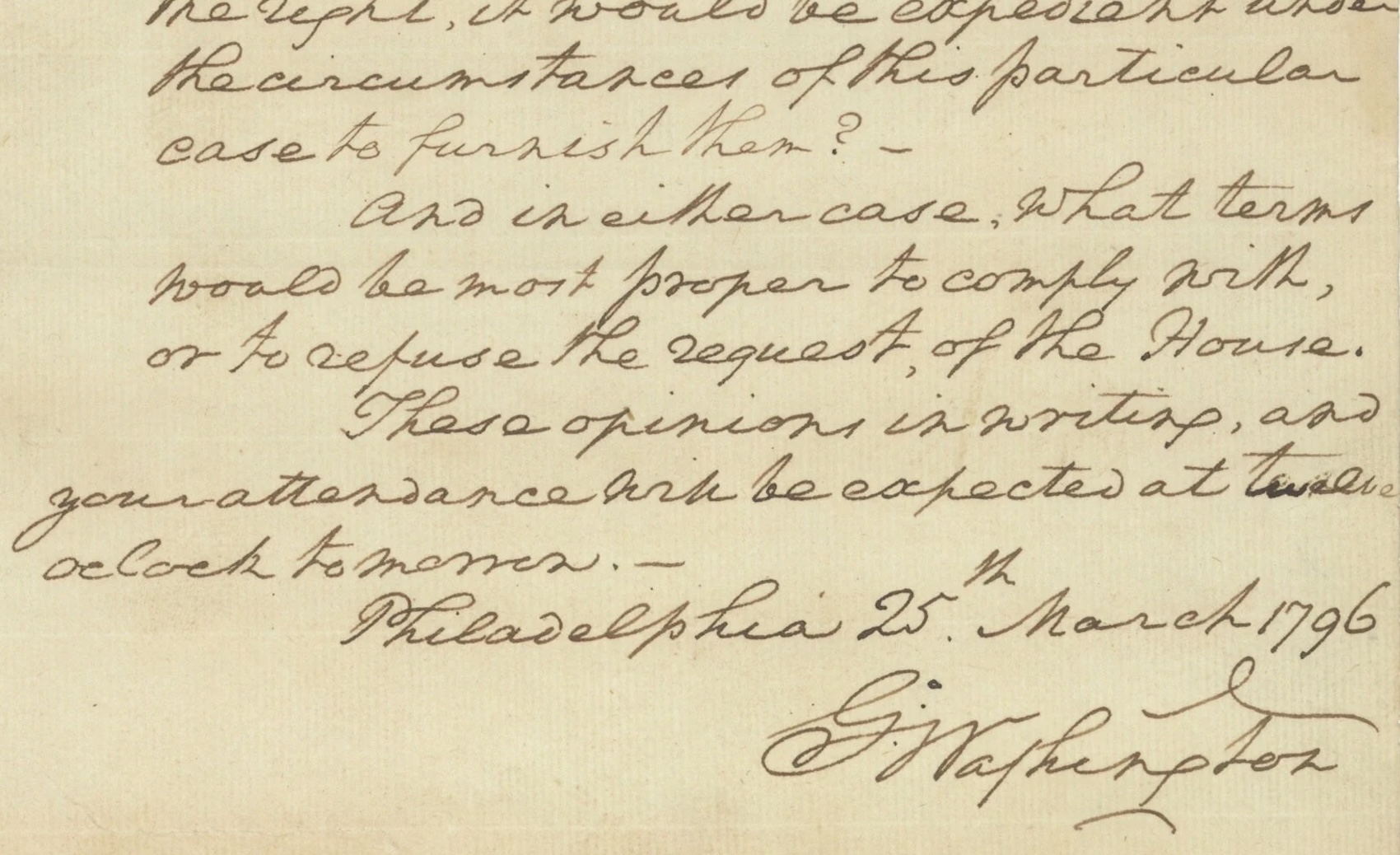
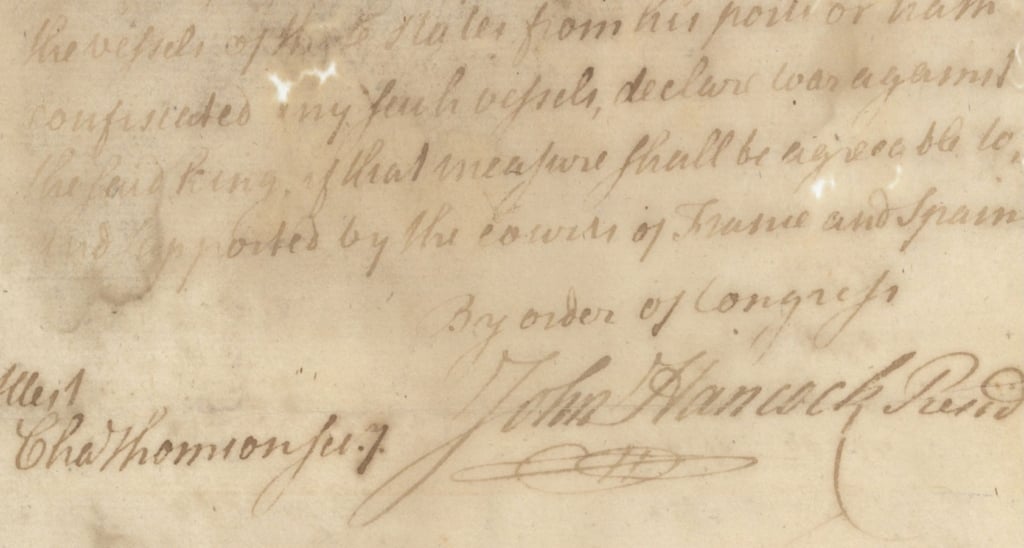
Conversely, if he in fact turned to Tobias Lear, his secretary, aid, assistant for a large swath of his life, and said, ‘write me the following letter.’ Lear does it, and then Washington signs it. That would be a LS, a Letter Signed. Not in the hand of Washington. There’s no A in there. Likewise, during the war, maybe Alexander Hamilton writes a battle order at Washington’s request. We would call that a LS, Letter Signed, as long as Washington signed it. And the industry considers this to be written by that person with the distinction that the body is written in someone else’s hand, even if he signed it.
How about TLS?
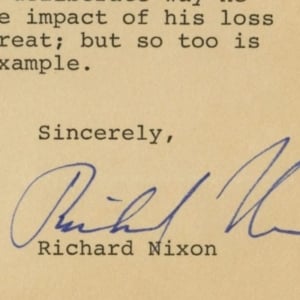
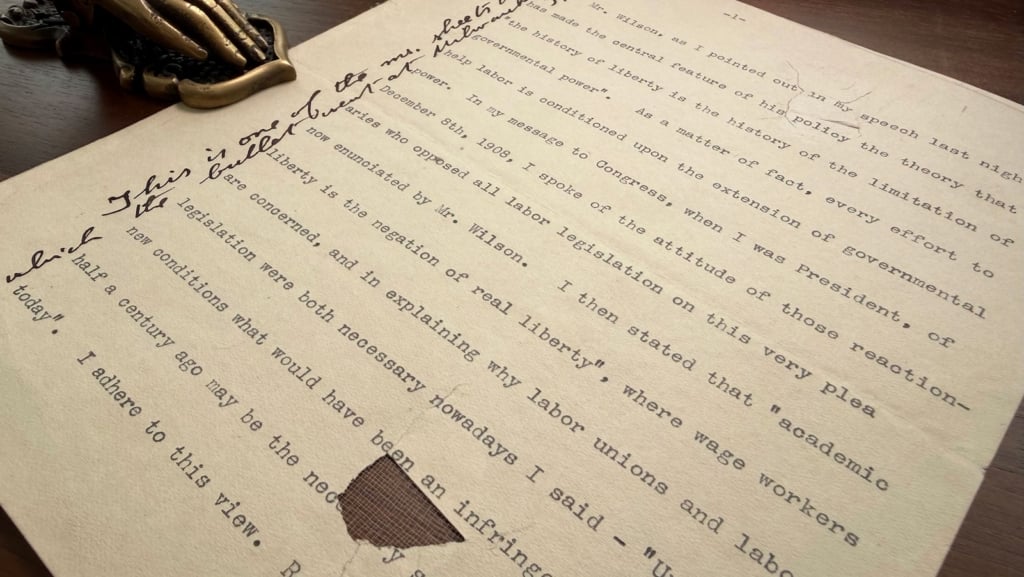
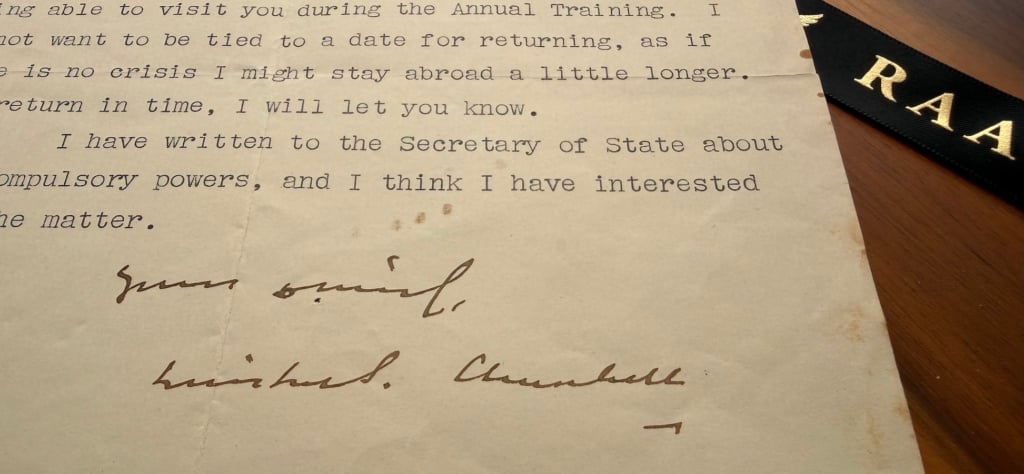
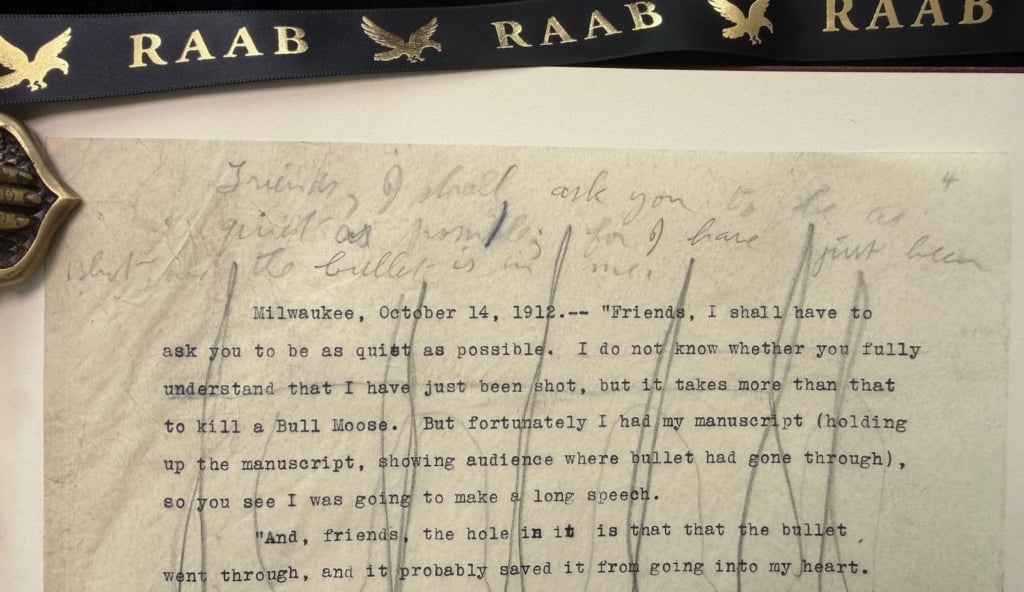
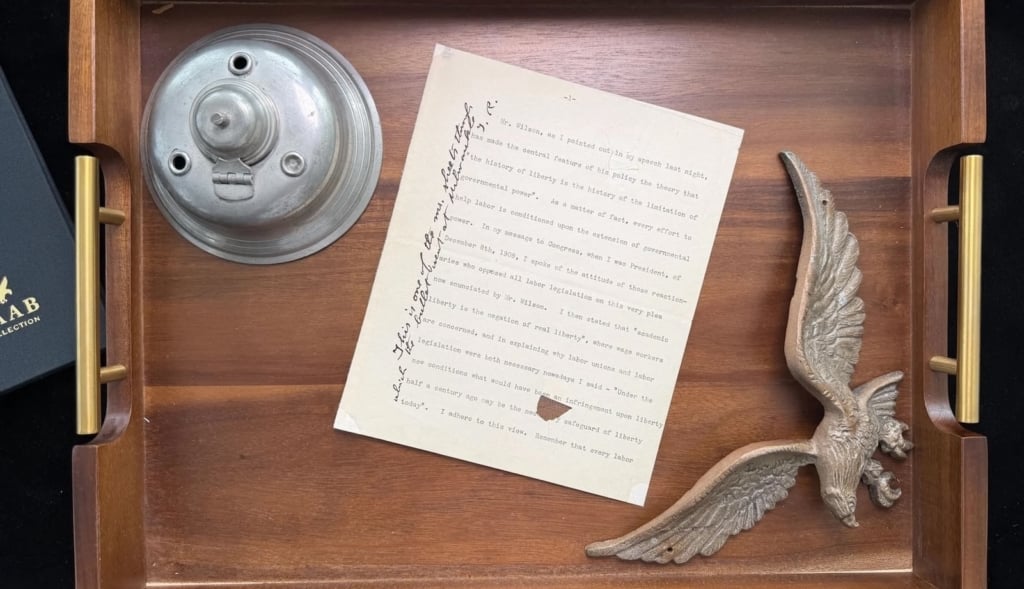
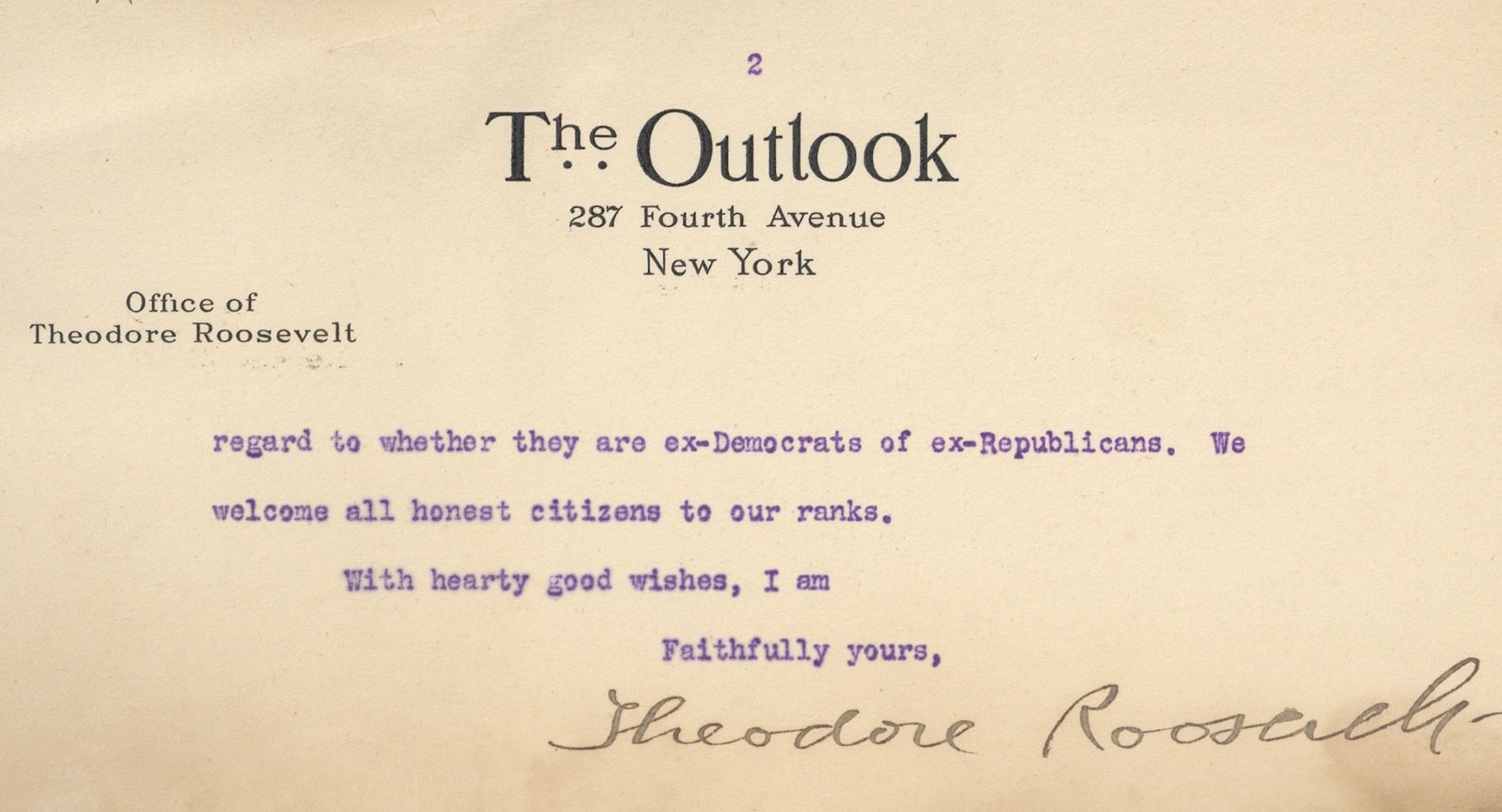
Nathan: TLS. The T meaning Typed. The same principle applies, and you see a lot of those with the invention of the typewriter, where it was considered thoughtful, polite, and respectful to sit down and type these letters rather than write them. So you see in most cases, TLSs of, for instance, Theodore Roosevelt, Susan B. Anthony, the Wright Brothers. You see these things start to develop with the proliferation of the typewriter. It’s the most common form.
How about AM or AMS?
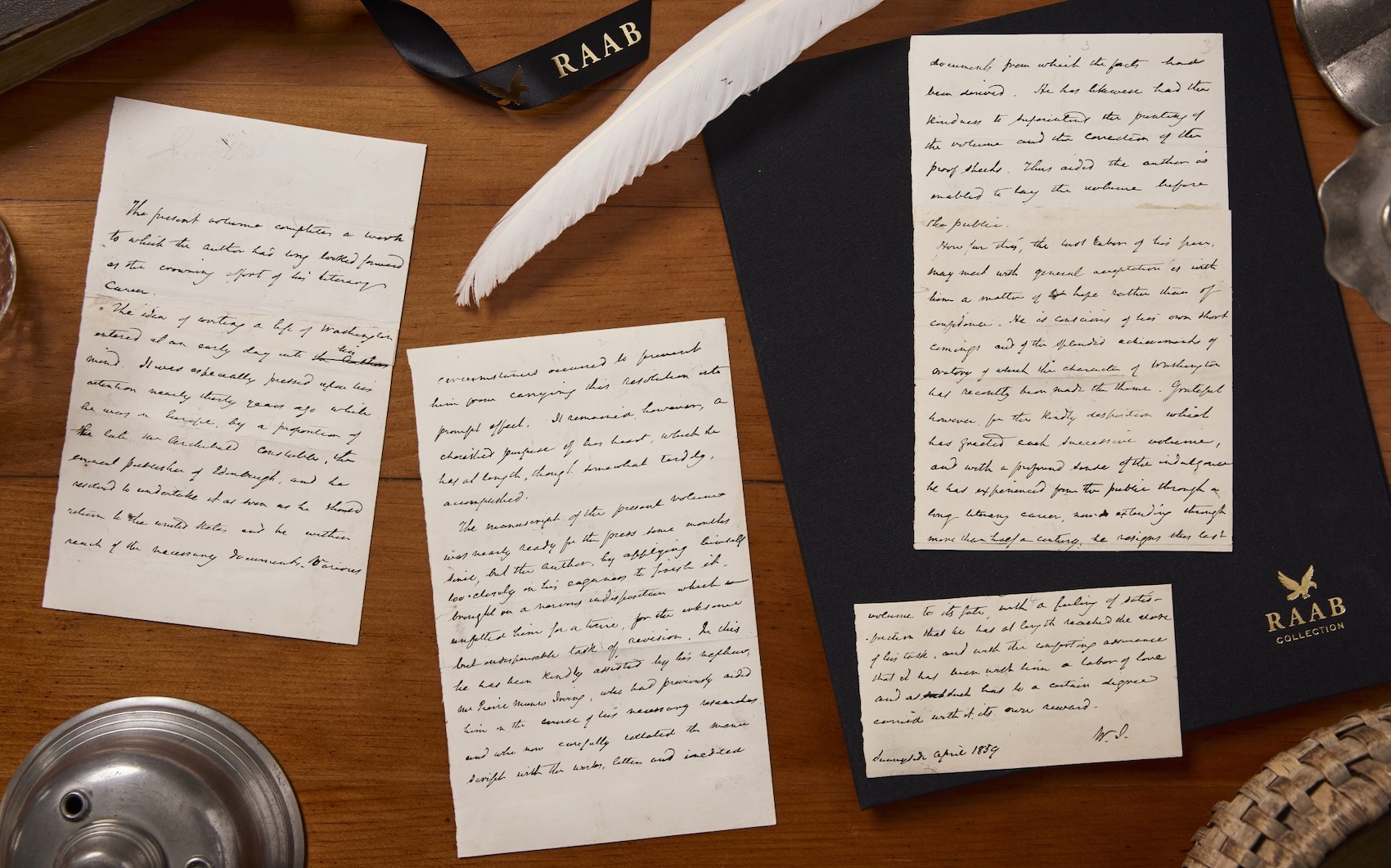
Nathan: Here you’ve replaced the L with an M, meaning you replaced the word Letter with the word Manuscript. Manuscript is a catchall. In a sense, manuscript means in its strictest form, handwritten. The industry considers manuscript something different than, for instance, the literary world would, where a manuscript would be the draft of a book or the draft of some other major publication.
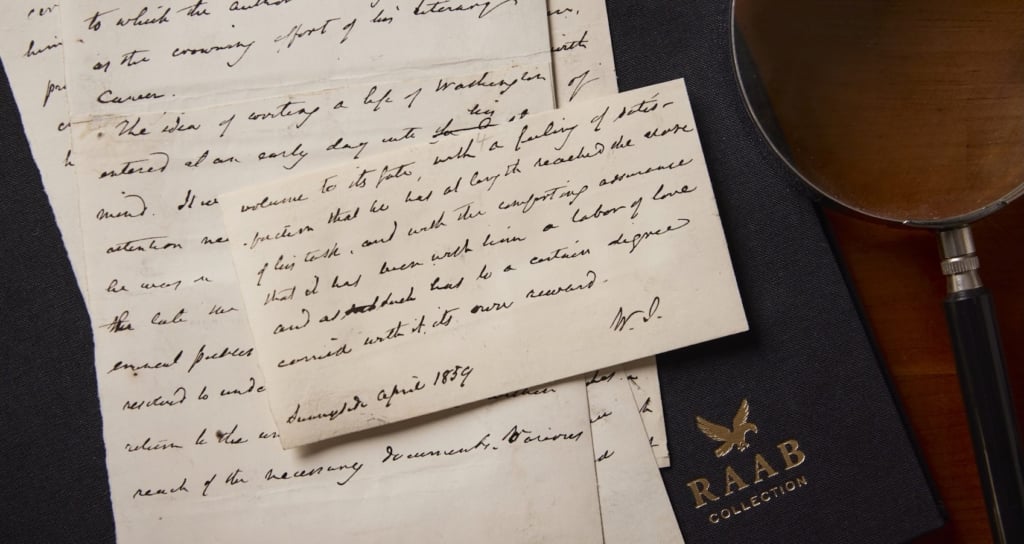
An example of a manuscript, an AMS, an Autograph Manuscript Signed, might be if Winston Churchill sat down and started drafting A History of the English-Speaking Peoples and maybe a couple pages of that come up for sale. Even if he signed it, in this case, he would’ve signed it at the end, you would have an AMS. We have had draft chapters written in the hand of Washington Irving of his great work on the biography of George Washington, entire chapters where he’s drafted it and signed it at the end. It’s not a letter because it’s not datelined or addressed to a specific person. It’s not a document in that it serves no formal capacity. It’s not an official note or a check or something that would make a document out of it. It’s a manuscript, and that could be a musical manuscript. It could be all sorts of things. It could be a diary, could be something that doesn’t easily fit into the world of letters and documents.
You gave me a good segue into DS.
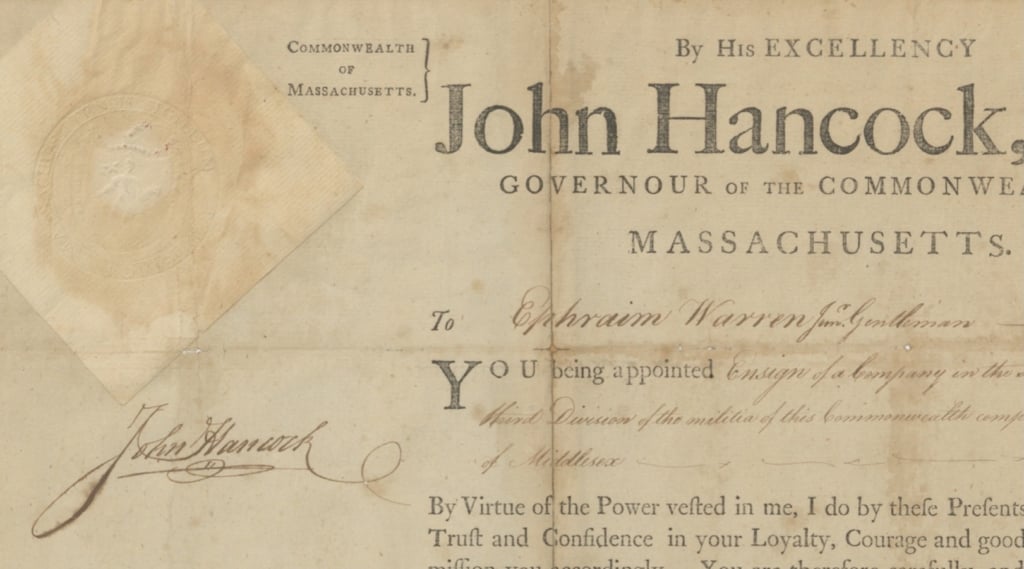
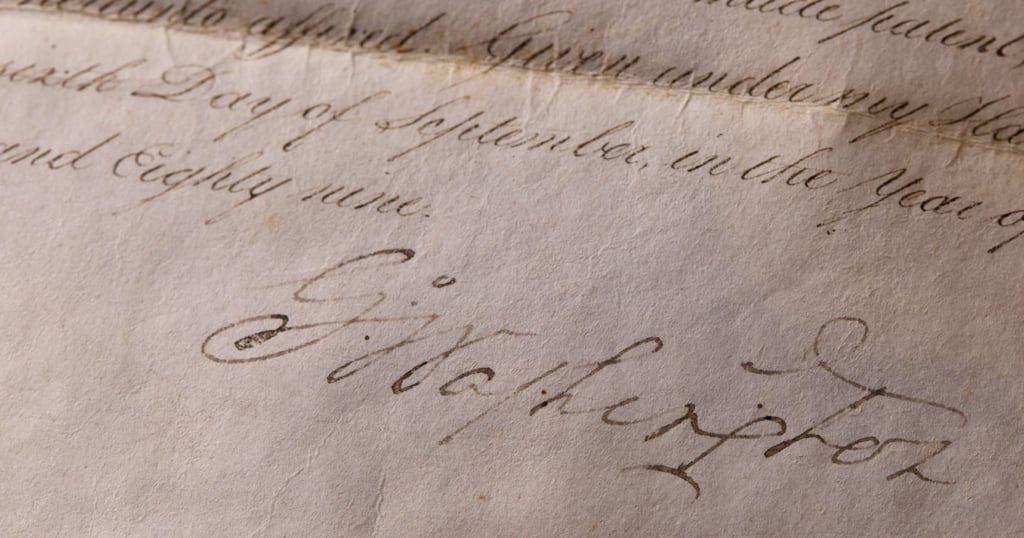
Nathan: Now there you’d have a DS and an ADS. A DS is, the easiest way to think of this is the diploma sitting on your wall is a DS, Document Signed. Well, in these cases, it’s printed or somehow created and then signed, presumably by hand, by whatever governing authority is at the university.
Likewise, a military appointment, a presidential military appointment, or a civil appointment would be a DS. Or, a discharge document. At the end of the Revolutionary War, Washington discharged all of his officers to go live in civilian capacity. These are not written out entirely by him, but they’re all signed by him. He signed every single one as a thank you to his soldiers. And those are DSs, Documents Signed.
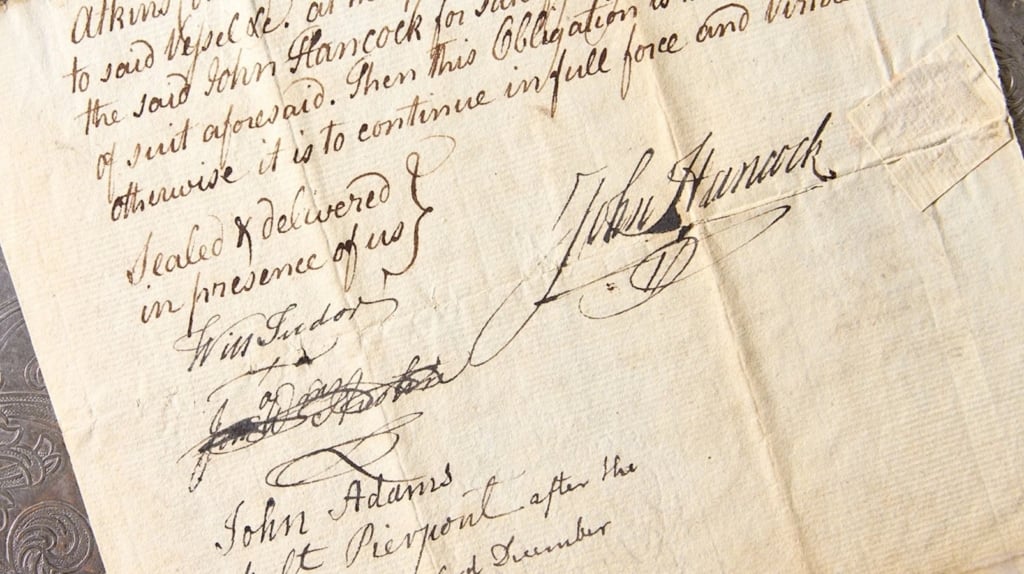
An ADS would be any similar thing where the person who signed the document is also the person that filled out the entirety of the document. This could be a contract, sticking on the Washington theme, if Washington wanted to sell land to or buy land from somebody, he could write that entire thing out himself, as he often did. Then he could sign it, and that would be an ADS, an Autograph Document Signed, entirely in his hand, signed by the same person.
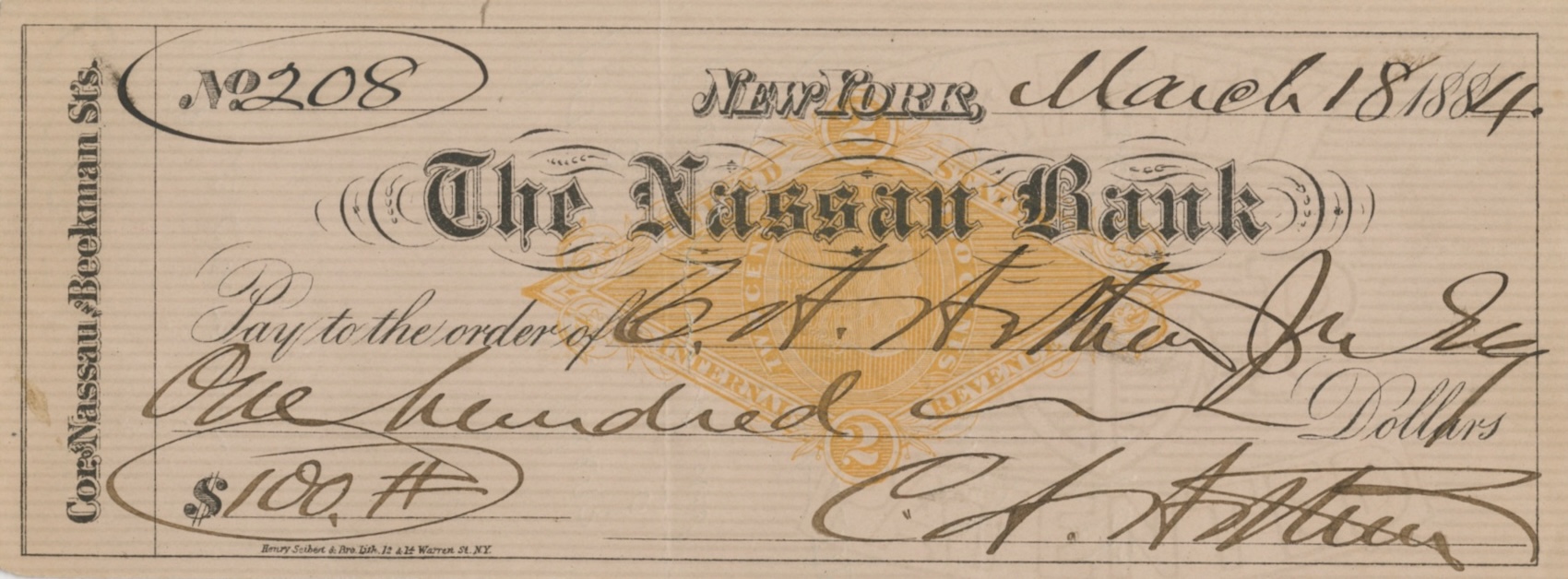
A check is another example. Long ago they would write out checks. They would just be these little notes they would write out on sheets of paper. And if the check is entirely in the hand of the person who signed it, it’s an ADS. If it’s not, the checks we write today are technically DSs, Documents Signed, because we’re not writing them out. We’re not saying, ‘pay to the order.’ We’re just filling them out.
Okay. One more: SP.
Nathan: That’s Signed Photo. That one’s self-explanatory.
I often think we should also have SB for signed book, but I never hear that.
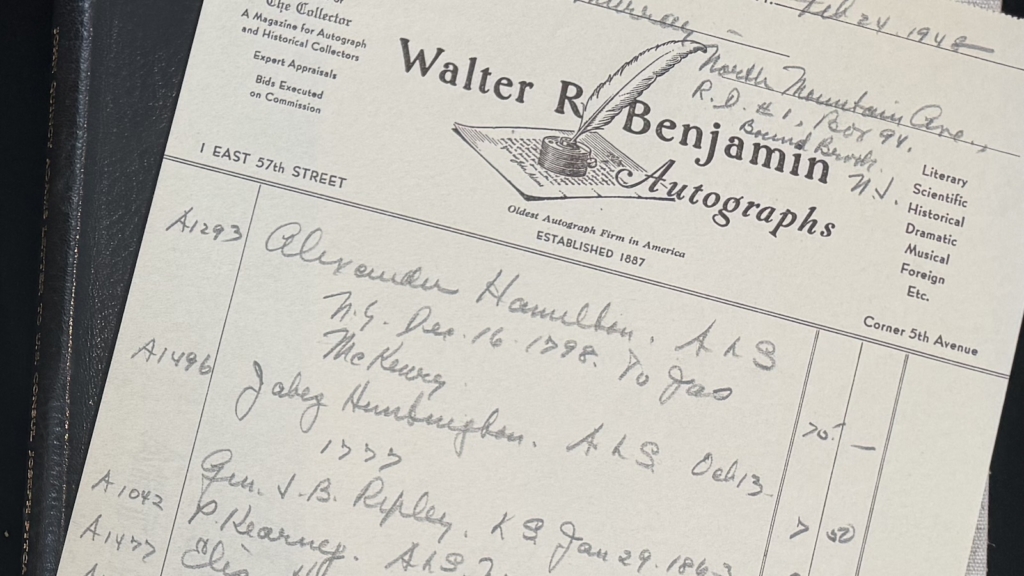
Nathan: I’ve not seen that in abbreviation. It’s common to see the terminology book signed. The word signed comes at the end for whatever reason. These abbreviations have been around for a long time. If you peruse Walter Benjamin catalogs from a hundred years ago, he’s already using them. So this is not new terminology, and there are a variety of ways that people write them out. In many cases, people write out the entire word. So you’ll see a description of a letter, Autograph Letter Signed, followed by the dateline and other identifying details. In a formal catalog, you’ll often see them fully written out. People refer to them as ALSs, DSs, and it’s good to know the terminology. That way you’re not expecting something to be typed and it shows up handwritten. You’re not expecting something to be written by Washington, and in fact, it was written by Alexander Hamilton and only signed by Washington, which, by the way, would be amazing. These are not negatives, but it’s just good not to be surprised. In life, I think it’s good not to be surprised.
A couple of lesser known terms and phrases. What is meant by secretarial?
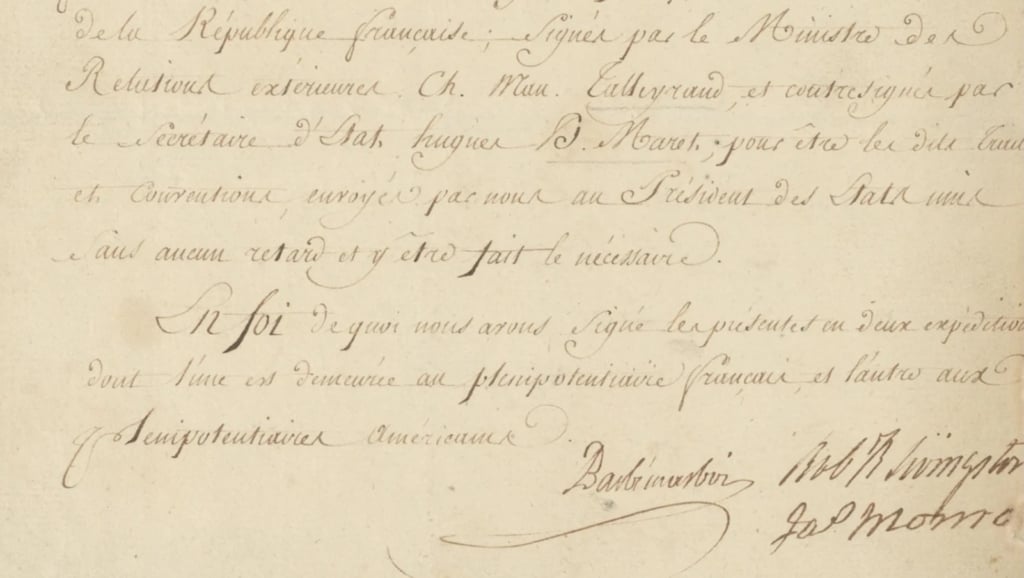
Nathan: If you’re asking what is meant by secretarially signed, that means that rather than sign the piece, him or herself, it was delegated to a secretary.
This happened with some presidents?
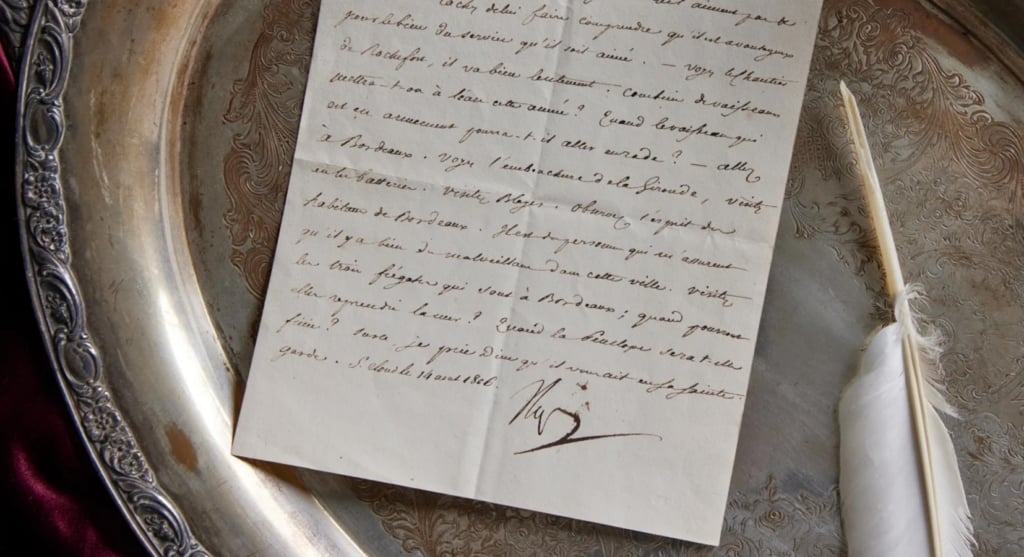
Nathan: Yeah, a lot of the 20th-century presidents would turn to secretaries – John F. Kennedy is notorious for the number of secretaries signing his name – but a lot of presidents wouldn’t allow their name to be signed by a secretary. It’s very rare to find a secretarially signed Franklin Roosevelt. I’m not sure I’ve seen one from his presidential term. I have seen them as governor. Harry Truman didn’t use them often. Theodore Roosevelt. So you know, you do see secretarially signed documents, letters. The most common, most frequent area where we see secretarially signed documents is the French Kings. French royalty used them a lot. But with the American presidency, land grants signed after Andrew Jackson‘s first term are almost always, in 99.99% of the cases, secretarially signed.
What is a clipped signature and how does that fit into all of this?
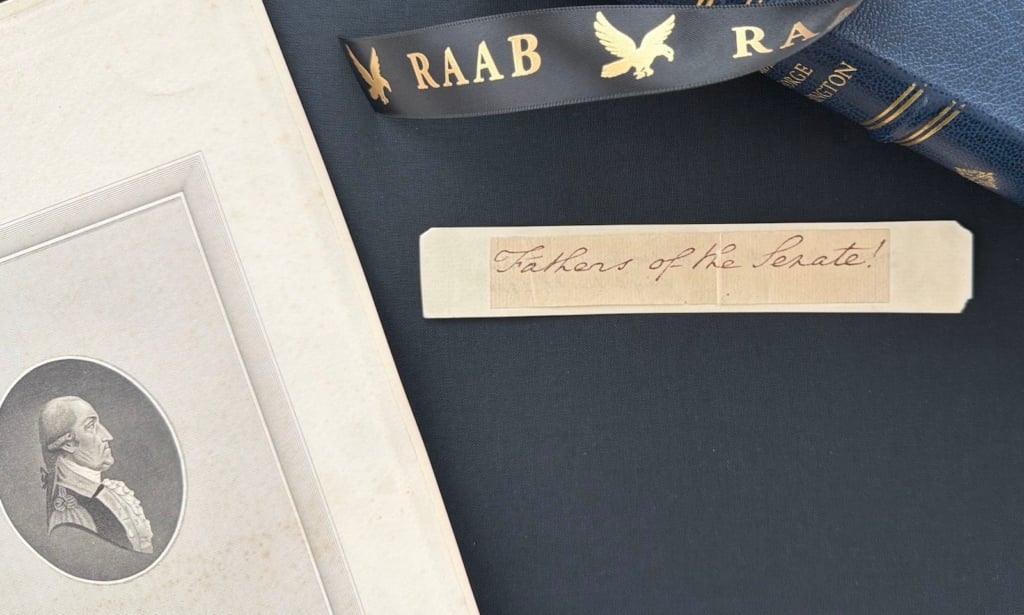
Nathan: Clipped signatures are literally signatures that were clipped off larger documents or letters. So if you get a little piece of paper that’s signed and it’s described as a clipped signature, it means that it originally was on something that was larger.
It was a habit during the Victorian era to cut signatures off documents. They were mainly keepsakes. The value wasn’t super high. And a lot of documents were destroyed in that process. This being different from, for instance, a signature on an album leaf where there was no larger signature originally, there was no larger document originally.
With regard to quality, tell us about the pros and cons of, say, an ALS versus LS versus clipped signature.
Nathan: You know, I think it’s important to specify that there’s no value judgment placed on these things. It’s not as if seeing a LS or a DS or a clipped signature is necessarily worse. The context matters. So I don’t know, would you rather have an autograph letter signed of George Washington talking about farming? Or would you rather have a LS where he didn’t write out the body, but he did sign it, sending the first act ever passed by the U.S. Congress? I mean, to me, it’s not a close call. You would rather have the LS, and it doesn’t matter that he didn’t write the body, he signed it. And the collecting community would agree with that.
Likewise, a clipped signature – I suppose all things being equal, you’d rather have a full document or a letter – and a clipped signature of Washington, it would be less valuable than a full letter, but if you can’t afford a full letter and the clipped signature is your only way to connect with somebody, then it would be cheaper, it would allow you in a way to buy something that you couldn’t otherwise afford. And, of course, if you were to find a clipped signature of a very rare autograph, the market would absorb that well. People would be willing to pay good money for that. A good example would be, for instance, Button Gwinnett, signer of the Declaration of Independence. If you were to find an authentic clipped signature of William Shakespeare, it wouldn’t matter that the thing was separated from the original document. If you could get past the logistical steps of authenticating it, you’d make millions and millions and millions of dollars.
I’m thinking too of William Henry Harrison. Isn’t his signature so rare as president that a clipped signature would be valuable?
Nathan: Very valuable. We have a clipped signature of his now. The key with clipped signatures is that they can be easier to forge, so you have to make sure you understand where it came from and identify it as a clipped signature, rather than just somebody found an old sheet of paper and wrote on it. So you just want to be careful with that.
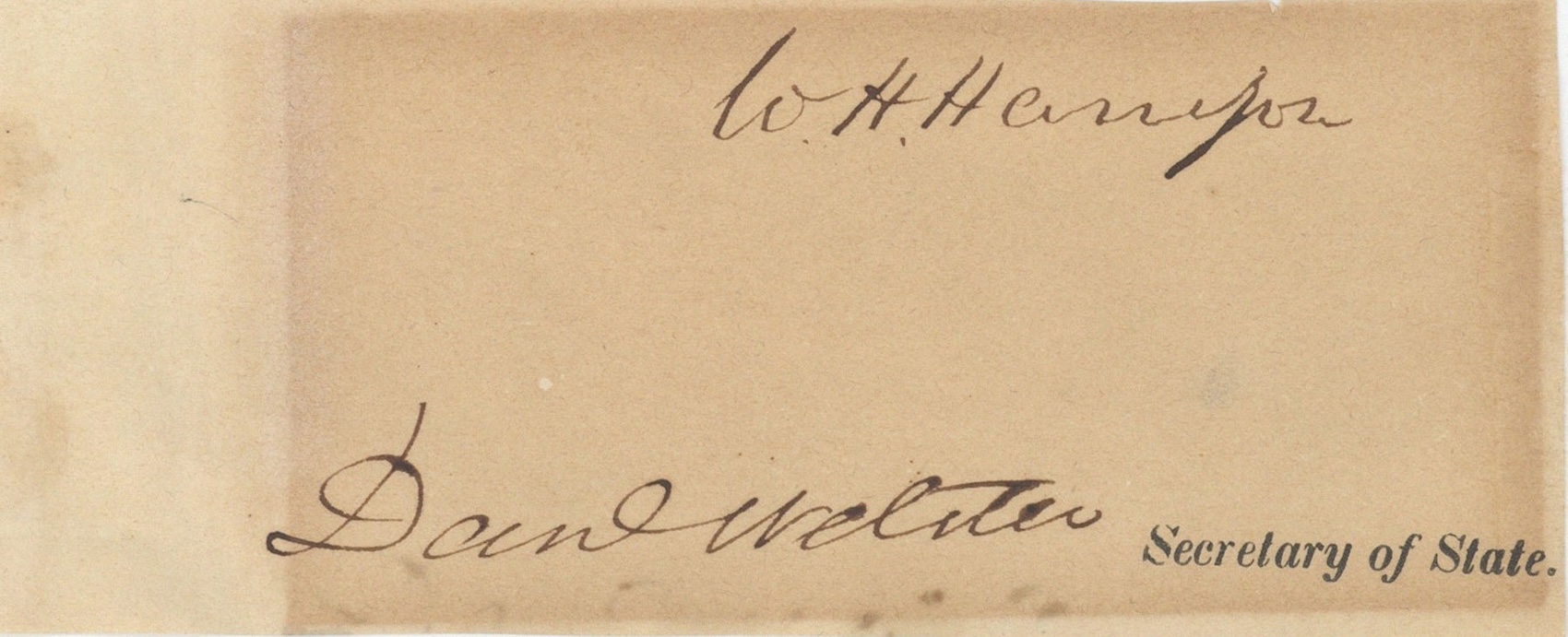
As you become more experienced reading document descriptions, you’ll see references also to condition-related terminology. Over the course of time, documents have absorbed marks of that time. They’ve lived their lives, and just as humans get wrinkles and joint stiffness, or any number of human marks of human aging, so documents get their own. Finding a document in pristine condition that’s 200 or 300 years old should be viewed with some suspicion because every document has condition-related marks, and the absence of those marks can be their own red flag.
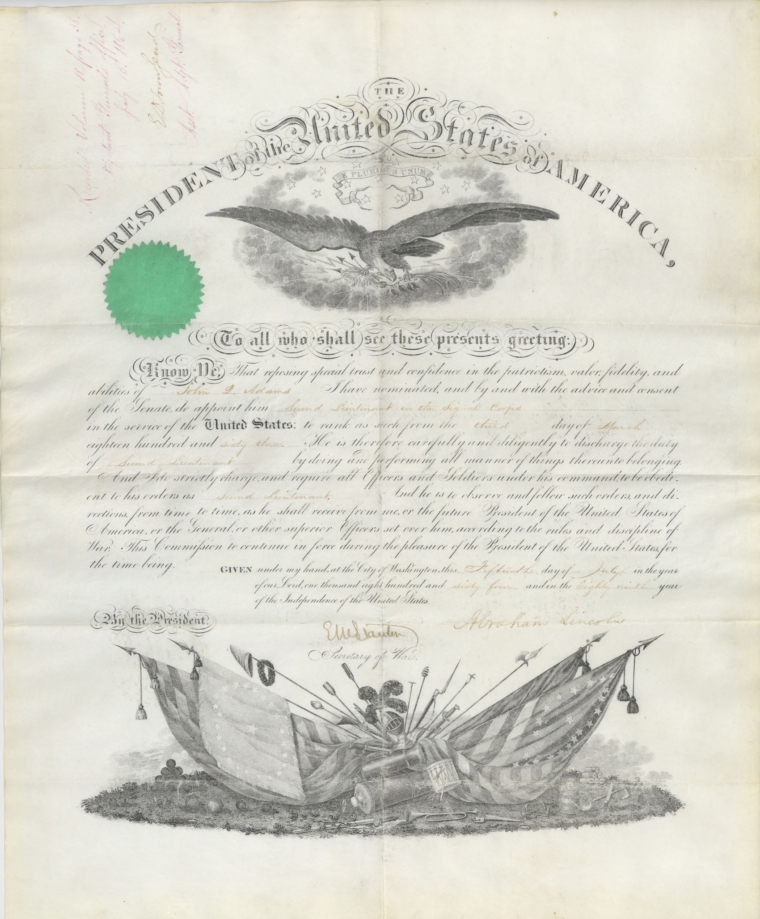
For instance, any military commission signed by Abraham Lincoln is going to be folded, and it will be described as horizontal and vertical folds and it may mention whether it affects the signature or doesn’t affect the signature, e.g., ‘expected horizontal and vertical folds, affecting the a in the signature.’ That might be the kind of reference that you would see, but if you found one without folds where it didn’t affect anything, you’d have to ask yourself, in what capacity was this handed down? Given to a soldier, the soldier himself decided not to fold it, kept it with him, took him into the battlefield and didn’t fold it, and it survived all this time without being folded. There’s no scenario. Those documents are universally folded. They were all folded. The absence of a fold is either evidence that it’s been extensively restored by a conservator, or that it’s not authentic. It’s a copy of some kind.
So the kind of terminology that you might see: foxing is a common one. Foxing, you’ll see stains on the document. They’re typically reddish, brownish, and they come from moisture over time. Oftentimes a document kept inside a frame exposed to too much moisture where it can’t breathe will develop foxing. Pages of a book will develop foxing.
You might see terminology like separated at the folds. So just as I’m saying, these things were universally folded. In some cases with paper and not with vellum, you have minor separations at the folds, which is, the document is weakest at that point, and the paper tends to be separated from itself. It’s very easily fixed. It’s not a major condition issue in most cases.
You might see silking – an early conservation technique was to apply a form of cloth to one of the sides of a document, which would keep it together and reinforce it. That’s no longer used today, and it’s very easily fixed by a competent conservator. Some documents that were collected in the early 20th century are defined as silked.
Encapsulated: This is the kiss of death in almost all cases. Once a document has been laminated – I guess it depends on the form of encapsulation – but once a document has been laminated, using a heating process, you cannot separate the document from the lamination because the lamination, the plastic, whatever’s used, is bonded to the letter, so it cannot be separated. Some things are encapsulated and can be cut out easily. They’re not bonded to the material. But if a document is described as laminated or encapsulated, you better start asking questions because not all of that can be fixed.
Those are common abbreviations, common terms that one sees. There are many others. As you can imagine, there’s a multitude of things that can happen to a letter over time, but reading the fine print is helpful. Now, it is true that in today’s world, we high-resolution illustrate all of our documents, and that is, or should be, the common practice. So that in addition to the description, you can now see a lot of the issues without even reference to the verbal description. For instance, if you see a water stain over the Abraham Lincoln signature, you don’t need to read the description, ‘water staining affecting the signature.’ If you see the back of a document and you can see that the pen has gone through the other side of the letter, you don’t need to read that there’s show-through from the front.
Within the industry, and for collectors, people had to find a way to succinctly express exactly what was being bought and sold. And you have to think about it in a world where there was no internet, there were often no illustrations, there were just lists, long lists of things that were being offered for sale, and you had to be able to describe in a short period of time, in just a word or a few words, exactly what you were selling so that when you shipped these things by the postal service – there was no FedEx or UPS back then – the buyer knew exactly what he or she was getting. And so this sort of terminological system was created to effectuate that, to accomplish that.
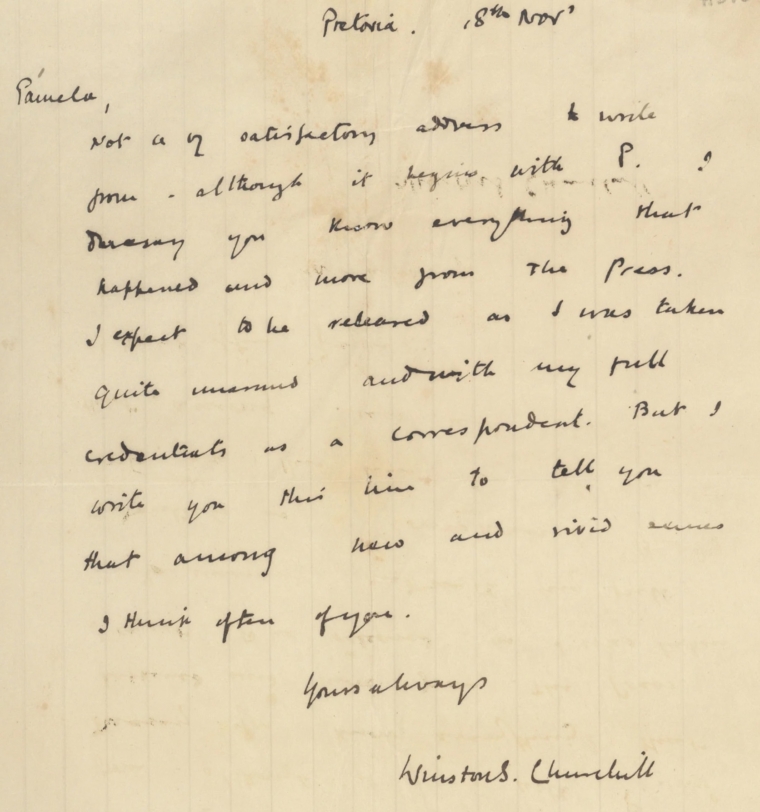
Let me add, if you see an abbreviation or a term of art, a term that belongs to this field, because there are too many to candidly remember right now or to list in any brevity, all you have to do is ask the seller. The seller has put an abbreviation on there, or a description, that you don’t understand, that word is there for a reason. These descriptive terms are used carefully and intently in most cases, so it is completely acceptable to ask and not just simply assume that you shouldn’t.
That’s good advice. I think people can be scared off sometimes by the terminology, by rare books, historical documents, manuscripts in general.
Nathan: Yeah, it’s a field where you’re dealing with people with a lot of experience, where words are used very intently. So if you buy a letter expecting that it’s entirely in someone’s hand and you get it, and well, the seller says, it said, LS, Letter Signed. A) It’s understandable that you wouldn’t know that as a new buyer. Hence the purpose of this, which is to educate. B) It’s also understandable that the person sold it on the basis of, the description is correct. The description accurately explains what it is. And so, like in all areas of life, it pays to know what you’re doing. It pays to be educated. Collectors in the beginning, they’ll make mistakes, but you learn. You just hope your mistakes aren’t too expensive.
To learn more, listen to other episodes in the Masterclass series, subscribe to hear more from Inspired by History, and visit The Raab Collection website’s Learn section.