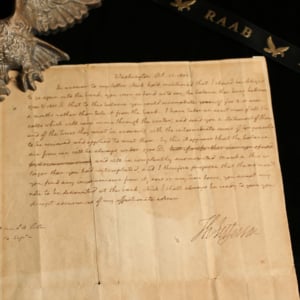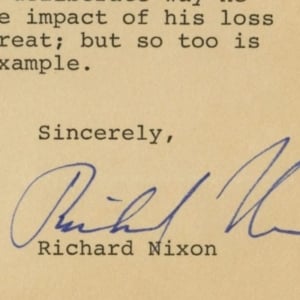


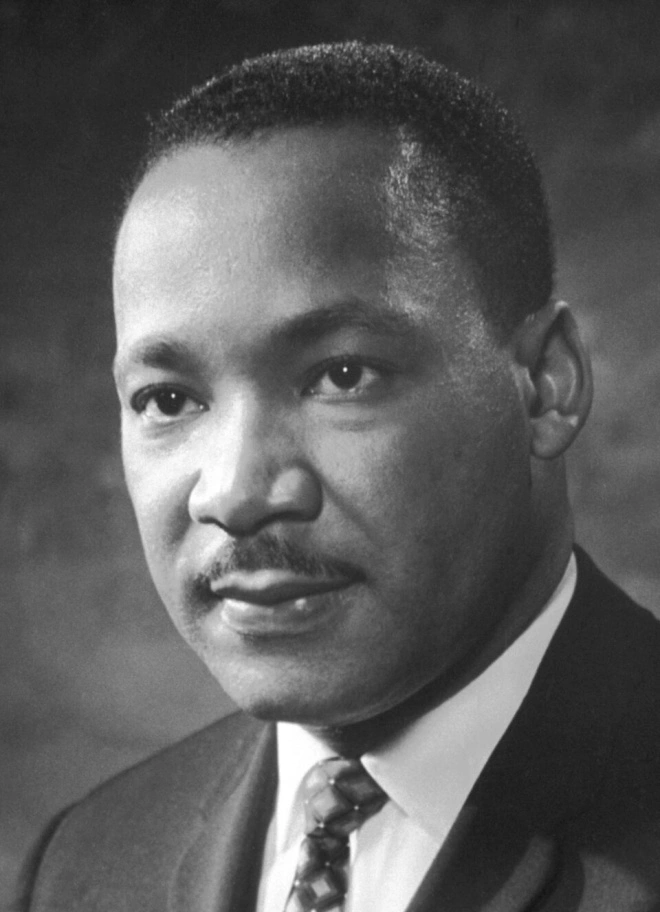




For the Inspired by History podcast, we’re producing a series of episodes on how to start and build a collection of historical documents. In the first of this series, we speak to Steven Raab, founder of The Raab Collection, about why people collect.
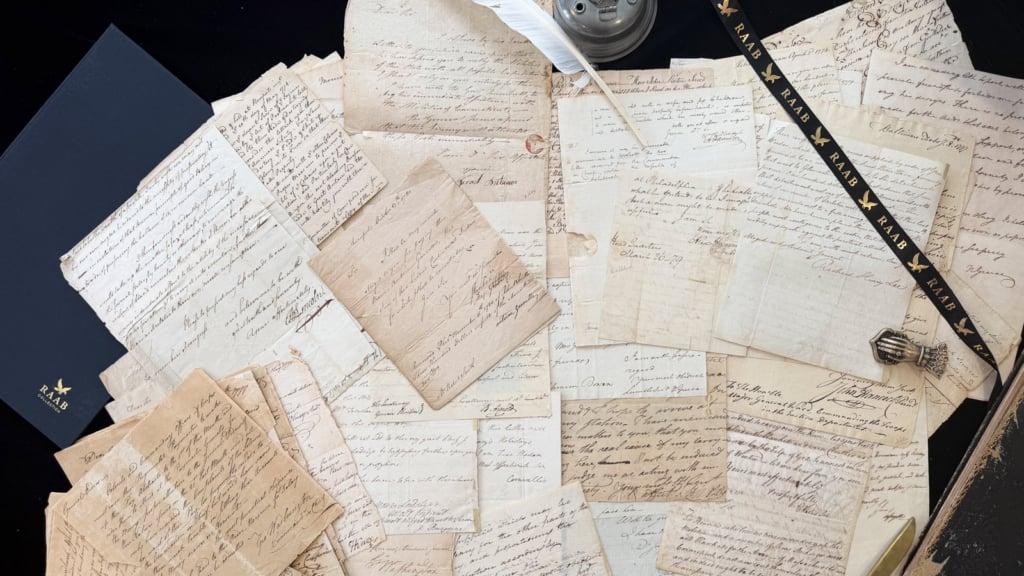
Listen to the interview below or via your podcast player of choice. Or, if you prefer, read this lightly edited transcript of the conversation with photos and embedded links to more resources.
The theme of this episode is ‘Why Collect,’ so we’re going to delve into the history of collecting, discuss what compels people to become collectors, and offer advice on how to get started. So, Steven, give us a brief history of collecting, particularly the collecting of autographs and historical documents.
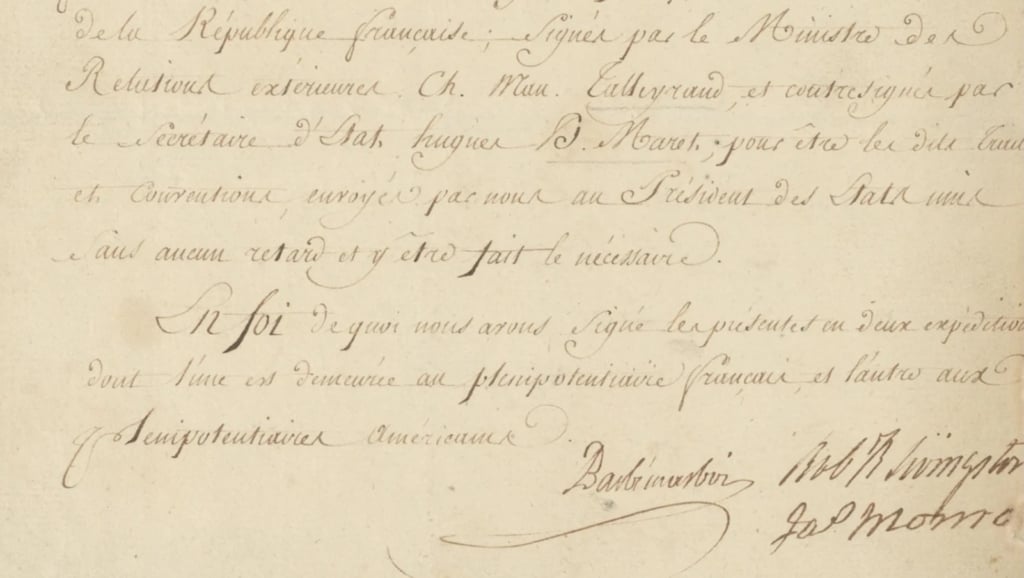
Steven: Well, the collecting of autographs and historical documents goes back a long way. In the Roman Empire, in Rome, there were autograph shops and the autograph documents signed by Augustus Caesar, those were pretty inexpensive because there were a lot of them. But when it comes to Julius Caesar, that was a real rarity and people really sought after that and sought to collect it.
Now I know that before Rome – this is probably farther back than you were thinking I was going to go – the important plays, important stories, and documents were stored in Ancient Greece in the temples. There wasn’t exactly a market for it, but they saw the value of these things and they preserved them and a lot of those ended up eventually in the Library at Alexandria, where, of course, they were all eventually lost. As far as more recent collecting, that goes back at least until the 1600s. People want to make a connection with these great men and women of history, and when you collect, it allows you to be part of their world. It allows you to better understand them. It allows you to feel closer to them. So, although there are some people that collect bad guys, that’s very few in number. Mostly people collect autographs of people that they admire, of people who mean something to them.
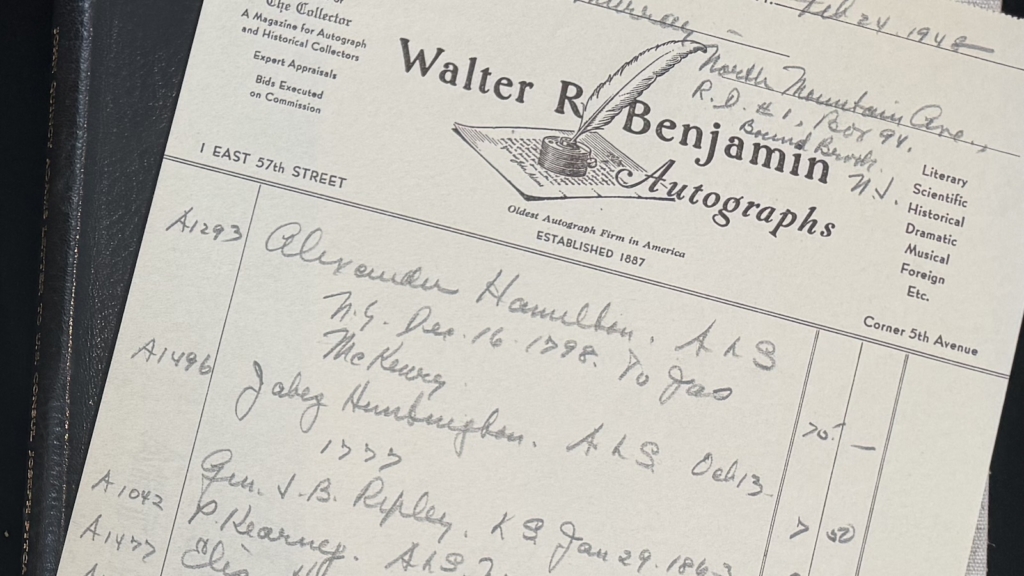
In the 1880s, Walter Benjamin founded an autograph firm and that was the first dedicated autograph business in the United States. Before then, documents did come up for sale. They would come up for auction, just as some of them do today. But really the whole genre was pushed forward by Walter Benjamin, and his firm was in business for way over a hundred years. I knew the Benjamins very well.
Wow.
Steven: They did a great job in getting this off the ground, and in the 20th century, it kind of exploded and became the hobby that we know today.
Why do you feel it’s important for someone to know a bit about the history before they get started as a collector?
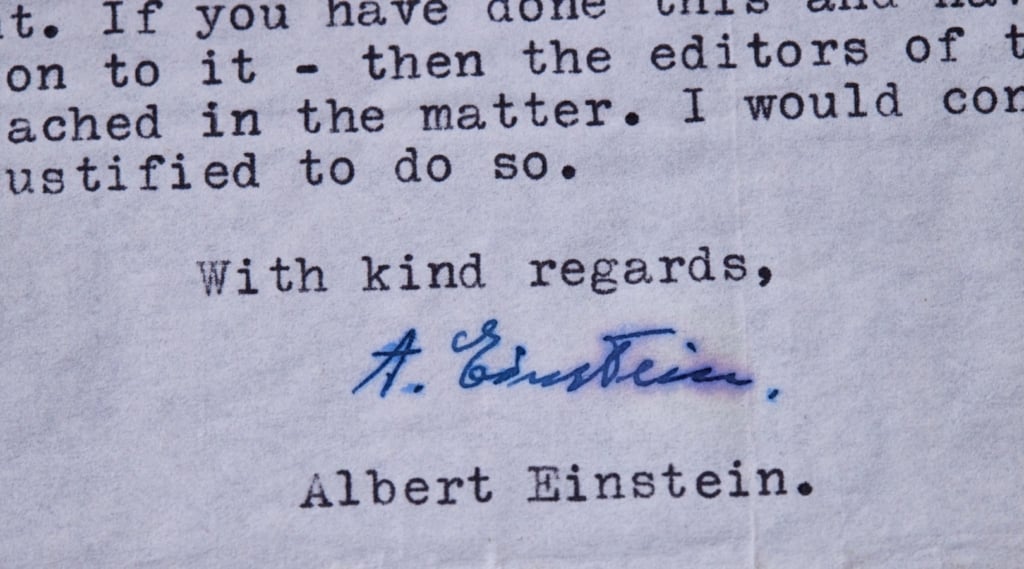
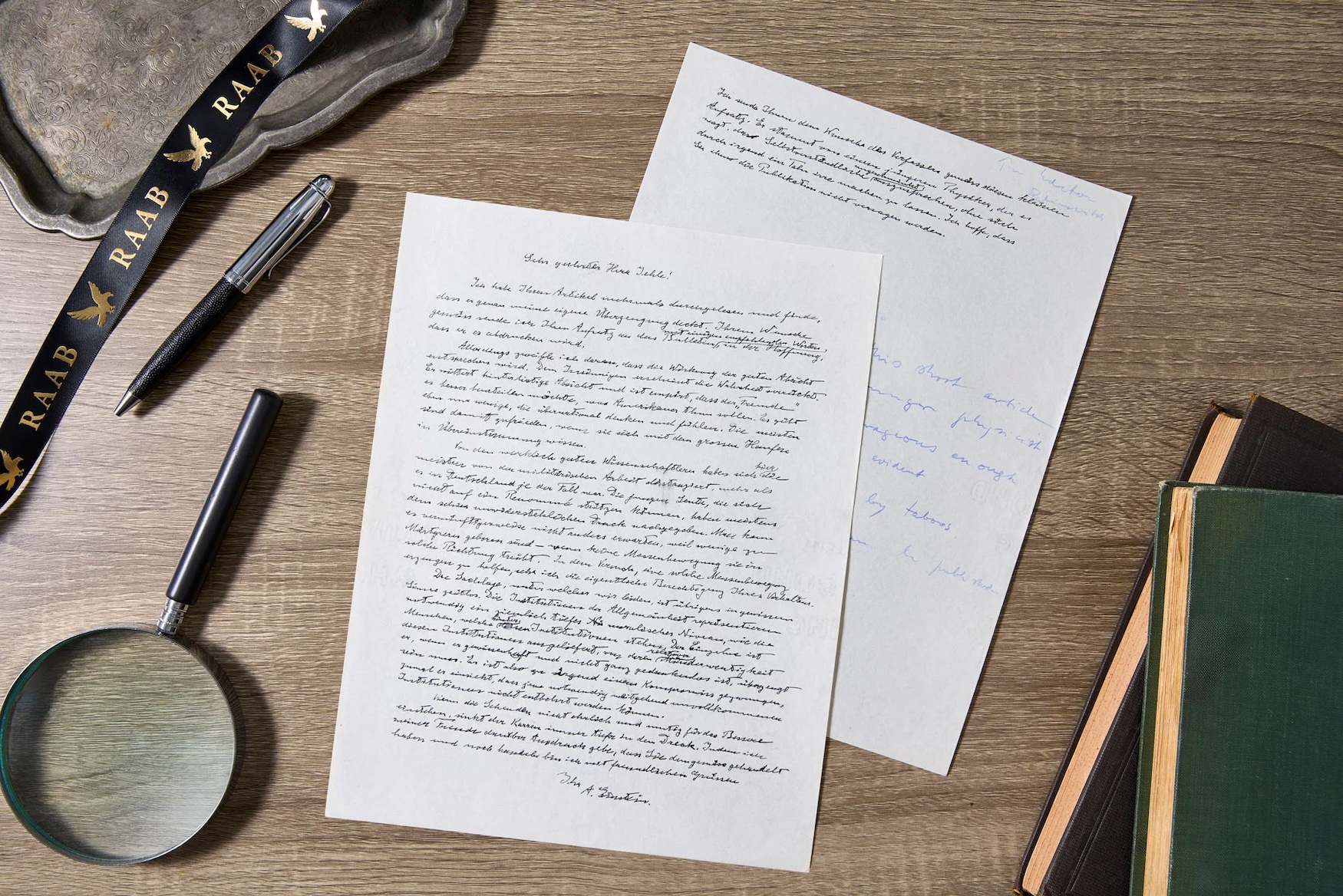
Steven: The old phrase is, those who don’t learn from history are bound to repeat it. I think that the impetus to collect comes from the knowledge, the preexisting knowledge, and so you’ll find people who are interested in science and history and they always have been, and then they’ll come to the point of thinking, well, wouldn’t I want this letter of Einstein? Look what he’s talking about. And so people are already identifying with the subject when they make the decision that they’re going to collect. And very often they’ll find pieces that will add to their knowledge base about the subject, and they will be able to know a lot more about the person – good, bad, indifferent – than they would’ve otherwise.
We’re probably all following in the footsteps of another collector, aren’t we?
Steven: It’s true. We see these great pieces come up, and every now and then we can identify where they came from.
You’ve been talking about this a little bit, but in your decades long experience working with collectors, tell me about the motivations you’ve encountered, the motivations for collecting and making a collection.
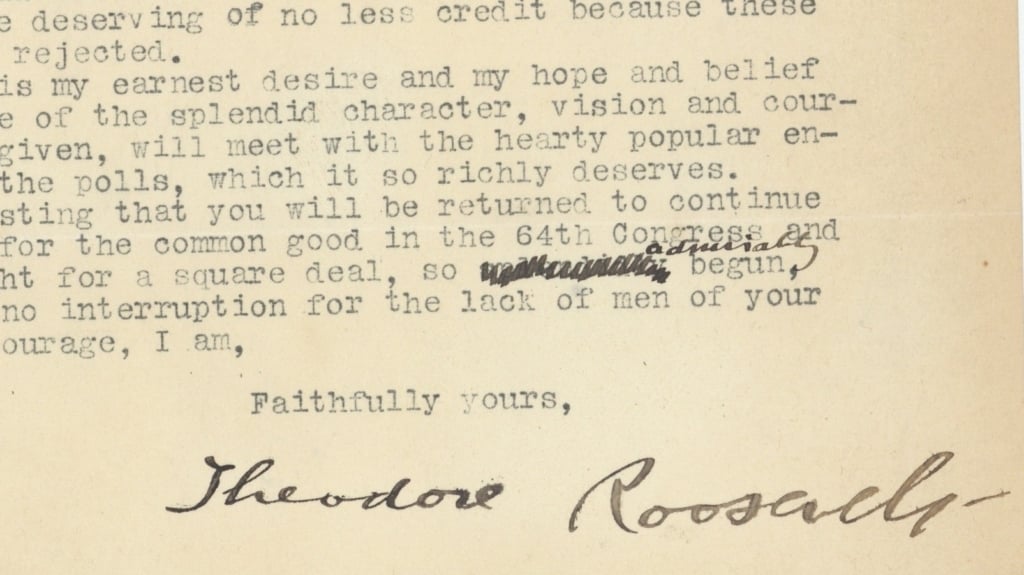
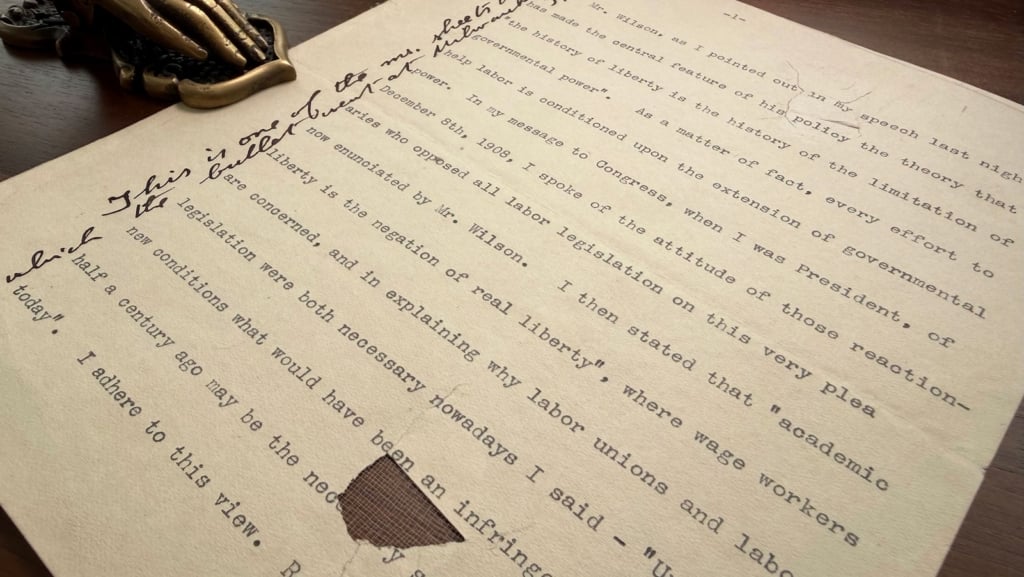
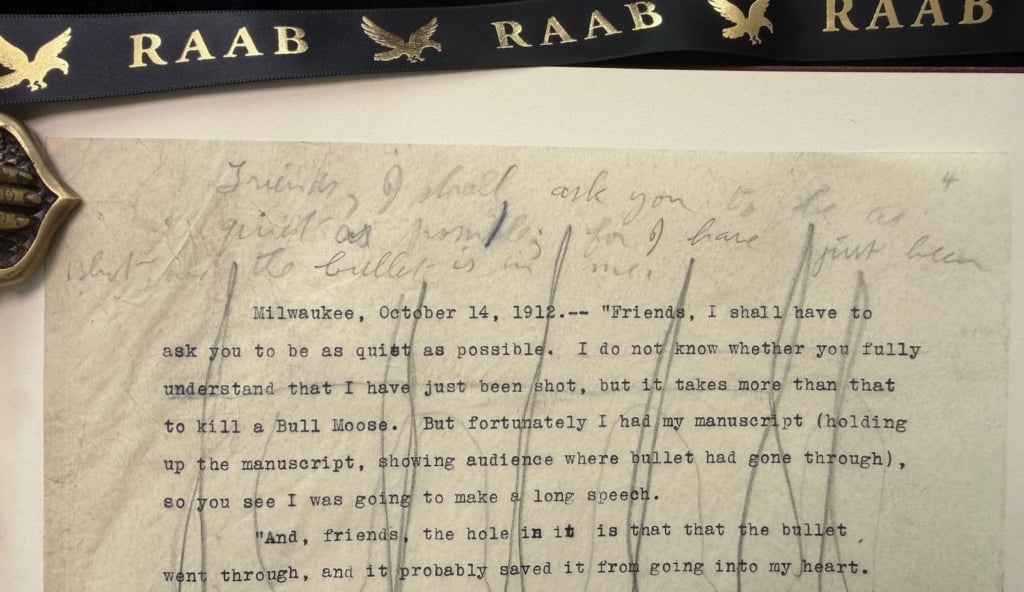
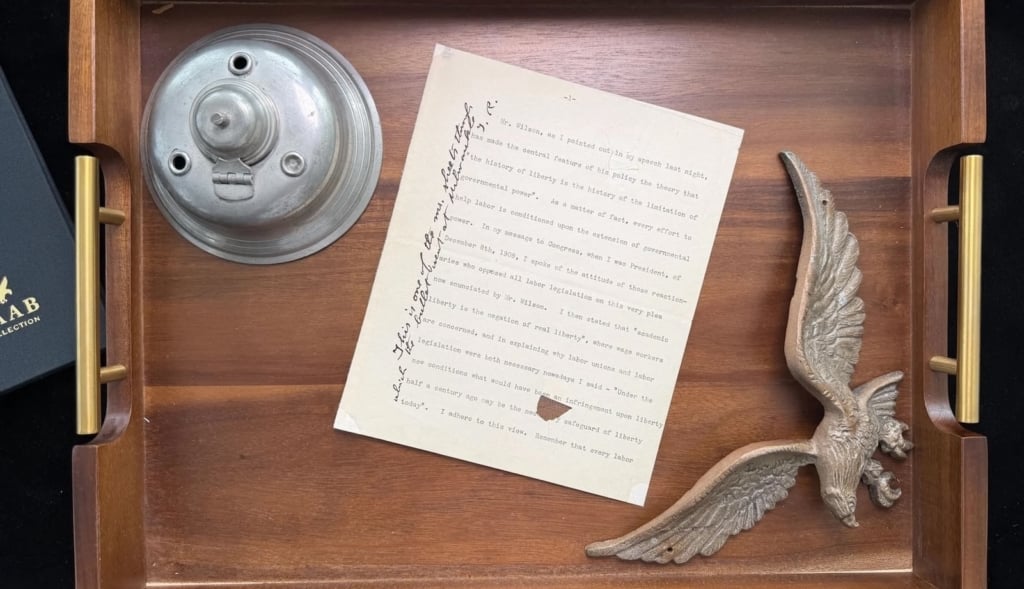
Steven: Well, the motivations are primarily, I think, very personal ones in which people feel like if they feel close to somebody, they feel part of their, not their lives, of course, but a part of their existence in a sense. People, for example, who are going to quote Theodore Roosevelt, they’re going to be interested in what he had to say, in what he accomplished, and when people are able to plug into that, it gives them a warm feeling. It gives them a good feeling, it gives them a knowledgeable feeling, and that’s the case even if sometimes the documents and letters are surprising and maybe not what you’d think or want, still, they shed light on exactly who this is and what they’re trying to accomplish.
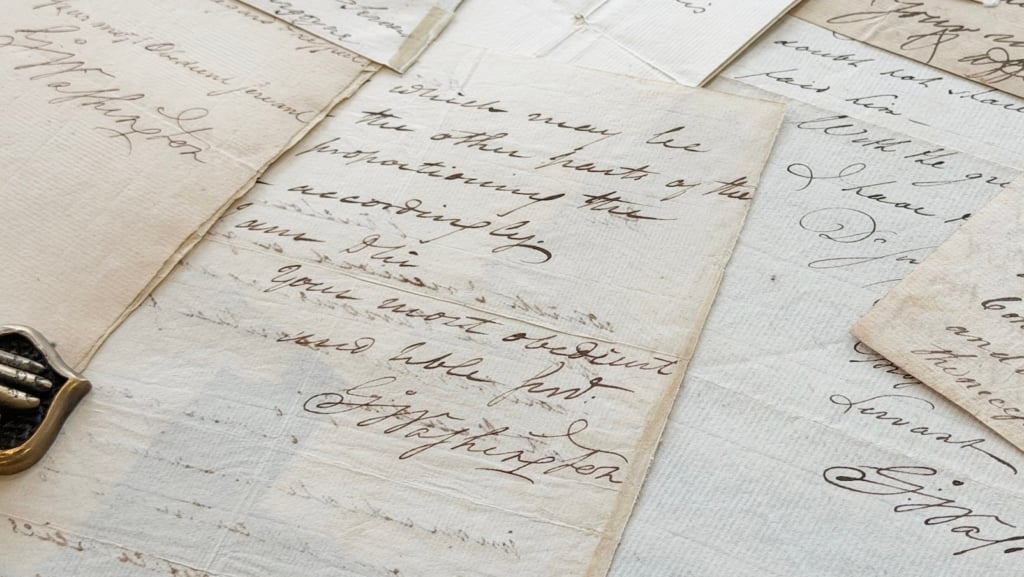
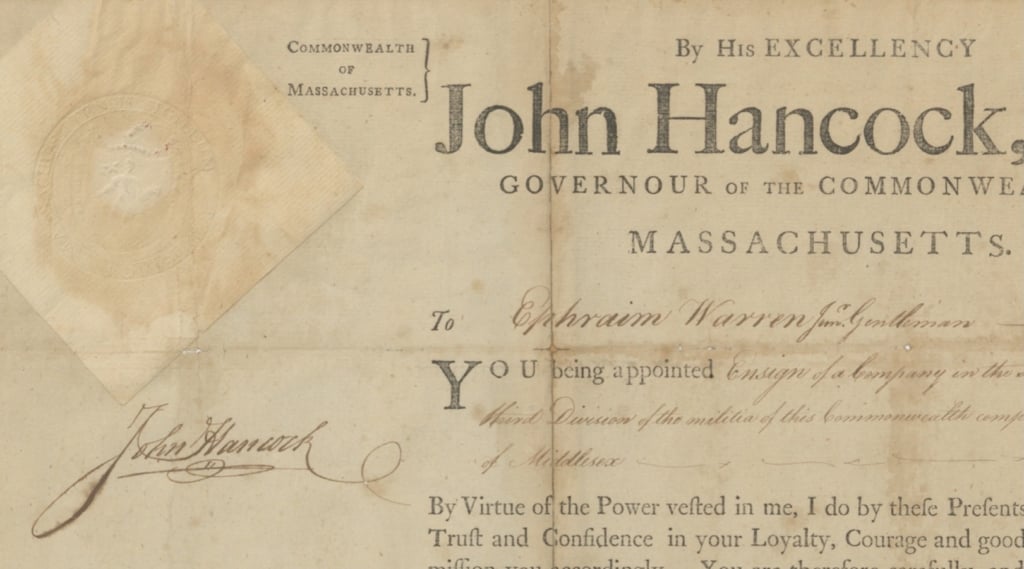
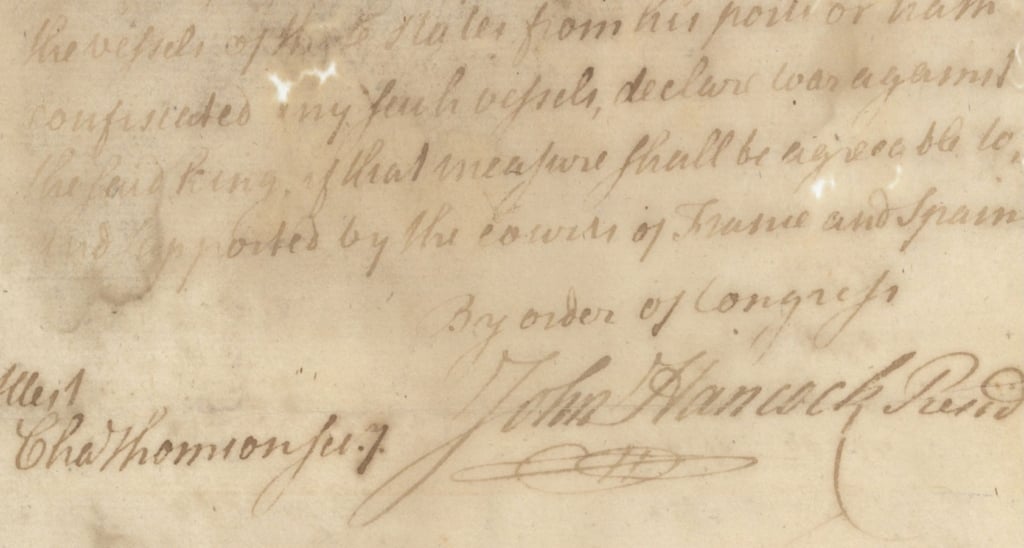
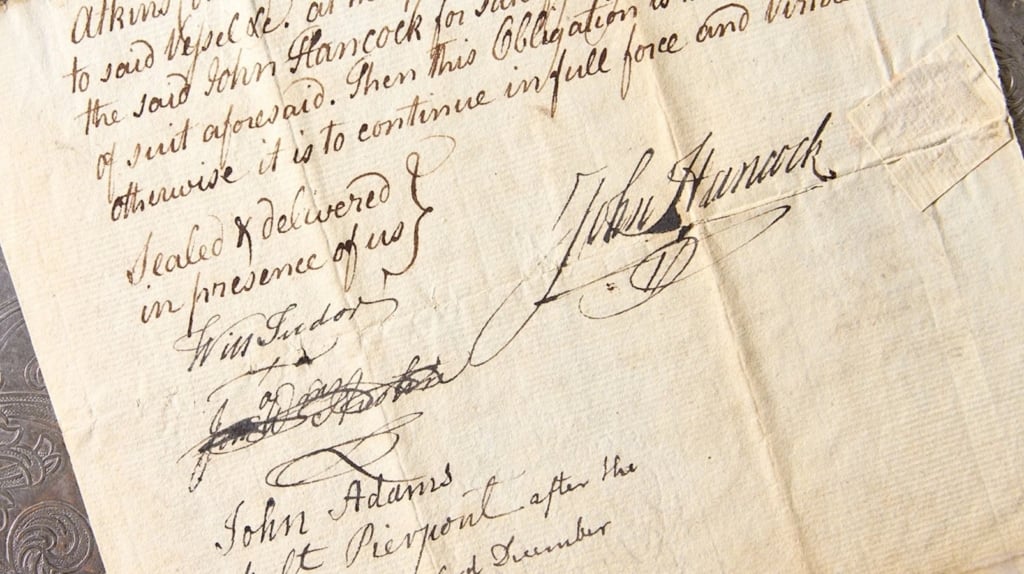
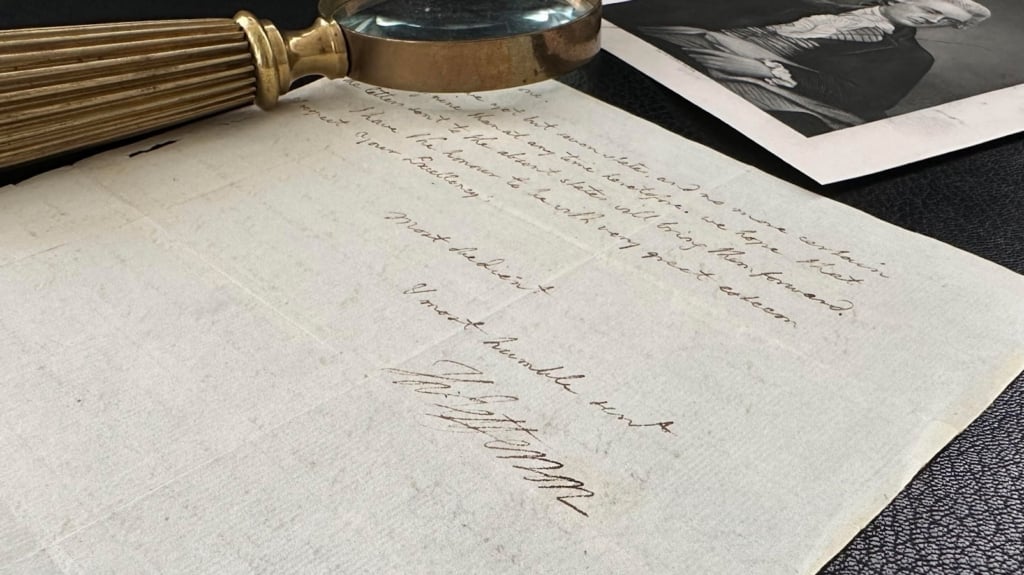
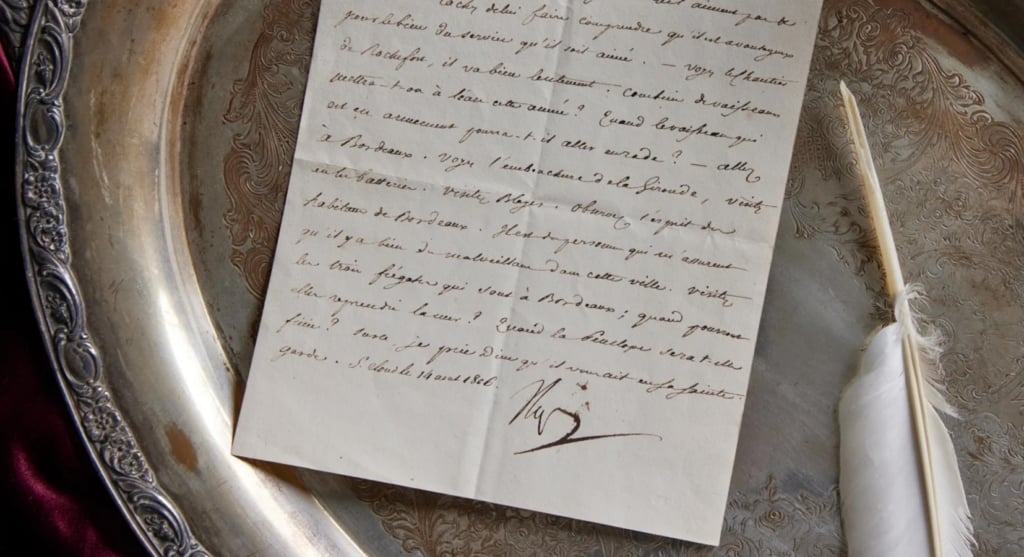
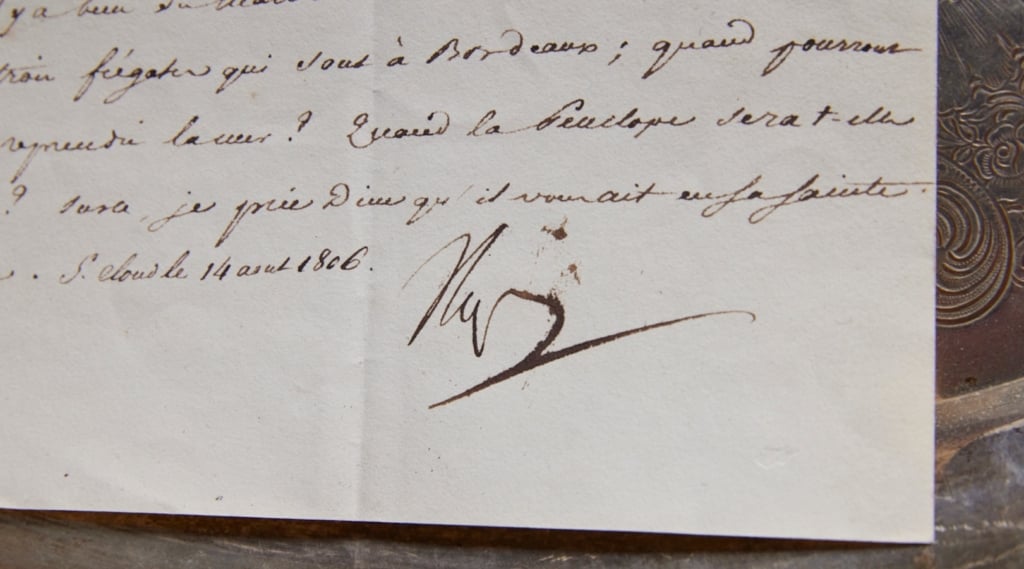
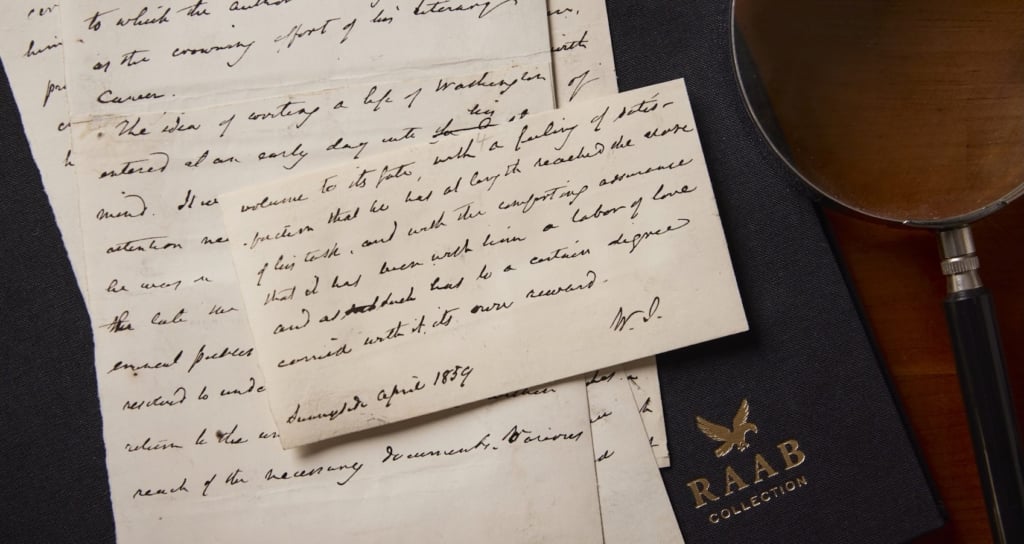
There’s really something special about holding a document in your hand that, well, say Theodore Roosevelt signed. You know that he held it, you know that you’re touching this piece of paper that he also touched, that’s certainly a motivation for a lot of people.
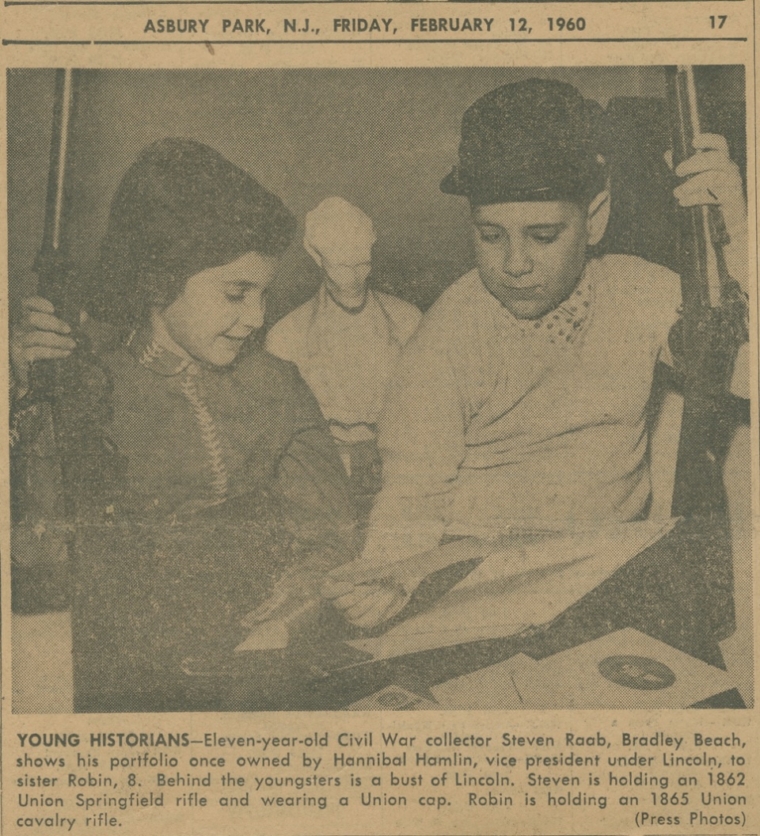
Steven: The collecting bug often hits people when they’re kids. And it did with me and I’m by no means the only one. But I got – let me see if I can actually pull this up for you, I’m going to get something to show you – This is a baseball signed by the New York Yankees in 1959. I got that at Yankee Stadium in 1959, so I was 10 years old at the time, and I was already looking for autographs, and getting this really spurred my interest. So in the beginning I began collecting baseball autographs by going to the games and then waiting until after the game, going to the locker room, and trying to find them. I did that for a while. So that’s really where this started all the way back when I was a kid.
I think I might’ve told you before, for me as a kid, it was rocks. I was really interested in collecting and cataloging a little collection of rocks, and then that slowly morphed into stamps and slowly morphed into books. Then I kind of stuck with books – old books, antiquarian books, rare books, walking up a ladder, in a way.
Steven: The collecting of books is really allied to the collecting of autographs. I put together a library of 4,000 books. I don’t have nearly that many now because all of my research is done on the internet, but that was also an impulse that I had, and that’s not unusual for people to collect more than one thing.
I find, with the collectors that I know, there’s also this idea that they are preserving, that they are preservationists, they’re safeguarding pieces of history. Do you find that too?
Steven: Yes. I think that people like to feel and, appropriately so, that they are safeguarding history. Yes. That they’re custodians, and I think that that is a really great part of that.
We had that article just recently in Worth magazine saying that really that’s what we were, that we were custodians of history and that we were helping preserve history. That is the truth. A lot of these things would be buried, lost, and having somebody really put their heart and and life into preserving this history, that’s a great public service. People need to know what happened in the past, and they need to know the truth of what happened in the past.
I think the other thing I think of when I think of what motivates people to be collectors, is just kind of fun, right? The thrill of the hunt, the idea that you can surround yourself with a beautiful collection and play with it, if that’s the right verb.
Steven: No, I think that’s really very well put. There is a thrill in collecting, and to say that it’s the thrill of the hunt is probably pretty accurate. I know that when I would find something exciting, I would feel like I had discovered something. The hunt is part of it. Then you get to the discovery. What have I come up with? What have I found? Then if you get it, you get the feeling of preserving it, of allowing people, your friends, your family, whatever, to see it, and you become part of it. You become part of the story.
I remember basically, oh gosh, this might be 15 years ago, or actually come to think of it, it’s probably in the nineties. I went into an autograph show and Catherine Barnes, my old colleague, who kind of got me started with a lot of this, she was sitting there at a desk, and there was a document of Abraham Lincoln. Now, as you know, there’s a lot of documents of Abraham Lincoln out there, but this was an order to blockade the Confederacy at the start of the Civil War.
I looked at that. I looked at it again to make sure that I was seeing it correctly, and I took the leap and bought it and was never more excited really in my collecting life than just finding and discovering something so important. I had that for, I don’t know, maybe 15 or 20 years before we ended up selling it through the business. I think it’s at the Chicago Historical Society right now. Occasionally there are these really amazing things that you can just barely believe you found them.
A lot of collectors have a story like that, whether they found something through a catalog or a dealer or a book fair, and it’s just like a moment when lightning strikes you.
Steven: Yeah, and you feel such a connection to the person, such a connection to the event that it’s really overwhelmingly exciting and satisfying, and that’s why people tend to collect either not at all or their whole life. Either you get it or you don’t. Either it’s a compulsion that you have that other people don’t see, like why would someone spend $10,000 on a piece of paper? So it’s a real compulsion that you have and that can stay with you and often does stay with you from the time you’re a child up until your death.
If someone said to you, I want to start a collection, but I don’t know where to start, what would you say?
Steven: I would first of all ask them if they are particularly interested in, focused on a particular person or an event. Does something in history mean something special to you? And if the answer is, well, I don’t really know, then the answer is, maybe this isn’t for you.
But if the answer is yes, here’s what I feel a connection to, here’s what interests me, here’s what excites me. Then I tell them that there’s no feeling like holding these documents in your hands, as you were saying before, and getting this rush of association with this person. Collecting is something that you have to have the impulse for.
I wonder if once in a very long while someone reads in a newspaper or something that there’s a George Washington letter for sale, and while they’ve never thought before about owning such an item, in that moment, they think, well, I could own this, you know? Because I think a lot of people don’t realize you could own a letter of Thomas Jefferson’s.
Steven: I had no idea that you could own a letter of Thomas Jefferson until 1985 probably. I had admired, in the Franklin Institute, they had checks signed by Thomas Edison and some other Franklin Institute type person, and I used to admire those. So then in 1985, my wife bought me a check signed by Orville Wright, and I had no idea that there was a market for this, that you could buy this. And that got me really excited. Like, what else is out there? What else is out there? So I went looking for other dealers in the area and then I found Catherine Barnes and Bob Batchelder and went to see them and began the acquisition of the autographs, which I did from 1985 until 1989 when I started the business.
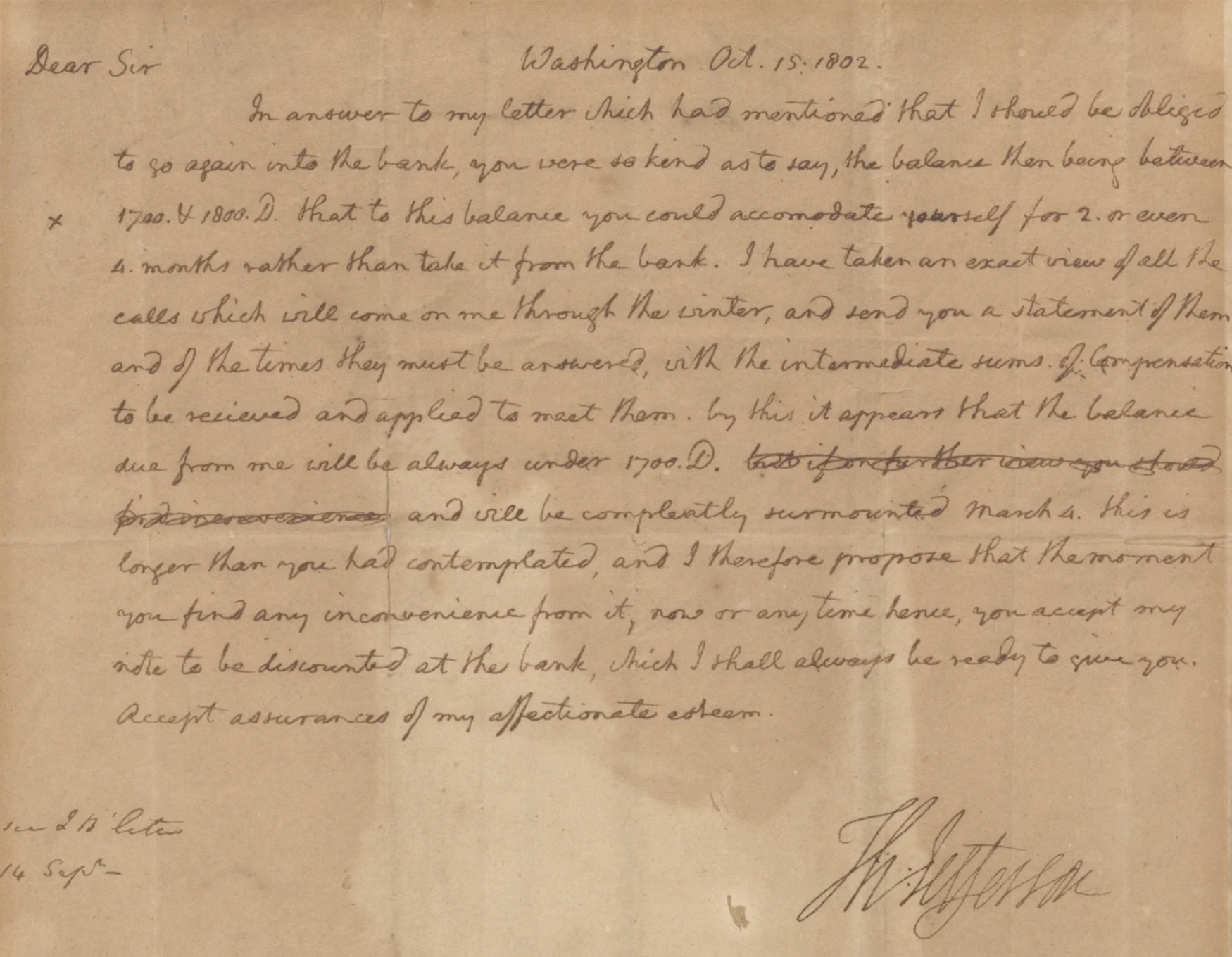
I can imagine, because even when people ask me what I do for a living, and I say, we buy and sell these historical documents of presidents and world leaders and, you know, Darwin, Gandhi, people are amazed that, if you have the funds, you can buy something like that.
Steven: It certainly took me by surprise when it happened. And I think that articles in newspapers and magazines, they do bring that out, that exact emotion in people, the knowledge that, oh my goodness, I didn’t know I could own something like this. And so we’ll get a phone call from a total stranger and he wants to buy a letter of Thomas Jefferson. Hopefully, they’ll continue to have that interest, and we’ll build their collection.
I was told in the very beginning – two dealers took me to lunch and they gave me a piece of advice, which was really very good, and I’ve given it to innumerable people: Look for quality, not quantity. Go for the quality, go for the excitement. It’ll be better for you, and it’ll be better in the event that you decide to sell. Other people, your family, are going to be more excited about it. By all means, go with the best you can afford. I learned that lesson at that time, and I’ve tried to keep to it ever since.
Actually my wife also played a part in that because as the business was beginning to expand, way back in the early nineties, she was always pushing to buy the better material. Don’t buy so many things, buy the better material. I ended up taking that advice and it was really great advice.
Do you think there’s anything we missed that you might want to add about ‘Why be a collector?’ and how to get started?
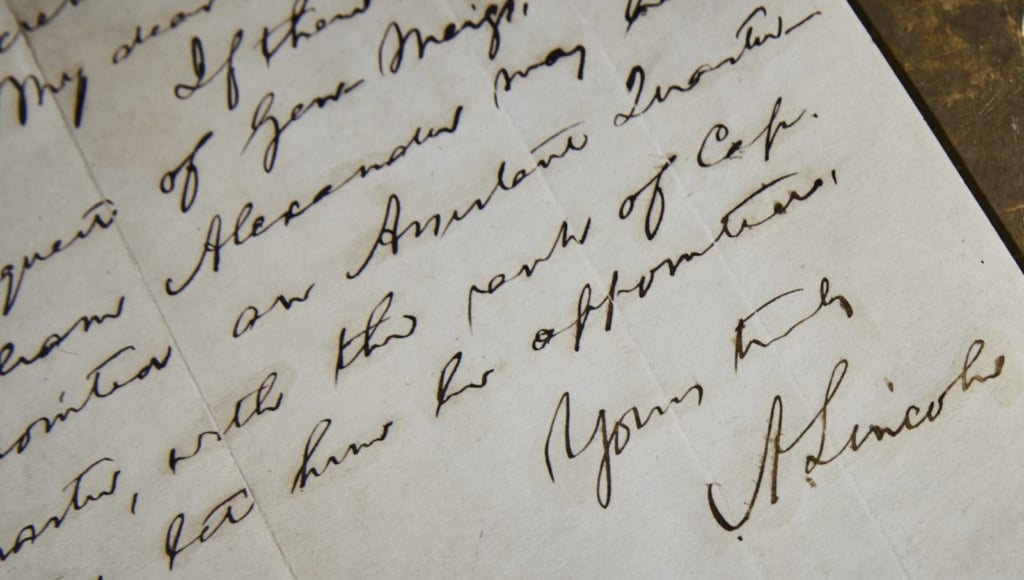
Steven: I suppose that you can’t explain to someone why to be a collector in that sense directly. They have to feel it in their bones already. But, if people are thinking of collecting, I tell them, this is going to be an exciting aspect of your life. It’s going to be full of discovery. You’re going to feel good about what you’re doing. It’s going to be really an amazing adventure for you, and you’ll feel closer to this person. If you have a document of Abraham Lincoln and you realize Abraham Lincoln touched and signed this document, that matters to a lot of people. And so if that kind of thing matters to you, you would be well advised to consider collecting and if it doesn’t, why then it might not be for you.
That’s well put. Thanks to Steven for joining us today.
To learn more, listen to other episodes in the Masterclass series, subscribe to hear more from Inspired by History, and visit The Raab Collection website’s Learn section.