



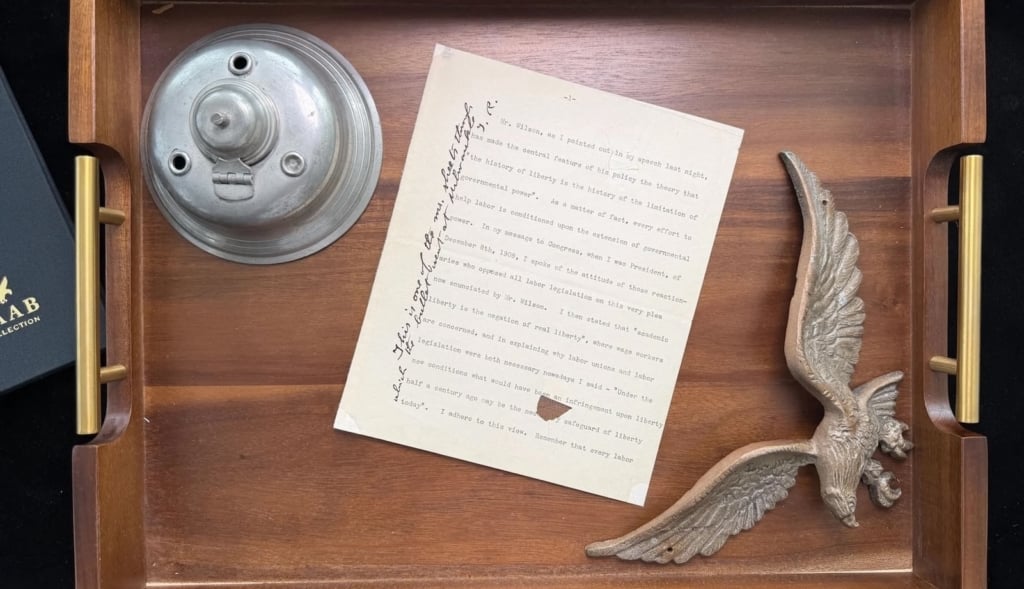
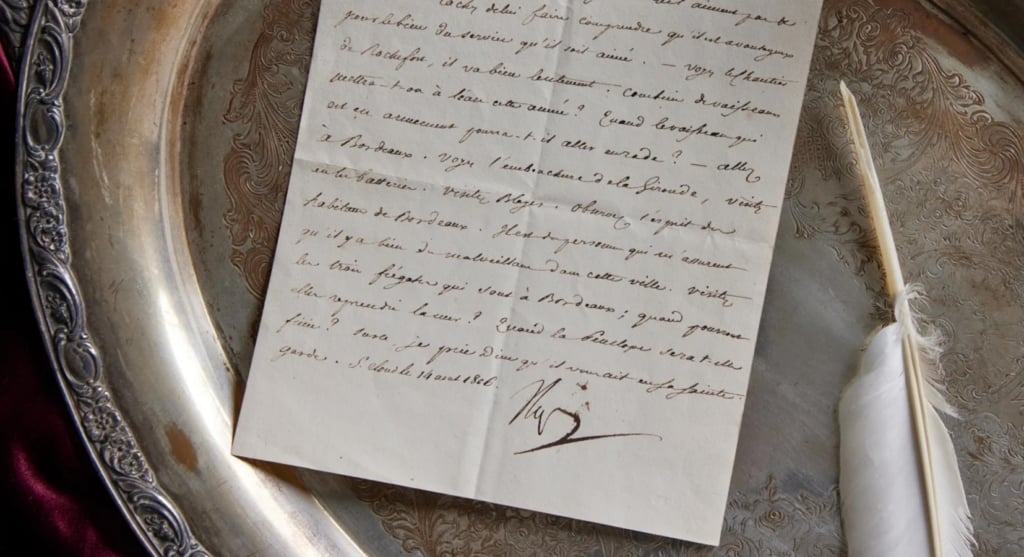


An Illustrated Guide to Buying Documents and Letters Signed by John Hancock, Benjamin Franklin, George Washington, John Adams, Thomas Jefferson, James Madison, and Alexander Hamilton
As America’s 250th anniversary approaches in 2026, we’ll no doubt see much discussion around the central figures of the American Revolution who have come to be known as the Founding Fathers. There will be documentaries, major museum exhibits, and new biographies about these men–congressional representatives, cabinet members, and presidents–whose legacy has endured. In the world of historical documents and autographs, these figures often dominate the great collections focused on American history, and collectors can still acquire important documents and letters signed by the Founding Fathers with a little determination and luck.
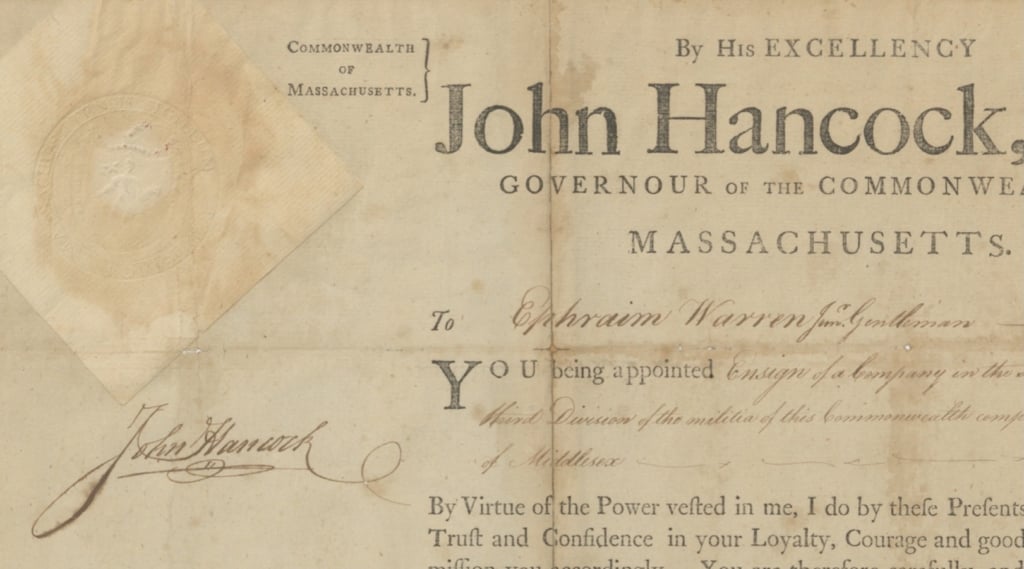
Documents Signed by John Hancock
John Hancock’s autograph has been synonymous with the act of placing one’s signature on a document ever since he signed the Declaration of Independence with a larger signature than anyone else. Hancock is remembered as the President of the Continental Congress during that important time in American history. Prior to that, he was a Boston businessman and the first Governor of Massachusetts, where he was an integral figure during the American Revolution. A feature of the great collections, Hancock autographs often contain the great flourish that also adorns the Declaration of Independence. Historical documents from both his business and his political life are collectible. A few examples follow.

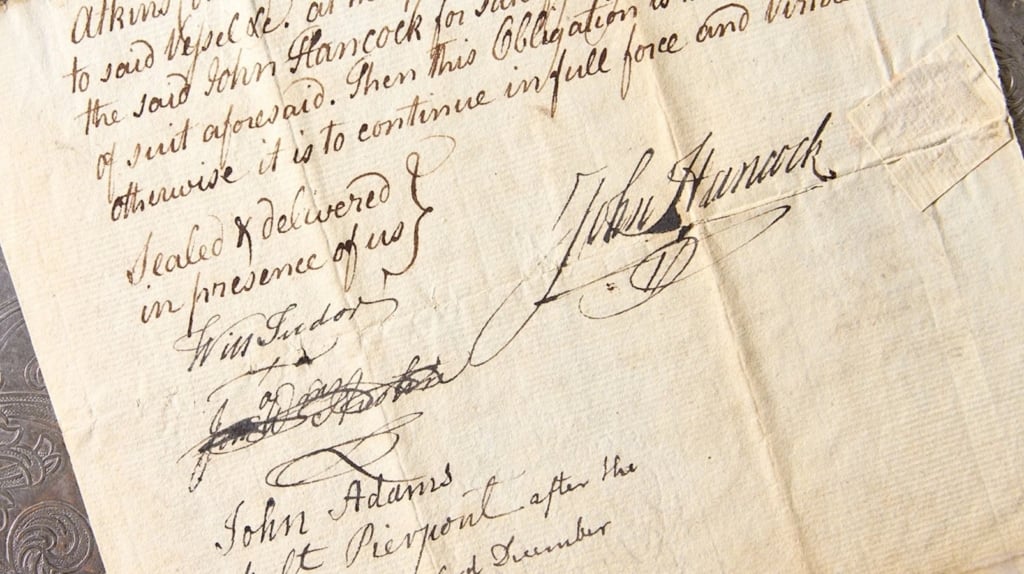
An extraordinary manuscript that is rare, if not unique, in being signed by two of America’s foremost Founding Fathers, and the only document we have ever seen reach the market signed by both. Dated 1771, Hancock promises to indemnify a sheriff for any lawsuit by the owner of a ship seized and sold at auction to satisfy a debt to Hancock. This was not the first time Adams helped Hancock with legal issues.

A newly discovered and unpublished letter, our best ever of Hancock from 1776, in which he announces the news of the capture of the first British vessel by a regularly commissioned American force and extols his correspondent to “Persevere in doing all the good you can.”

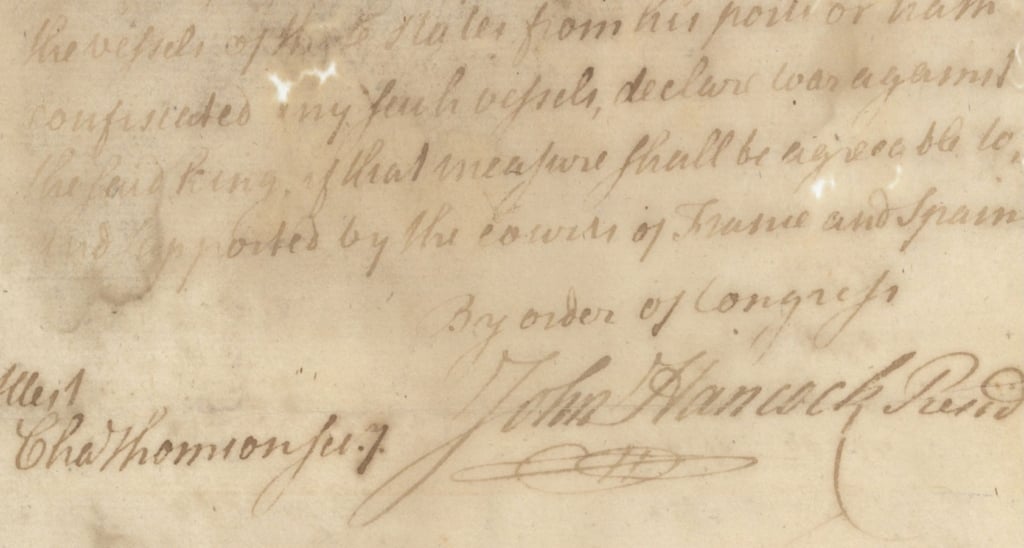
A remarkable document in which Hancock instructs “the commissioners for the courts of France and Spain [both Benjamin Franklin] consult together and prepare a Treaty of Commerce and Alliance…similar to the first proposed to the court of France.” On behalf of Congress, his blunt message to Spain is: “Join with the United States in a war against Great Britain.”
Documents Signed by Benjamin Franklin
As noted above, Benjamin Franklin worked closely with John Hancock as a delegate to the Continental Congress, as part of the committee that drafted the Declaration, and as the colonists’ representative and negotiator in Europe during the American Revolution. He was by then the elder statesman and had been in public service and prominent positions for most of his adult life. His letters and other signed documents appear during his term as Postmaster and through his death in 1790. The letters of Franklin one finds on the market can be political, diplomatic, or scientific in nature. Here are two remarkable examples:
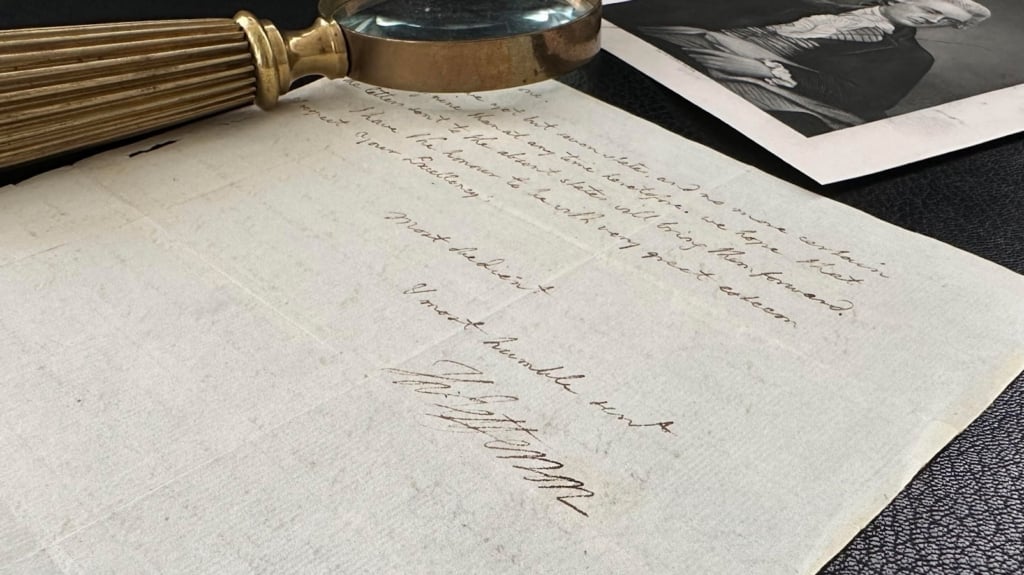
In this important letter, written by Franklin from France on February 13, 1768, we may get a sense of his Revolutionary spirit, as he signed the free frank, “B Free Franklin.” Some believe inserting “Free” into his signature in this way sends a secret message of patriotic defiance. This letter and the information it carried also helped set the boundaries for the states we know today as Pennsylvania, Kentucky, West Virginia, and Virginia.

Here we have Franklin’s signed credentials for the first individual colonial mission to seek clandestine aid in France, in the thick of the Revolutionary War, signed by Franklin as colonial agent in France. Franklin’s efforts resulted in an agreement in France just seven days after news of Saratoga had reached them, the first such agreement in Europe after the great victory changed the face of the Revolution.
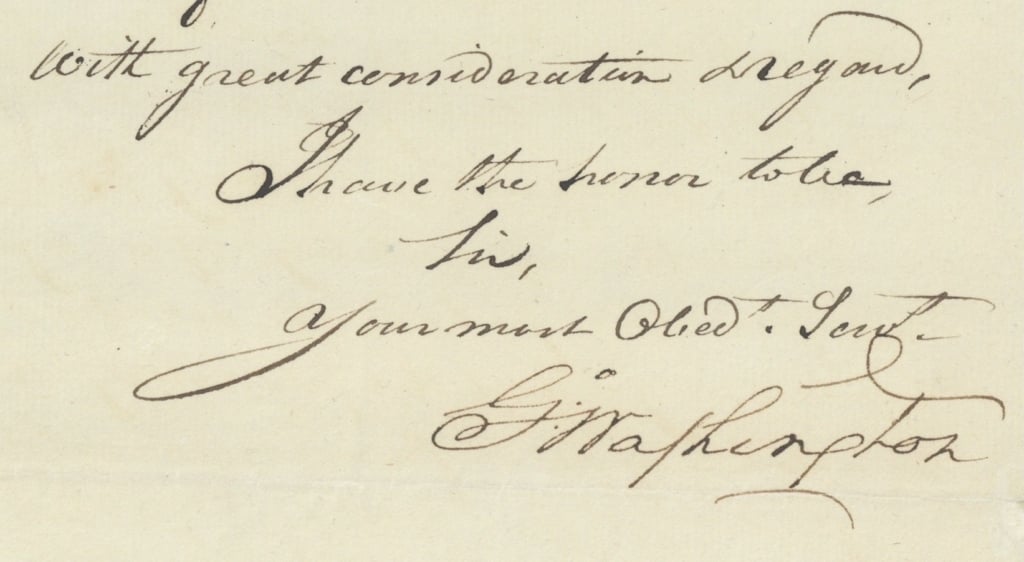
Documents Signed by George Washington
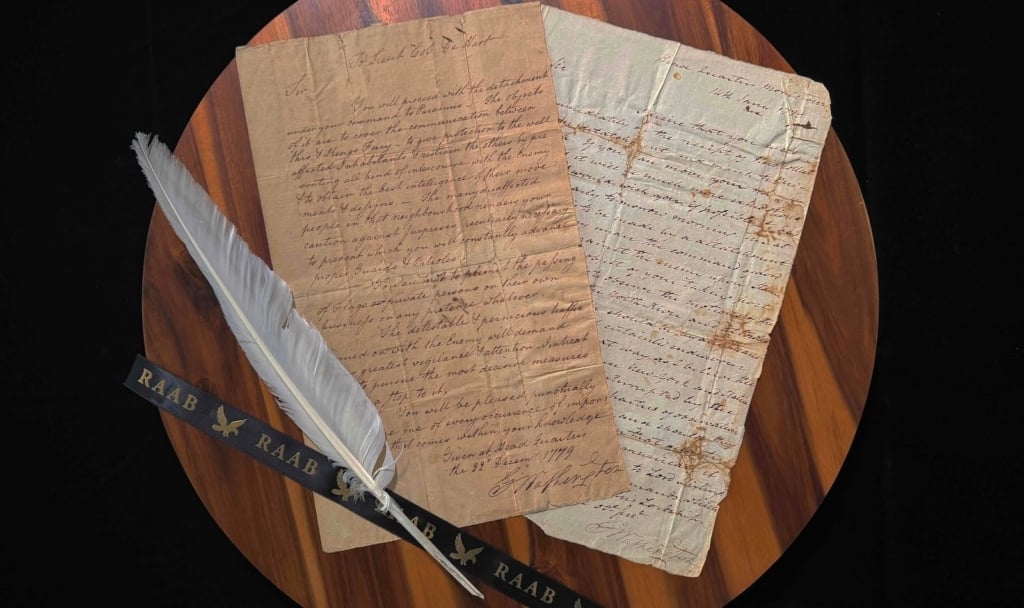
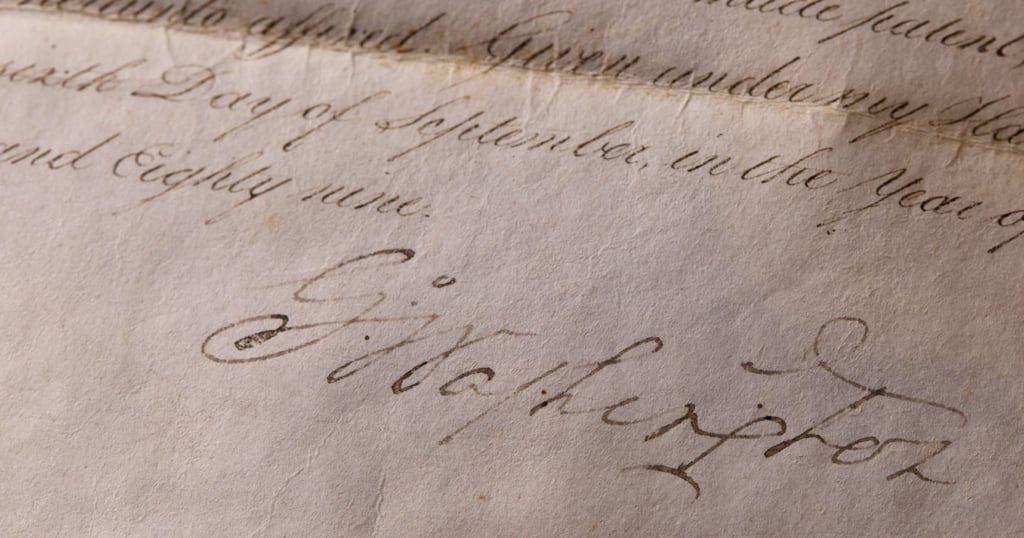
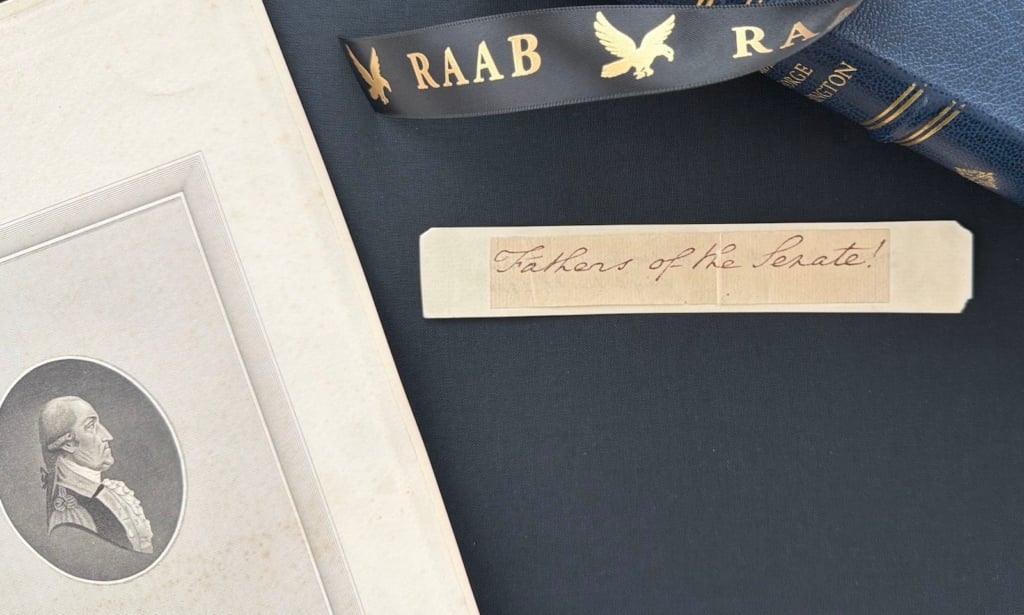
While it’s true that George Washington autographs are rare, dedicated collectors can still acquire them. Whether they be from his time as a surveyor, a farmer, General or President, letters signed by Washington do come to market; two examples are highlighted below. (Refer to Raab’s “Guide to Buying George Washington Autographs & Documents” for more detailed information.)

This document from Washington’s pre-Revolutionary War years is completely in Washington’s hand, and signed twice with his full signature, along with those of Charles Washington and Fielding Lewis, his relatives. It is interesting to glimpse here, in this document, the man before he became the legend. The same can be said for his survey maps, which are incredibly rare; the last one we carried was sold to Mount Vernon.

Documents signed by Washington as President of this importance are a rarity; there were only 16 marshals, and they were responsible for enforcing the work of the courts, the muscle behind the new judicial system. This document appoints Nathaniel Ramsey to the Maryland district just two days after Washington signed the Judiciary Act, establishing the federal court system in the United States.
Documents Signed by Alexander Hamilton
Alexander Hamilton was George Washington’s “right-hand man,” as the famous musical makes known. Both as General Washington’s secretary during the Revolutionary War and then as the first Secretary of the Treasury, perhaps the most important cabinet member in U.S. history, as he helped pass the U.S. Constitution and establish the nation’s financial system.
It’s safe to say that the 21st century has been very good to the legacy of Hamilton, for collectors, that increased demand has caused scarcity on the market, and the prices for a document signed by Hamilton have greatly increased over the past decade or two. Still, Hamilton wrote many letters and signed many documents as both a lawyer and the first Secretary of the Treasury, so determined collectors can find one, such as:

As his financial and tariff system comes into being, Hamilton uses this circular format to communicate his awareness that there will be “difficulties which are natural to the first execution of new regulations,” but he believes common sense will prevail. This signed letter is a powerful demonstration of Hamilton’s skill as manager, legislator and legal mind.
Documents Signed by John Adams
John Adams may well be remembered as the nation’s first Vice President and second President, but his political life extended long before and after that period. As we see with the John Hancock document above, John Adams was a well-known lawyer in Colonial Boston before becoming a Massachusetts delegate to the Continental Congress.
Adams’ letters evince brilliance and capture great moments, such as the descriptions of negotiations that ended the Revolutionary War or his debates on the American system of government; few are mundane, many are powerful, such as his presidential letter to the Citizens of Baltimore in 1798:

This is Adams’ own retained copy of an eloquent, patriotic letter he sent to the citizens of Baltimore. He wrote, “When foreign Nations interfere, and by their acts, and agents, excite and foment them into parties and factions, such interference and influence, must be resisted and exterminated or it will end in America… in our total destruction as a republican Government and Independent power.”
Documents Signed by Thomas Jefferson
Thomas Jefferson lived a long, full life in the political arena, serving as a lawyer, a delegate to the Continental Congress, the primary drafter of the Declaration of Independence, the Governor of Virginia, Minister to France, Secretary of State under George Washington, Vice President under John Adams, and then President. Jefferson was unexcelled by any president when dealing with many subjects, such as farming, science, literature, and philosophy, and letters of his combining erudite discussions of multiple subjects remain dazzling in their virtuosity.
Jefferson’s voluminous output reflects all of those roles and interests and includes signed letters, acts, land grants, appointments, and other documents. (Refer to Raab’s guide “What to Know about Buying Thomas Jefferson Autographs & Documents” for more detailed information.) Here is a sample of several documents signed by Jefferson:
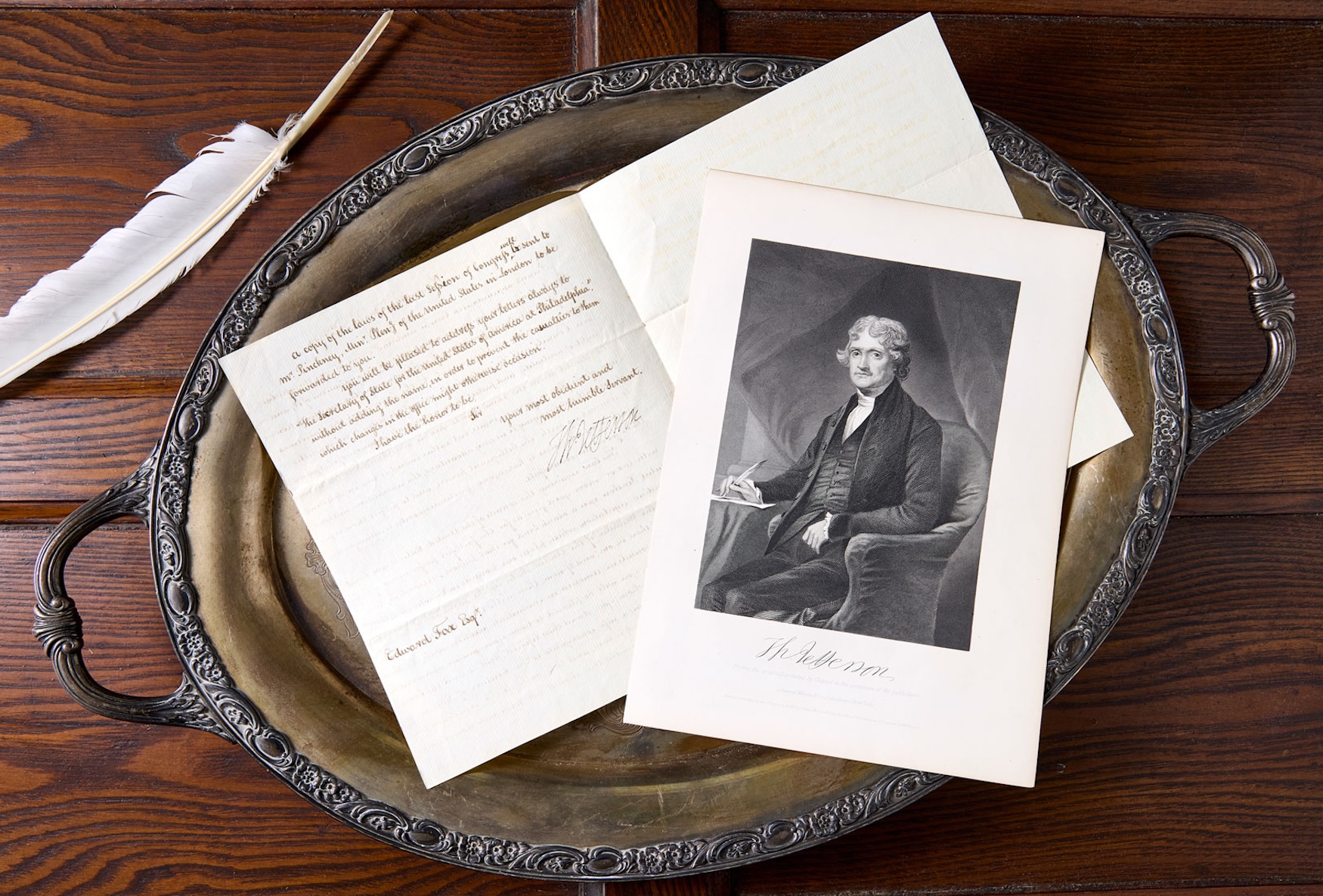
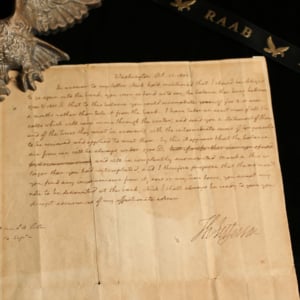
This is the first statement of neutrality, made famous in the book and musical “Hamilton,” issued the day Washington called a cabinet meeting to get formal opinions from Jefferson, Hamilton and his Cabinet on American neutrality, the text approved by Washington himself and signed by Jefferson.

Above is a rare, unpublished letter of President Jefferson, perhaps the more so as he writes about his struggles with personal finances from the White House. Written in 1802, the letter shows Jefferson juggling funds to pay household expenses, such as groceries and servants’ wages. This letter’s content was not known until now; it was last sold in 1929, and Raab discovered and acquired it from the heirs of that buyer.

An extraordinary wartime letter signed by Jefferson specifically naming George Washington, in which Jefferson, as governor of Virginia, seeks information on a shortage of food demanded by the prisoners and fears they will complicate his messaging to the General and undermine his credibility. It also shows the remarkably challenging proposition of keeping charge of such a large and hostile army during the Revolutionary War.
Documents Signed by James Madison
James Madison served as Secretary of State under Jefferson and as the fourth President of the United States. He also joined Alexander Hamilton (although he would later oppose Hamilton’s financial plans) and John Jay in writing The Federalist Papers, and was a close adviser to President Washington. Perhaps his greatest service was as father of the U.S. Constitution.
Madison was not as prolific a letter writer as other presidents, thus making letters from any time in his life less common. Most of his autographs are found on presidential documents or post-presidential letters. Collectors can also look for other types of documents, such as Madison signed commissions, appointments, ship’s passports, and land grants. Below are a few examples of Madison documents.
James Madison Carries Out Thomas Jefferson’s Policy to Mollify Britain

In this letter signed by Madison as Secretary of State, he seeks information on sending back deserters from British ships. Britain believed that Royal Navy deserters were being given sanctuary in the U.S. and demanded a halt to this practice. Since Americans were essentially unsympathetic to the British demand, it received a rather tepid reception. However, Jefferson sought British cooperation in his attempt to obtain Florida, so he and Madison attempted a policy of mollification.

It is not uncommon to find both Jefferson’s and Madison’s autographs on official documents like land grants, passports, and appointments, such as the one pictured above. This document appoints Lewis Smith as a ship’s mate. Smith would go on to become a noted War of 1812 privateer and to write a memoir about his sea voyages, making this appointment particularly noteworthy.
This is an unusual James Madison discovery: a 1793 sheet from Madison’s lost Revolutionary War ledgers, documenting Jewish financier Haym Salomon. Madison drew up ledger sheets showing the Virginia delegation’s expenses and receipts, and used these figures to document salaries, identify the sources of funds, and also to seek reimbursement of expenditures for members of the Virginia delegation. We know of just one such sheet that has survived with all of this information, and it, providentially, documents Salomon’s support of Congress.