





Nathan Raab, president of The Raab Collection and author of “The Hunt for History,” reveals how cultural forces shape the value of historical documents and autographs
What’s hot in the world of collecting historical documents? Are letters of Thomas Jefferson more coveted than those of George Washington these days? Is such and such a Founder more desirable now because America’s 250th anniversary is upcoming?
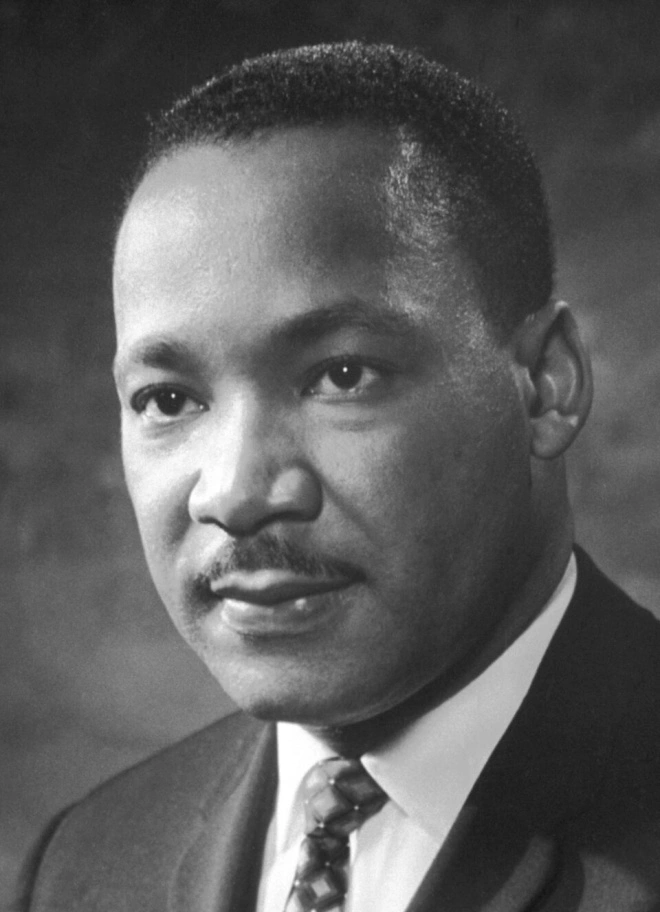
These are common questions in our business, but we at Raab do not operate in a world of fads, trends, or anniversaries. History, to paraphrase Martin Luther King Jr., has a long arc. Our aim here, then, is to tell the story of our world with that tempered perspective.
There are cultural events, phenomena, however, that change our collective appreciation of and familiarity with certain historical figures, and once this happens, the price of their autographs increases – permanently so it seems. Once their fame, previously more obscure or appreciated primarily by a niche, becomes mainstream, it stays there.
Case in Point: Alexander Hamilton Signed Documents
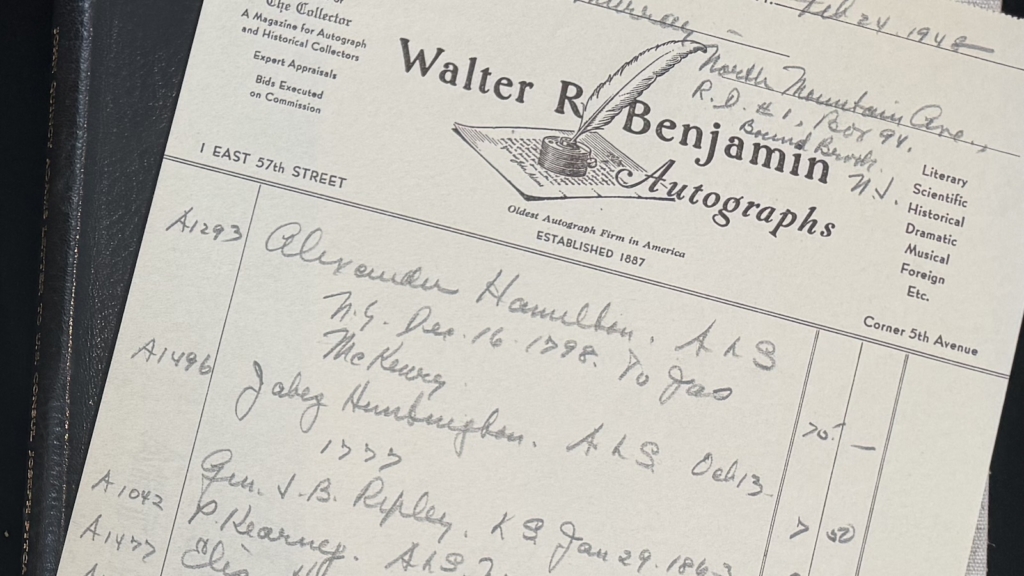
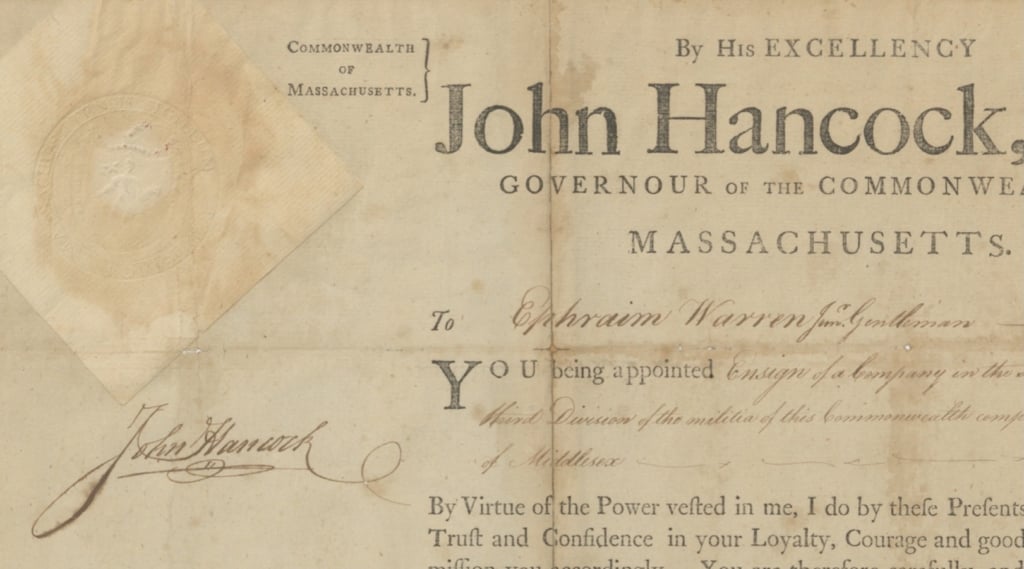
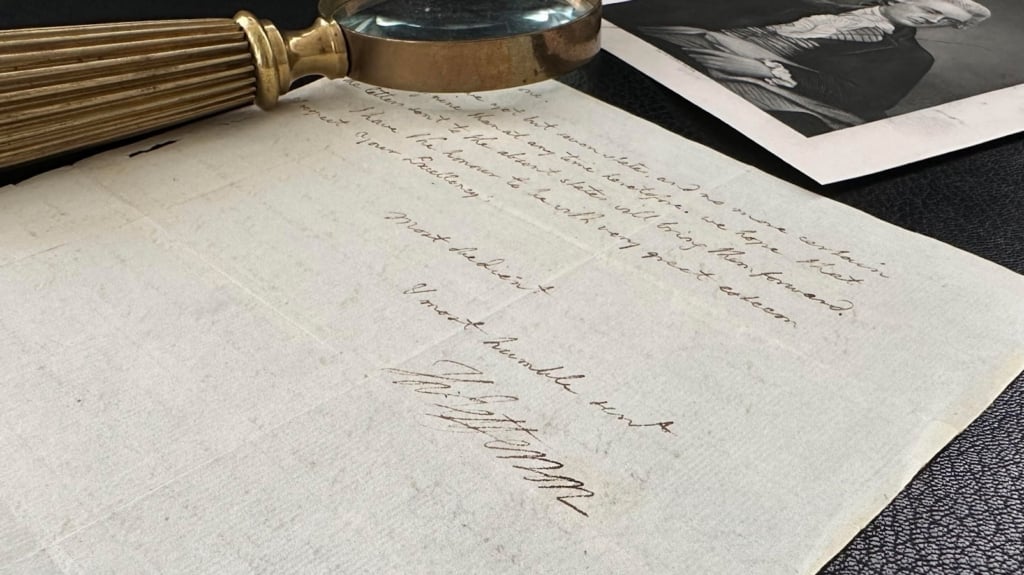
Witness Alexander Hamilton, who held many significant public posts throughout his lifetime, serving under General Washington during the Revolutionary War and as our nation’s first Secretary of the Treasury. He is also credited with establishing the nation’s financial system. Not long ago, Hamilton autographs were little regarded by the market, but that has changed. Where once you could buy Hamilton letters as Treasury Secretary for one to two thousand dollars, now they routinely sell for more than $10,000. What changed? People started to care about what he did, and saw him not as some ancillary figure but rather as a Founding Father akin to Benjamin Franklin or John Hancock.

Why did this happen? The rise of a professional investment class and the Wall Street buyer, sure. But another cultural phenomenon played a bigger role. Not the musical (alone). Lin-Manuel Miranda wrote his musical “Hamilton” because of Ron Chernow’s 2004 biography. The book triggered a change in the market for Hamilton autographs, just as the 2001 biography of President John Adams by David McCullough (followed some years later by a HBO miniseries based on the book) has changed the market for Adams autographs.
Major biographies that combine solid scholarship with a narrative voice that appeals to a broad readership can move our market. In the case of Hamilton, the popular musical and the film version to be released in theaters next month continues to transform the man’s legacy.
Another Case in Point: Tolkien Manuscripts & Letters
Another example of how popular culture can impact the autograph market: J.R.R. Tolkien. The beloved English author and scholar, best known for his children’s book, “The Hobbit” (1937) and his epic fantasy trilogy, The Lord of the Rings (1954-55), always had a devoted group of fans, willing to spend respectable money to buy his literary manuscripts and letters. But now the value of Tolkien’s signature, particularly signed letters or documents that relate to his books, has skyrocketed. His letters mentioning any details of the Lord of the Rings are worth many tens of thousands of dollars, where once they sold for a fraction of that. (To learn more about this, listen to the latest episode of the Inspired by History podcast: “An Original JRR Tolkien Letter Surfaces and Sheds Light on His Work.”)

The answer to the growth in value of Tolkien autographs is more straightforward. What changed? More than two decades of movies and TV series starting in 2001 and continuing today have introduced a new generation of prospective Tolkien fans to his work and reignited the flames of interest of the old one. His is a household name more than 50 years after his death, even among those who don’t read fantasy novels. Tolkien collectors can be found worldwide, not just in the English-speaking world.
So what’s trending in the historical autograph market? Nothing. These are not fads. These are decisions we have made as a population that some legacies, left behind, in a way, are worth raising higher on the pedestal and appreciating. Hamilton is not a fad, and Tolkien is not a trend; they are examples of how our historical memory is shifting and reshaping, and ultimately casting its shadow on the autograph market.