






Martin Luther King Jr: My Selection as Time Magazine’s Man of the Year For 1963 Proves That “the conscience of America has been reached and that the old order which has embraced bigotry and discrimination must now yield to what we know to be right and just.”

A powerful statement, a virtual assessment, on the meaning and value of the honor for a nation and a people in the historical context of the struggle for equal rights for African Americans
- Currency:
- USD
- GBP
- JPY
- EUR
- CNY
 This currency selector is for viewing only.
The Raab Collection only accepts USD payments at checkout.
Exchange rates are updated hourly. Rates may be inaccurate.
Among the finest MLK letters we have seen on the market
He references “the Negro’s constant struggle for full equality and human dignity”, and sees with satisfaction the Civil Rights struggle as having made significant progress, foreseeing its success
The honor from Time was not his alone, but “a tribute...


Among the finest MLK letters we have seen on the market
He references “the Negro’s constant struggle for full equality and human dignity”, and sees with satisfaction the Civil Rights struggle as having made significant progress, foreseeing its success
The honor from Time was not his alone, but “a tribute to the entire civil rights struggle and the millions of gallant people all over the nation who are working so untiringly to bring the American dream into reality”
Time has become renowned for annually naming a ‘‘Man of the Year,’’ doing so in the first issue of a new year, and featuring and profiling a person, group, idea or object that “for better or for worse,…has done the most to influence the events” of the previous year. To receive the honor was more than prestigious; it drew broad attention to the winner’s work. The winners for 1961 and 1962 were President Kennedy and Pope John XXIII, respectively.
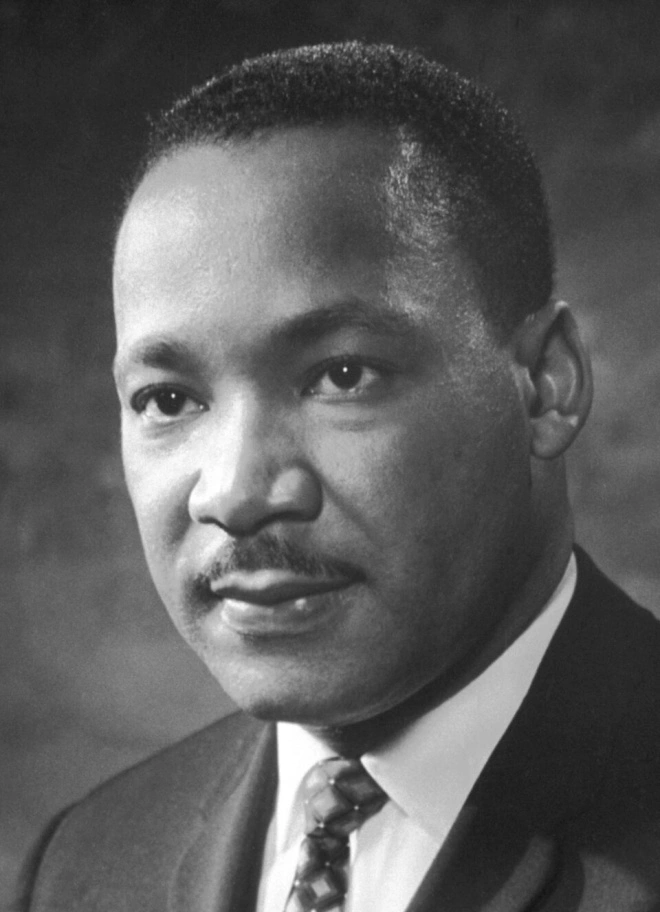
1963 was a pivotal point for the Civil Rights Movement. It was a year of the outcry for equality, of massive demonstrations, of sit-ins and speeches and street confrontations, of soul searching and psalm singing. Nineteen million Negro citizens and their allies forced the nation to take stock of itself—in the Congress and in the corporation, in factory and field, in restaurant and store, in pulpit and playground, in kitchen and classroom. At the head of this movement, and its symbol, was Martin Luther King Jr., and many saw him as a Moses sent to lead his people to the Promised Land of first-class citizenship. His speeches were models of inspiration that nourished hope and excoriated injustice.
On April 12, 1963, Dr. King was arrested with Ralph Abernathy by Birmingham Police Commissioner “Bull” Connor for demonstrating without a permit. This launched the Birmingham campaign which would prove to be the turning point in the war to end segregation in the South. During the eleven days he spent in prison, King wrote his famous Letter from Birmingham Jail. On May 10, the Birmingham agreement was announced, whereunder the city’s stores, restaurants and schools would be desegregated, hiring of blacks implemented, and charges against civil rights leaders dropped. On June 23, King lead over 200,000 people on a Freedom Walk in Detroit. Then came the most famous moment in King’s long career and long struggle: The March on Washington for Jobs and Freedom, which took place in Washington, D.C., on August 28, 1963. Attended by some 250,000 people, it was the largest demonstration ever seen in the nation’s capital up to that time, and one of the first to have extensive television coverage. During that march, King delivered his “I Have a Dream” speech, which remains one of the most famous speeches in American history. He started with prepared remarks, saying he was there to “cash a check” for “Life, Liberty and the pursuit of Happiness,” while advising fellow protesters that non-violence was key to the movement: ”We must rise to the majestic heights of meeting physical force with soul force.” But then he departed from his script, shifting into the “I have a dream” theme, speaking of an America where his children “will not be judged by the color of their skin but by the content of their character.” He followed this with an exhortation to “let freedom ring” across the nation. The impact of all of this on the American people was enormous, and you could see people’s perceptions changing. Now King’s agenda came to the front and center of the national consciousness.
Time magazine saw King as the personification of the Civil Rights Movement, and in its January 4, 1964 issue, gave him Man of the Year honors for 1963. In that issue, the cover featured a portrait of King by artist Robert Vickrey, and a seven-page article that highlighted King’s leadership in the civil rights movement. It featured pictures of King during some of the most memorable moments of his civil rights career, including a meeting with President Lyndon B. Johnson, and King’s arrest in Birmingham, Alabama. King received many congratulatory telegrams and letters. He wrote Time editor Henry Luce, thanking him and saying that Times’s recent treatment of the achievements of black Americans ‘‘does much to help grind away the granite-like notions that have obtained for so long that the Negro is not able to take his place in all fields of endeavor.’’

King did not consider that the honor was his alone, but rather as a tribute being paid to the civil rights movement. He also saw it as a sign that bigotry was waning in America and that justice was on the rise.
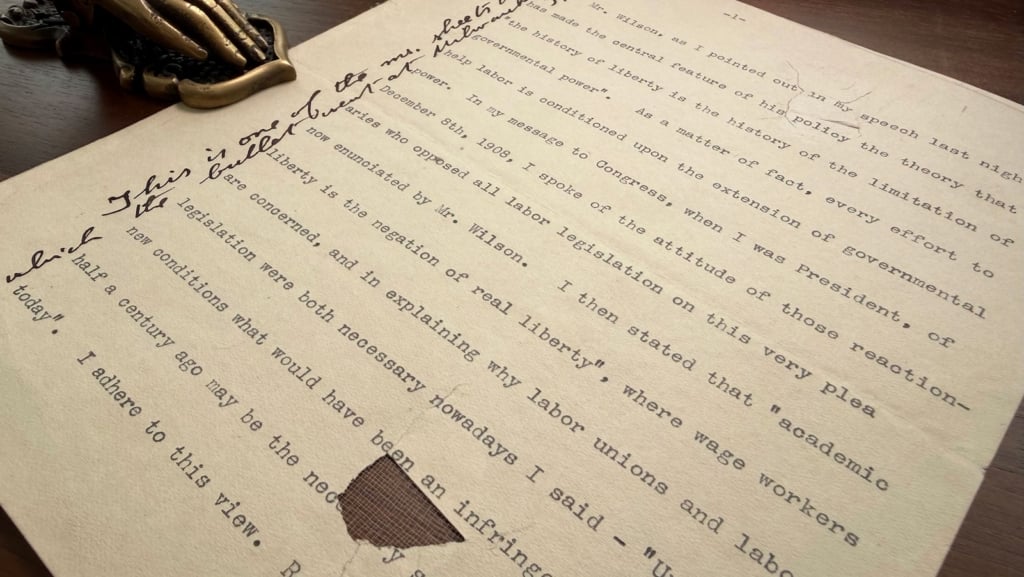
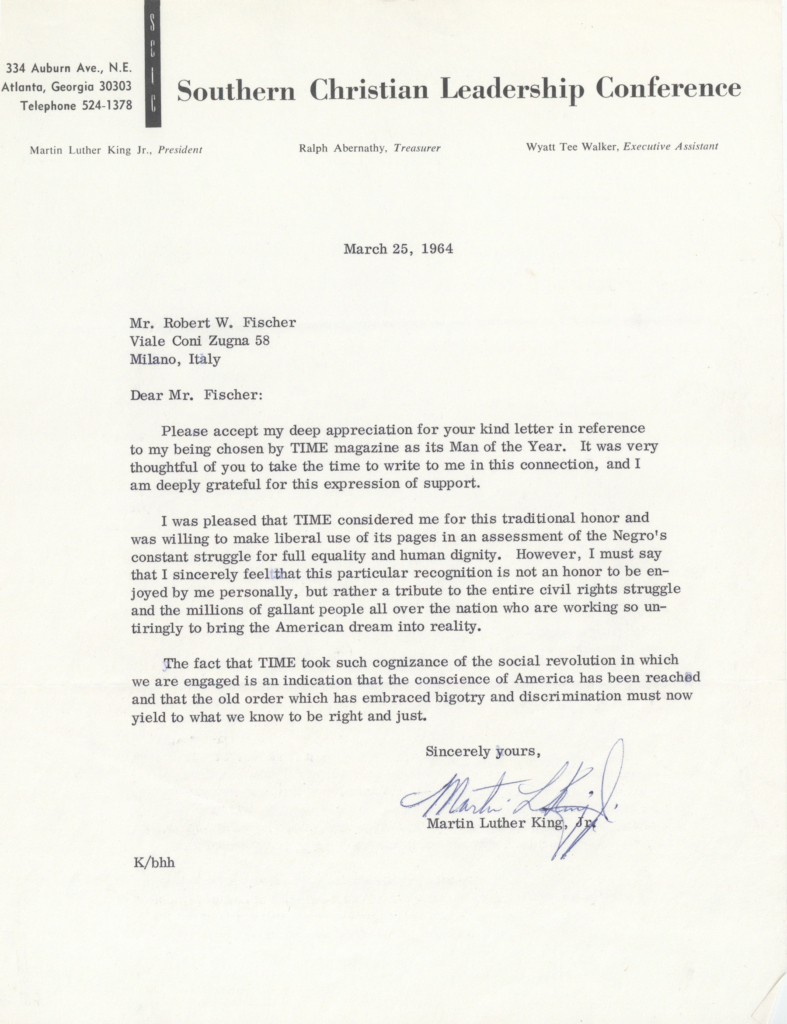
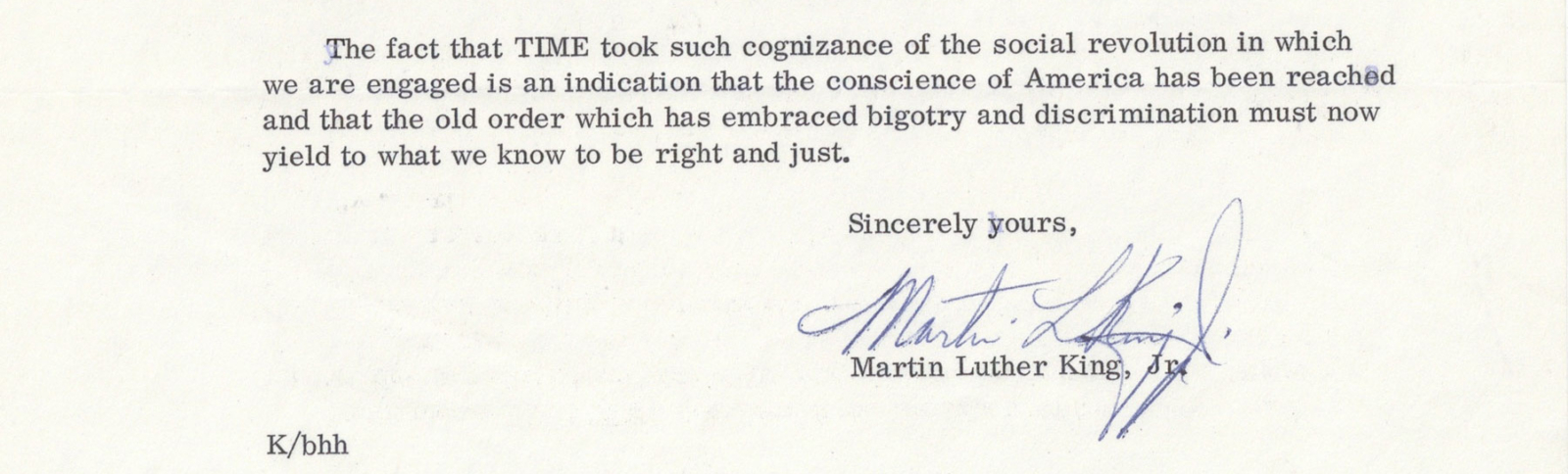
Typed letter signed, as President of the Southern Christian Leadership Conference (SCLC) and on its letterhead, Atlanta, Georgia, March 25, 1964, to Robert W. Fischer in Milan, Italy, enunciating his true feelings about the deeper meaning of the Time Magazine award, the course of the entire Civil Rights struggle, and the part he played in it. “Please accept my deep appreciation for your kind letter in reference to my being chosen by TIME magazine as its Man of the Year. It was very thoughtful of you to take the time to write to me in this connection, and I am deeply grateful for this expression of support.
“I was pleased that TIME considered me for this traditional honor and was willing to make liberal use of its pages in an assessment of the Negro’s constant struggle for full equality and human dignity. However, I must say that I sincerely feel that this particular recognition is not an honor to be enjoyed by me personally, but rather a tribute to the entire civil rights struggle and the millions of gallant people all over the nation who are working so untiringly to bring the American dream into reality.
“The fact that TIME took such cognizance of the social revolution in which we are engaged is an indication that the conscience of America has been reached and that the old order which has embraced bigotry and discrimination must now yield to what we know to be right and just.”
King was right that “the conscience of America has been reached” and that the civil rights movement had made important gains that augured well for the future. He was, perhaps too modest about the part he was playing in making equality a reality.

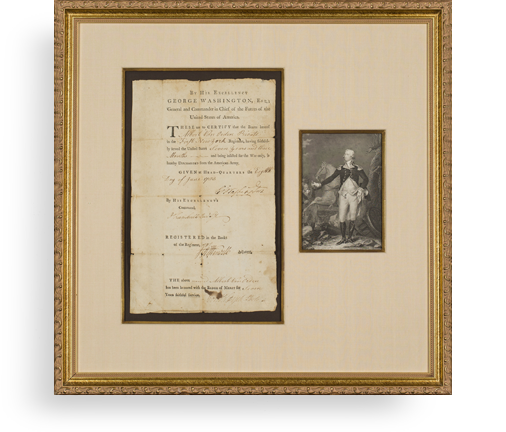
Frame, Display, Preserve
Each frame is custom constructed, using only proper museum archival materials. This includes:The finest frames, tailored to match the document you have chosen. These can period style, antiqued, gilded, wood, etc. Fabric mats, including silk and satin, as well as museum mat board with hand painted bevels. Attachment of the document to the matting to ensure its protection. This "hinging" is done according to archival standards. Protective "glass," or Tru Vue Optium Acrylic glazing, which is shatter resistant, 99% UV protective, and anti-reflective. You benefit from our decades of experience in designing and creating beautiful, compelling, and protective framed historical documents.
Learn more about our Framing Services
