






Susan B. Anthony Lobbies Congress to Gain Women the Right to Vote in an Expanding Nation
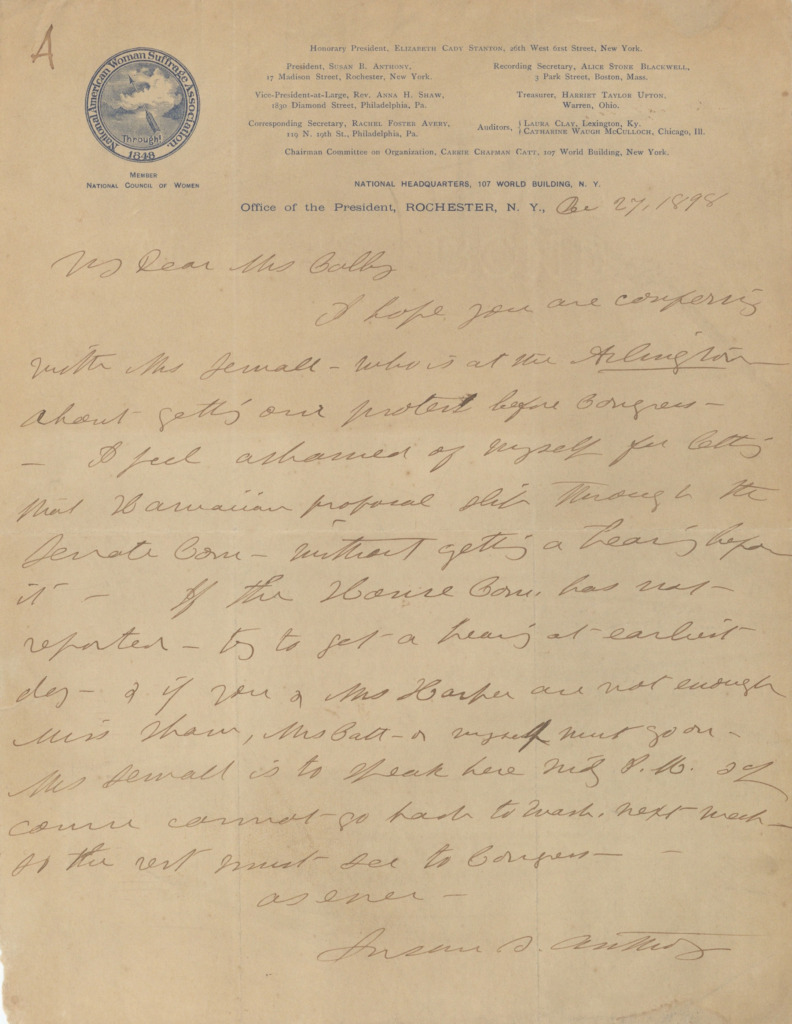

She writes of five prominent colleagues in the National Woman Suffrage Association who are available to lobby Congress on the question of women's voting rights in the territory of Hawaii
- Currency:
- USD
- GBP
- JPY
- EUR
- CNY
 This currency selector is for viewing only.
The Raab Collection only accepts USD payments at checkout.
Exchange rates are updated hourly. Rates may be inaccurate.
“If the House Committee has not reported, try to get a hearing at earliest day. And if you and Mrs. Harper are not enough, Miss Shaw, Mrs. Catt or myself must go on.”
A fascinating letter showing how Anthony organized women’s suffrage efforts
In 1898, Congress was discussing annexing Hawaii to...


“If the House Committee has not reported, try to get a hearing at earliest day. And if you and Mrs. Harper are not enough, Miss Shaw, Mrs. Catt or myself must go on.”
A fascinating letter showing how Anthony organized women’s suffrage efforts
In 1898, Congress was discussing annexing Hawaii to the United States. Hearings were held and in July of that year the annexation was approved. Susan B. Anthony and other suffragists sought to lobby Congress to extend social progress, including the right to vote, to Hawaiian women. But the initial opportunity slipped by without them launching the lobbying effort.
In addition to Anthony, other prominent suffragists were interested in the same issue and were available to assist in the revitalized lobbying efforts. These included four suffrage leaders. One was Clara Bewick Colby, a suffragist who worked closely with Anthony and Elizabeth Cady Stanton. Colby was a journalist, editor, and activist who played a key role in the National Woman Suffrage Association and was known for her newspaper, the Woman’s Tribune.
Carrie Chapman Catt was a major figure in the women’s suffrage movement. She succeeded Anthony as president of the National Woman Suffrage Association, eventually leading the movement to victory with the passage of the 19th Amendment in 1920.
Ida Husted Harper was a suffragist and close friend and colleague of Anthony. She wrote the biography, The Life and Work of Susan B. Anthony. Harper’s biography is considered the authoritative account of Anthony’s life and work.
Anna Howard Shaw was one of the chief leaders of the National Woman Suffrage Association. In 1892, when Susan B. Anthony became president of the newly formed National American Woman Suffrage Association (a merger of two previous associations), Shaw became vice president and later served as president. Throughout the period she was a familiar figure in demonstrations, conferences, congressional hearings, and lecture circuits, speaking in every state of the Union.
May Wright Sewall was a prominent suffrage leader who worked closely with Anthony and Stanton. Sewall was known as one of Anthony’s most competent young lieutenants.
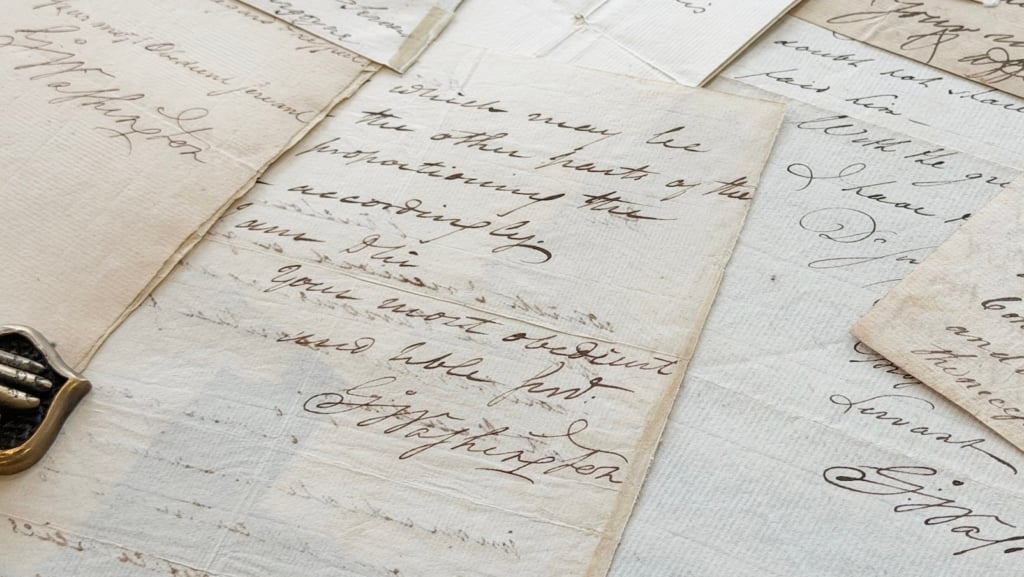
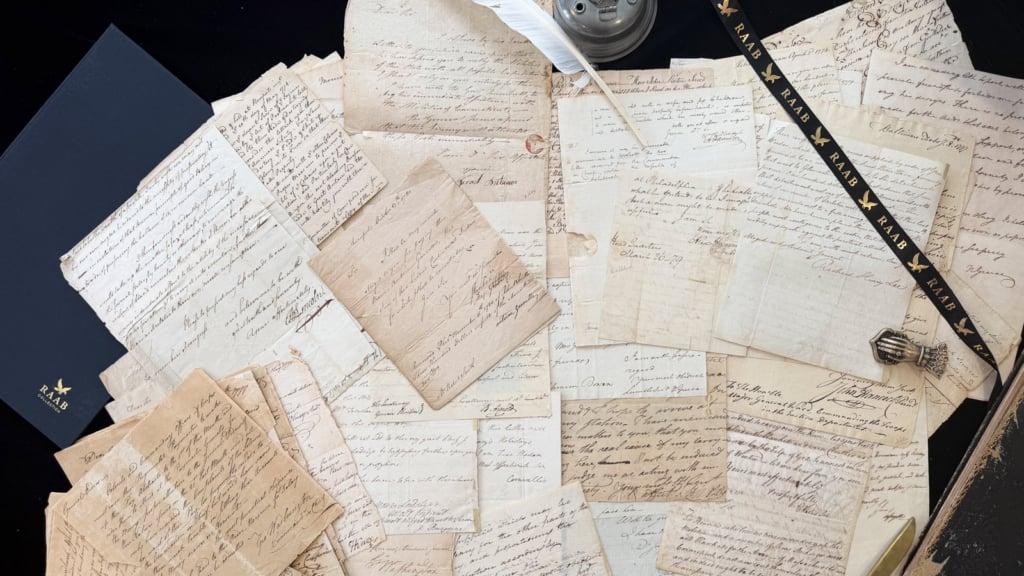
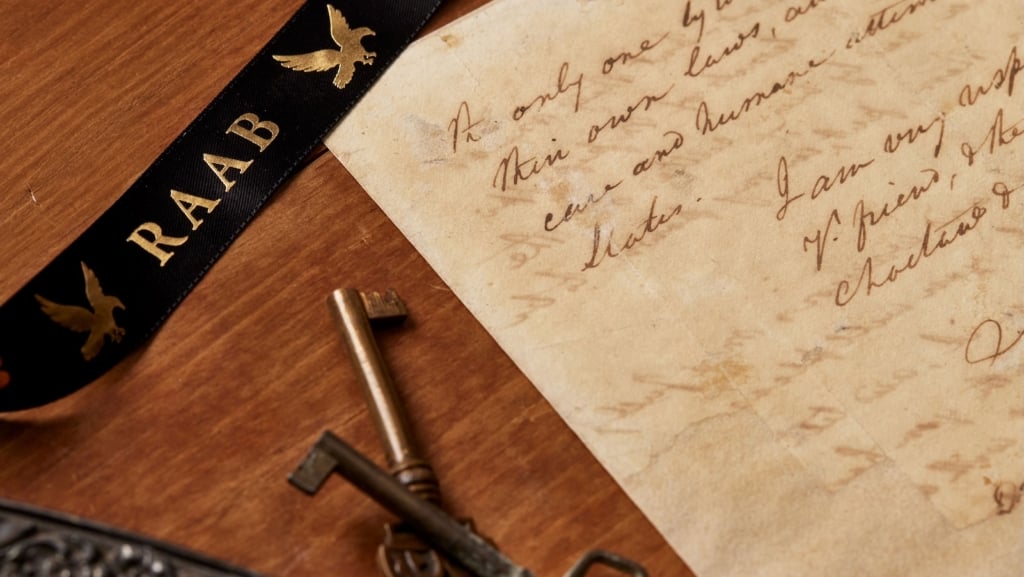
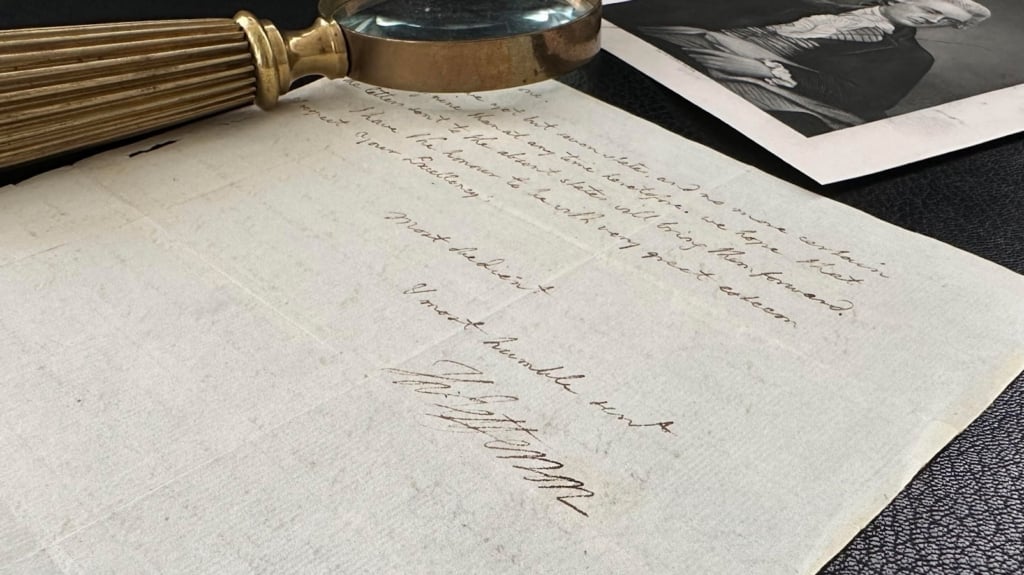
Autograph letter signed, on Woman Suffrage Association letterhead, Rochester, NY, December 27, 1898, to Clara Colby, apologizing for missing the early lobbying effort, but setting up the new lobbying program moving forward. “I hope you are conferring with Mrs. Sewall, who is at the Arlington about getting our protest before Congress. I feel ashamed of myself for letting that Hawaiian proposal slip through the Senate committee without getting a hearing before it. If the House Committee has not reported, try to get a hearing at earliest day. And if you and Mrs. Harper are not enough, Miss Shaw, Mrs. Catt or myself must go on. Mrs. Sewall is to speak here mid-PM, but of course cannot go back to Washington next week, so the rest must see to Congress.”
Congress began work on admitting Hawaii as a state in 1899. Anthony, Stanton and others in the National American Woman Suffrage Association wrote the “Hawaiian Appeal” in 1899. In this document, the suffragists asked that Congress give women the same rights to vote as Hawaiian men are given in the territory. Anthony was partly motivated not only to help women’s suffrage, but also to ensure that Native Hawaiian men would not be allowed to vote before women could. Anthony and Stanton also both felt that if territories were admitted without women’s suffrage, it would make the overall battle for suffrage more difficult. In the end, woman suffrage lost and suffrage was restricted to men who could read and write. It would be another 21 years before women got the vote throughout the United States.
An interesting letter of Anthony mentioning five of her most prominent colleagues in the woman suffrage movement, and taking responsibility for setting up the lobbying effort to gain Hawaiian women the vote.

Frame, Display, Preserve
Each frame is custom constructed, using only proper museum archival materials. This includes:The finest frames, tailored to match the document you have chosen. These can period style, antiqued, gilded, wood, etc. Fabric mats, including silk and satin, as well as museum mat board with hand painted bevels. Attachment of the document to the matting to ensure its protection. This "hinging" is done according to archival standards. Protective "glass," or Tru Vue Optium Acrylic glazing, which is shatter resistant, 99% UV protective, and anti-reflective. You benefit from our decades of experience in designing and creating beautiful, compelling, and protective framed historical documents.
Learn more about our Framing Services
