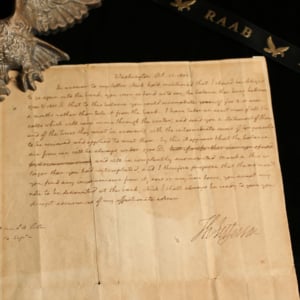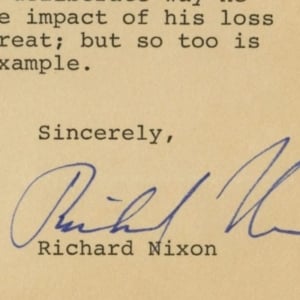


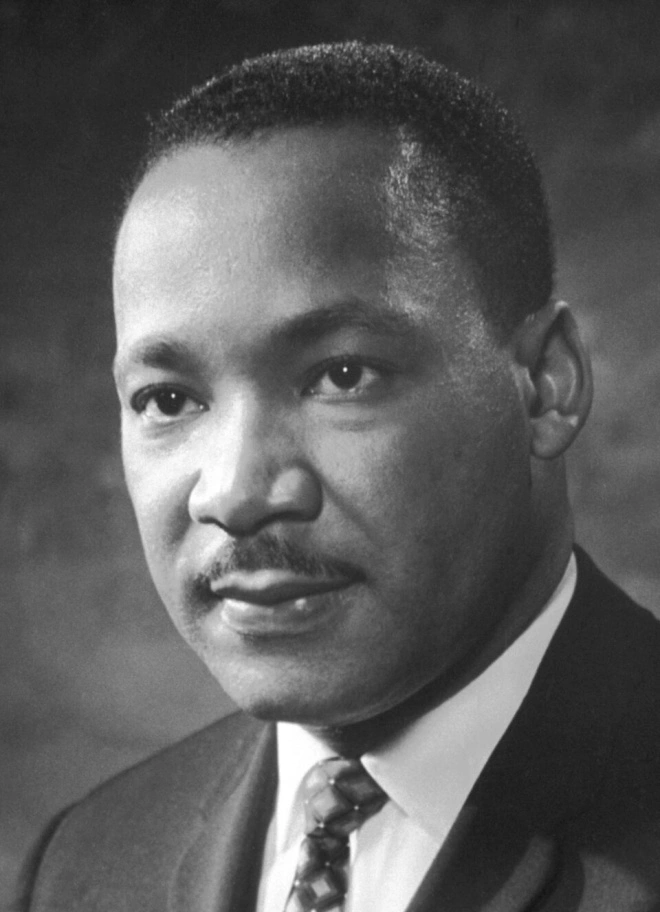


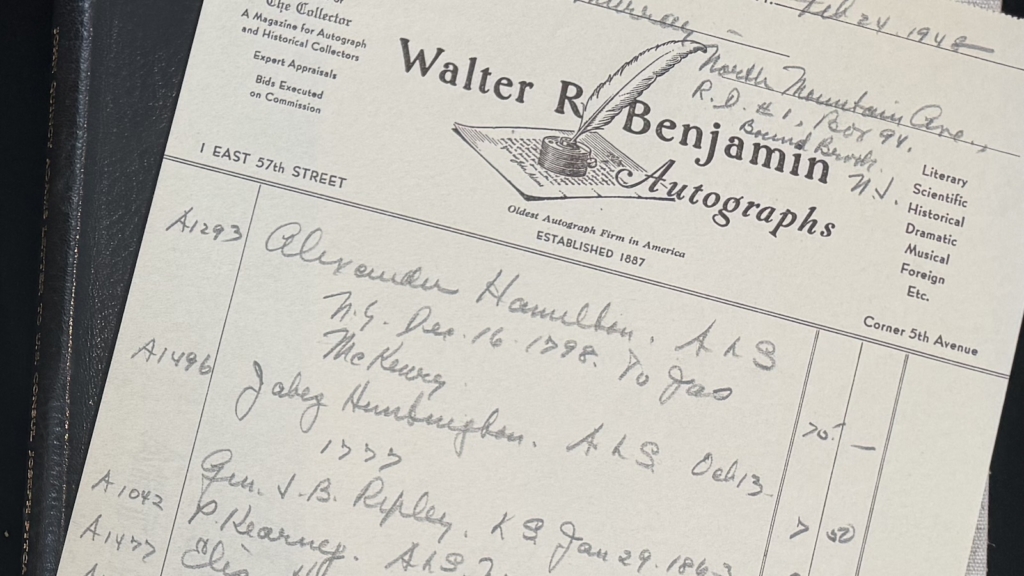


For the Inspired by History podcast, we’re producing a series of episodes on how to start and build a collection of historical documents. In the fourth of this series, we speak with Nathan Raab, president of The Raab Collection, about what to look for when buying historical documents, particularly in terms of content, condition, and provenance.
Listen to the interview below or via your podcast player of choice. Or, if you prefer, read this lightly edited transcript of the conversation with photos and embedded links to more resources.
Today our topic is what to look for when buying historical documents and autographs. In real estate, the old adage is, “location, location, location.” In the world of historical documents, I’ve heard, from you, “content is king.” Can you break that down for us a little bit?
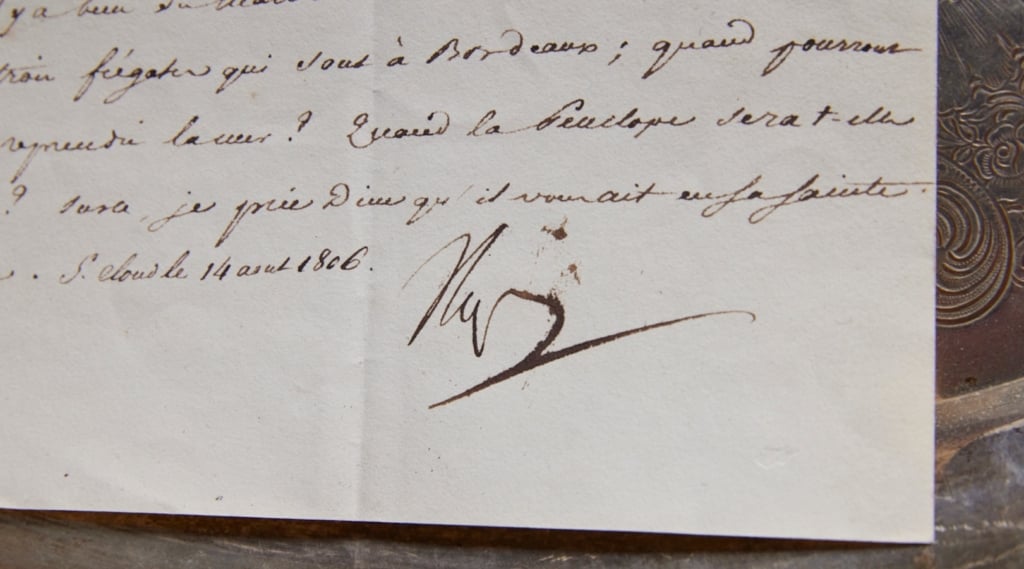
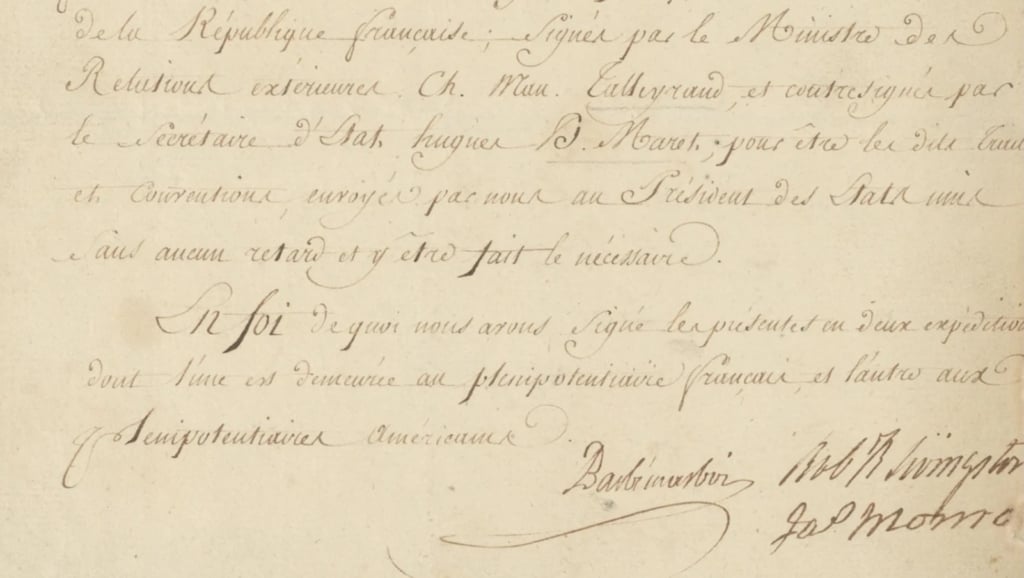
Nathan: The value of historical documents comes in large part from their historical importance. You’re looking at things that are pieces of paper with ink on them, so the component parts of those are worth whatever the component parts of a small amount of ink and some rag or wood pulp paper would be worth. What gives them value, what gives them excitement is what they mean, and what they mean is summed up by a combination of the person that wrote and/or signed them, and what that person was doing by creating this piece, by writing it, also known as the content.
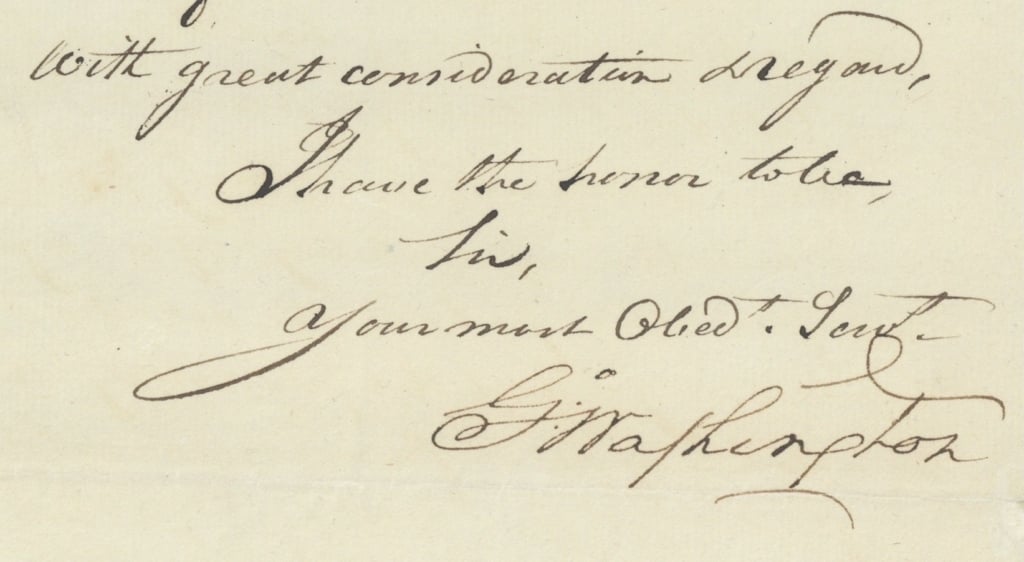
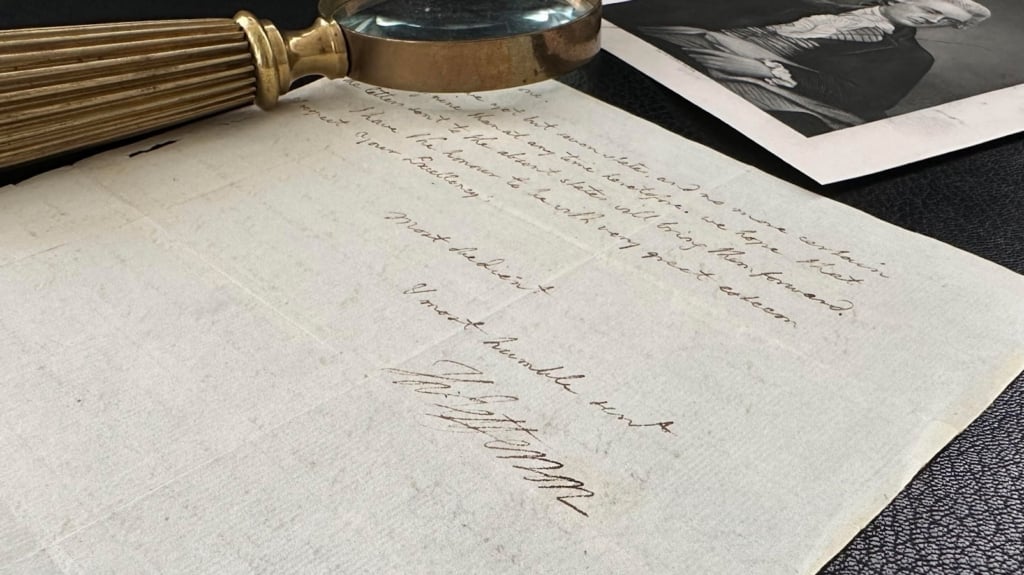
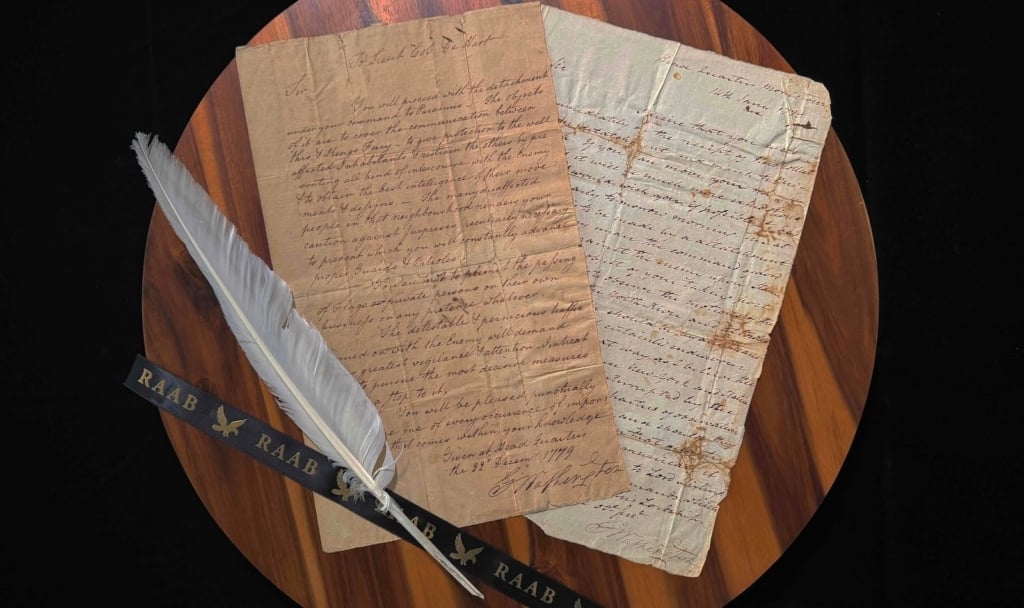
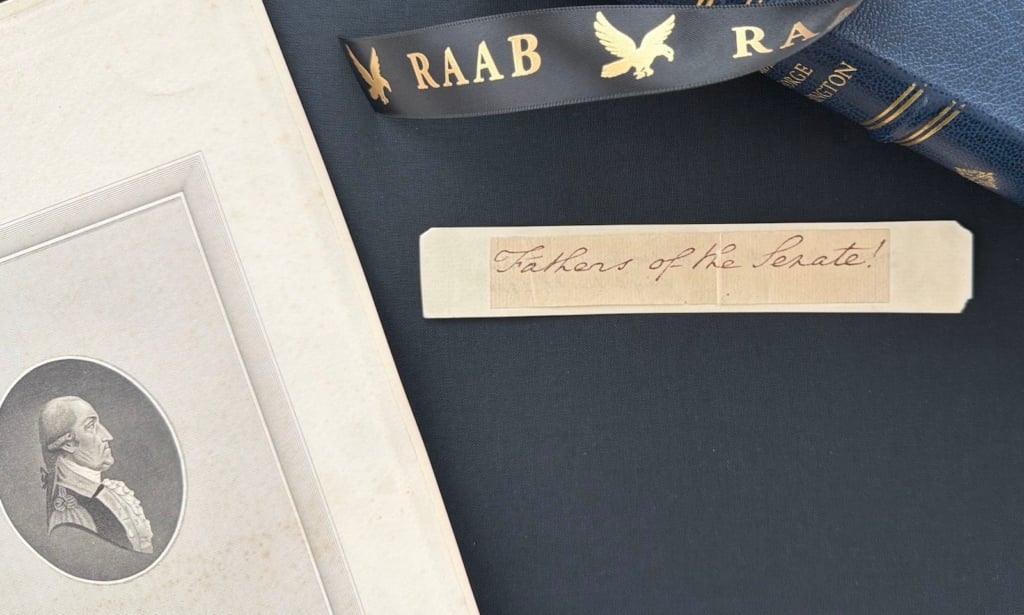
Is it an important moment in history? Is it, for instance, the blockade of the Confederacy? Does it give you some revelatory insight into the character of the person? Do you learn George Washington was, for instance, nervous that the colonists might not prevail during the winter at Valley Forge? So yes, content is king. Would you rather have a letter of Washington managing his crops? Of course, those are nice. It shows Washington as citizen farmer. Or would you rather have a letter of Washington directing troops during the war, or managing the presidency as the first chief executive? Would you rather have a letter of Washington saying it’s raining today? Or would you rather have a letter of George Washington discussing his love of reading and books? One tells you very little about the person. One is revelatory. One deals with the daily business of running a farm, and the other is hugely important in the context of the history of America. So content is king.
For someone like, let’s say FDR, how important is it to buy something signed by him as president?
Nathan: There certainly are people who focus on buying things solely during specific years. I’ve always taken the position that what matters more is the content. So certainly all things being equal, you might want something signed as President, although in FDR’s case, he was President for four terms, so there’s no shortage of his letters as President. I would focus more on the role that the piece plays in history and that may predate the presidency.
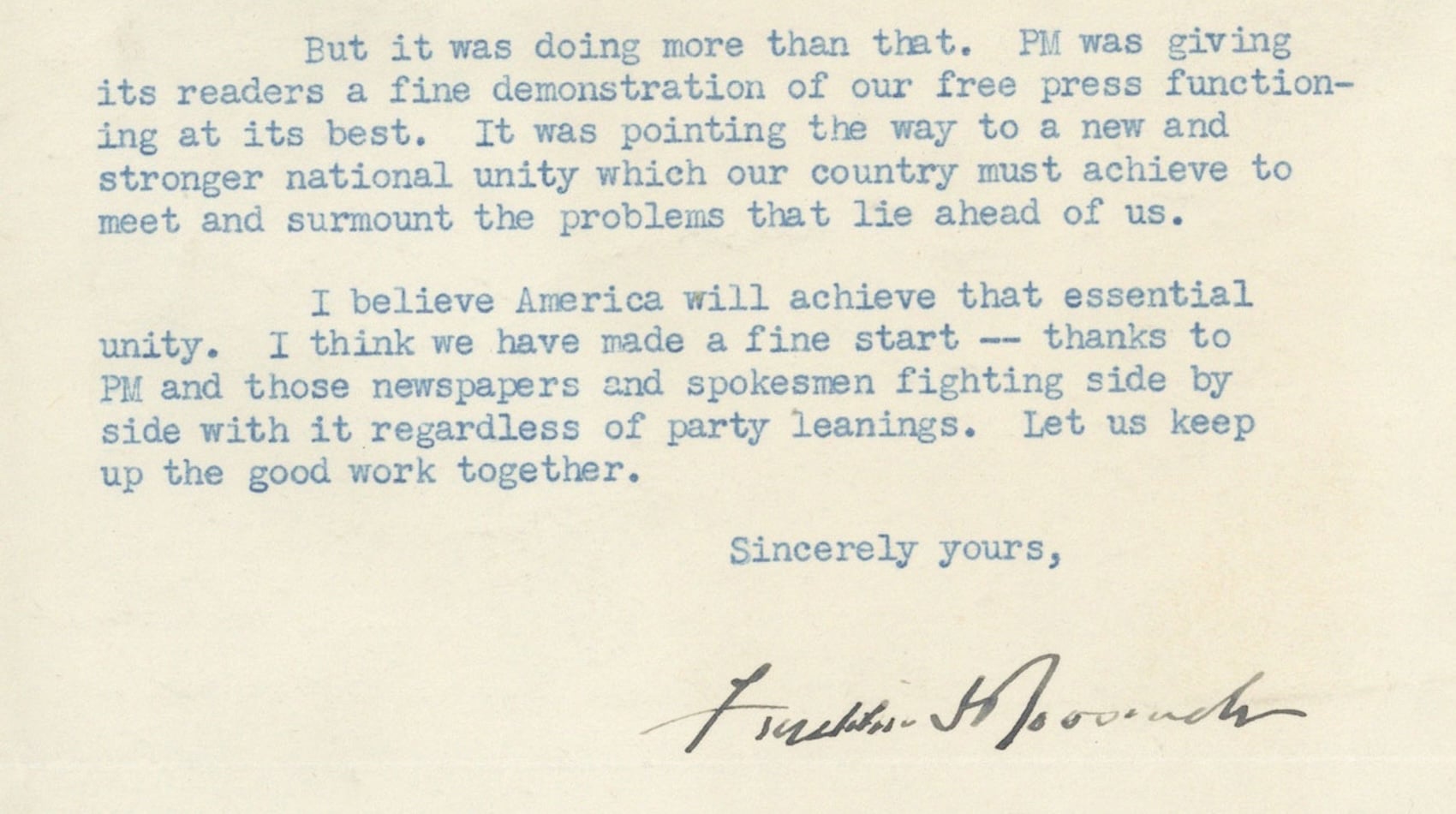
Abraham Lincoln‘s a great example of that. It’s certainly true that people look for things that are signed during his presidency, but Lincoln is actively collected in all moments of his life. And if you were to find a letter as Congressman, or even earlier, that sheds light on the man that he would become on the national stage, that might be worth significantly more than a letter during the presidency. I think that if you get myopically focused on one stretch of time, simply because a person was serving in an official position or doing x or y, you miss the beauty of capturing the history of their lives. You may be walking away from things that are of great historical import and interest. So unless your goal is to put together a collection of every President as President, which I’ve seen done, I would not look on those things exclusively.
What about condition? That must be a factor.
Nathan: Well, taking a step back, the first advice that I give somebody who wants to put together a collection is to put together a collection of what they want, not what someone else says they ought to want. You buy the things that you love because you love them. The whole purpose of this pursuit of collecting important historical documents is that it’s hugely rewarding. You’re buying things signed, touched by people, who you respect and admire, in moments of great importance, historical importance, and for everyone, the estimation of what those people and moments are, is different.
Some people have very broad interests, some people have more niche interests, and the collection that you build should be a reflection of your interests and your passions and your morality. Collect the things that inspire you, and this hobby will be forever inspiring. Collect the things that someone else says you ought to buy, and you’re, in effect, putting together a collection that will be less meaningful to you.
Collect the things that inspire you, and this hobby will be forever inspiring.
In terms of another factor, which is really subjective, the amount of money that you should spend on a collection. I’ve seen people put together collections of great importance spending a fraction of the money that you might suggest because they were patient, they were knowledgeable, they worked with knowledgeable and patient people, and over the course of time they put together truly historic collections. And I’ve seen people spend a huge amount of money buying collections that were fairly valueless because they weren’t thoughtful about what they were buying. They bought something that other people said they ought to buy. They put together a collection for the sake of putting together a collection, and the result was less rewarding.
We see these collections because people call us in to buy these collections, and I’ll never forget walking into a real estate developer on the East coast, who according to him, spent millions of dollars, and realizing – this is an incident I recount in my book – that on the walls of his office, which was decorated like the Oval Office, it was meant to mimic it, were, I don’t know, a quarter of them were forgeries and the rest were fairly minor pieces. In the end, he had spent more on framing the material than he could have ever hoped to get out of the documents themselves.
When the business began, we helped people who were on limited incomes. The great example is, we put together a fairly important collection for somebody who was a truck driver, 20-30 years ago. And that collection was important. I mean, it’s not cheap, but with patience and knowledge and a passion, you can put together a really great collection.
Before you get into the weeds about, okay, when is the most important time to be buying this person? There’s no right or wrong in your estimation of the value of history, and I cannot escape the conclusion that if you work with knowledgeable and reputable people, and you’re patient, and most importantly, you buy the things that you love at a price point that is comfortable for you, that you will have a rewarding experience. The price point that is comfortable for you is greatly varying, but the one advice that you have here is to buy fewer pieces and make the pieces you buy more important.
When you’re talking about a 200-year-old document, what are some of the condition issues that you see most often? What can be fixed, what can’t be fixed? What are deal-breakers?
Nathan: Well, what makes something a dealbreaker is not the same for each person. Content plays a role in the value of pieces, plays a role in their desirability. It does not, however, play a role in their historical importance. A piece is historically important, whether it’s been somebody spilled wine or coffee or water on it, or ripped it in half, or it’s faded due to sunlight, so it’s a sliding scale.
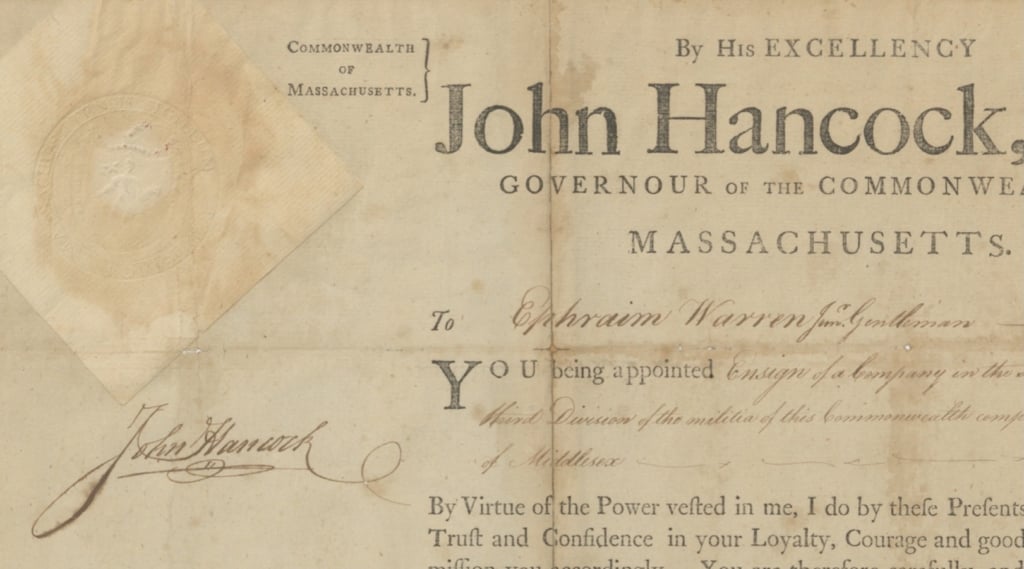
If something is in too good condition, I think one might rightfully be suspicious. Something shouldn’t be in too good condition. I got into this debate with somebody who wanted a Lincoln commission that had never been folded. Lincoln signed commissions for promoted officers throughout the war, so an officer’s appointment during the war was signed by Lincoln and often his Secretary of War. These things are quite large. They’re like, broadly, a foot and a half by two feet tall. They were signed, given to the officer. The officer carried this with him after the information was recorded by the adjutant general, and the officer carried these things and filed them and kept them, and they were passed down in the family. So answer me this, in what scenario would a soldier have been provided a vellum document, a foot and a half by two feet tall, and have it passed down in posterity for close, pushing now, to 175 years, and it’s never been folded? It’s not a realistic scenario, and if I ever found one that wasn’t folded, I would be suspicious. Now, they can be flattened by a conservator, but they won’t look perfectly flat.
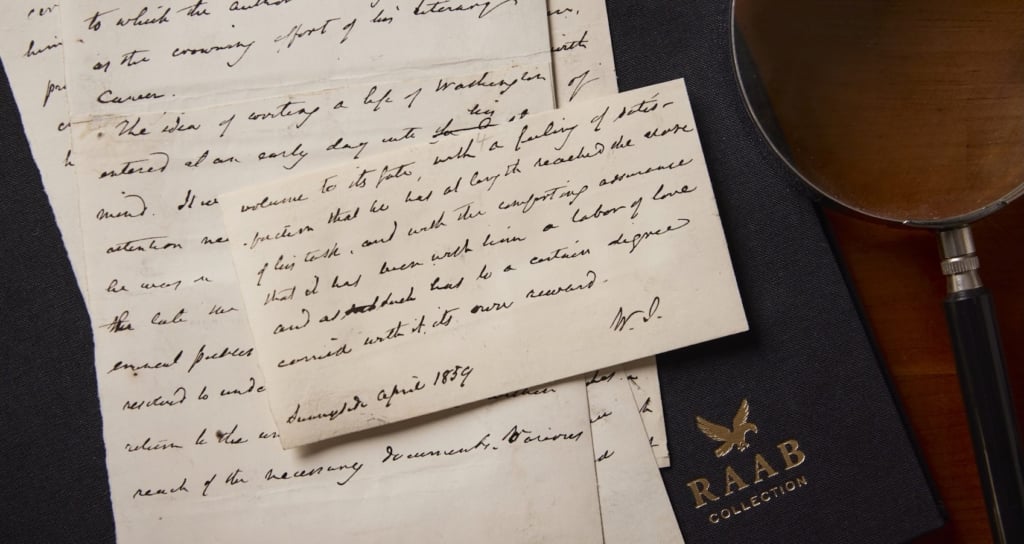
These things have a life of their own. They went from, in some cases, a thousand years ago to today. They had their own lives. Most of them were born before we were and will outlive us. So there is a certain natural journey that these things take that makes them not pristine. That is part of their journey. That is part of their story.
The general enemies of the condition are: a piece can lose its physical integrity. It could be torn up, crumpled, it may lose pieces. You may find that a letter of Abraham Lincoln, which was once full, but now you only have half of it. That’s not ideal. That absolutely impacts its value. People generally want a full document.
Water may have been spilled, so you may have what we call water damage, and that often has an impact on its value. And there’s of course fire. I’ve seen holes that were obviously created through some kind of heat. I can’t imagine what that would be, but I can imagine scenarios over the course of several hundred years that something might happen.
The most pernicious of all is the sun. Pieces put in the sun fade and once that happens, there is no going back. So I suppose the deal-breaker, just to follow your initial question, is, if something is so faded from the sun that you no longer can tell what it is, that is probably a deal-breaker.
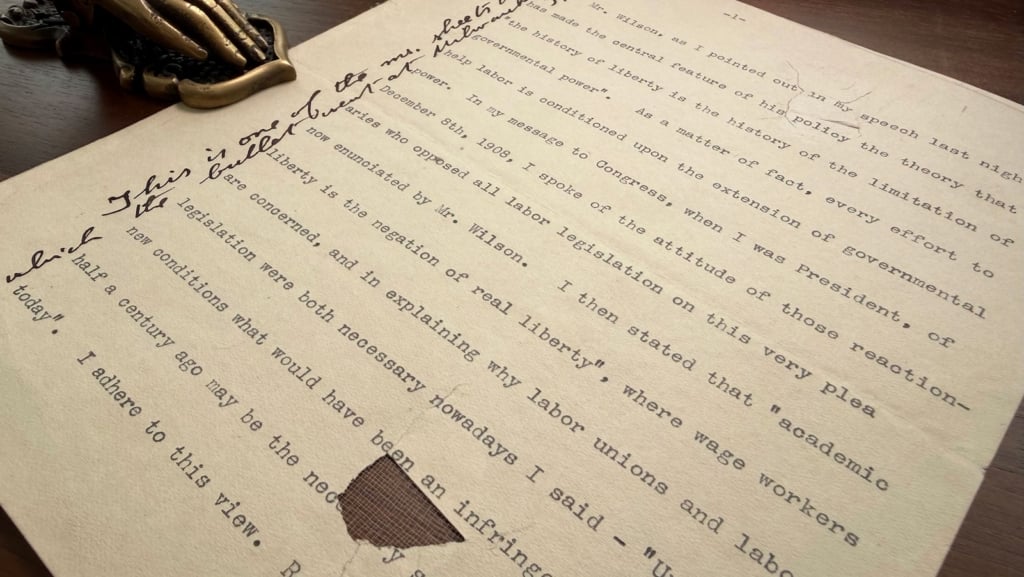
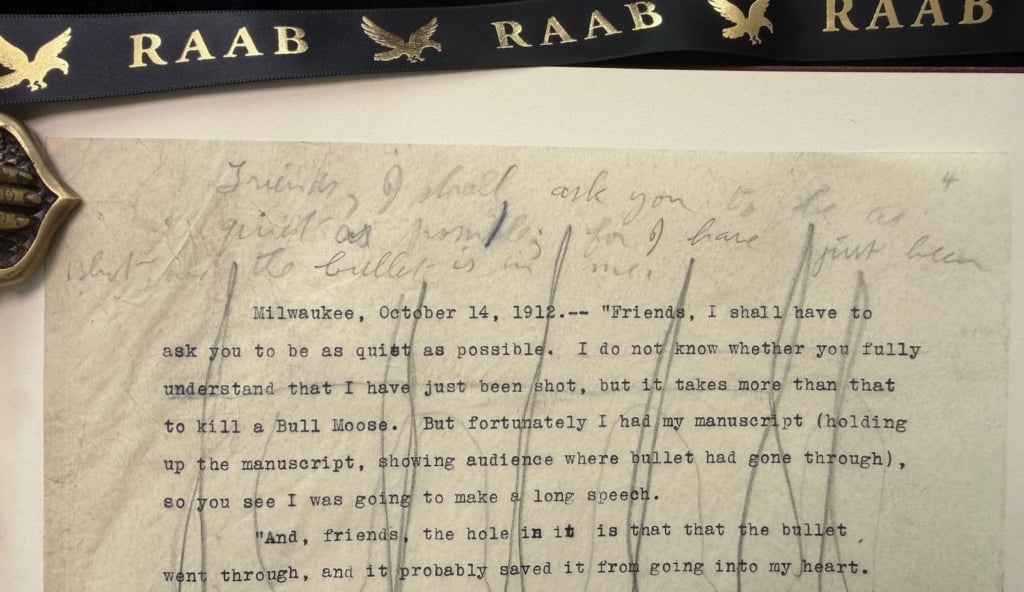
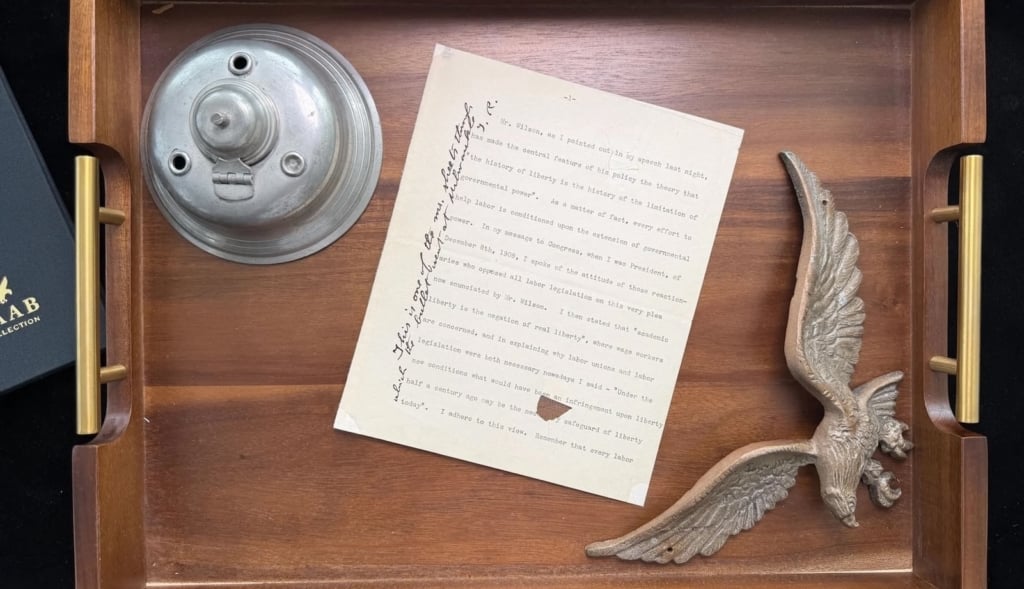
There are some cases in which the condition is part of its story. The manuscript speech that saved Theodore Roosevelt’s life, that was in his pocket when he was shot, has two holes in it. The bullet went through. That’s part of the value. If those holes weren’t there, you’d have a real problem. They are supposed to be there.
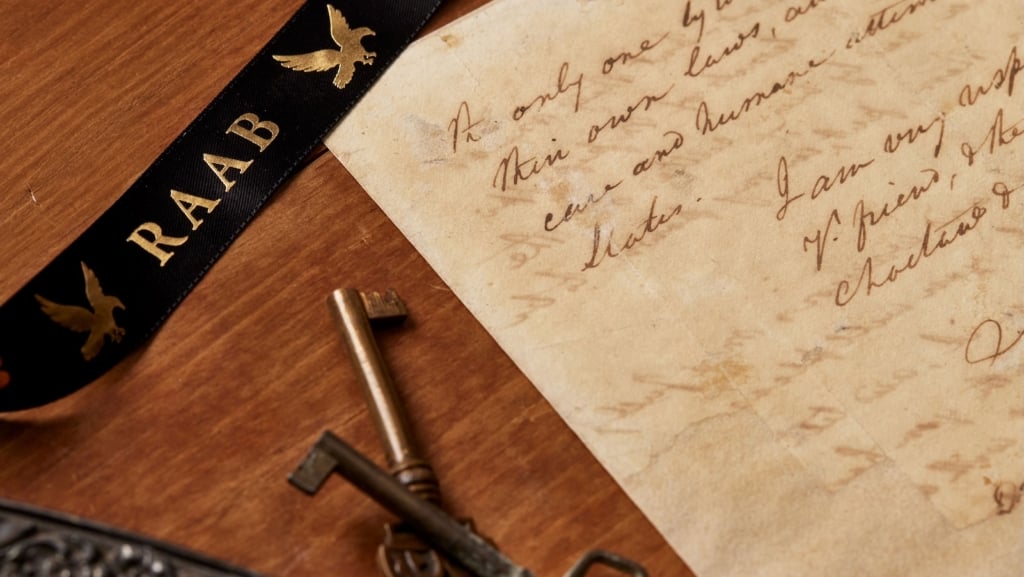
The address that Andrew Jackson gave to the Native Americans, that was carried from encampment to encampment to Native American village from Native American village, that was missing some elements of it, not many, but some, the condition attests to its journey. The historical importance was high enough that it did not negatively affect its value. And it’s unique. You don’t like that one? Find another. You can’t. They don’t exist.
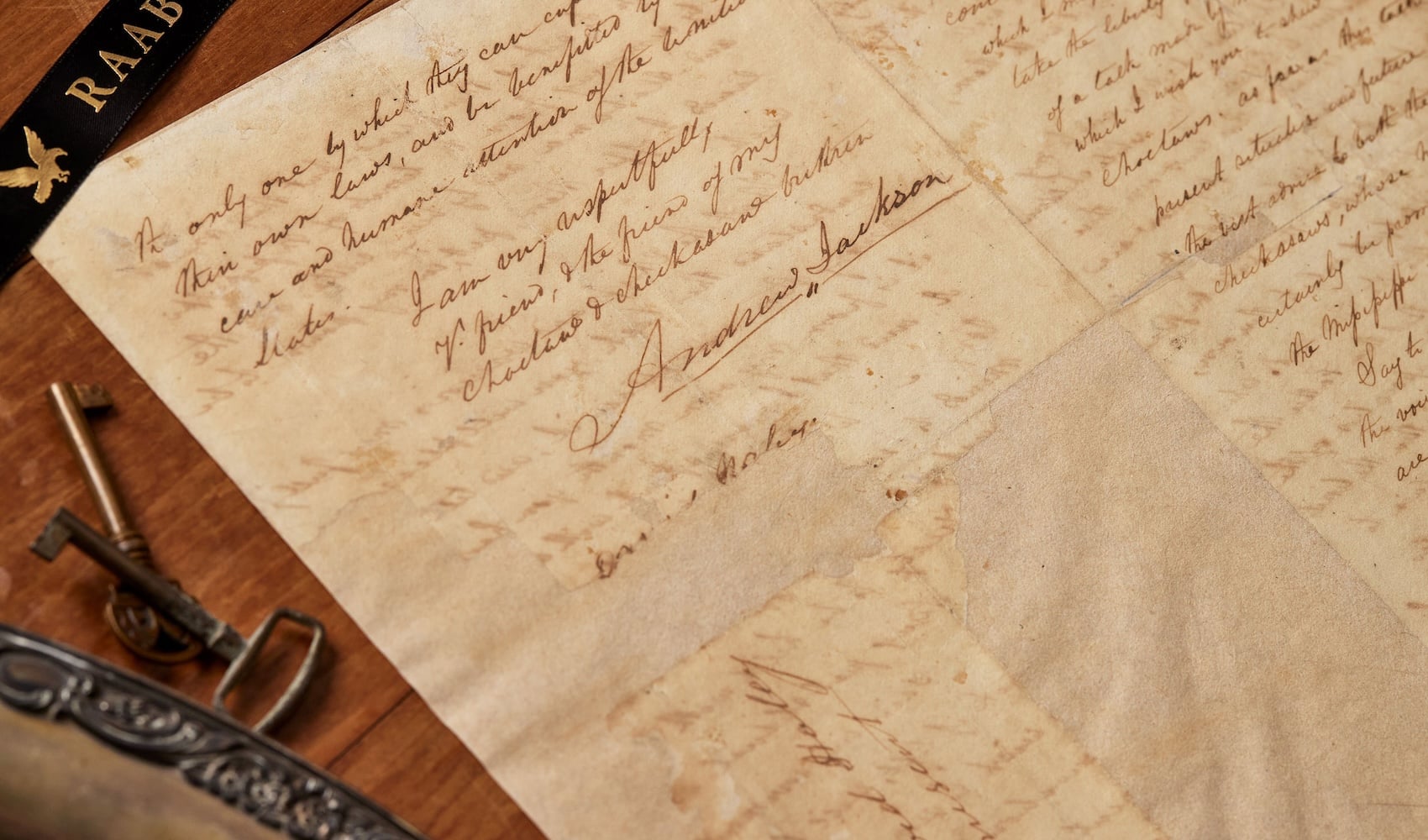
I was actually going to bring up that very story from your book, The Hunt for History, because when you found that Trail of Tears letter, it was literally in pieces.
Nathan: Yeah, a lot of condition issues can be fixed. If you’re looking at something that’s been folded and over the years, it’s become weak at those folds and perhaps even separated, as long as you still have the pieces, a good conservator can do a lot of good work on them. The role of condition is a sliding scale, but for the things that are truly historically important, where you could not find another, or where the content or historical importance is so compelling that the condition pales in comparison, then the condition is not a factor.
One of the most valuable documents in the world, if it were ever to come up for sale, which it never will, is the original signed copy of the Declaration of Independence. That has faded a great deal because of its own journey. Copies that were made against it; the ink is not nearly as strong as it used to be, but it would be the most expensive document ever sold by a long shot if it ever came up. That’s obviously an exaggerated example, but that shows you that there are many circumstances in which the condition does not play a huge role.
There are people, I’m not one of them, most of our customers are also not, who would rather take a less important piece that is in better condition than a more historically important piece that has some condition issues. Maybe there’s a tear on one of the corners, or, over the course of time, the separation at the folds has affected letters that can’t be brought back. To me, these can be fairly minor condition issues, which might affect the content at the margins, but I would always rather have something that is historically significant than something that is, although beautiful, fairly historically minor.
Our place in the market has always been to find the more interesting, the more valuable, the more important pieces, provided the condition is not so bad that it interferes with your daily enjoyment of it.
How important is provenance? I imagine you can’t always trace a document back to its original owner or source.
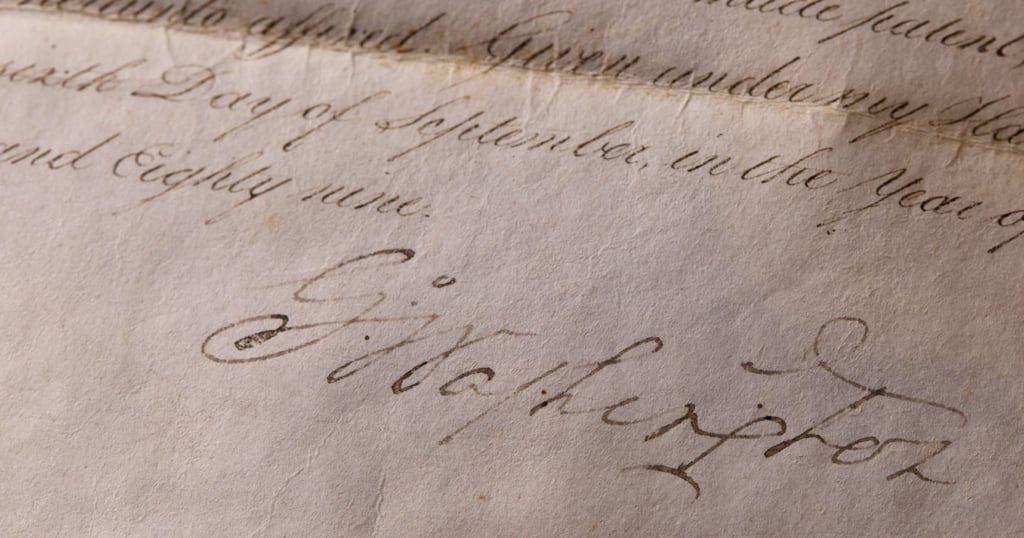
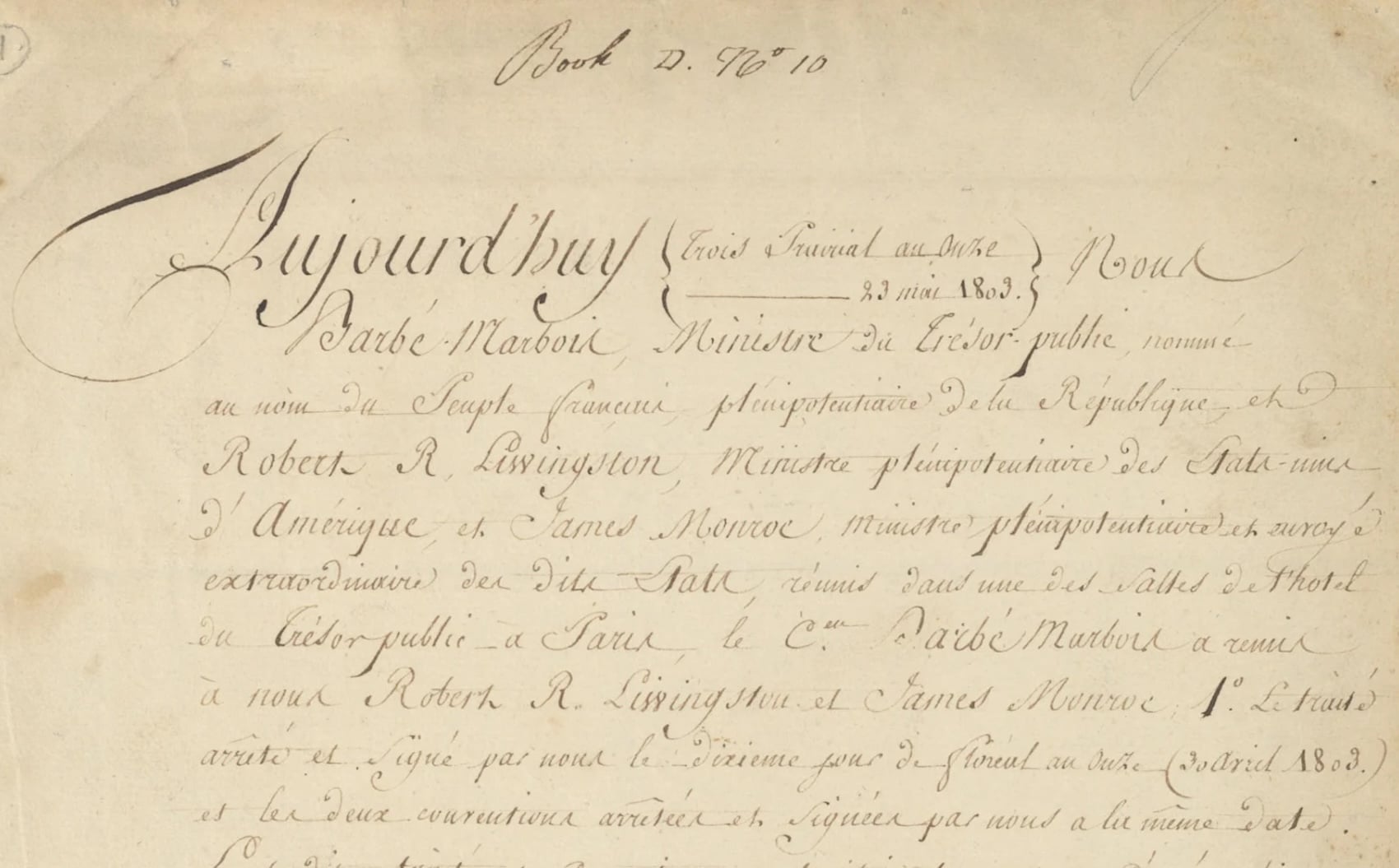
Nathan: Provenance can be a factor in authentication, but is often not with documents that are self-authenticating. An expert can know what they’re dealing with. The vast majority of documents cannot be traced back to their recipient. It is very rare in our field that you can track a document signed by George Washington and figure out its entire journey from, let’s say, 1776 to today. That’s not always the case. We acquired letters of Washington from the direct descendants of his Secretary of State and somebody who served other Cabinet positions, Timothy Pickering, and so we can track that. We know that he sent it to Pickering. Pickering passed it down to his descendants, and then we acquired it from the descendants. That is the best case scenario.
But even in scenarios that are kind of in the middle – we just acquired a receipt signed by George Washington relating to his work on the Fairfax estate after the members of the Fairfax family had fled to England. Washington kept these receipts. This was his copy of that receipt, which was filed away and then sold by one of his descendants, one of his heirs, around 1900 at a famous auction at Henkels in Philadelphia. These all went out at the same time. Some of them were of great importance. It was sort of the last remnants of Washington’s document legacy. It was sold by his descendants. Well, that’s fine. So it’s bought in 1900, let’s say, by so and so, and we may even know who bought it, but then it may not turn up again until 1975 or 1980. So what has one to do with that information? It has disappeared, and you have no idea. The almost certainty is that it’s been bouncing around in private collections, but you’ll never know. It will be impossible to recreate, and that is not the worst case scenario. That’s a fairly good scenario. You know where it came from, you know the provenance, in many cases these things were sold by an autograph dealer or a book dealer, or were somehow given away in the 19th century and there’s no record of anything.
People didn’t keep track of these things back then because they had no value. Once the historical information was recorded, they had no financial value. People didn’t have the same historical sense they do today, and they were often discarded or taken home and not kept. The historical sensibility and the understanding of the market that we have today cannot be applied to the world, pre 1930 or pre 1940. It’s not the same.
Is there anything else? We talked about content, we talked about condition, we talked about provenance. Is there any other major area?
Nathan: If you buy things you love, you’ll always love the things that you have. I keep coming back to that.
Knowledge of course is important. Understanding the history behind the piece, asking difficult questions of the piece itself. Why should I care about this? What can this teach me? What does this reveal about the person or the moment in history? These are the central elements that motivate a more sophisticated buyer. The issues of authenticity, if you’re doing business with the reputable people, that should not be something you have to concern yourself with.
The issues of condition will be sort of self-evident. Either the piece is in such bad condition that it really interferes with your enjoyment, or that the condition becomes more of a factor than the importance. Those things will, in a sense, become self-evident. But if you’re buying from reputable people, and you’re buying the things that inspire you, that motivate you, with a focus on, okay, well, is this important? Why should I care? Why do I care about this piece?
Some of this is asking yourself the question: Why do I love this piece? Then you’re not going to go wrong. You’ll have a collection around you that inspires you, that makes you happy, that you’re engaged in this endeavor, and you’ll have the people around you who you admire, and can teach you something not only about the world around you, but about yourself.
I think ultimately these collections become reflections of the people that collect them. Because the people that collect them, if you buy something that is inspirational, will continue to inspire you. It becomes part of your life.
I like that. As with any hobby or passion, the point is to enjoy the process, but some good guidelines are always helpful, especially when you’re just starting out. Thank you.
To learn more, listen to other episodes in the Masterclass series, subscribe to hear more from Inspired by History, and visit The Raab Collection website’s Learn section.