





A common question we get is: where do you find your historical documents and autographs?
Each week we get over 100 people from all over the world writing to us to offer something to buy, some historical treasure that they own. Below are some examples, just a few, which could be multiplied by hundreds.
Private Collectors
When the time comes for private collectors to sell their material, whether they inherited their collections, acquired them from us, or from others, and whether they did so more recently or more than a generation ago, we assess their collections based upon our 40 years in the field, and make them strong offers.
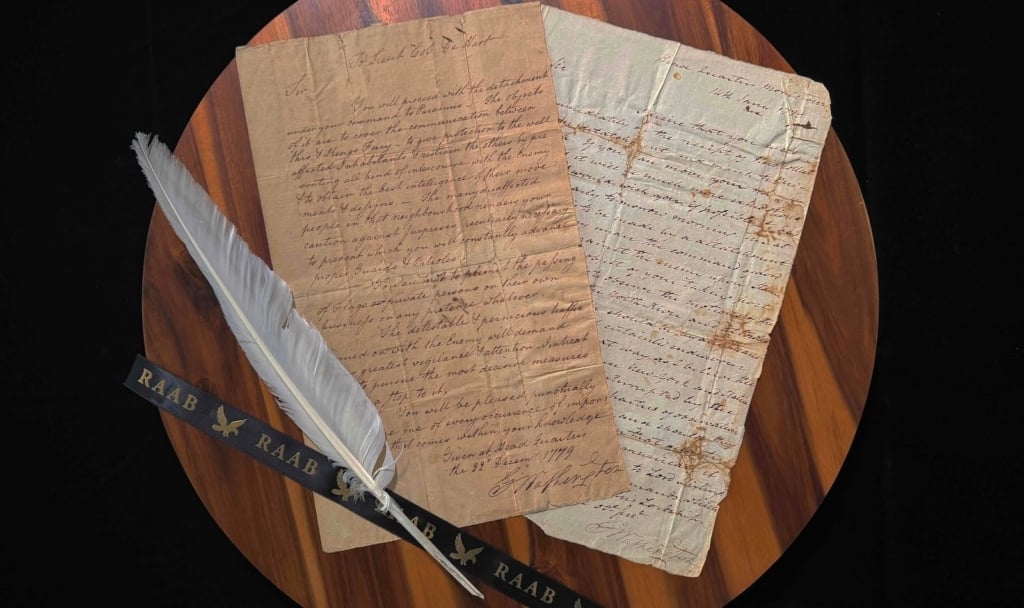
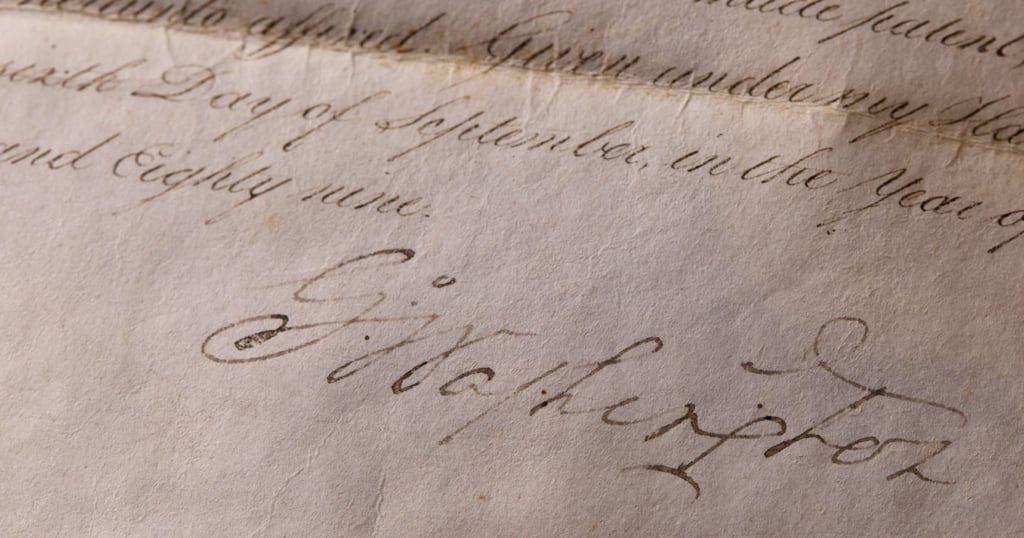
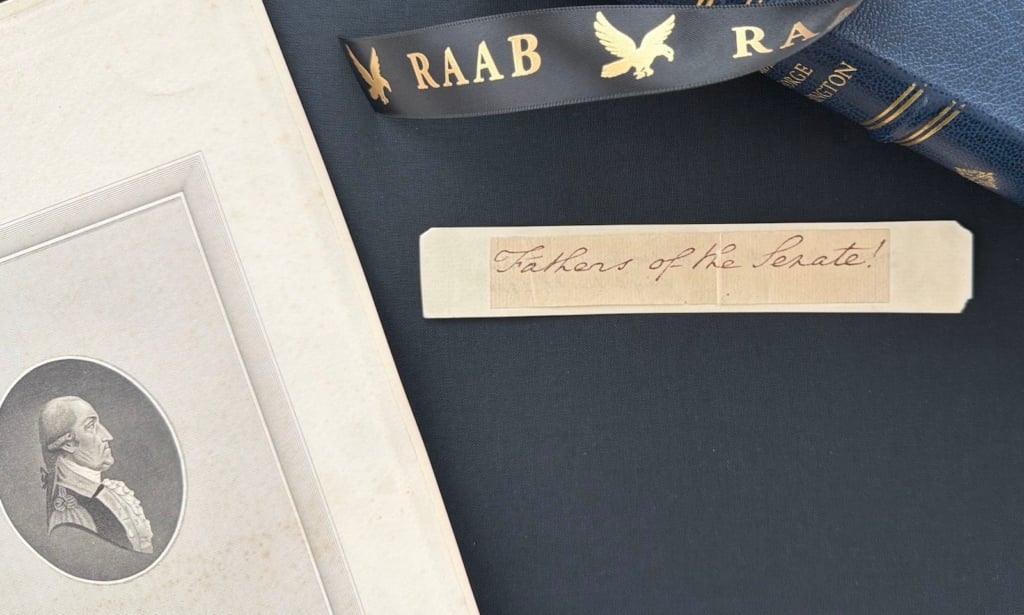
Such as the man who acquired sections of George Washington’s undelivered inaugural address.
Or the woman whose father had collected an incredible collection of documents signed by Minutemen and Paul Revere.
Or the man who had collected and decided to sell an incredible and rare letter of Henry David Thoreau discussing and mentioning by name Transcendentalism.
Descendants or Relatives of the Historical Figures Who Received Important Letters and Documents from Notable People
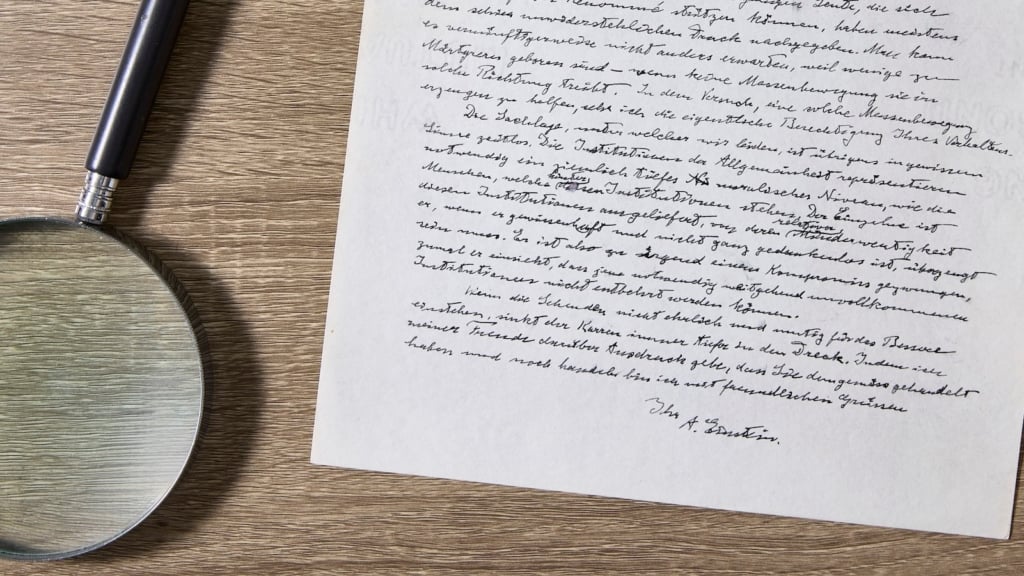
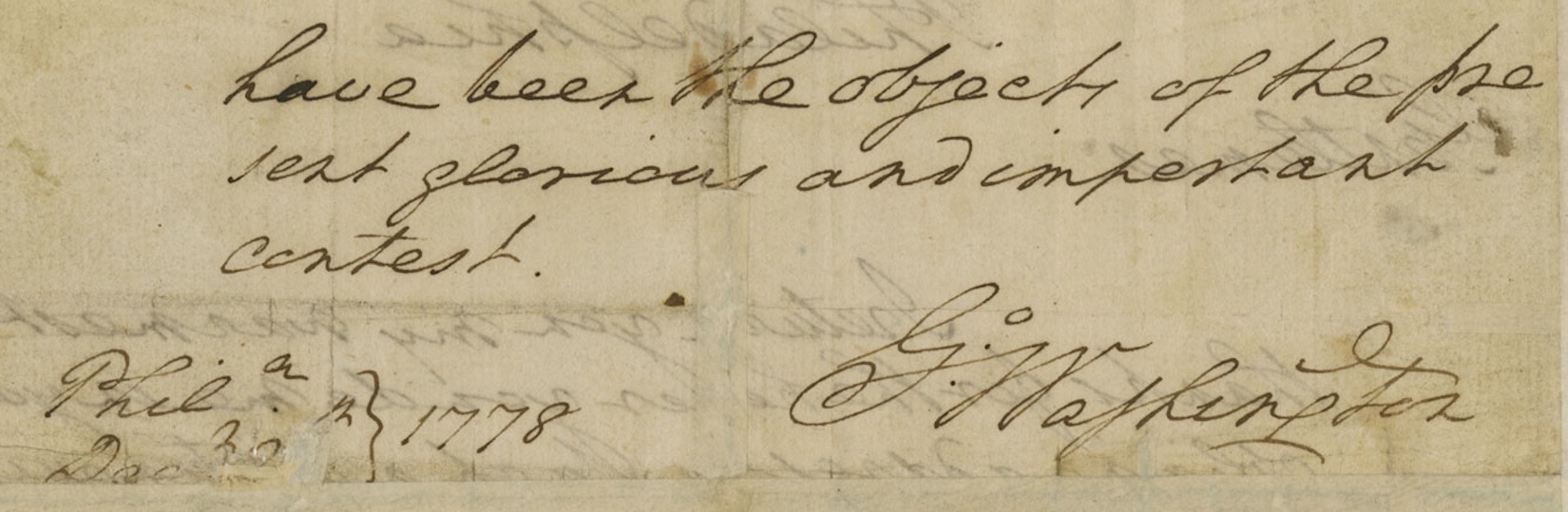
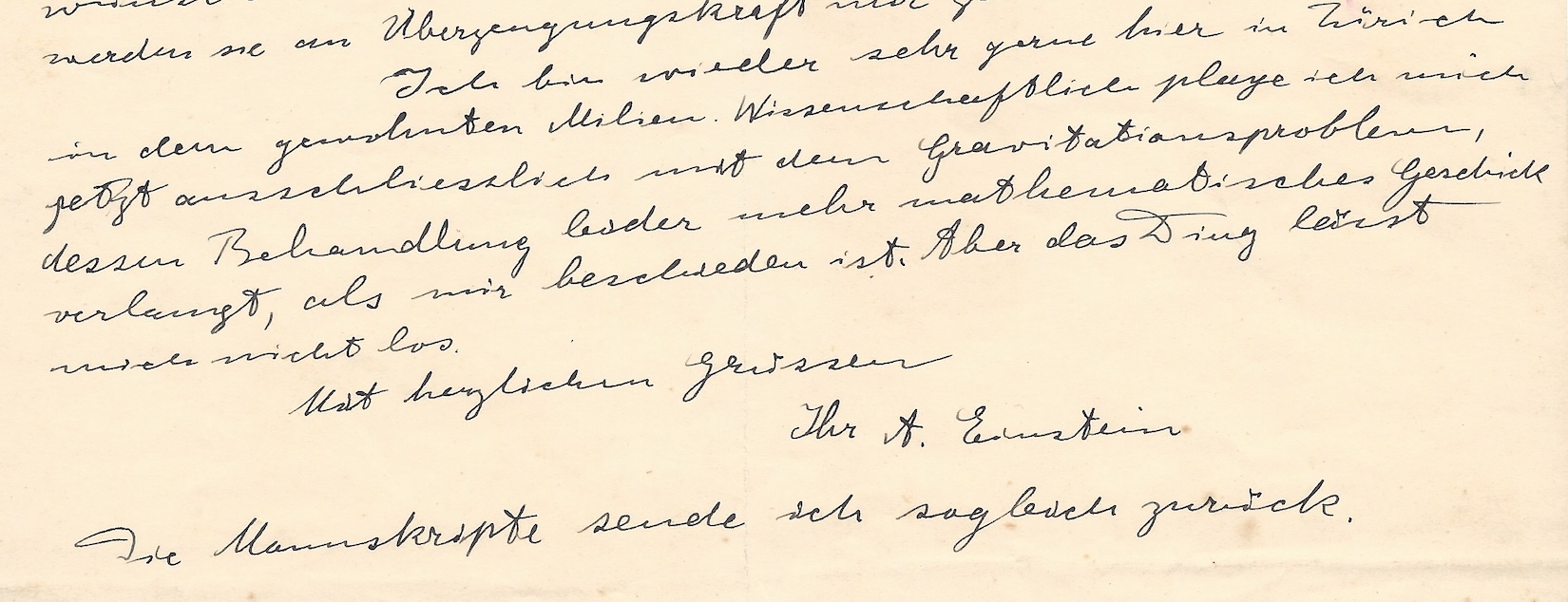
Examples: If your grandfather knew Albert Einstein and corresponded with him, and you inherited a letter written to him by Einstein, the day may come when you decide to sell that letter. Such was the case when the descendants of one of Einstein’s close friends, Herbert Jehle, who sold us Einstein’s defense of his work on the atomic bomb, given to Jehle; or a Jewish scientist, Georg Bredig, whose grandson sold us an entire archive of material, including 2 letters of Einstein.
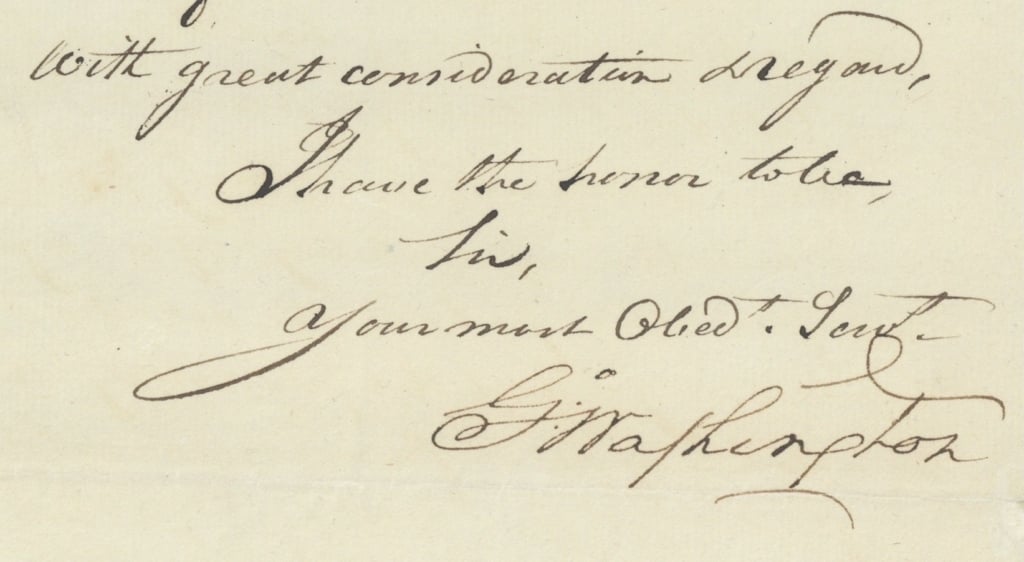
Or George Washington’s letter on American victory in the Revolution and freedom, referring to the “providence” of God: “The happy moment which Heaven has pointed out for the firm establishment of American Liberty”, acquired from the heirs of the recipient and never previously sold.
Or Abraham Lincoln’s letter on his hope that God was on the side of the Union, sent to a Union minister, sold to us by the heirs of that minister.
Or Andrew Jackson’s letter that started the Trail of Tears, sold by a descendant of a Union general who obtained it from the recipient.
Descendants or Relatives of the Historical Figures Themselves
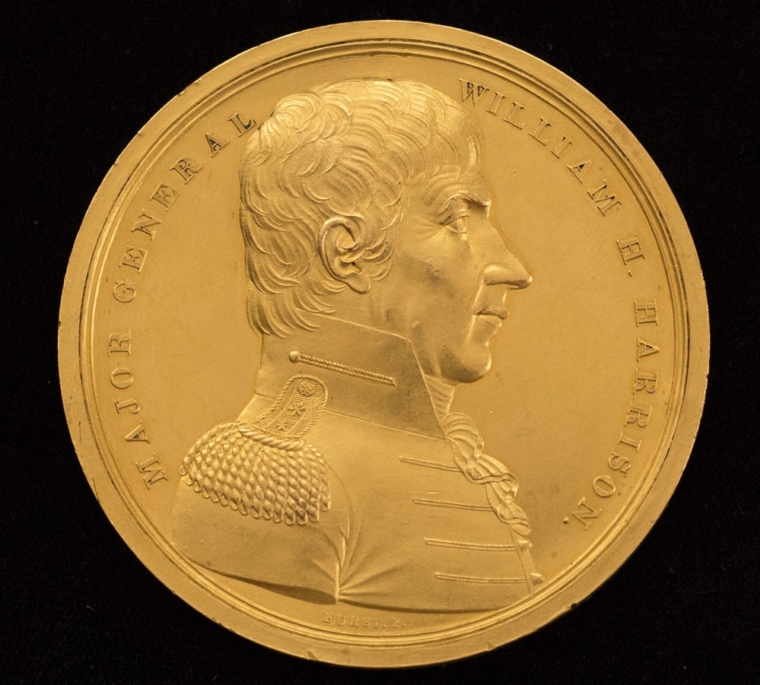
Example: when the heirs of Benjamin Harrison and William Henry Harrison decided to sell hundreds of pieces belonging to their President ancestors, they turned to us. This included William Henry Harrison’s Congressional Gold Medal, letters of Theodore Roosevelt, and hundreds of others pieces.
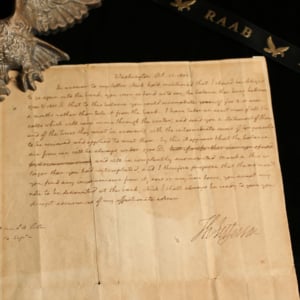
Or the descendants of Thomas Jefferson, who sold us Jefferson’s last letter home to his family before leaving the White House at the end of his second term.
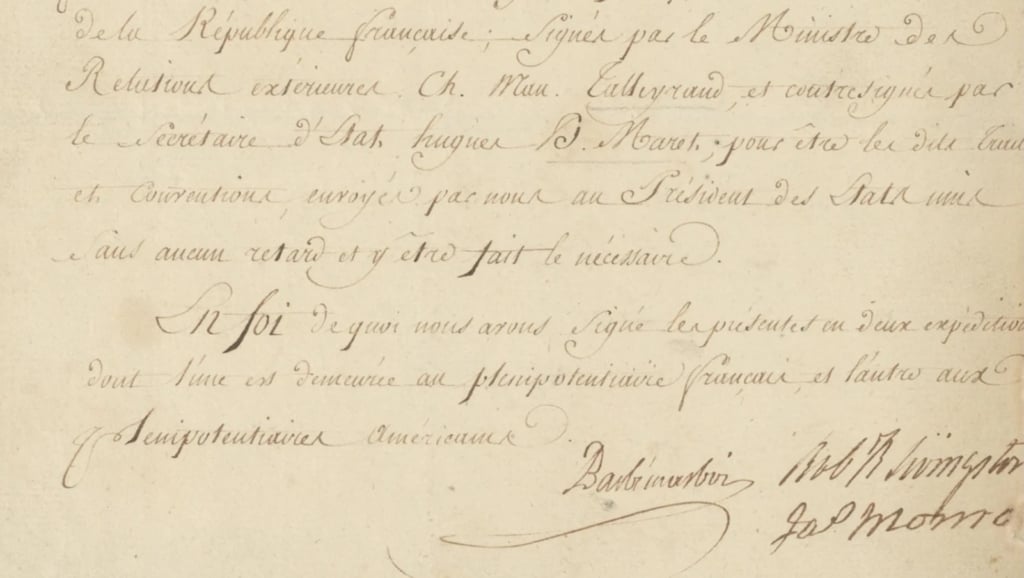
Or the descendants of Secretary of the Navy Benjamin Crowninshield, who sold us the former businessman and privateer’s entire archive, replete with material signed by James Madison, James Monroe and many others.
Or relatives of other important historical figures, like U.S. Grant, James K. Polk, Ronald Reagan, Neil Armstrong, Gerald Ford, and F. Scott Fitzgerald.
Institutions
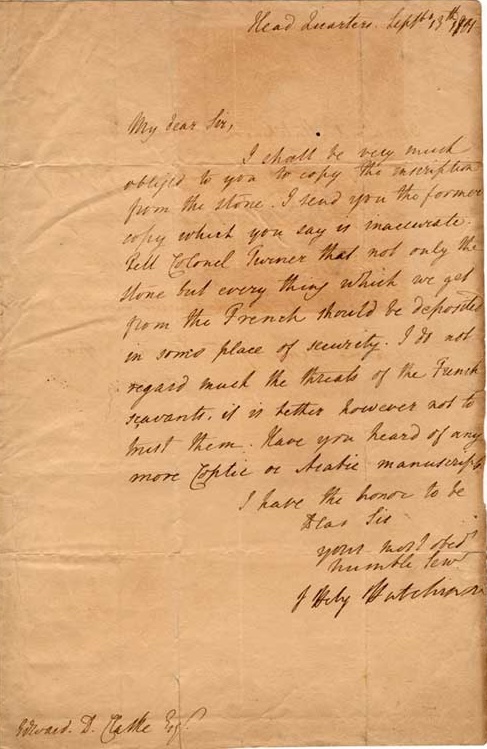
Occasionally an institution will decide a historical document is no longer relevant to their collection and deaccession and sell a document. We work with them to determine the appropriate price and acquire it directly. This could be a historical society or other such institution holding collections, which might have acquired the document centuries ago. We also have many institutions as clients, such as the British Library, which bought the order to seize the Rosetta Stone from us, and the Library of Congress, which has obtained many historical documents from us since the start of our relationship in 2006.
Auctions
Auctions are nationwide and proliferating in increasingly diverse and decentralized fashions. This proliferation is both good, in that it helps grow the market, but it also represents a challenge to the buyer, for whom such proliferation can be confusing and a potential minefield as to true value, potential, and authenticity, as well as delays. Auctions do represent an occasional opportunity for us but constitute a very small fraction of what we buy. And we exercise great caution when we do so, reviewing the representations made, coming to our own conclusions, and making our own assessment of authenticity.
How does our process work?
Once we have an agreement on price, the seller generally sends us the document via parcel service like Fedex, we examine the piece upon receipt to ensure it appears as expected, and we pay promptly via the method of their choice. It is quick, simple and confidential.