





Hamilton fans who remember “Cabinet Battle #2”, from which event this piece stems, might think Thomas Jefferson was against U.S. neutrality during the French Revolution, but, as we see here, it was complicated
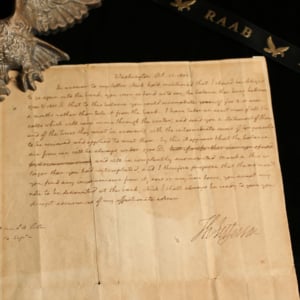
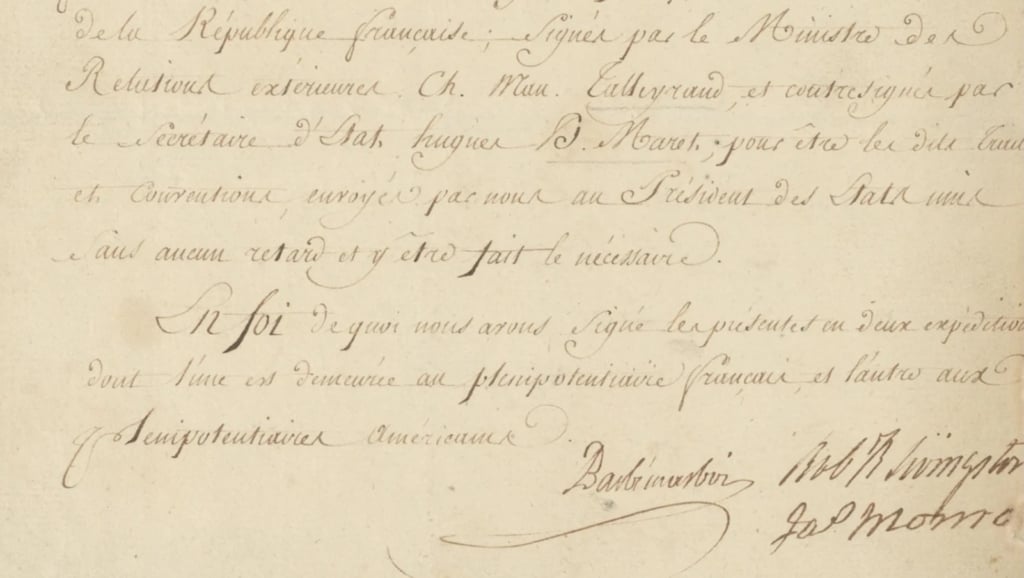
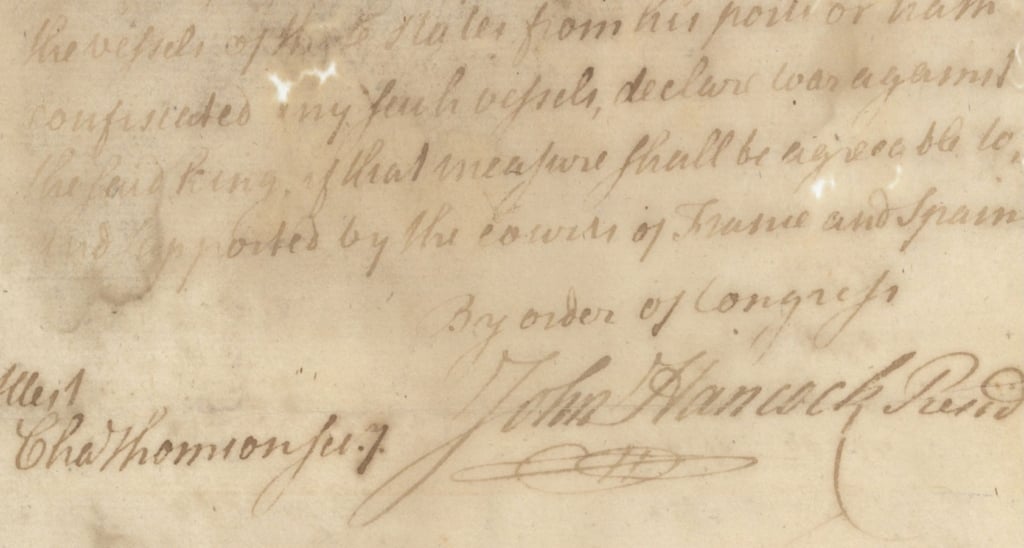
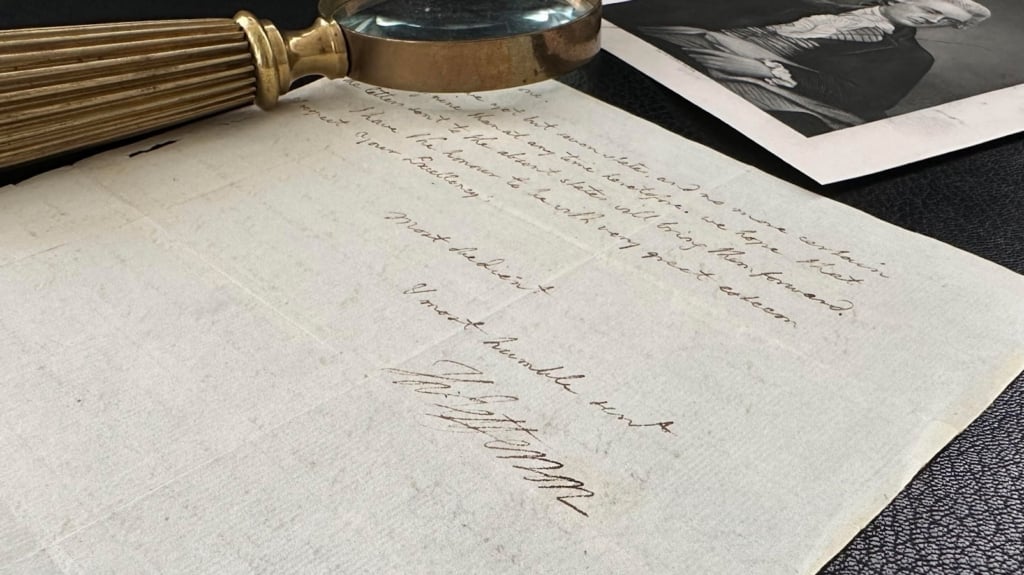
It was not merely the rarity of this document signed by Thomas Jefferson that interested us; it is what the document teaches us about an important moment in early American history. Dated March 21, 1793, it is a two-page letter of neutrality signed by Jefferson and issued to U.S. consuls the day President George Washington called a Cabinet meeting to get formal opinions from Jefferson, Alexander Hamilton, and his Cabinet on American neutrality, the text approved by Washington himself. At the time, Jefferson was the Secretary of State but also a devoted Francophile, having spent much of the previous decade abroad in France. He supported their revolution as a welcome offshoot of the American Revolution.

Jefferson vs. Hamilton on Neutrality
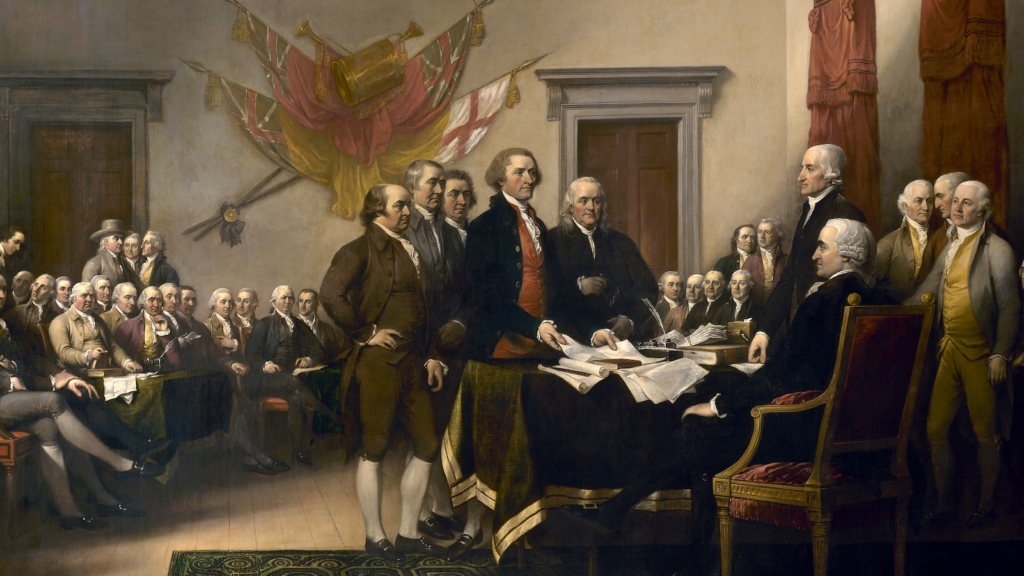
If you’re a ‘Hamilfan,’ this document will immediately call to mind Lin-Manuel Miranda’s now 10-year-old Broadway show, specifically “Cabinet Battle #2.” In this scene, Washington asks Jefferson and Hamilton, as the Secretary of the Treasury, to persuade him on a course of action regarding France: remain neutral or join their revolution. It plays out as a rap battle between the two performers, with Jefferson arguing that America should rally for France while Hamilton urges neutrality. It is contentious.
What then to make of this historical document in which Jefferson instructs U.S. consuls to remain “vigilant to protect American shipping, trade and neutrality and to protect the American flag from being stolen and used against the new nation,” and to report to him directly on the matter?
As our Guest Curator Dr. Lindsay Chervinsky, Executive Director of the George Washington Presidential Library at Mount Vernon, wrote in 2021, Hamilton is historically accurate much of the time, but it is important to examine the historical record to separate fact from fiction. It’s true, she writes, that Jefferson and Hamilton were at odds on many subjects, and that our potential partnership with France was a critical question for Washington and his Cabinet. However, Chervinsky points out, when the musical version of Jefferson “demands that Washington send funds and soldiers to support France in this crisis,” that’s a stretch. “To be sure, Jefferson was more pro-French than almost anyone. But even he knew that the US could not afford to fight another war — emotionally, financially, environmentally, or militarily. So while we wanted Washington to come up with a neutrality that was friendly toward France, he didn’t actually advocate for warfare. Especially not with an ally with a government as unstable as the French Republic.” (The French had just executed King Louis XVI two months earlier.)
This Jefferson signed letter is a crucial document for understanding America’s (ultimately failed) policy of neutrality, which led in time to the Phony War with France in 1798 and the War of 1812 with Britain.

To learn more about Thomas Jefferson autographs and historical documents, visit our dedicated Jefferson page.