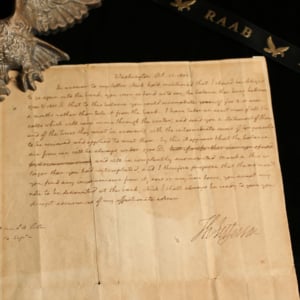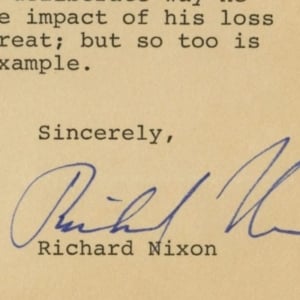




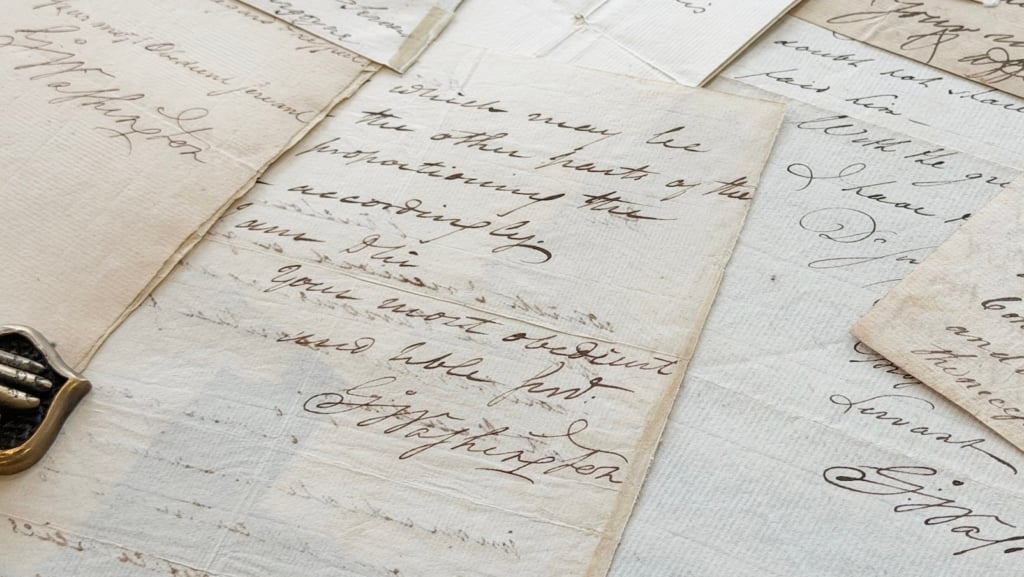
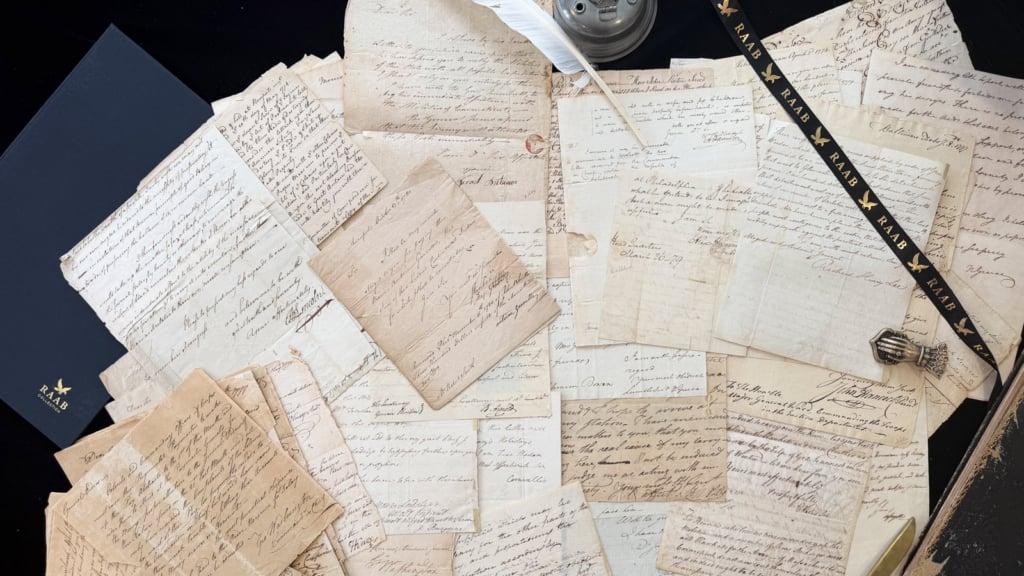
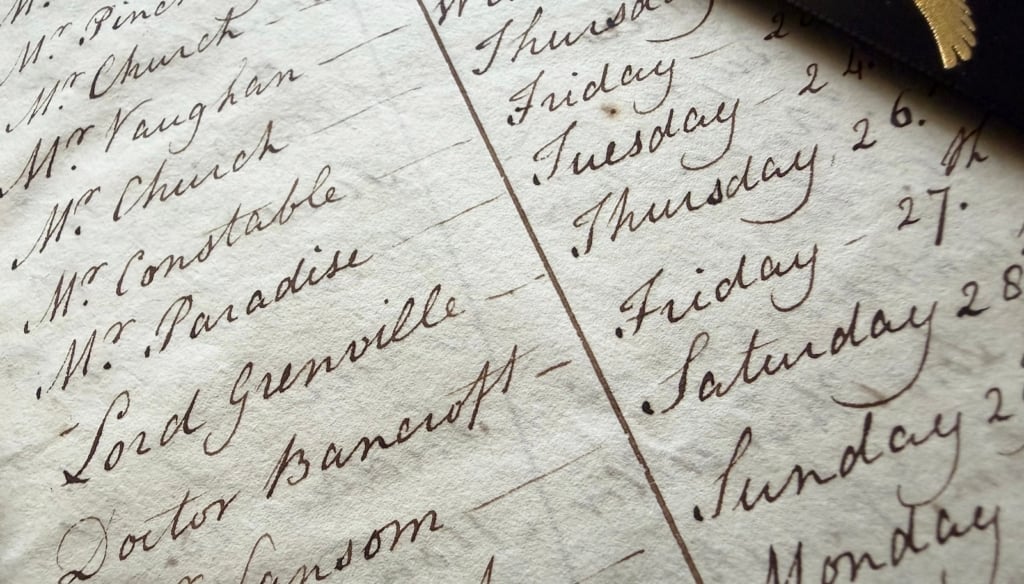


Raab’s Guest Curator Mike Makowsky presents 8 historical documents that shed light on the life and death of President James Garfield
Emmy Award winner Mike Makowsky is the writer/creator of Death by Lightning, a Netflix drama series about the assassination of President James Garfield, starring Michael Shannon (as Garfield), Matthew Macfadyen, Betty Gilpin, and Nick Offerman. The show, which will premiere on November 6, chronicles the extraordinary life and death of our 20th president.
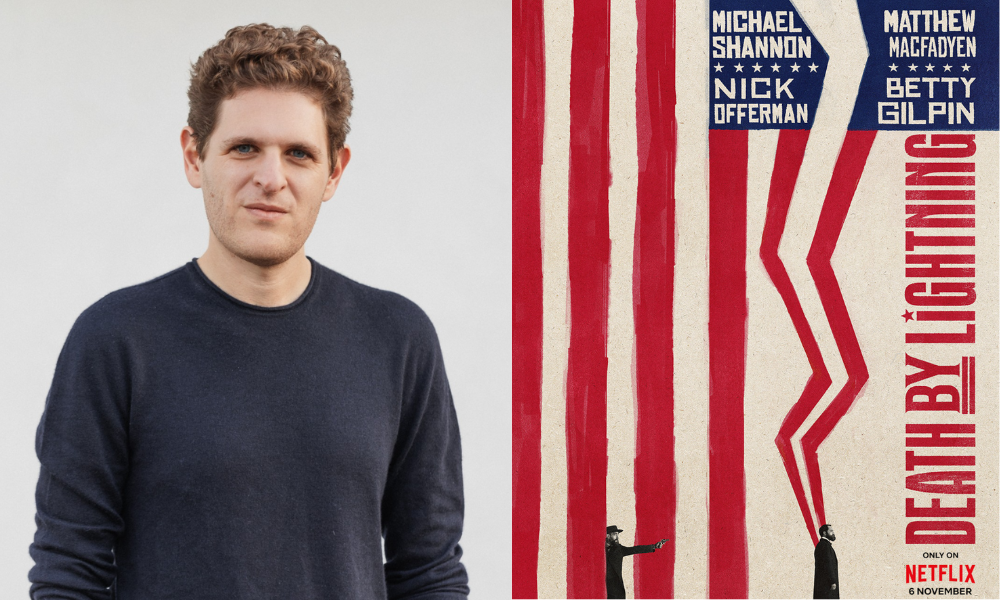
President Garfield Exhibit Curated by Mike Makowsky
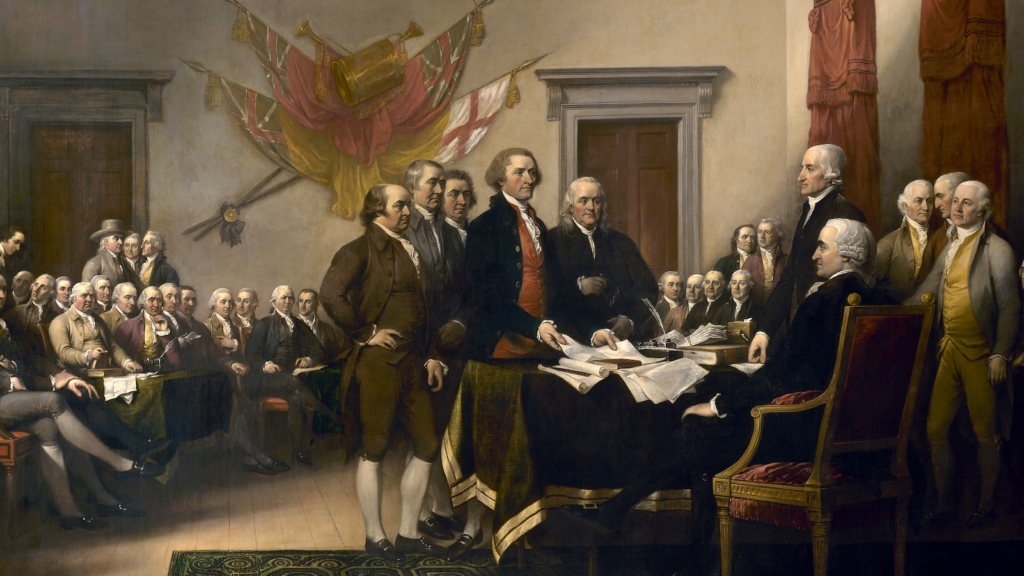
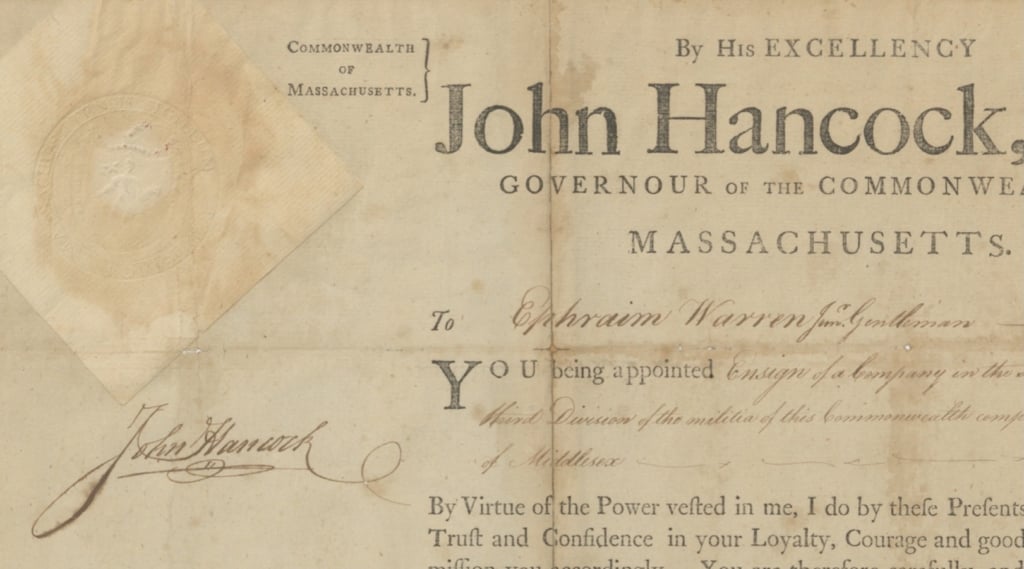
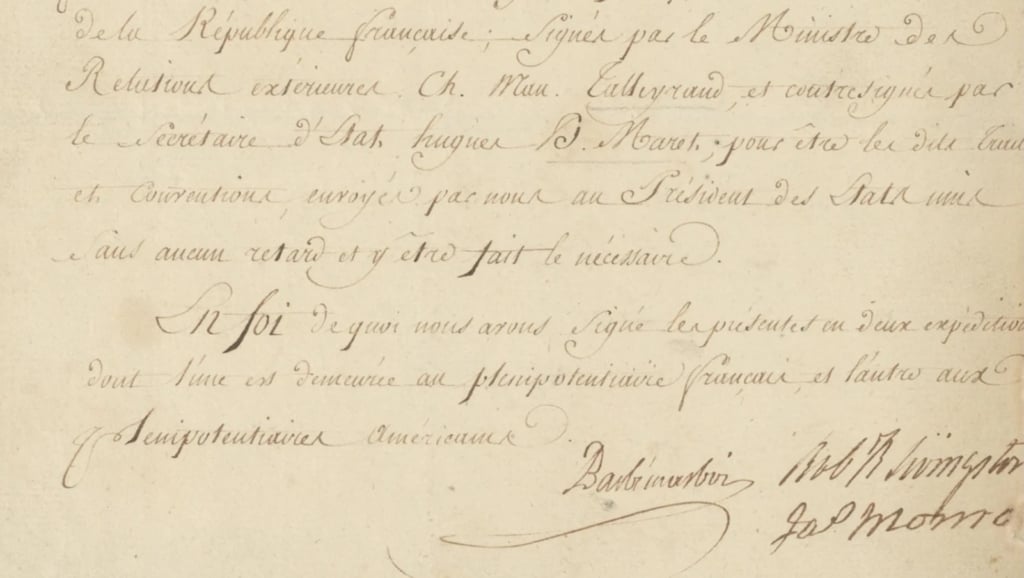
A deep dive into the life and legacy of President James Garfield encompasses the lives and legacies of at least five other presidents: Grant, Arthur, Cleveland, McKinley, and Theodore Roosevelt, all of whom share an interesting association with Garfield, as seen in these documents.

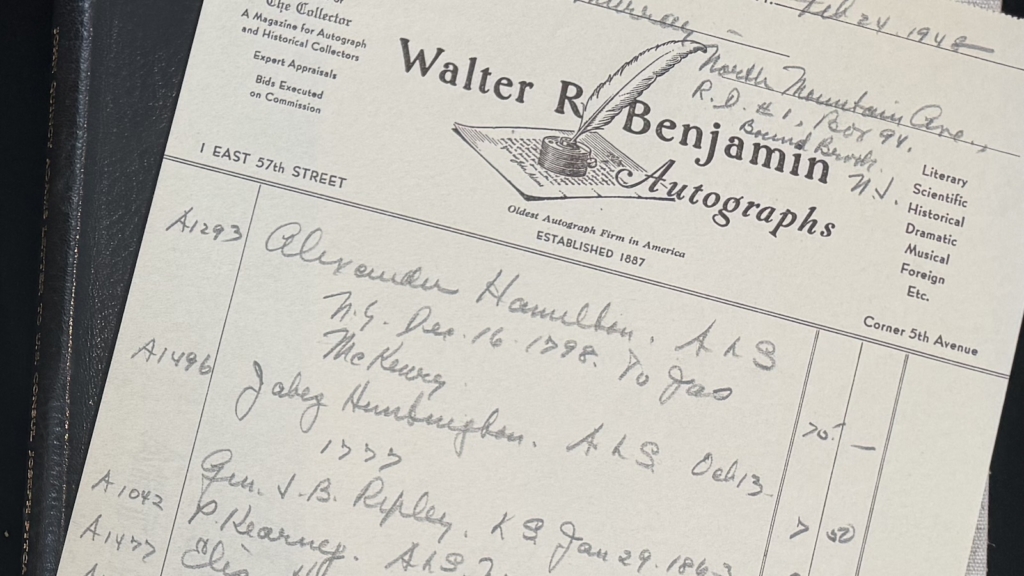
Gen. Ulysses S. Grant’s Pay For Planning the Battle of Shiloh, Which Followed Days After
James Garfield was born into poverty, worked as a custodian to pay his way through college, and enlisted as a Union soldier when the war broke out in 1861. He served as a brigadier general at the Battle of Shiloh, where Ulysses S. Grant led the Northern forces to victory. In a stunning turn, Garfield would later upset his onetime commanding officer at the 1880 Republican National Convention, wherein Grant ran for a third term as president and Garfield — who wasn’t even on the ballot — won out on the 36th vote.

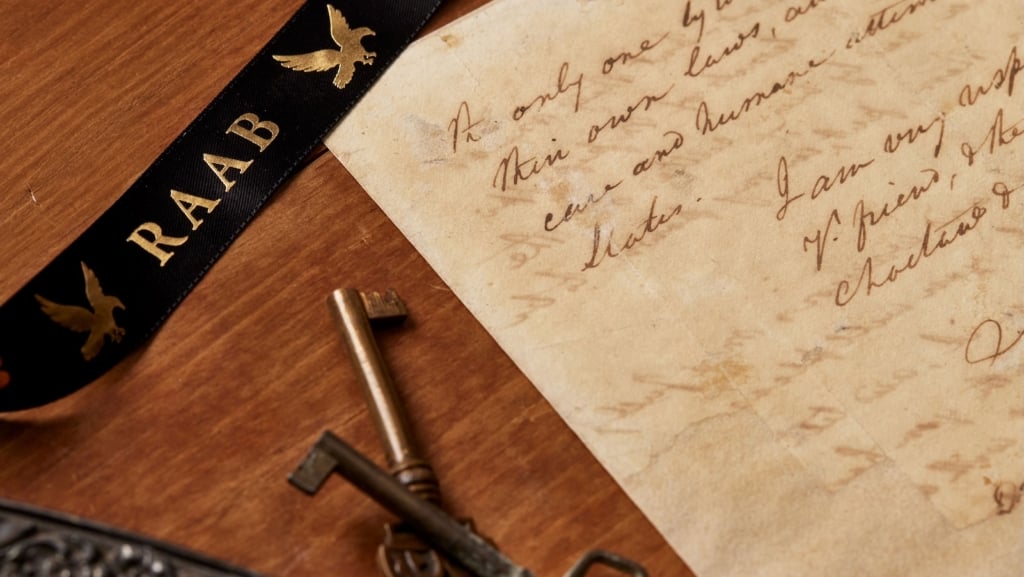
Garfield was a man of integrity who stood for what he believed in, even at the risk of his career. Here, as a young Ohio congressman one year after the war, he attempts to take an active role in holding the Union together, bucking his own president Andrew Johnson’s views on Reconstruction. He’d become very popular during his nearly two decades in Congress, known for his powerful oratory and progressive views on civil rights.

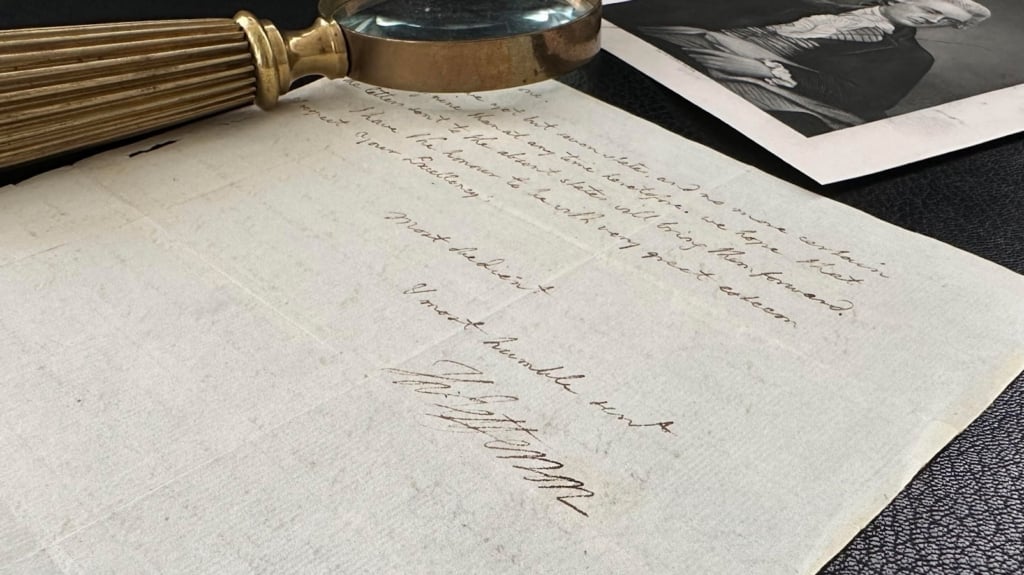
A Beautiful Bust Portrait Photograph of James A. Garfield, Boldly Signed by Him, Likely as President
Garfield signed very few photographs and this one was captured sometime during his presidential race in 1880. He famously conducted the first “front porch” campaign in our history, remaining at home on his family farm and inviting curious voters to pay them a visit in Ohio if they wished to engage with him directly. Garfield was remarkably open when it came to meeting with his public, and did not seriously believe his life could be in danger. One of the seekers granted a meeting with him post-election, Charles Guiteau, would ultimately kill him.

Garfield was shot on July 2, 1881, at the Baltimore and Potomac Railroad Station. He was on his way up to visit his ailing wife, Lucretia (affectionately known as “Crete”), in New Jersey for the Fourth of July. He signed this just one day before the assassination — surely one of his last as president — and Crete herself autographed it after the fact to verify its authenticity.

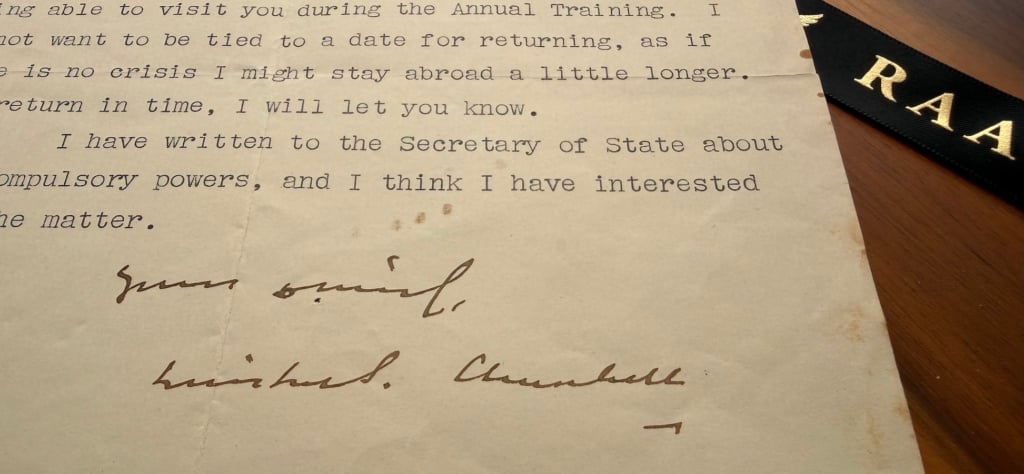
Chester Arthur was pretty much the last person anyone ever expected to become president. A crony for the corrupt New York political machine led by the formidable Roscoe Conkling, Arthur was nominated as Garfield’s vice president chiefly as a means of neutralizing Conkling. Though he and Garfield had very little in common, Arthur would come to be inspired by his president’s values, rebuffing Conkling’s spoils system and finding his soul along the way. As Garfield convalesced, Arthur took up many of his duties and would succeed him in office less than a month after writing this letter.

Garfield’s lasting legacy was his commitment to civil service reform, and presidents on both sides of the aisle — such as Chester Arthur’s Democrat successor, Grover Cleveland — were willing to take up the charge after his assassination. Here, Cleveland expands coverage of the Pendleton Civil Service Act to root out patronage and corruption within the Post Office.

President William McKinley Ends the Spanish American War Hostilities
Nearly twenty years to the day after Garfield’s assassination, President William McKinley would also be felled by an assassin’s bullet — the third of four presidents whose lives were cut short by political violence. During his first term in office, McKinley led the nation through the Spanish American War and, in this executive order, he authorizes an end to hostilities with Spain.

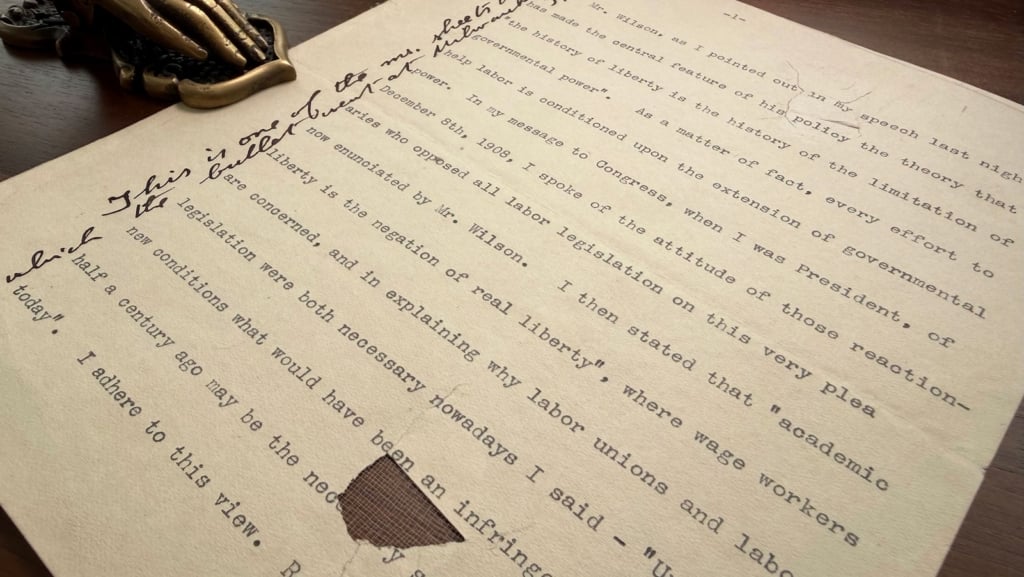
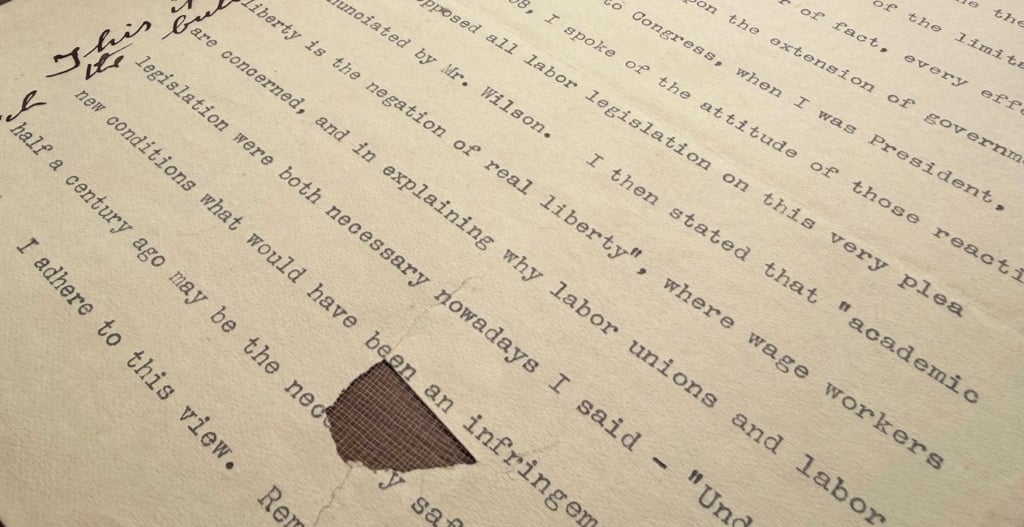
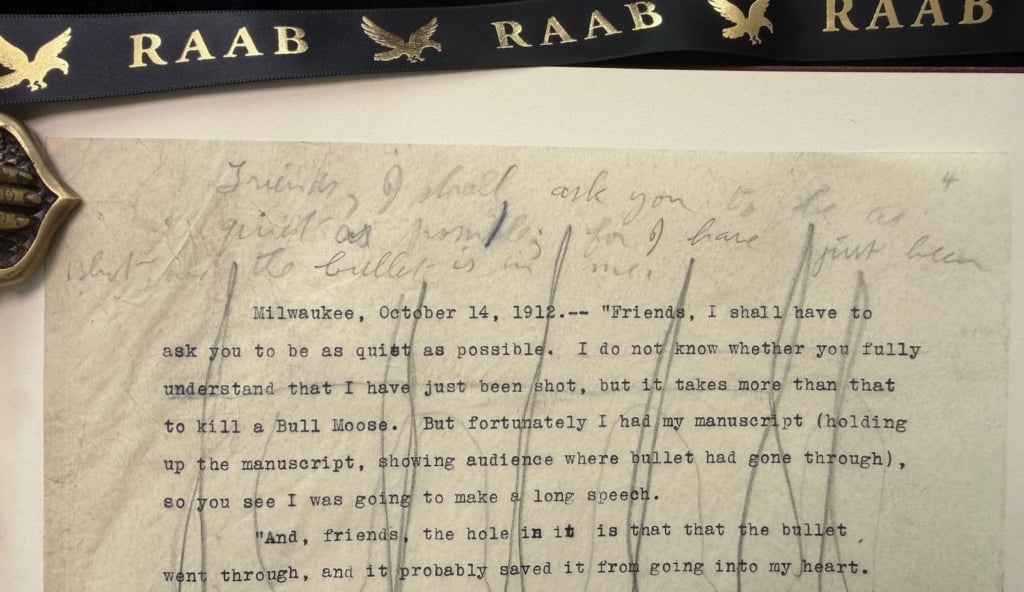
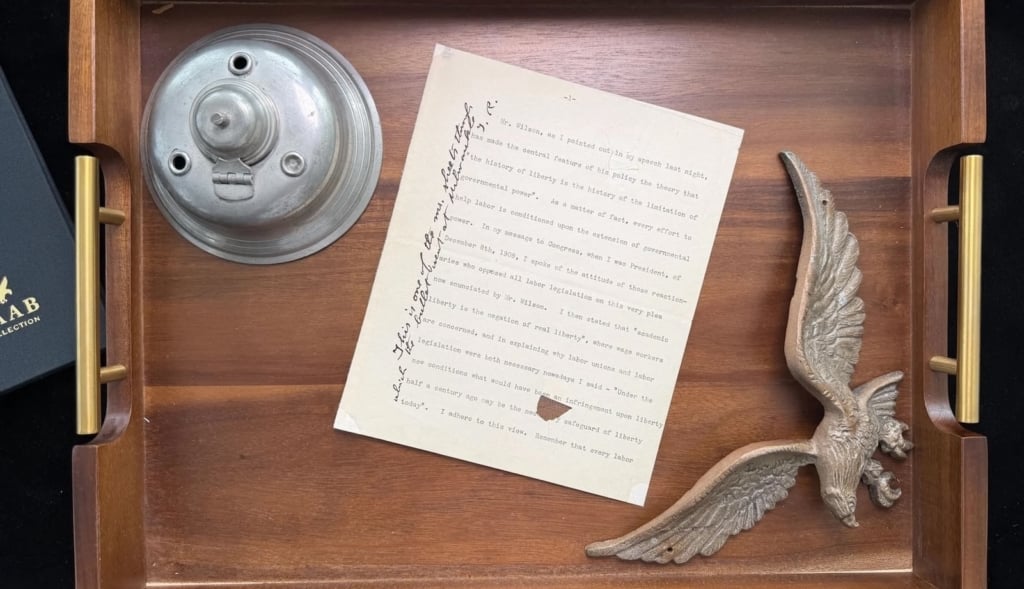
Candice Millard, the brilliant author of Destiny of the Republic (which inspired Death by Lightning) also wrote a riveting book called River of Doubt about Theodore Roosevelt. Still smarting from his country rejecting his bid for one more term in office — this time as a third-party Progressive candidate — Roosevelt resolved to chart a previously unexplored river in Brazil. The expedition would nearly cost him his life, and the Progressive Party he tried to cultivate collapsed in his wake.
To learn more about author Mike Makowsky and Raab’s Guest Curators program, view our press announcement and visit our Guest Curators page.