





We take a closer look at the presidential use of autopens to sign documents–and advise how autograph collectors can avoid them
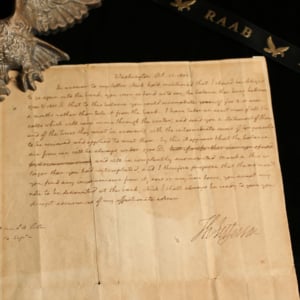
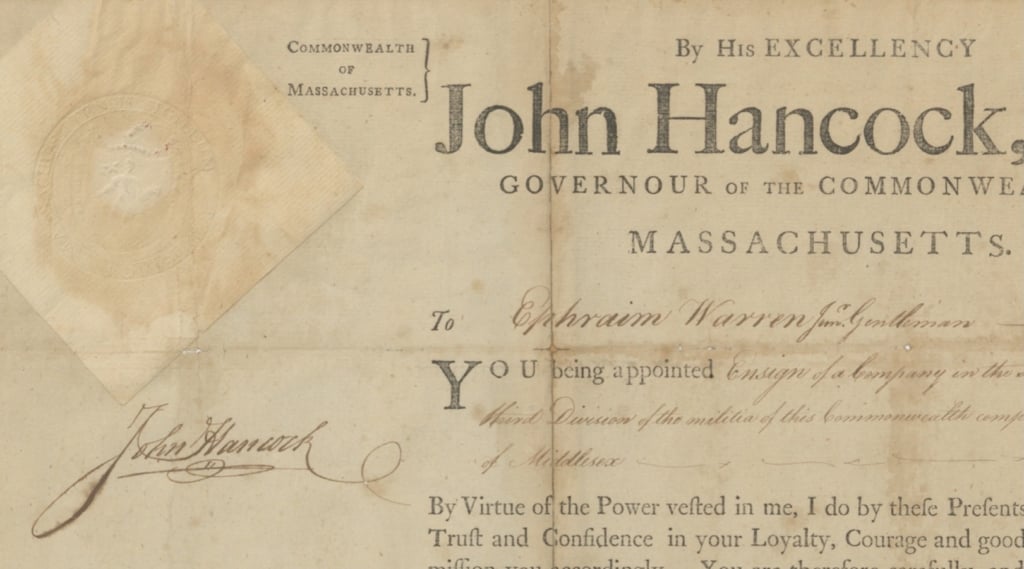
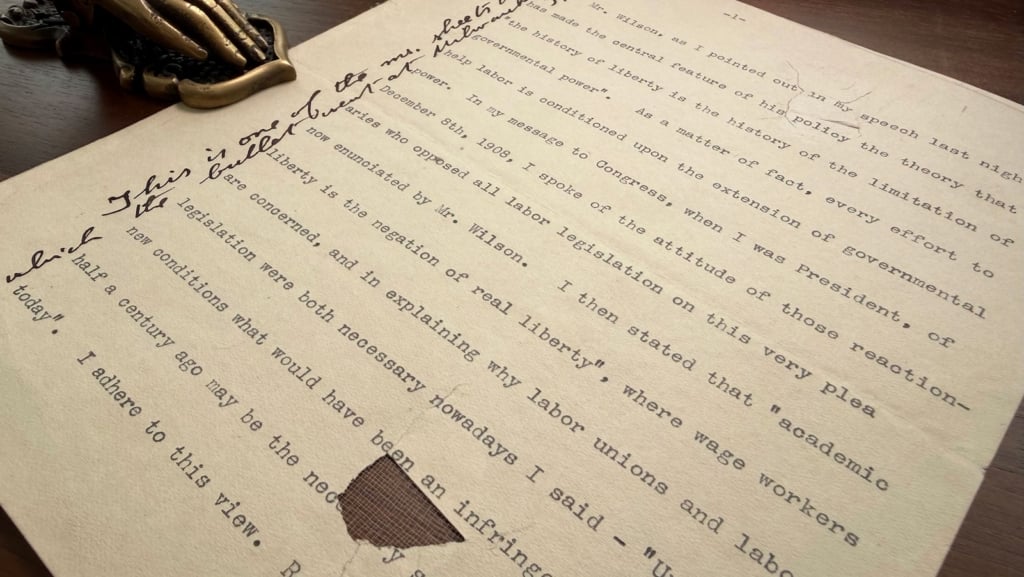
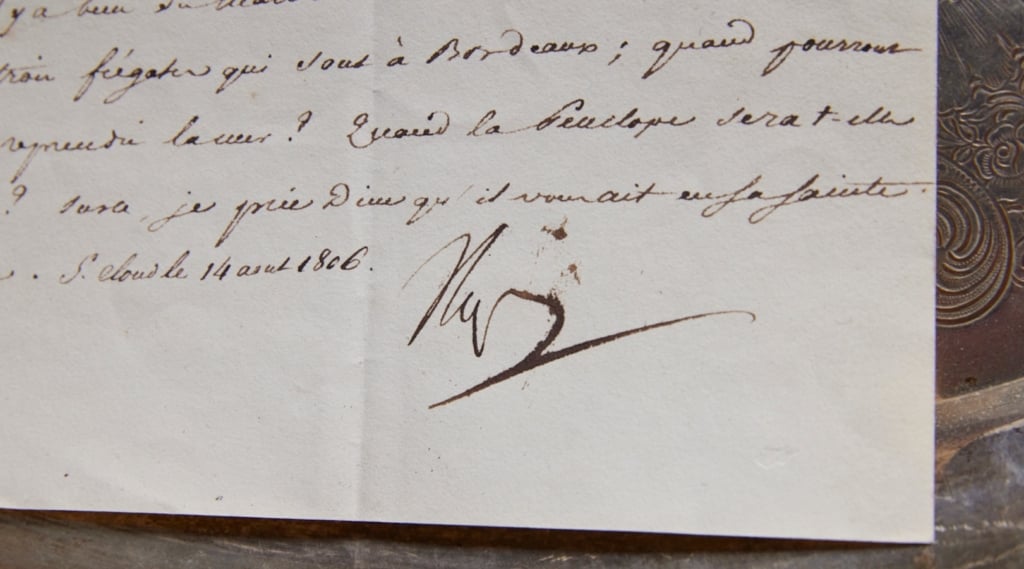
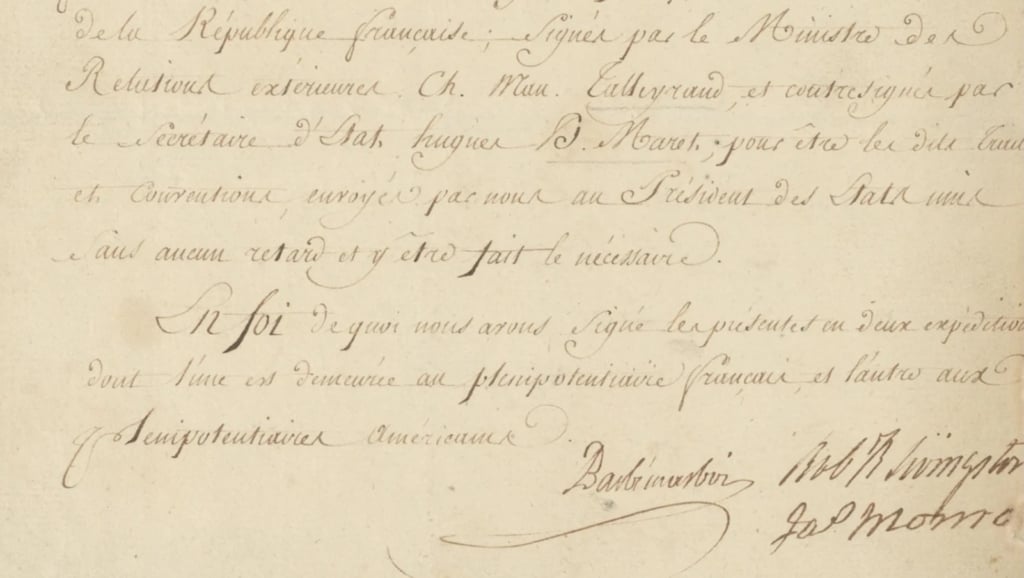
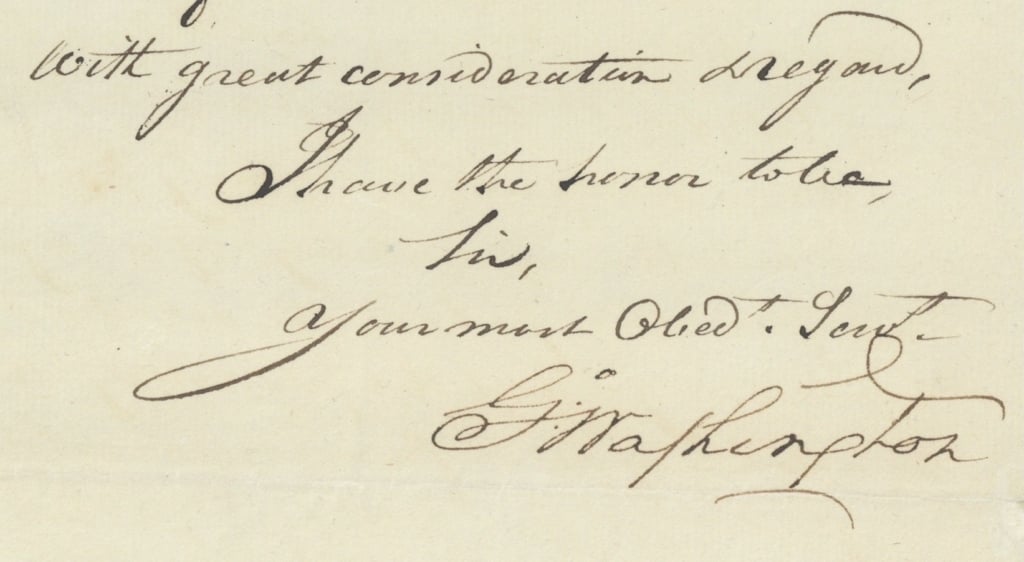
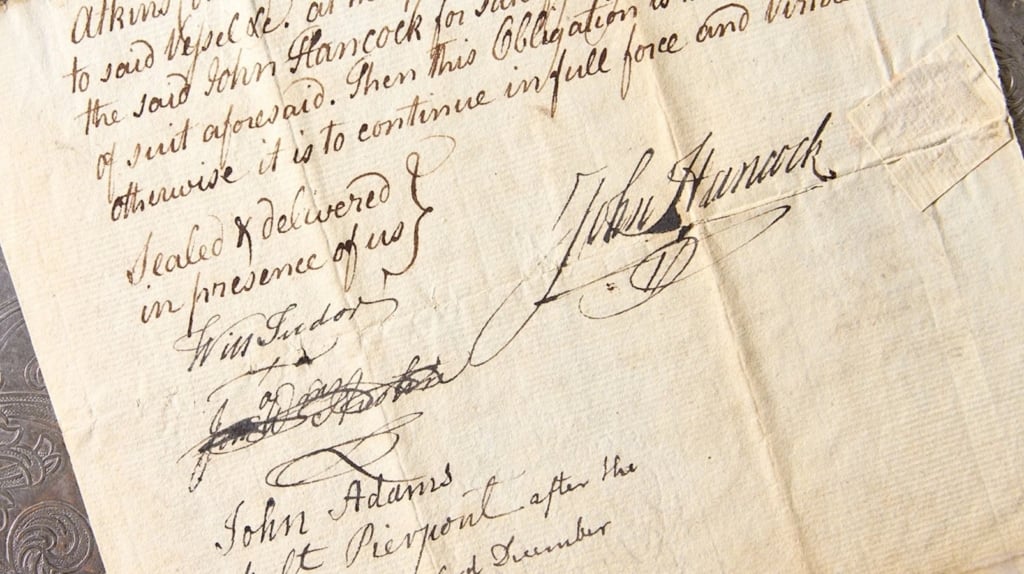
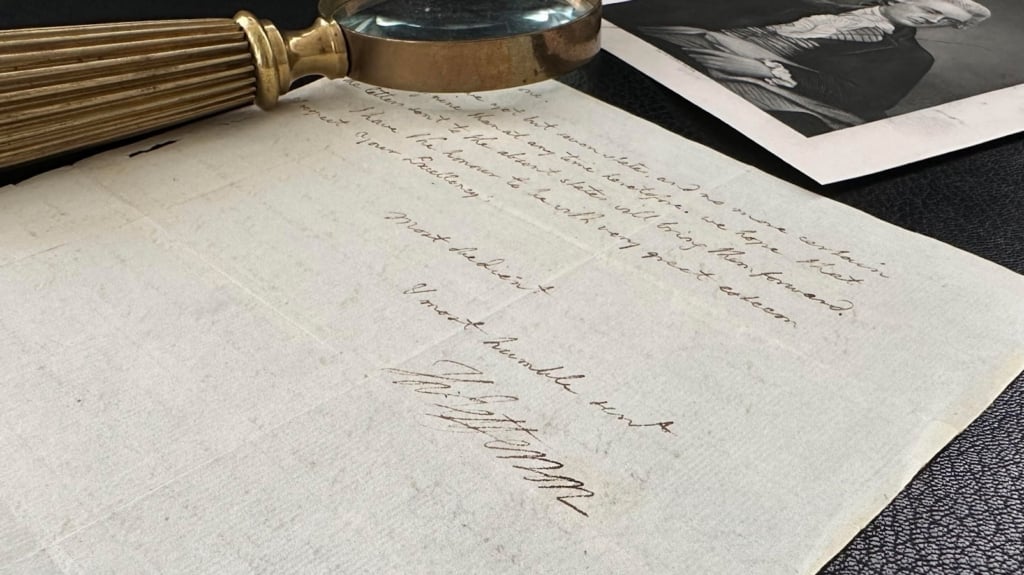
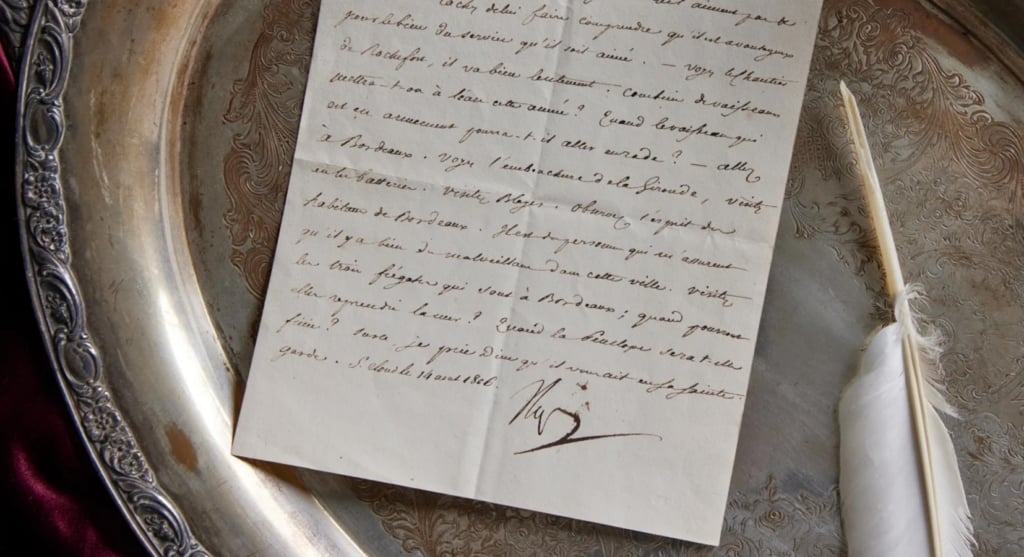
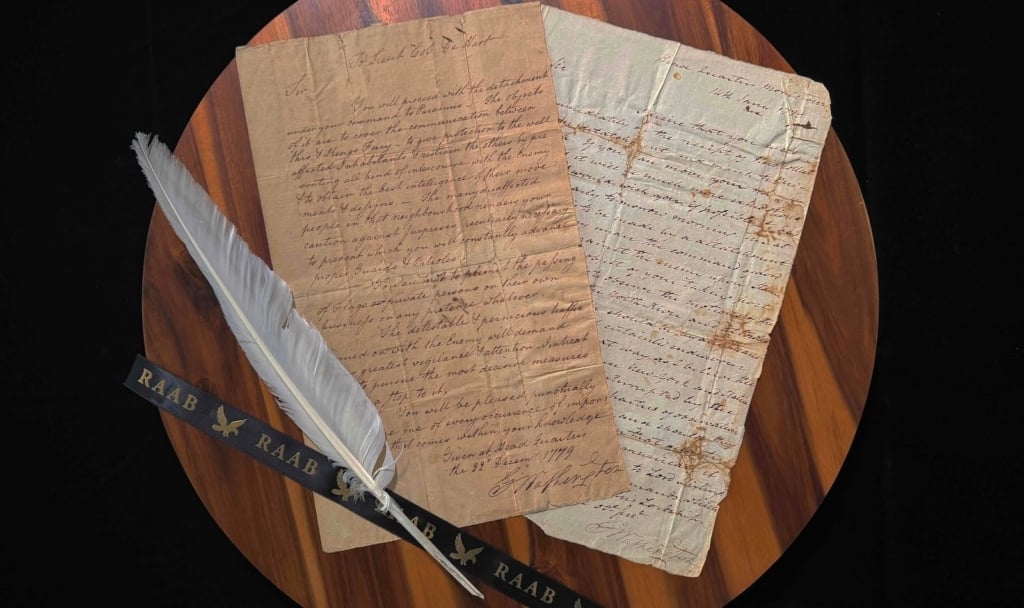
Presidents are busy and don’t always have time to sign their letters and documents. Many have used secretaries to sign for them, and then there is the autopen. This is a machine that uses a real pen and real ink to draw an exact replica of an autograph. The owner makes templates with different examples of his signature. His secretary inserts one or the other of them into the machine, which signs the correspondence. While ‘automated pens’ had been invented earlier and saw limited use by government officials – as pictured below – the first successful autopen debuted in the 1940s. It was not until the 1950s that U.S. Presidents began to use them.

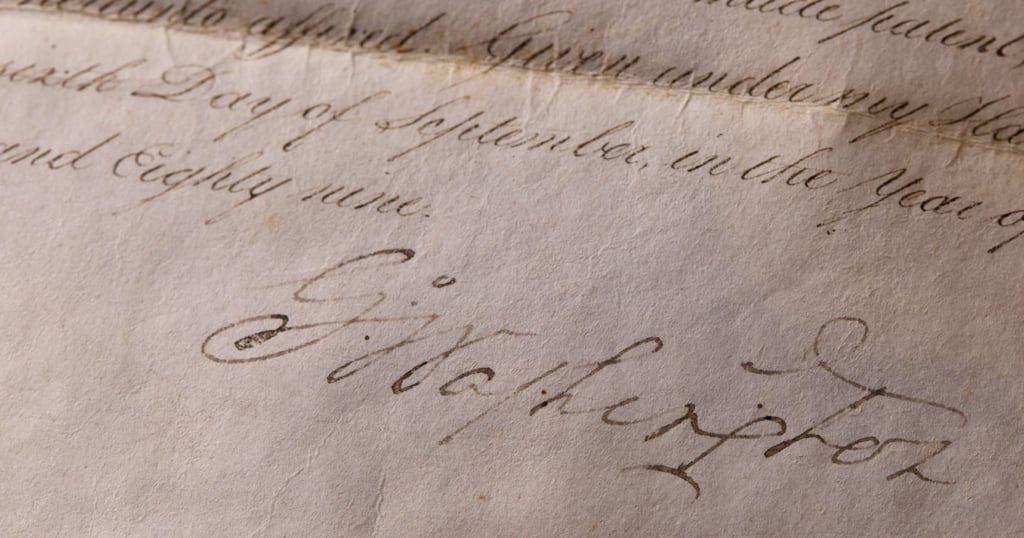
For collectors of historical documents and autographs, the autopen is a real problem because the use of a template created by the signatory means that the autograph looks just like his actual signature. The only saving grace is that each template signs each signature the exact same way time after time, so a good comparison is all that is needed to assess a real signature from an automated signature. If two signatures of a person are the same size and identical or virtually so, they are presumptive autopen examples and should be avoided.
Presidential Signatures: FDR to Reagan
Let’s take a closer look at the signing habits of presidents from Franklin D. Roosevelt to Ronald Reagan, encompassing their use of secretaries to sign for them (“secretarials”) and autopens. It should be noted that form letters and documents, such as thanking someone for their service in the military, sometimes have printed signatures, which is different from what we’re discussing here.
FDR used secretaries extensively when he was governor of New York, and some did a good job of imitating the boss’s signature. But as President, he signed himself. The autopen did not yet exist in its modern form. His successor, Harry Truman, likewise tended to sign all his papers and correspondence, with few secretarials and no autopens.
Dwight D. Eisenhower began resorting to autopens in the late 1940s. He was the first President to use the autopen in the White House. His autopen patterns as President differed from those he used earlier. Ike also used secretaries, though generally before his White House years. Many secretarial examples are from World War II when he was commander of Allied armed forces.
John F. Kennedy started using secretaries around 1955, and he used autopens extensively during his presidential campaign, starting around 1959. In the White House, contrary to popular conception, JFK signed most things himself. He did also use an autopen; however, these patterns bear little resemblance to his typical, authentic signature as president, so separating the authentic from the autopen is not difficult for an expert.
The easy solutions stop there. Lyndon Johnson used autopens and secretaries extensively as President, both for routine letters and important ones, plus signed photographs. White House aide Bruce Thomas was one of these signatories.
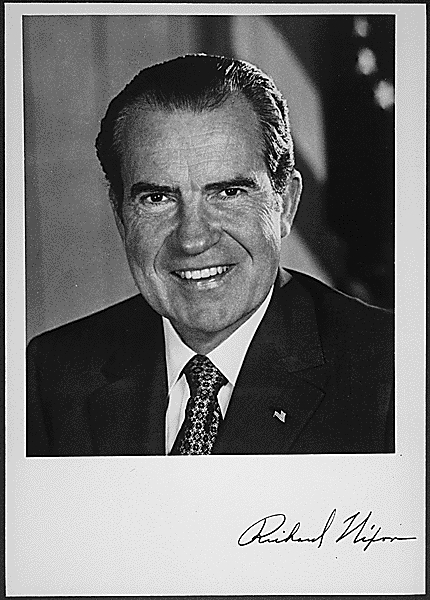
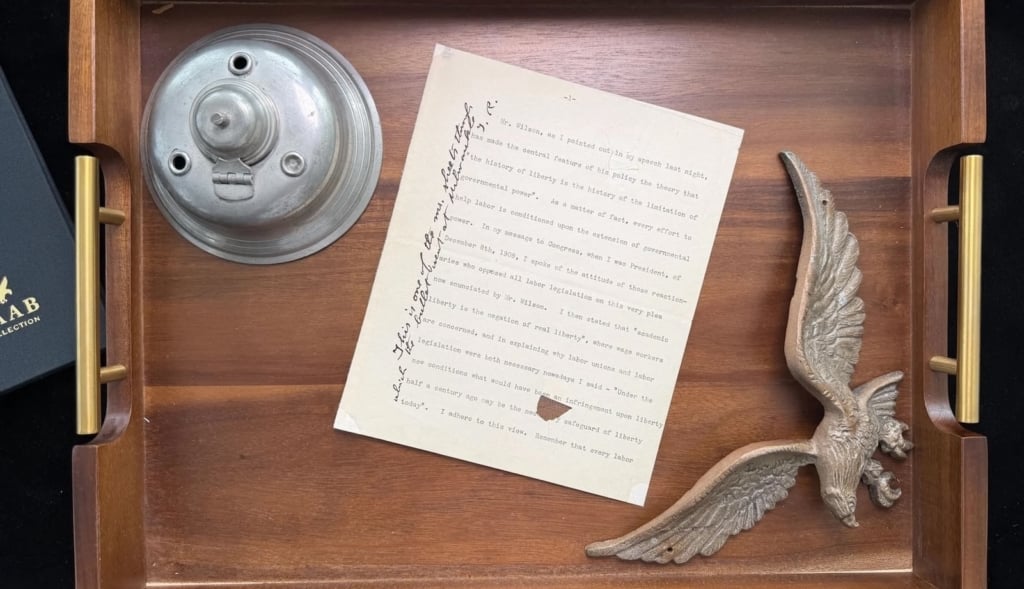
Richard Nixon had a number of autopen patterns and used them extensively, and he very often had his secretary, Rose Mary Woods, sign letters and documents for him. Her version of his signature has a very heightened “d” in Richard. It’s safe to assume that of every 100 letters, documents, and photographs bearing Nixon’s name as President, just a few of them will prove genuine. Since, unfortunately, not all autopen patterns have been published (or are even known), the rule is, assume that any but the most important letters and documents are autopens or secretarials if they lack additional handwriting to validate them. At Raab, we turn down some good letters that way, but believe in discretion being the better part of valor, and prefer that to buying ones that may prove in time to be autopens.
“It’s safe to assume that of every 100 letters, documents, and photographs bearing Nixon’s name as President, just a few of them will prove genuine.”
Gerald Ford used some secretarials as President, but mainly autopens. There are numerous patterns. Jimmy Carter used both autopens and secretarials as President, but in his case, he leaned towards secretarials. His personal executive secretary Susan Clough was particularly adept at imitating Carter’s autograph.
As for Ronald Reagan, when he was an actor, his mother handled and signed much of his correspondence, and he had a few secretaries sign for him. But it was mainly the autopen that he used as President, and his patterns were extensive and are often encountered. All of the presidents since Reagan have used autopens to one extent or other.
Authentic Autograph or Autopen?
How can the average collector recognize an autopen signature? The best bet is to consult someone who knows. But you can look closely at the signature for any signs of shakiness, as the machine sometimes leaves autographs with a slightly tremulous look. Check against other signatures to be sure they don’t match exactly, as would autopen patterns. Numerous autopen patterns are more legible than the person’s typical signature, so if you can read every letter of a signature usually found more as a scribble (Nixon is a case in point), that indicates an autopen.
Although some newer autopens can include a formulaic, impersonal greeting in addition to the signature, none prior to about 2007 inscribed an item to a specific individual or wrote any individualized content. Thus, extra writing on a letter or document, beyond such a greeting, precludes the finding of an autopen. In fact, Bill Clinton often signaled that he had paid personal attention to a letter by adding a few extra words in his hand, canceling out the possibility of an autopen.
The idea behind the autopen is not new. No later than 1804, Thomas Jefferson started using a polygraph machine (a sort of early autopen) that copied out letters as he wrote them, and these copies he mainly retained for his records. So care needs to be exercised to determine whether a letter of his is the original or a polygraph copy. We avoid these polygraph copies as we don’t see them as valuable.
To learn more about how we authenticate autographs and historical documents, browse our archive of articles on our approach to the authentication process.