





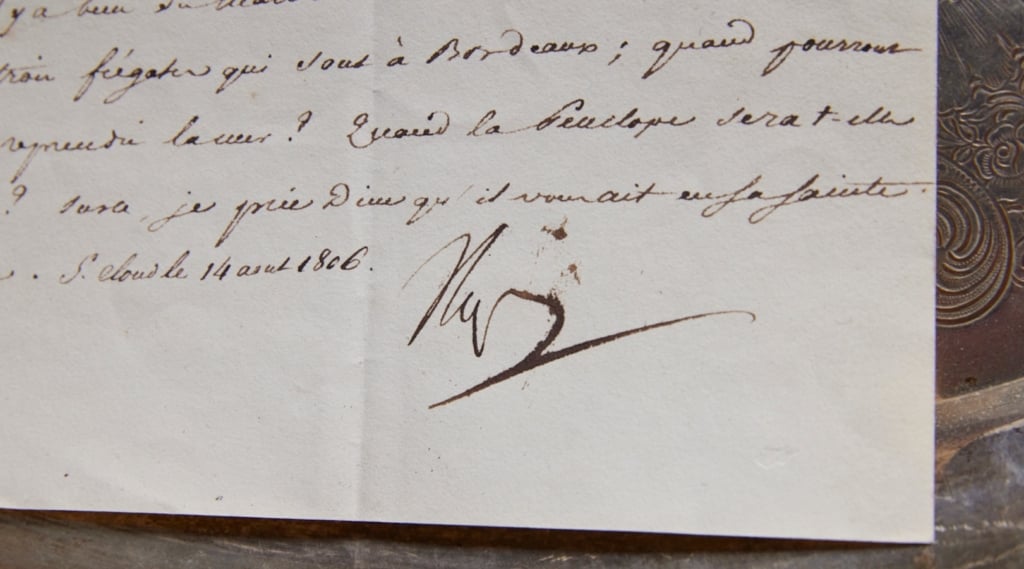
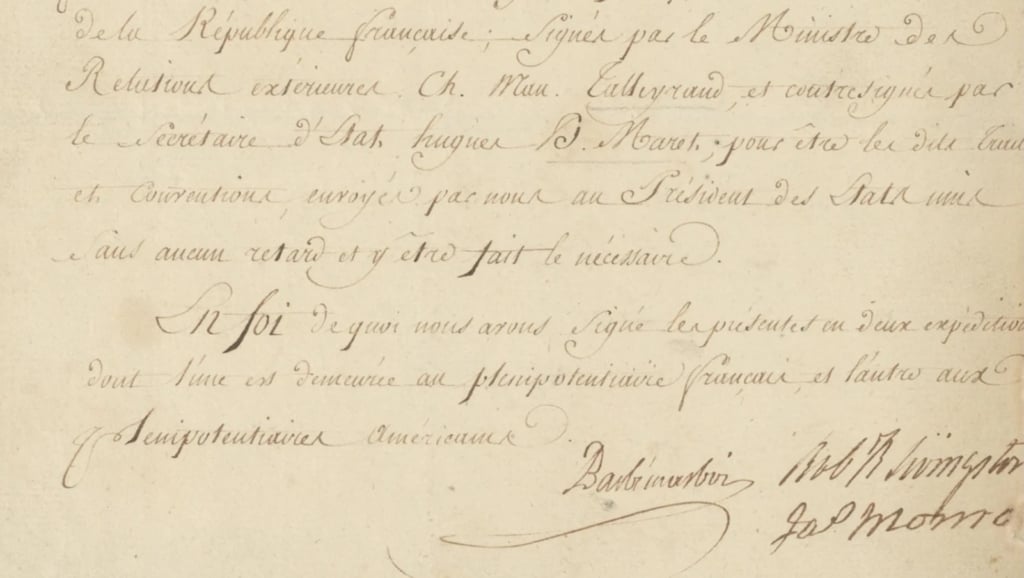
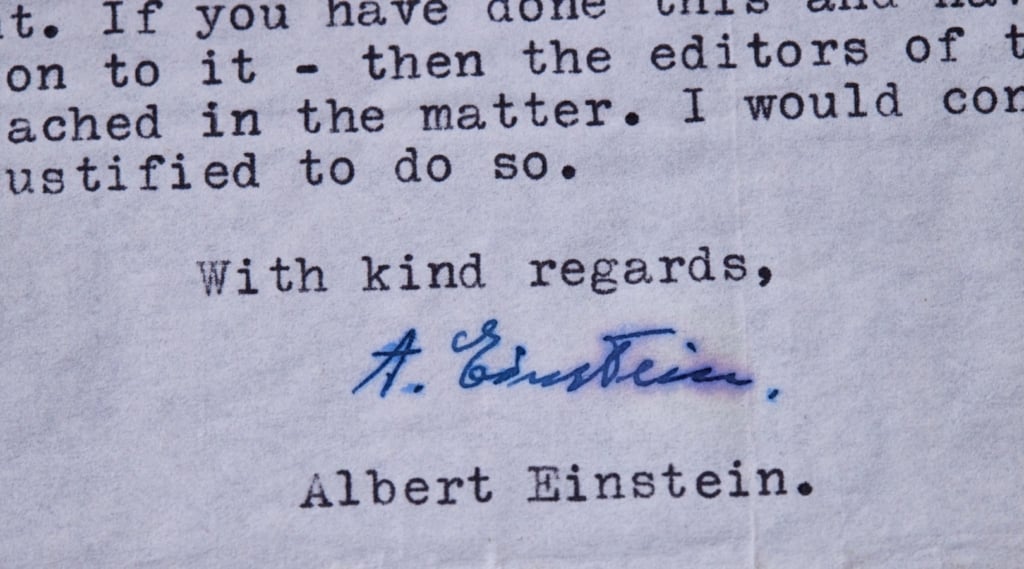



This fall, Nathan Raab accepted an invitation to share his expertise with a class of undergraduates from the University of Pennsylvania. Dr. Emily Steiner, an English professor and medieval scholar at Penn who teaches a course called “Collectors and Collecting,” asked Raab if he would give a guest lecture on his role in discovering, authenticating, and selling historical documents.
“It was a pleasure to be part of giving such a valuable gift to the next generation of historically minded young collectors,” Nathan said.
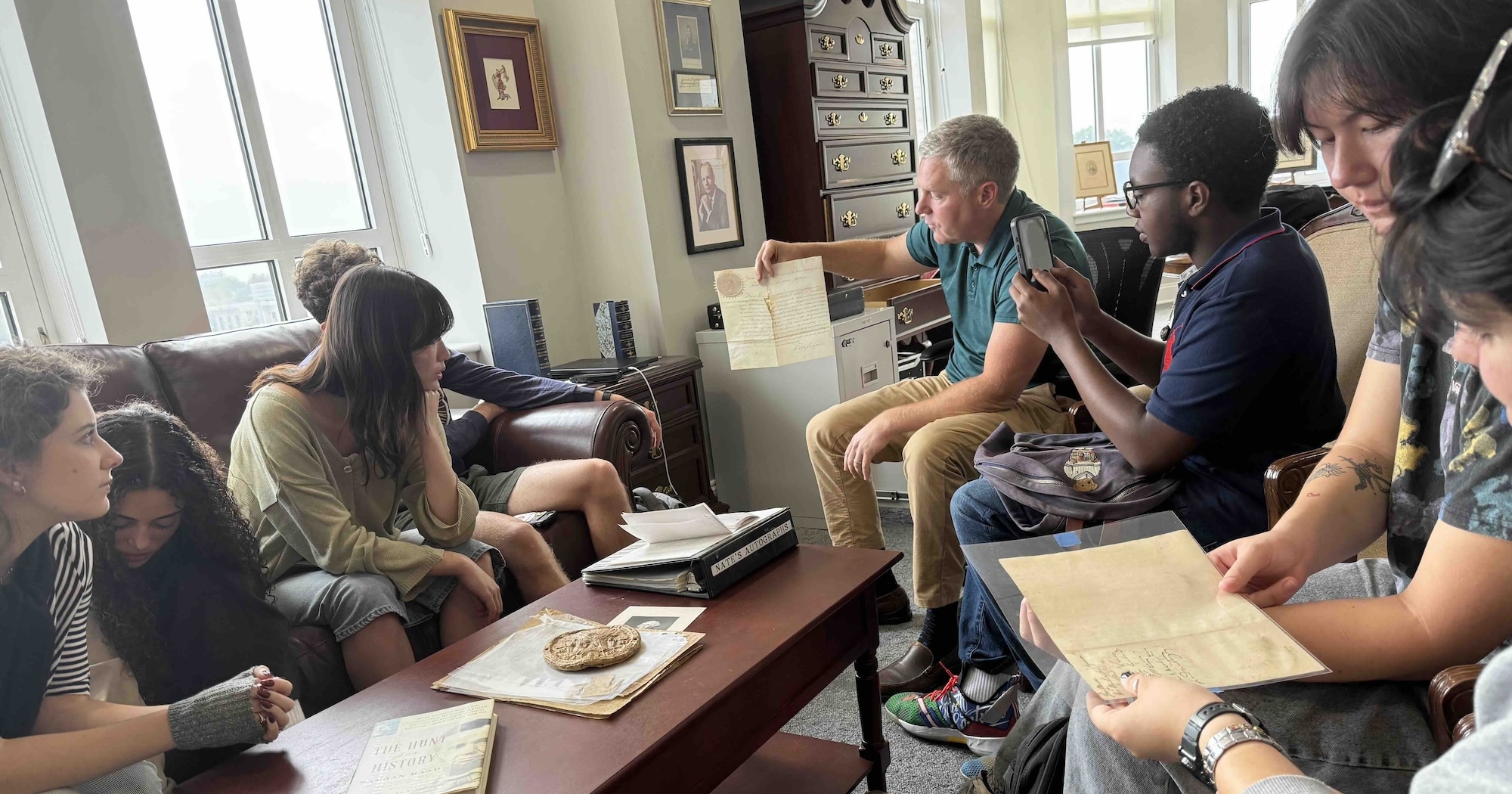
The course asks students to consider: “Why do people collect? What cultural or economic value do collections have, and how is that value assessed? How do people and institutions organize and preserve their collections, and how does collecting organize and preserve knowledge?”
Leaving campus for the day, the students visited The Raab Collection’s gallery to hear Nathan’s opinion on those topics and to examine a few remarkable manuscripts spanning a millennium.
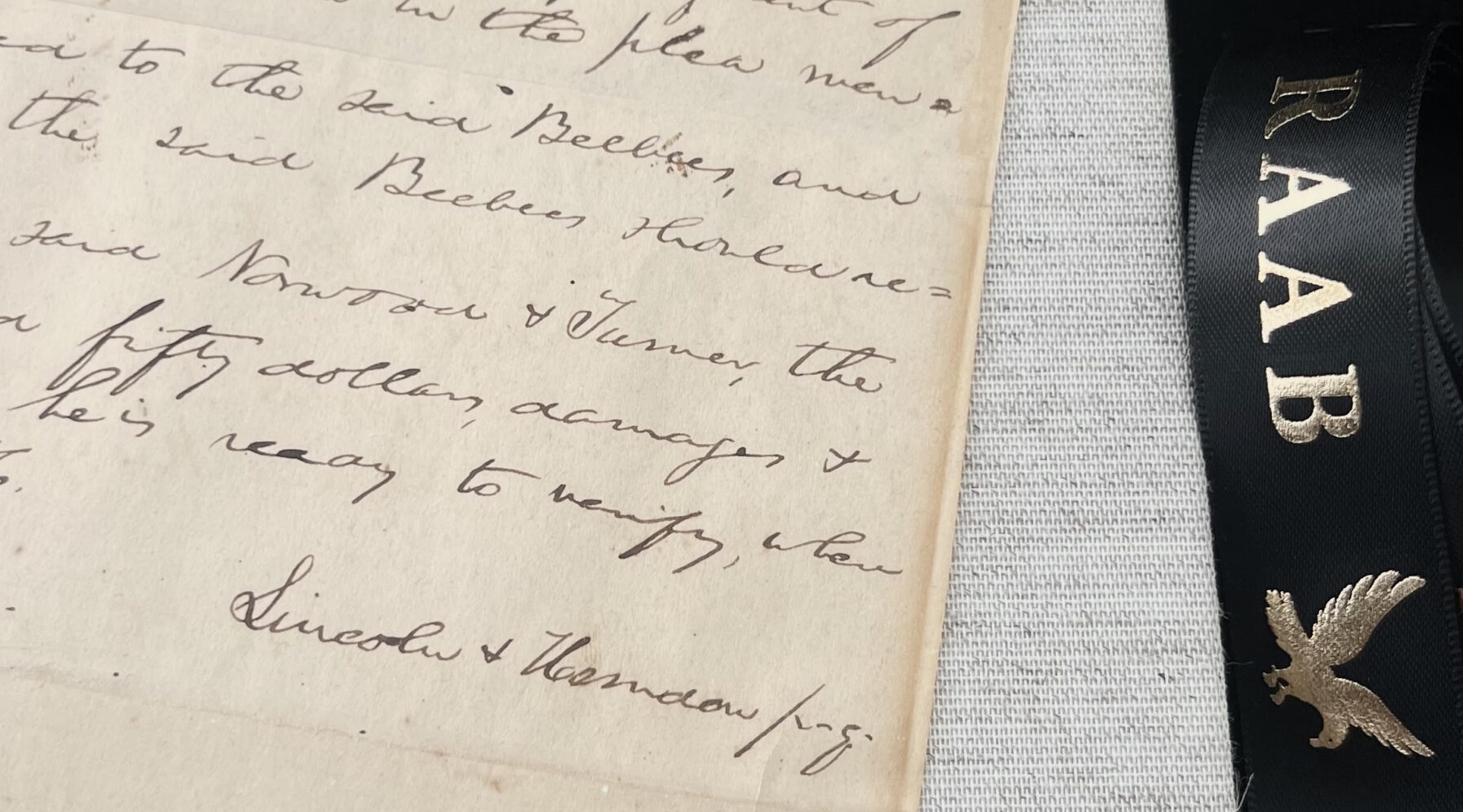
Nathan shared with the class a document of great historical significance: a newly discovered legal document signed by Abraham Lincoln from the first case of the legendary law firm Lincoln & Herndon in 1846. The manuscript shows the handwriting of both men and brings to light the working partnership of these two lawyers, long before Lincoln became the man Americans would come to know as the President who altered the course of the nation.
Of particular interest, considering the collecting angle, is the fact that this document had been in the same private collection for nearly a century, handed down through generations. Because it had been out of sight for so long, the document had not yet been a part of Lincoln’s known works either, which means that its discovery has added to the historical record.
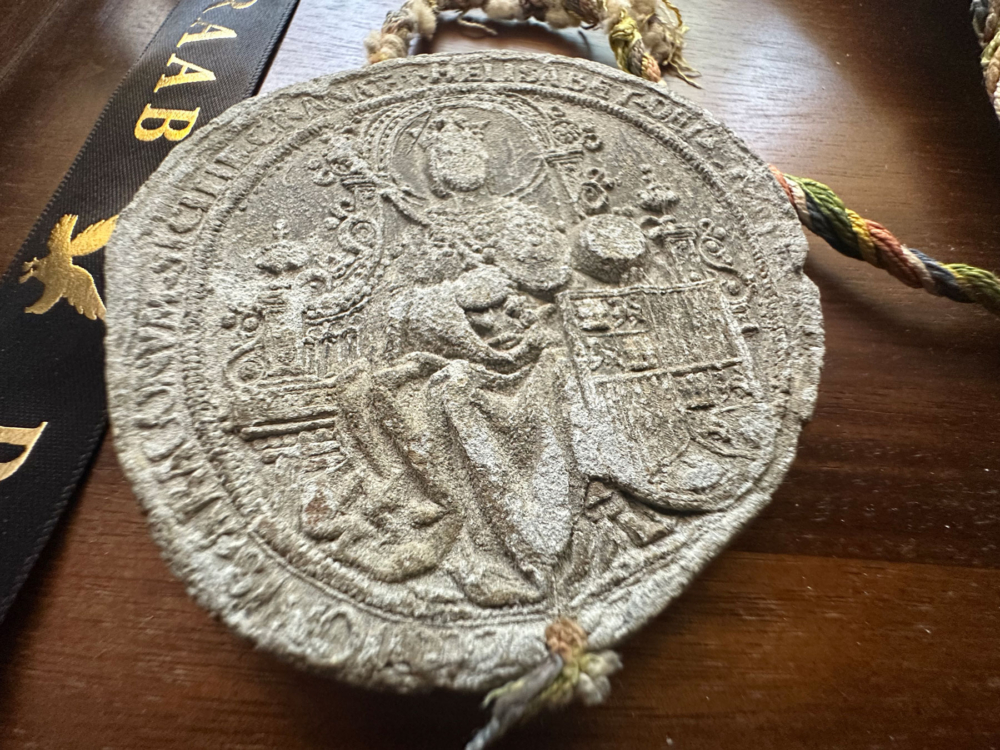
Stepping back another few hundred years, the students got a glimpse at the great rare seal of King Ferdinand and Queen Isabella, the monarchs who sent Christopher Columbus on his famous voyage. The original lead seal is attached with multicolored thread to a unique, illuminated document of Fleming and Spanish art dating to 1497. It is an impressive artifact to behold for many reasons, its intact 500-year-old seal chief among them. We found no record for a great seal of the Catholic Monarchs having reached the market, nor any record of a document from the Court of the Great Monarchs of this ornate, illuminated nature from this early having come up for sale.
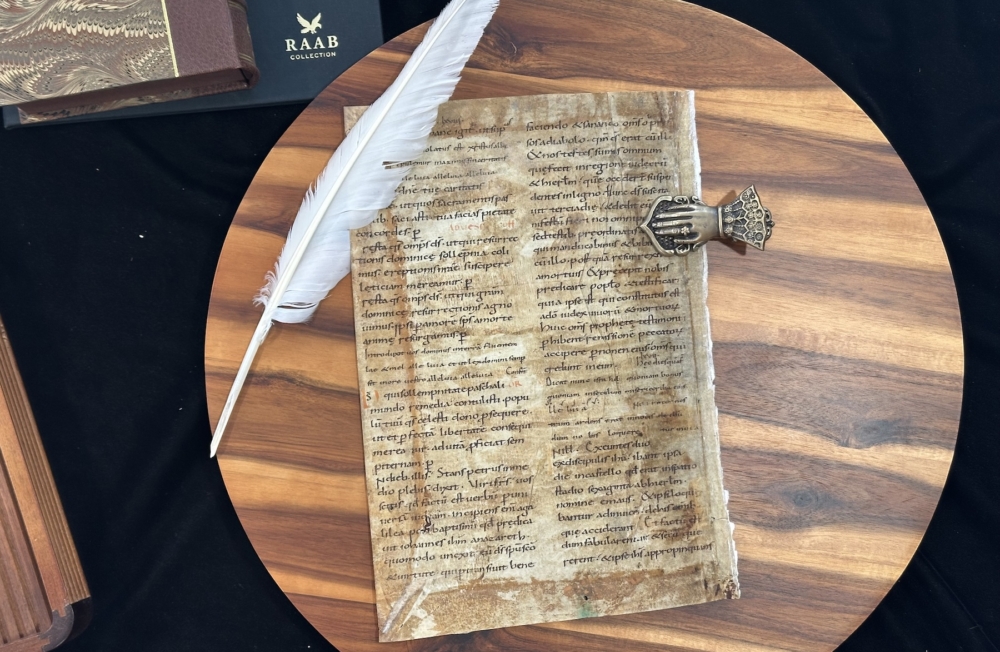
Nathan also showed his latest historical discovery: a medieval manuscript leaf circa 900 AD with very early musical notations. This remarkable find shows the Carolingian evolution to modern music. A leaf preserving both text and music from this early, transitional period, especially with such strong indicators of date and place, is exceptionally rare.
