



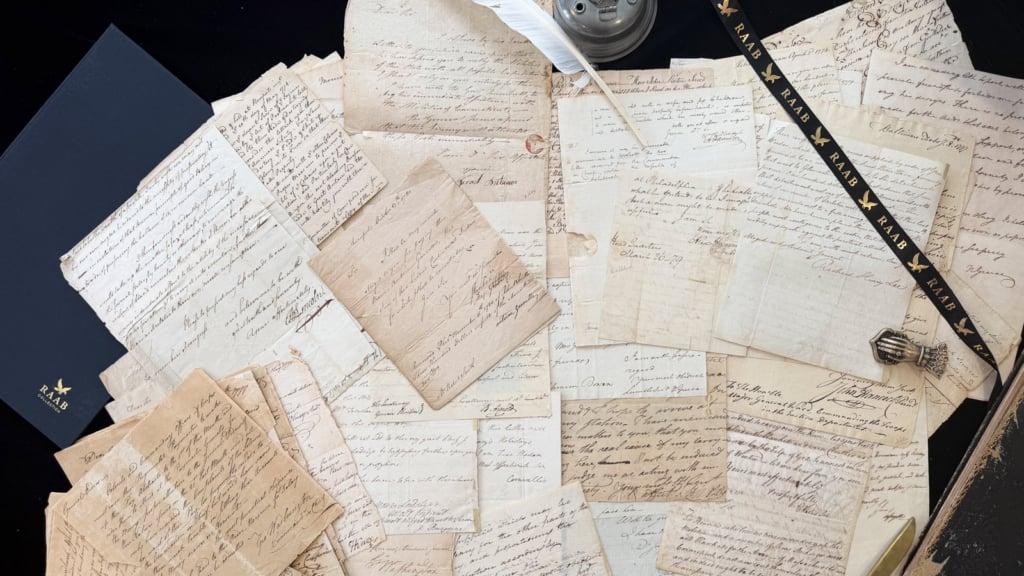



Raab’s Guest Curator Dr. Lindsay Chervinsky selects five historical documents that shed light on presidential leadership
Dr. Chervinsky is a historian of the presidency, political culture, and U.S. government institutions, and in 2024, she was named the Executive Director of the George Washington Presidential Library at Mount Vernon. She is also the author, most recently, of Making the Presidency: John Adams and the Precedents that Forged the Republic (Oxford University Press, 2024), an authoritative account of the second president of the United States that shows how President Adams’s leadership and legacy defined the office.

Presidential Leadership Exhibit: Curated by Dr. Lindsay Chervinsky
On November 1, 1800, President John Adams spent his first night in the newly completed White House. The next morning, he wrote to his wife, Abigail, “Before I end my Letter I pray Heaven to bestow the best of Blessings on this House and all that shall hereafter inhabit it. May none but honest and wise Men ever rule under this roof.” This quote reveals his awareness that character was essential to the presidency. Relatively little of our political institutions, especially the presidency, is based on law or statute. Instead, norms and customs shape the office, and they depend on personal character to uphold them and lead the nation well. These items are selected to demonstrate some of the best aspects of character that are essential for any leader, but especially for American presidents.

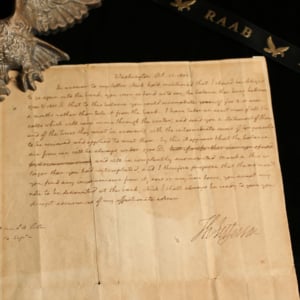
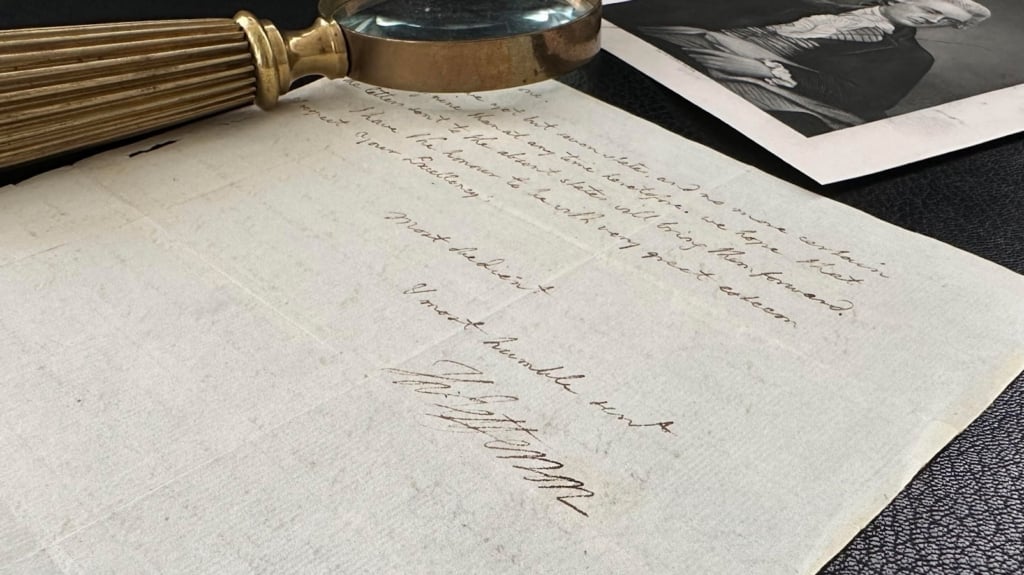
President George Washington’s Official Handwritten Message to the Senate
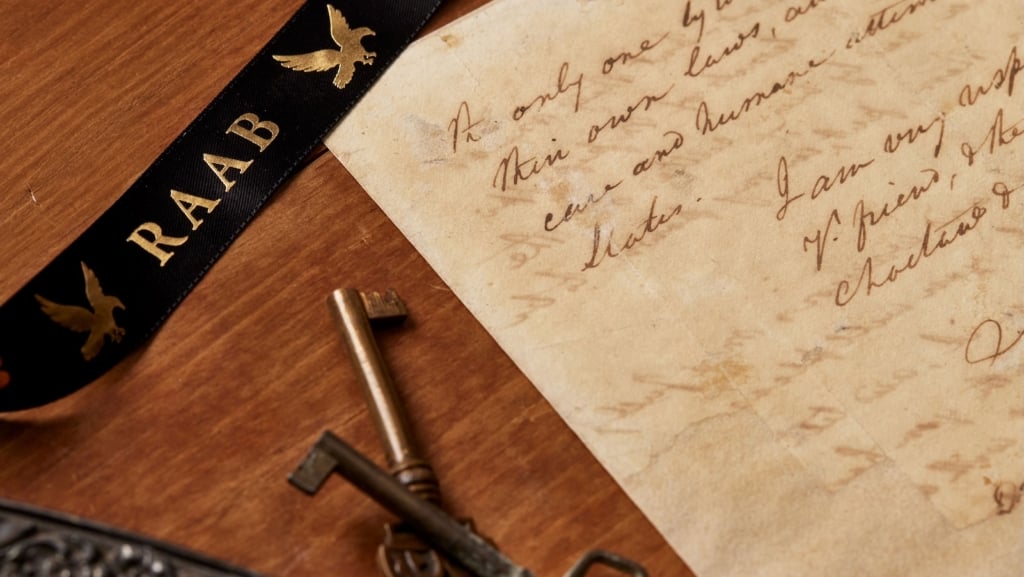
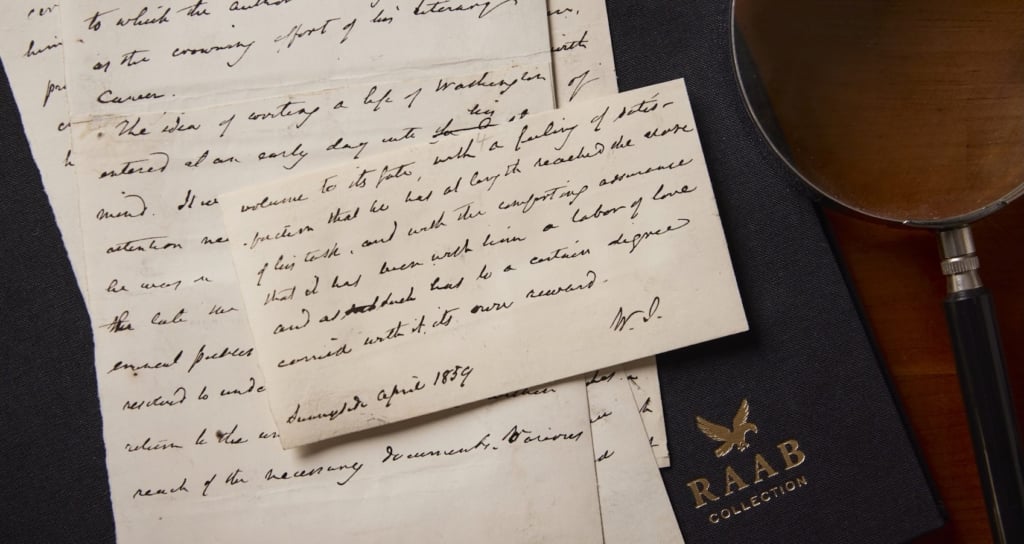
President George Washington established nearly countless precedents that forged the contours of the presidency, including crafting the character of the office. He demonstrated his dedication to serving the American people and strengthening the nation’s future, rather than seeking personal power or financial gratification. These lofty motivations set the standard and most presidents have tried to live up to them. This letter reveals that commitment, when he writes that it is his duty to make even “the smallest addition to the happiness of our country.”
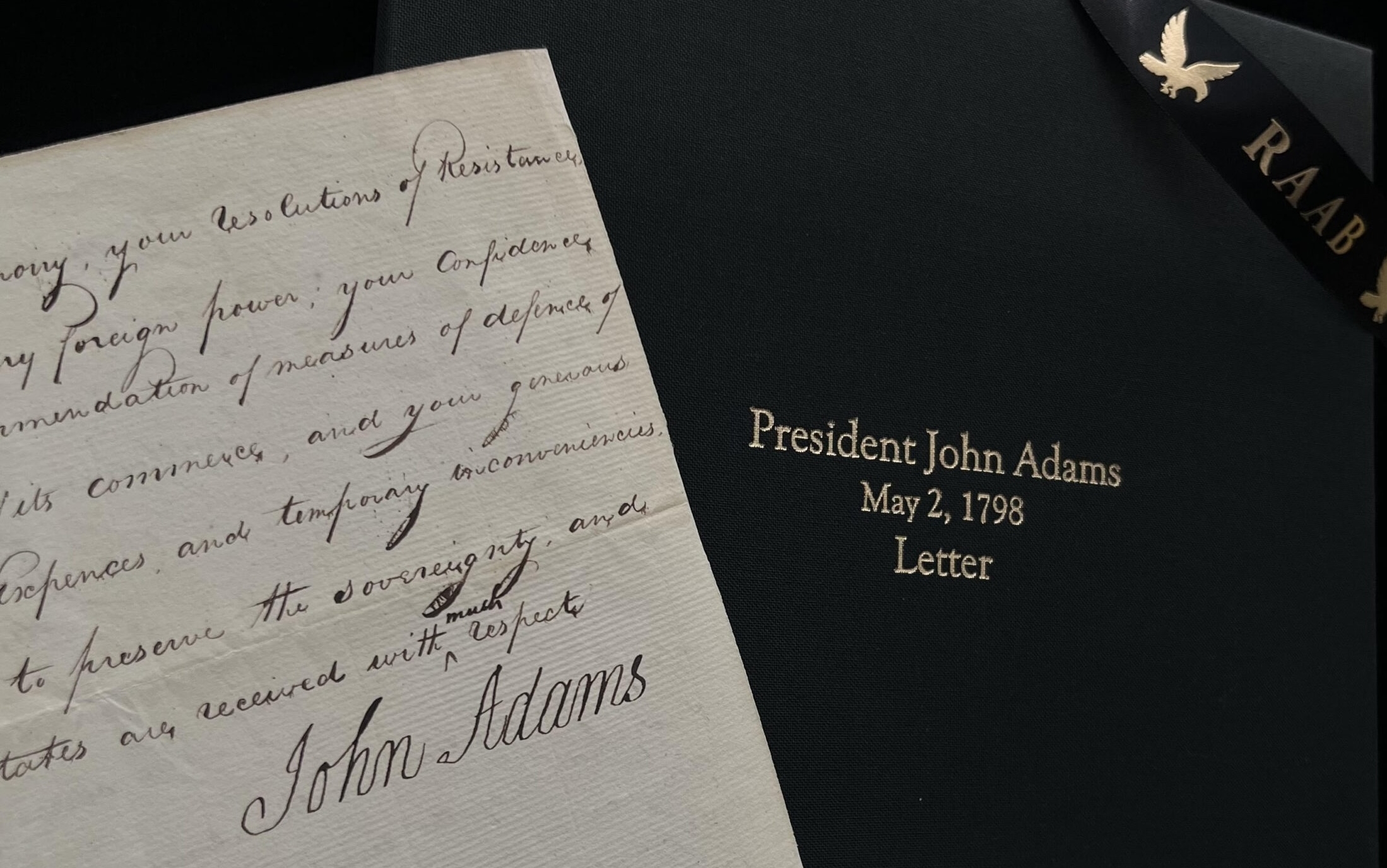
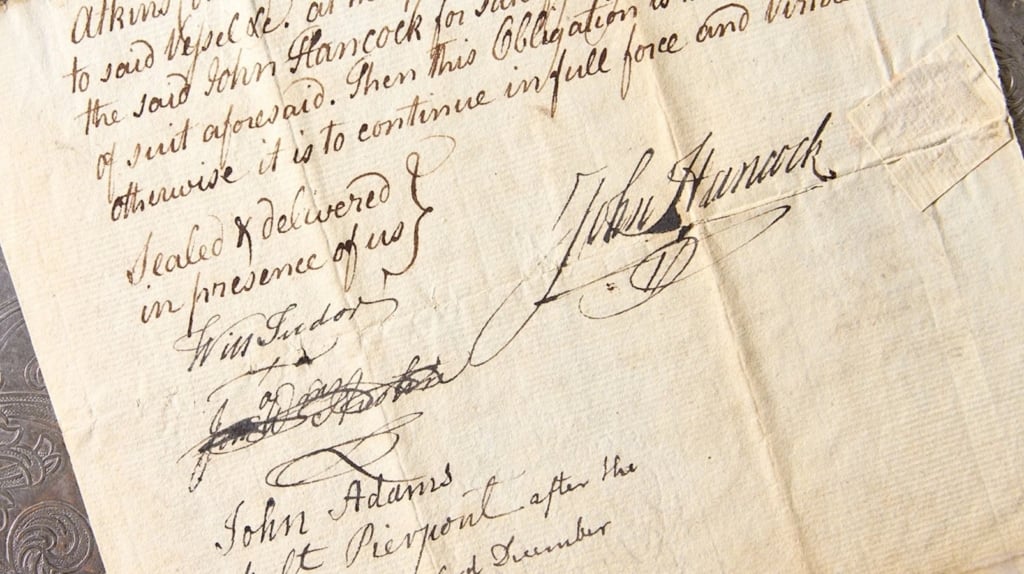
President John Adams on Preserving the United States as Both a Republic and an Independent Nation
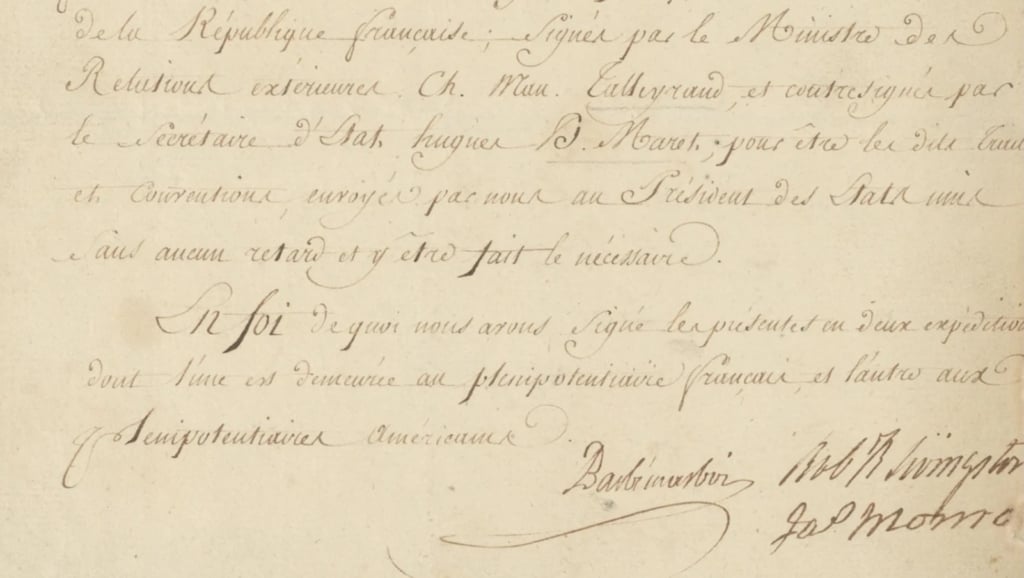
In September 1796, President George Washington announced he would not seek a third term in his Farewell Address. He also issued several warnings about potential divisions that might undermine the future of the republic. He warned of foreign interference and urged his fellow citizens to prioritize emotional attachments to one another over those to foreign nations. Just two years later, his successor, President John Adams faced a looming war with France and the possibility of “a foreign nation in threatening with destruction the freedom, and Independence, of the United States, and representing the Citizens of America as a divided people, is such as patriotism naturally and necessarily inspires.”
But Adams possessed excellent long-term vision and the ability to put the good of the nation above his own political prospects. He acknowledged similar concerns articulated by Washington: “Republics are always divided in opinions concerning forms of Government, and plans, and details of administration – these divisions are generally harmless, often salutary, and seldom very hurtful, except when foreign Nations interfere, and by their acts, and agents, excite and foment them into parties and factions; such interference and influence, must be resisted and exterminated or it will end in America.”
In 1799, Adams nominated a diplomatic commission to negotiate a settlement with France. While the Treaty of Mortefontaine established peace between the two nations, which has lasted to this day, his decision to seek compromise split the Federalist Party and ensured his defeat in the election of 1800. Adams considered peace his greatest contribution to the nation. Many years after his defeat, he wrote that he hoped his tombstone would read: “Here lies John Adams who took upon himself the Responsability of the Peace with France in the Year 1800.”

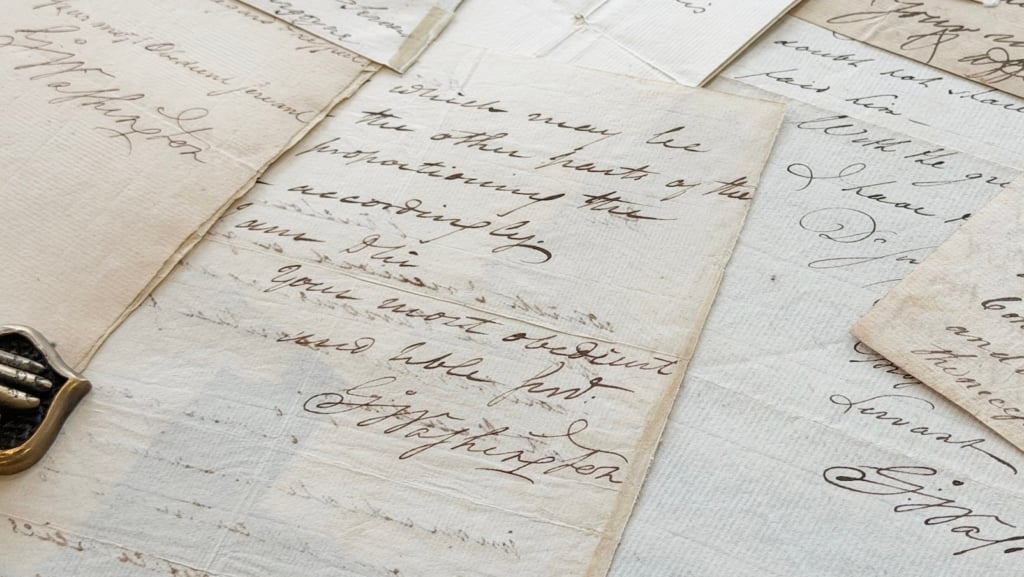
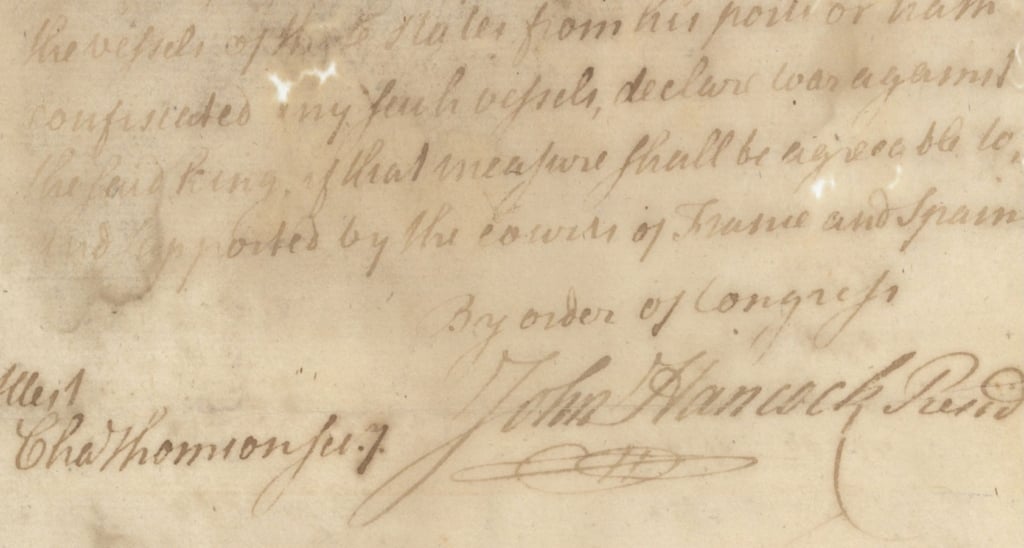
This document is such a fun way to explore one of Abraham Lincoln’s greatest strengths—his ability to build and maintain a broad coalition in his administration to fight for the Union. In 1789, President George Washington nominated a cabinet full of the best minds, with diverse experience and backgrounds. The best presidents, including Lincoln, have followed this example. Lincoln’s “team of rivals,” featured many of the leading candidates he had defeated on his way to winning the presidential election in 1860. Most presidents since Washington had done the same, but Lincoln’s cabinet was extraordinary because he was the least experienced and well known of the men in his cabinet. His management of these large and colorful personalities and opinions revealed his extraordinary political leadership. The signatures of “the entire top political and military command of the North…obtained in the period from about August 15 to November 30, 1861,” are a remarkable demonstration of Lincoln’s leadership.

Empathy is equally as important as compassion for a president to show to his fellow citizens, especially in moments of national crisis. President Franklin D. Roosevelt sent hundreds of thousands of men to their deaths in World War II and he felt each one deeply. “I have just been advised of your loss of three sons who gave their lives in the performance of their duty in action against the enemy,” he wrote to one family. “There is little that I can say to lessen the burden of your grief. However, I want you to know that your great sorrow is shared not only by myself, but by the entire Naval Service. Your sons, Jack Ellis, Jr., Edward Keith, and Charles Ethbert, gave their lives in the service of our country which owes to you and them a debt of undying gratitude. As Commander in Chief, I express to you a nation’s sympathy. I pray that God will comfort you and give you strength to bear this great sorrow.” FDR spoke from personal experience. All four of his sons served in the war. FDR commanded his generals to keep their locations secret from him so he couldn’t be tempted to make strategic decisions to spare his boys. While all four Roosevelt boys survived the war, he understood the fear felt by each parent and offered comfort whenever he could.

Eisenhower’s Vision for America’s Future
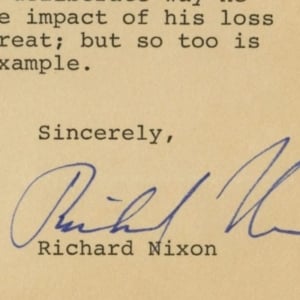
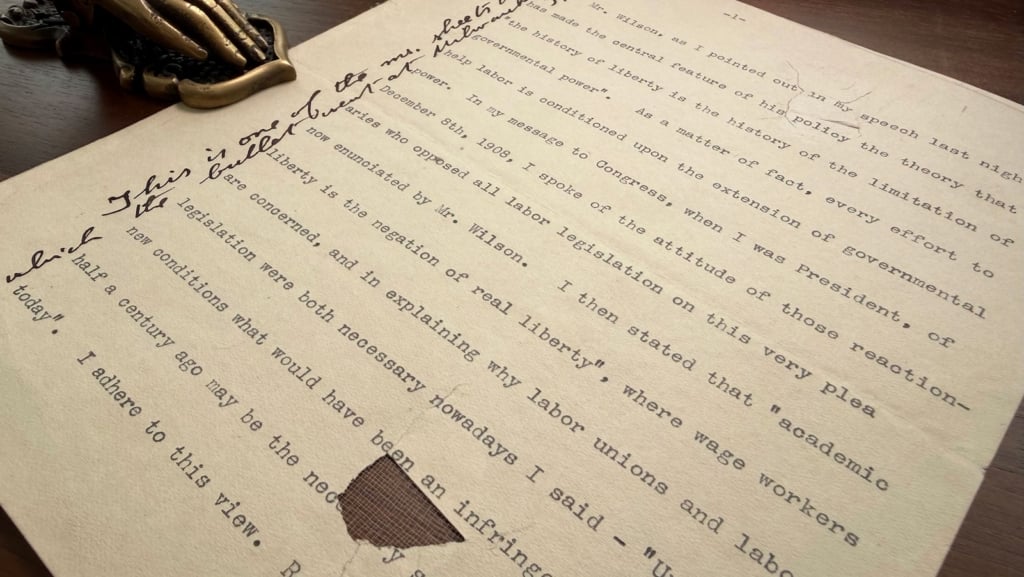
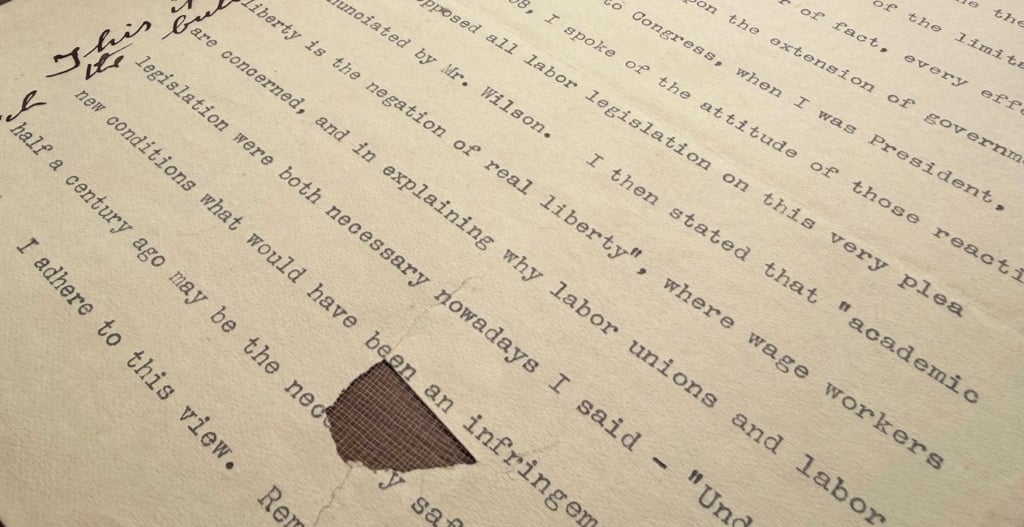
This letter from President Dwight D. Eisenhower echoes Adams’s concern with character, but in the American people, rather than just as president. “My position is that once America abandons her position as a leader of all those people who want the blessing of liberty then we will be starting backward,” he wrote. As he looked around him at the incredible prosperity of the 1960s, he worried: “Domestically I think we are not sufficiently concerned with spiritual and intellectual standards as we are with the material standards. I realize that a human being must be able to satisfy his body’s needs before he can make any progress culturally. One of the effects of the programs that so occupy us today is to weaken those qualities of self-dependence, self-reliance, moral and physical courage and patriotism. So, I think that what we need is to strengthen these qualities in the home, at school and in the churches.” This letter shows deep analysis and perceptivity about the American people, but the next line is even more important. “I do not mean to preach about them; rather to practice them,” Eisenhower wrote. He understood that no amount of analysis would match the power of example. As the best presidents and former presidents have done, he aspired to lead by example.
“My position is that once America abandons her position as a leader of all those people who want the blessing of liberty then we will be starting backward…”
To learn more about author Dr. Chervinsky and Raab’s Guest Curators program, view our press announcement.