






As democracy spreads in Europe, Jefferson demands the right to “exercise in arms for defense of their country”
This letter, the only we have found of Jefferson supporting the right to bear arms to have reached the market, was last sold nearly 50 years ago
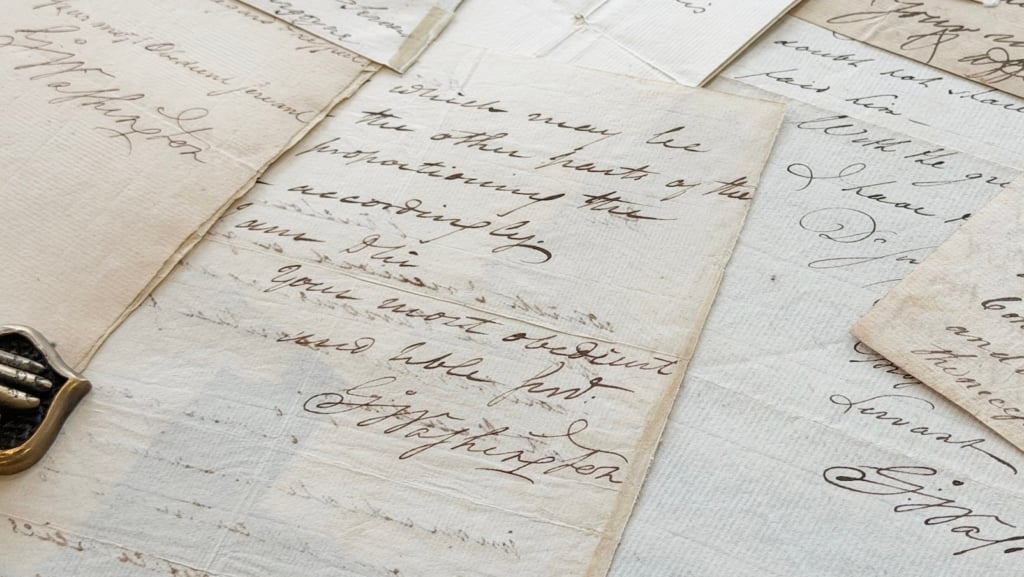
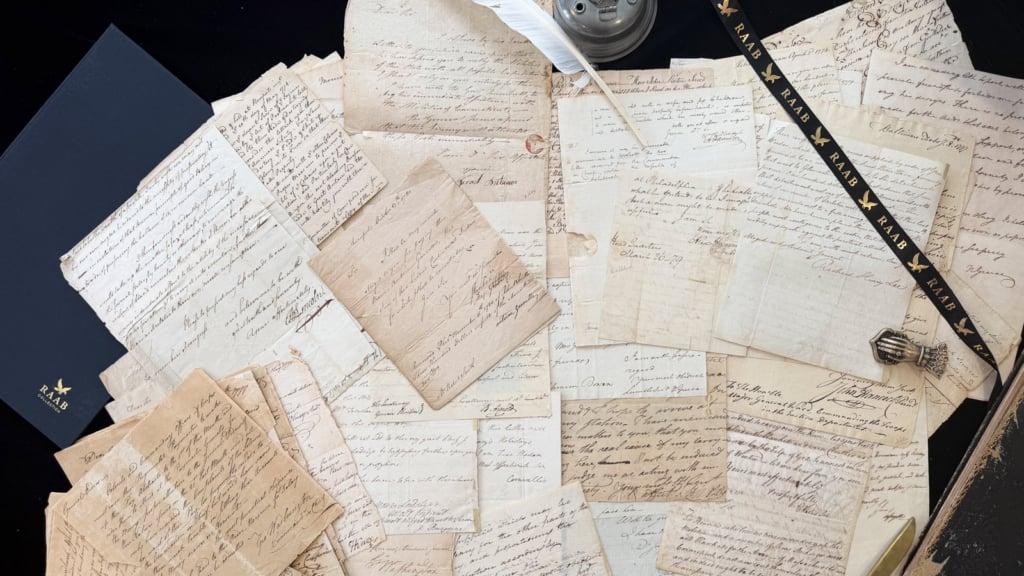
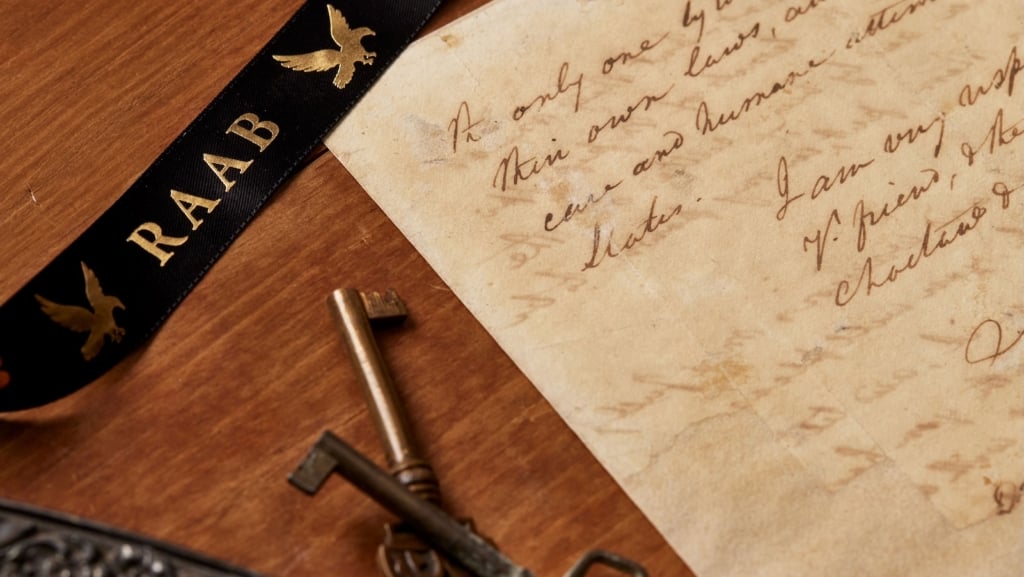
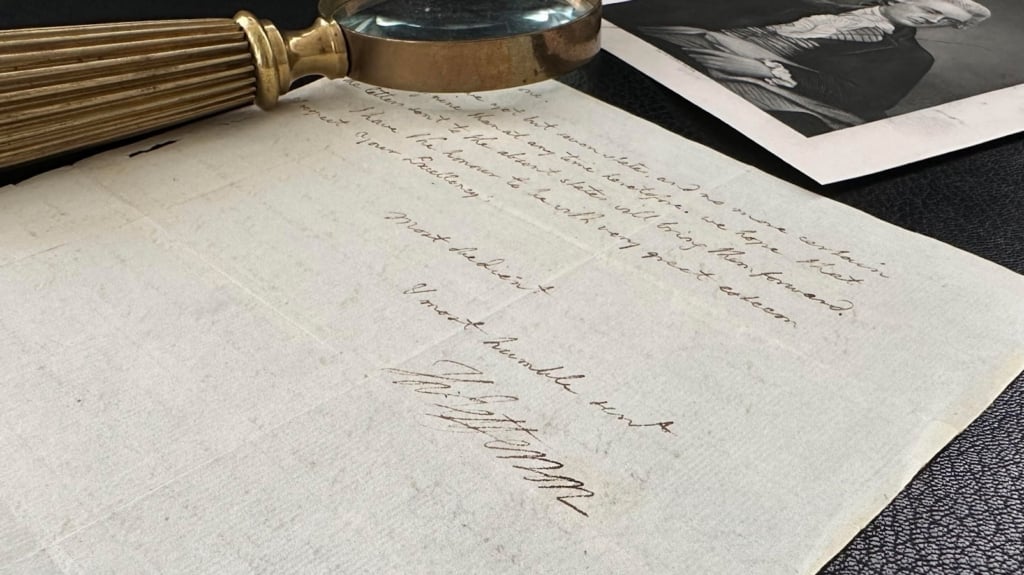
The Raab Collection announced that it has acquired and is offering for sale Thomas Jefferson’s original letter asserting the right of democratic citizens everywhere to “exercise in arms for defense of their country.” This letter last sold privately in 1982 and has been in a private collection since that time. For sale this Independence Day, the letter is valued at $90,000.
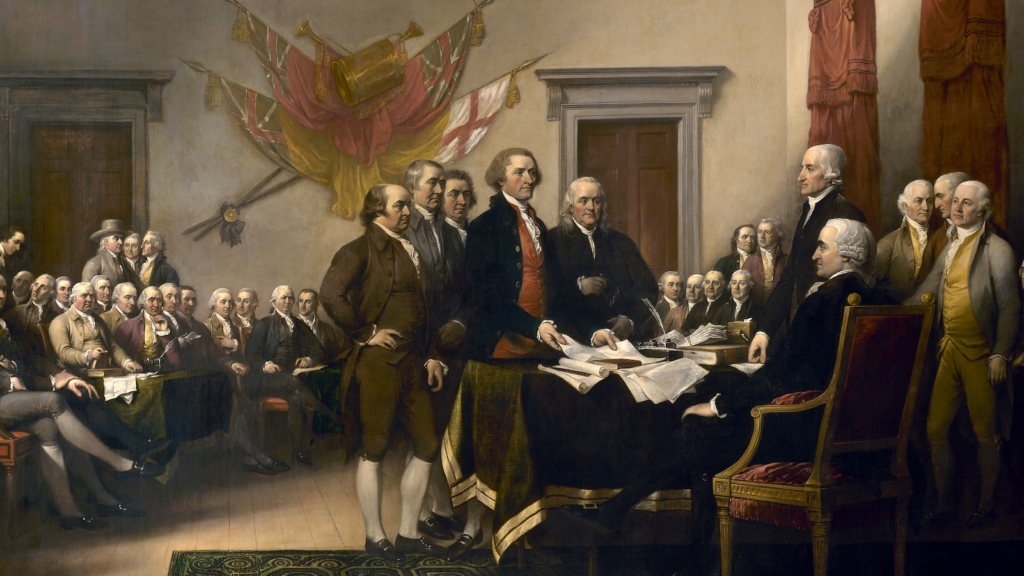
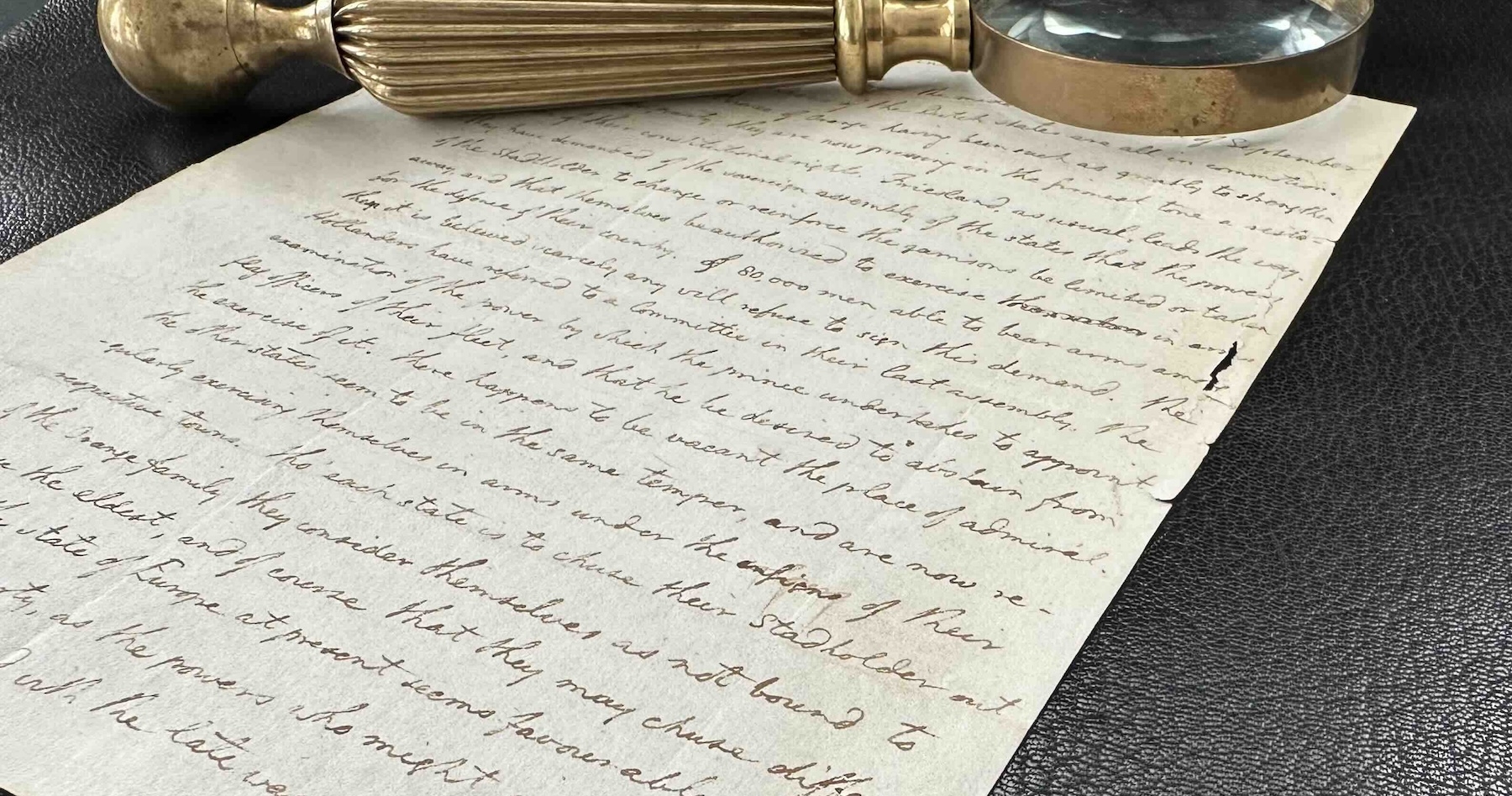
In the detailed letter, dated December 31, 1783 and written to the current governor of Virginia and fellow Signer of the Declaration of Independence, Benjamin Harrison V, Thomas Jefferson watches as the flame of liberty he kindled with the Declaration of Independence spread worldwide and notes of democratic movements that “they themselves be authorized to exercise in arms for the defense of their country: of 80000 men able to bear arms among them it is believed scarcely any will refuse to sign this demand.” Raab found no other letter of Jefferson echoing this sentiment of the Spirit of 1775 – that the people be allowed to bear arms to overthrow tyranny and defend their country – having reached the market.

The letter also discusses the Treaty of Paris and whether Congress will be able to ratify it and finalize the end of the Revolutionary War before the imposed deadline.
“This letter speaks to us today on many levels,” said Nathan Raab, president of The Raab Collection and author of The Hunt for History. “We can see the power and inspiration of Jefferson’s pen, as he can begin to reflect on the success of his work and the American Revolution and witness democratic ideals spreading worldwide.”
The Right to Bear Arms: The Spirit of 1775
As Jefferson wrote this letter, the Second Amendment had not yet been enshrined in the U.S. Constitution – that would happen in 1789 when James Madison expressed concerns about the power of a standing federal army and proposed to ensure the existence of state militias. Jefferson, however, was well aware that the right to bear arms was essential to democracy. His first draft of the Virginia Bill of Rights explicitly mentions: “No freeman shall ever be debarred the use of arms.” This clause, however, was later modified in the final version adopted by the Virginia legislature.
Jefferson had also seen firsthand how a patriotic group of armed citizens could fight off an invading army during the American Revolution.
The Treaty of Paris
As Jefferson wrote this letter, the U.S. victory over the British was still very fresh on the minds of Americans. The Revolutionary War had ended only months earlier, in the fall of 1783, with the signing of the Treaty of Paris. However, the Treaty needed to be ratified by a majority of Congress within six months. Jefferson was at this time a delegate for Virginia. Delegates from 9 states out of the original 13 were needed to complete this final step before the documents could be shipped back to Britain and made official. As the months ticked by, Jefferson became alarmed that it would not happen in time.
Harrison responded to Jefferson’s letter on January 30, 1784, assuring him that the signed treaty would arrive in England in time to meet the deadline, and it did.
The Letter
Autograph letter signed, Annapolis, December 31, 1783, to Benjamin Harrison V, reporting on the desire of the Dutch advocates of democracy to bear arms in defense of their country and hoping for a quorum of states to ratify the Treaty of Paris.
“Letters from Holland from the middle to the last of September inform us that the citizens of the Dutch states are all in commotion. The conduct of the Prince of Orange having been such as greatly to strengthen the republican party, they are now pressing in the firmest tone a restoration of their constitutional rights. Friesland, as usual, leads the way. They have demanded of the sovereign assembly of the states that the power of the Stadtholder to change or reinforce the garrisons be limited or taken away, and that they themselves be authorized to exercise in arms for the defense of their country: of 80000 men able to bear arms among them it is believed scarcely any will refuse to sign this demand.… The state of Europe at present seems favorable to the republican party, as the powers who might aid the prince are either fatigued with the late war, or likely to be engaged in the ensuing one.
We have yet but seven states, and no more certain prospects of nine than at any time heretofore. We hope that the letters sent to the absent states will bring them forward….”
To learn more about this letter, listen to the Inspired by History podcast episode 9: “Thomas Jefferson’s Powerful Words on Democracy and the Right to Bear Arms.” Nathan Raab is also available for interviews to share his wide experience handling historical documents and autographs.
