





Over the past year or so, we have been taking a close look at the historical presidency. In this series of articles, we are delving into the qualities that led 45 men to the highest echelons of power and leadership, illustrated by letters and documents from our collection. We began with George Washington, Thomas Jefferson, and Abraham Lincoln. Now we’re turning our attention to John F. Kennedy, assessing his leadership qualities and looking at some of the real historical documents signed by Kennedy that inform this history.
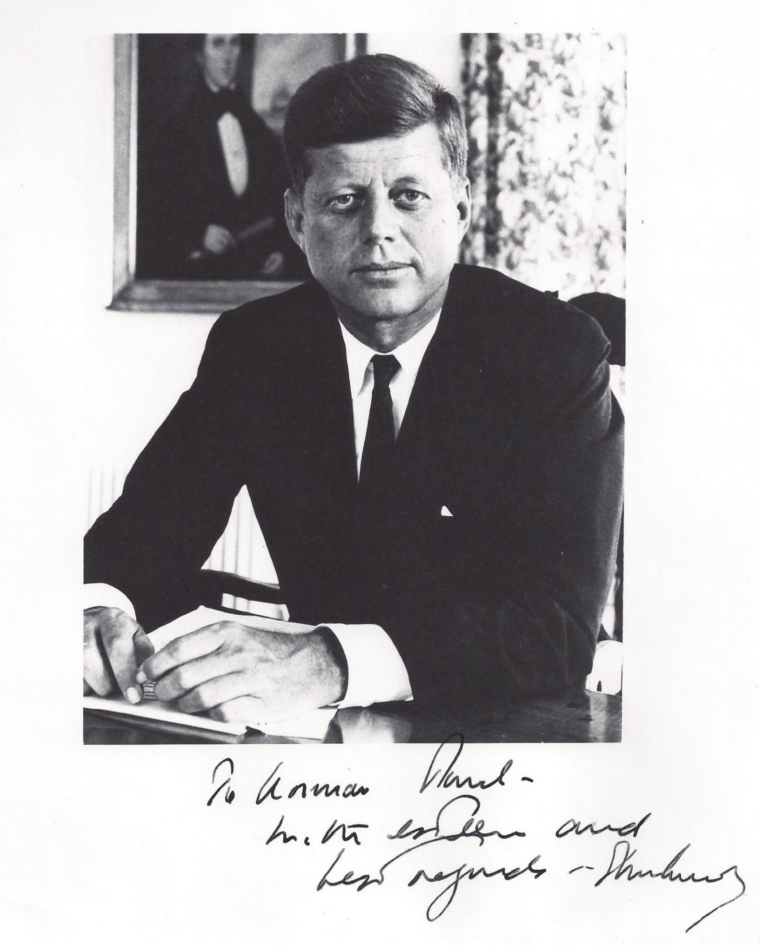
JFK: An Inspirational and Transformative Leader
John F. Kennedy had many attributes that made him a great leader, including:
- Charismatic and Visionary Communicator: JFK used the new medium of television to project energy and intelligence, fostering a sense of confidence in him and his administration. He spoke often to the public.
- A Sense of Optimism: He projected a sense of optimism, a sense that anything was possible. This led to the blossoming of the sixties, when optimism was at every hand, and the future looked promising.
- Idealistic and Forward-Thinking: He inspired a new generation with a vision of public service, leading to a change of attitude and the creation of the Peace Corps.
- Grace Under Pressure: He was known for his calm, collected demeanor, particularly during high-stakes crises like the 1962 Cuban Missile Crisis.
- Decisive, Courageous, and Pragmatic: He was not afraid to take risks, such as approving the space program’s goal of landing on the moon. He was, after all, the heroic captain of PT 109 in World War II who saved 11 of his 13 crew members and was awarded the Navy and Marine Corps Medal.
- Intellectual and Cultured: Despite often appearing effortless, he was a studious individual who won the 1957 Pulitzer Prize for his book Profiles in Courage.
These character traits made Kennedy a highly effective, inspirational, and transformative leader who led a younger generation into a position of leadership.
John F. Kennedy Signed Documents
After Kennedy’s heroic service during World War II and the early death of his brother, he was encouraged to pursue politics. He first represented Massachusetts’ 11th Congressional district, serving three terms, before winning a tight 1952 election to become the junior U.S. Senator from Massachusetts. He served in the Senate until his victorious 1960 Presidential run, when, at the age of 43, Kennedy became the youngest man elected president and the first Catholic.
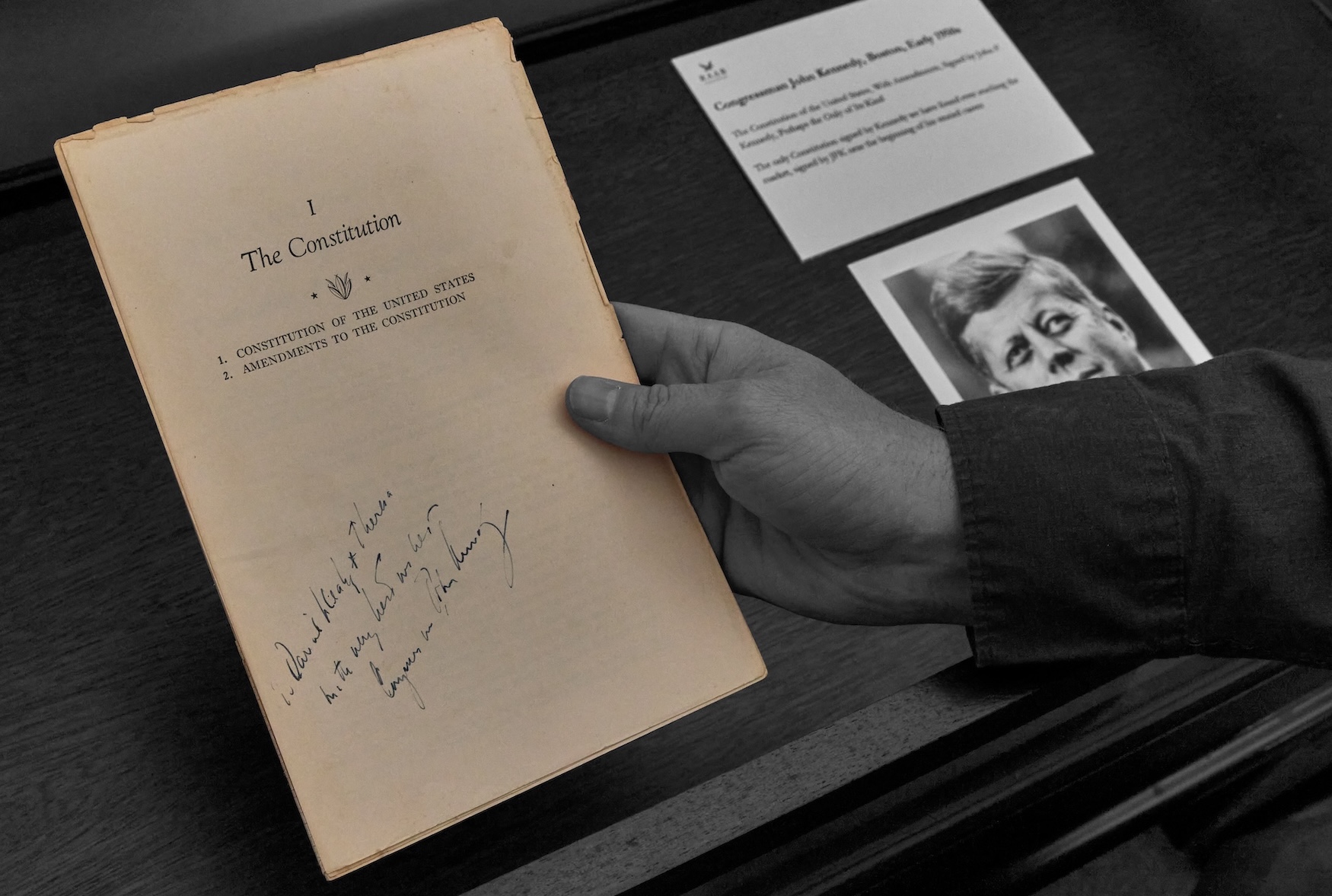
It was 1961, and the generations were turning. Younger men and women sought their light in the sun, as the Eisenhower generation began to fade from the scene. The staid 1950s was about to give way to something new and transformational – the famed 1960s. Kennedy played a key role in this, as he was the youngest man ever elected president and took office at age 44.
The most inspiring words in 20th-century American history were spoken by Kennedy, around mid-day, on January 20, 1961, in Washington, D.C. The occasion was his presidential inauguration, and came as he was concluding his inaugural address. He had just declared that the torch had been passed to a new generation of Americans, “born in this century, tempered by war, disciplined by a hard and bitter peace, proud of our ancient heritage,” and pledged to “pay any price, bear any burden, meet any hardship, support any friend, oppose any foe, in order to assure the survival and the success of liberty.” Soon after, he spoke the seventeen words that changed everything: “Ask not what your country can do for you – ask what you can do for your country.”
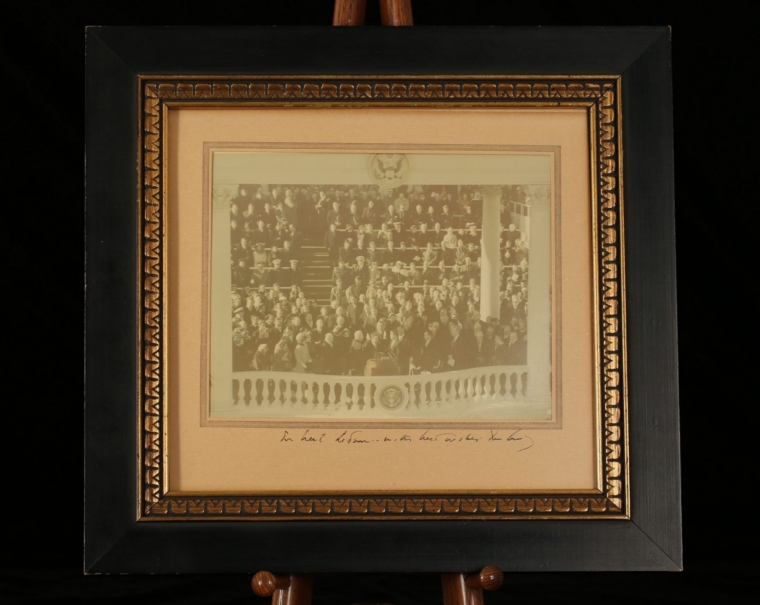
Those words were positively electrifying. No president had ever challenged citizens, in peacetime, to sacrifice or commit to a larger vision. With that single sentence, Kennedy inspired people to new possibilities. He raised their expectations of themselves, and of their nation. This phrase symbolized a new generation’s commitment to the country. This led not merely to the Peace Corps, but more importantly turned the attention of the country to public rather than personal priorities. This speech serves as a defining moment of the 20th century, urging Americans to “begin” a new era of service, and encouraging individuals to take responsibility for the welfare of their country.
On the domestic front, Kennedy named his proposals the “New Frontier.” He called for low-premium medical insurance funded by Social Security for those 65 years of age and older, but was opposed by many physicians and the AMA itself because they felt it smacked too much of socialized medicine. It was passed in 1964, during the Johnson administration, and the Medicare program it created became effective in 1966. Kennedy sought federal aid to education, and the creation of a Department of Housing and Urban Development. He also raised the minimum wage.
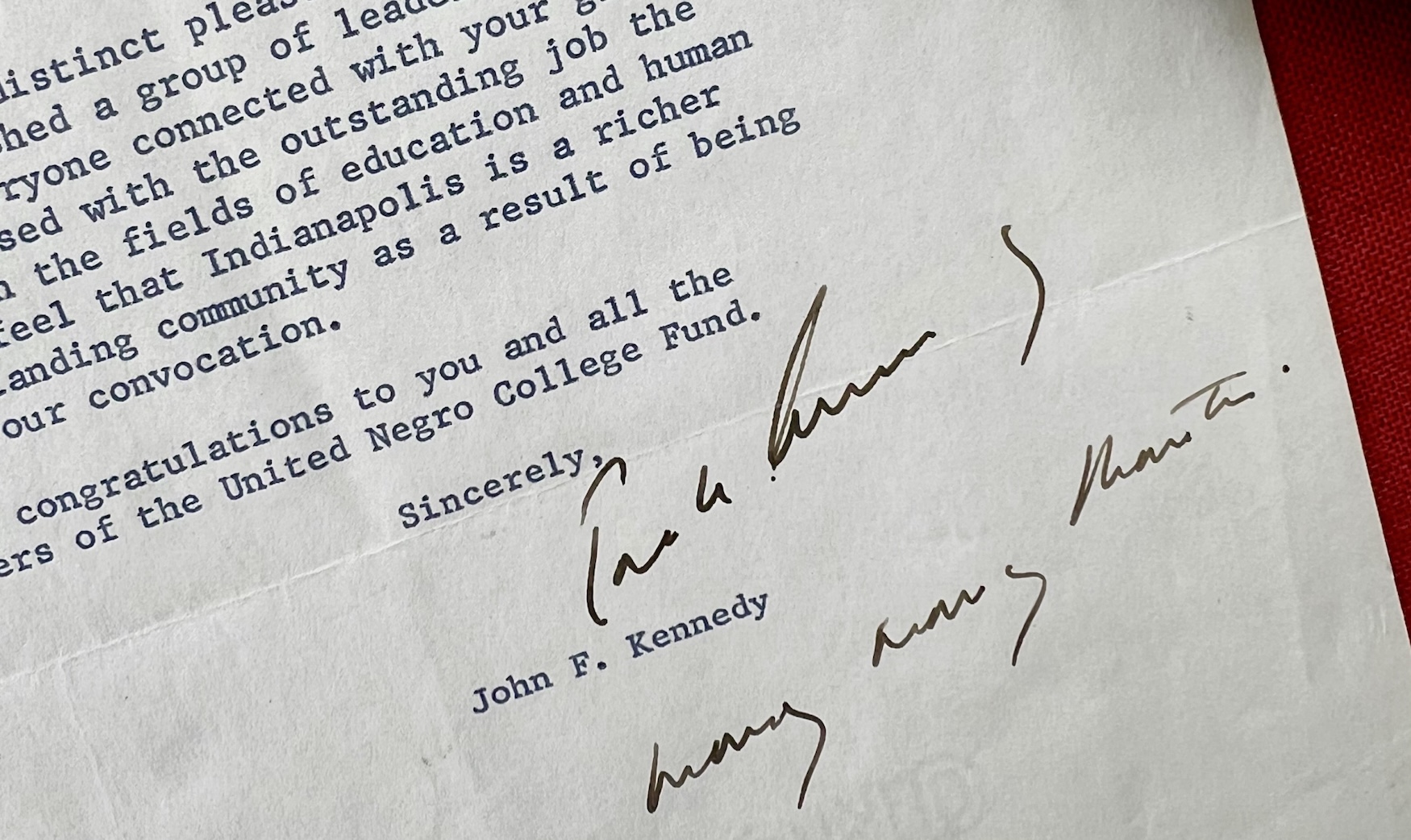
In the area of civil rights, Kennedy signaled his support in 1959 when he gave a major speech at the national convocation for the United Negro College Fund. He would also donate the proceeds he received for his book, Profiles in Courage, to the Fund. His administration took action to desegregate universities and supported civil rights legislation, particularly after the Birmingham campaign in 1963. When JFK proposed a new Civil Rights bill to the Congress, he went on television asking Americans to end racism: “One hundred years of delay have passed since President Lincoln freed the slaves, yet their heirs, their grandsons, are not fully free,” he said.
The collaboration between government and the arts flourished under Kennedy’s leadership, gathering additional strength in 1962 and 1963. The Kennedys would also demonstrate that the White House could be an influence in encouraging public acceptance of the arts. In 1962 First Lady Jacqueline Kennedy would restore and redecorate the White House and then invite the whole nation in for a televised tour. August Heckscher, who was appointed by Kennedy as the first White House Cultural Coordinator in February 1962, notes that the President believed that progress in the arts was intimately related to all that he wanted America to be.
The Kennedys brought to the White House a youth and vitality that appealed immediately to Americans. He had elegance, courage, and wisdom; she was sophisticated, sensitive, and charming in three languages. Their arrival upon the national scene at this time was a felicitous and dramatic coincidence in American cultural history.
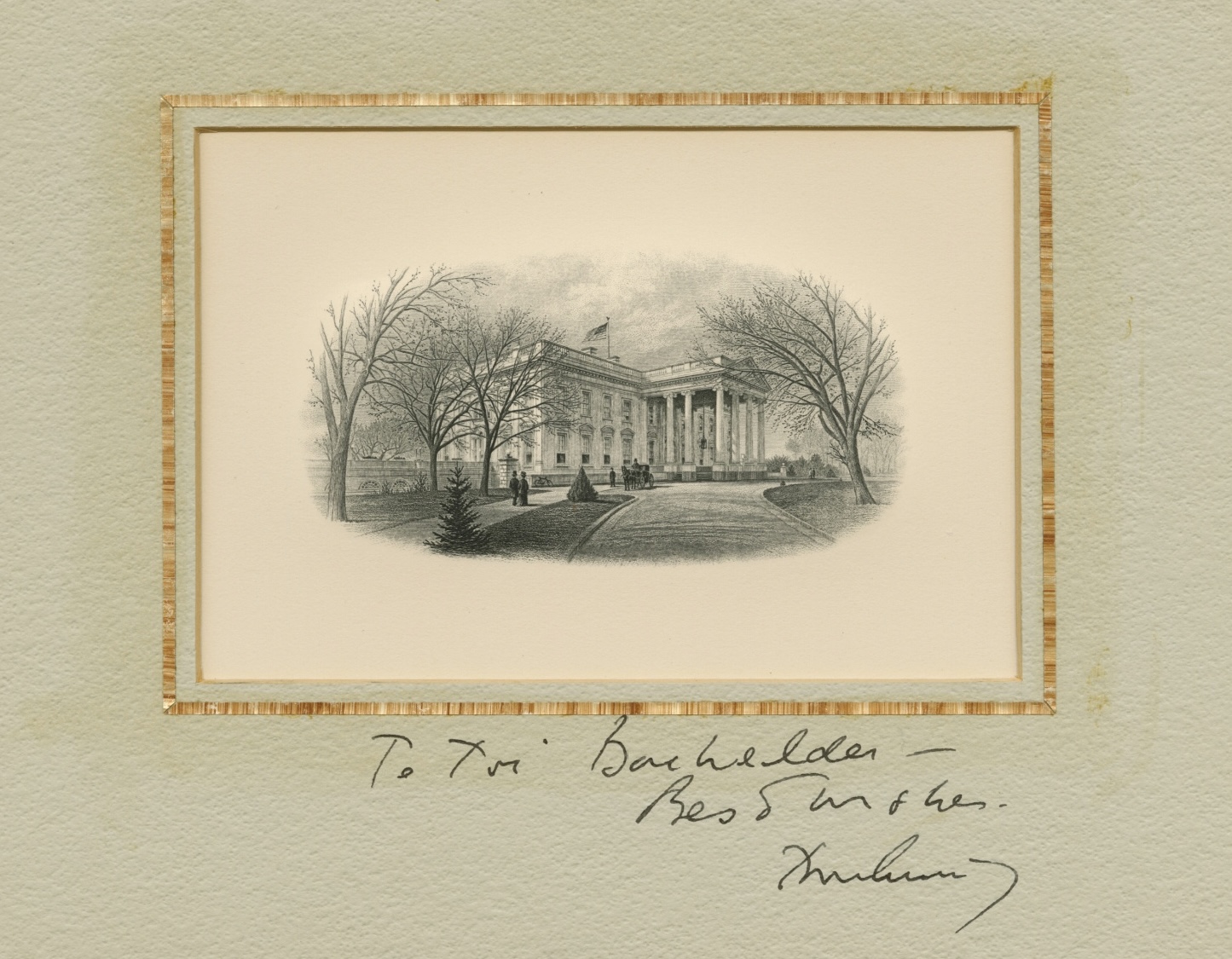
The United States was experiencing a wave of growth in its urban population and enjoying a period of economic prosperity. Scientific advances in mass communications, symbolized by the Telstar satellite, brought the world, live, into every American’s living room. All of these provided fertile soil for cultural and artistic pursuits. The Kennedys were lifelong supporters and advocates of such pursuits, defining them as “our contribution to the human spirit,” and they became a central focus of his administration. Soon after JFK was inaugurated, he stated, “I am determined…that there will be an American renaissance in which imagination, daring and the creative arts point the way.”
Kennedy’s administration established human rights as the foundation stone of U.S. policy, both domestically and abroad. That was his goal from the first minute of his presidency. As he said at the start of his famous inaugural address, leadership was passing to a new generation with fresh ideas: “For man holds in his mortal hands the power to abolish all forms of human poverty and all forms of human life. And yet the same revolutionary beliefs for which our forebears fought are still at issue around the globe—the belief that the rights of man come not from the generosity of the state but from the hand of God.”
Kennedy set out to woo the leaders and people of the Third World, expanding economic aid and appointing knowledgeable ambassadors. His administration established the Food for Peace Act and provided aid to developing countries in various ways. Food for Peace became a central element in American foreign policy, and eventually helped many countries to develop their economies and become commercial import customers.
In foreign affairs, when Soviet Premier Nikita Khrushchev threatened to take West Berlin in 1961, Kennedy promised a military response, and the Russians backed down. When the Soviets began to install missiles in Cuba in late 1962, Kennedy demanded their removal, then skillfully transacted a diplomatic settlement which kept the two enemies at peace. As for the arms race, he felt, “This is indeed a time of maximum danger, but I am hopeful that a firm stand for freedom and justice will eventually bring peace to this troubled world.” The result was the Nuclear Test Ban treaty, to end atmospheric nuclear testing, the first nuclear weapons treaty in history. The treaty represented an important deescalation of Cold War tensions.
All of this progress was cut short on November 22, 1963, when President Kennedy was assassinated.
In 2011, The Raab Collection discovered two original audiotapes from aboard Air Force One as Kennedy’s body was flown from Dallas to D.C. One tape was donated to the National Archives, the other privately sold. The latter is currently for sale with Raab after more than a decade.
JFK’s Legacy
The popular legend of John F. Kennedy made a singular, seemingly indelible impression upon the American scene. With his beautiful wife, Jacqueline Bouvier Kennedy, and his adorable children at his side, Kennedy created an image that time has not destroyed. His assassination marked a bloody conclusion to his presidency but hastened his coronation as the martyred prince of American politics. In death, he became a cultural icon. And the idealism that Kennedy evoked did not die with him. He left a legacy of hope to millions of Americans.
John F. Kennedy Letters and Autographs
To learn more about our JFK signed documents and autographs, visit our dedicated John F. Kennedy page and read our collector’s guide: “An Illustrated Guide to Buying John F. Kennedy Autographs & Documents.”