






Abraham Lincoln Promotes a Hero Surgeon at the First Battle of Bull Run, Who Was Taken Prisoner Rather Than Leave his Patients Unattended


Included is an amazing survival: his contemporary list of those killed and wounded that day, men from his regiment he almost certainly treated
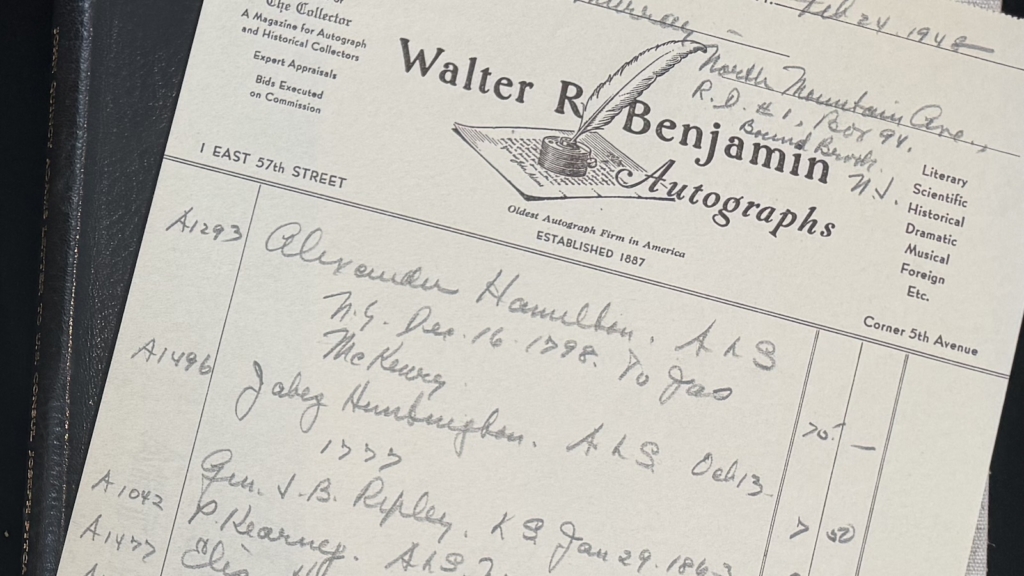
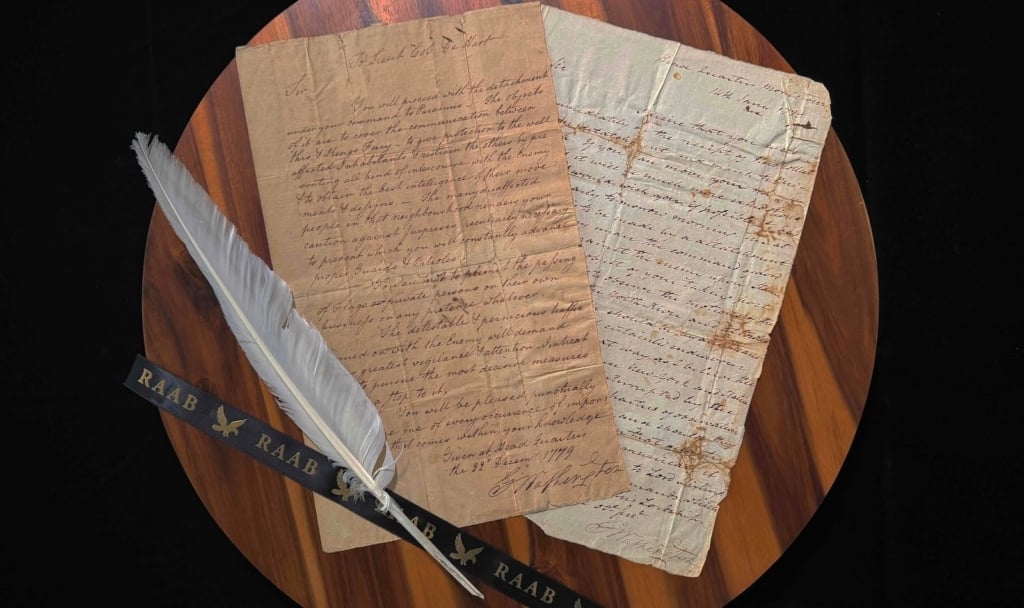
Also included is his copy of a letter from General Beauregard guaranteeing his parole and release in exchange for treating Confederate soldiers, as well as his hotel bill during that stay there
The appointee was one of the army’s first surgeons and went on to head the medical department at Fort...


Also included is his copy of a letter from General Beauregard guaranteeing his parole and release in exchange for treating Confederate soldiers, as well as his hotel bill during that stay there
The appointee was one of the army’s first surgeons and went on to head the medical department at Fort Davis, which garrisoned the Buffalo Soldiers
Acquired from the direct descendants of the doctor himself and never before offered for sale
The First Battle of Bull Run — also known as the First Battle of Manassas — took place on July 21, 1861 in Virginia, near Manassas Junction and Bull Run Creek. It was the first major battle of the American Civil War, fought between Union forces under Brig. Gen. Irvin McDowell and Confederate forces commanded by Brig. Gen. P.G.T. Beauregard and Gen. Joseph E. Johnston. The Confederates won the battle, sending Union troops retreating in disarray toward Washington, D.C. — a shocking early indication that the war would be long and bloody, not the quick Union victory many had expected.
Charles S. Degraw was one of the Union Army’s first battlefield doctors and he was present on the battlefield. The New York Times reported on July 23, 1861 that among those there was “Assistant Surgeon Charles S. Degraw, of the Eighth New York,” who “nobly surrendered themselves sooner than leave their wounded comrades without aid.”
On July 27, a report from army medical intelligence quoted a newspaper noting of the fewer than 10 surgeons captured that day: “NOBLE CONDUCT. A notable instance of magnanimous self sacrifice on the part of the Surgical Staff of one of our city regiments occurred in the battle of the 21st. The above named Surgeons nobly surrendered themselves to the enemy rather than desert their wounded comrades on the field of battle. Such conduct reflects the highest credit on the heroism and humanity of these officers and deserves to be widely known and duly appreciated.”
Degraw during his capture by the Confederates, tended to their wounded men. He was allowed to come and go as he pleased in Richmond and return to his home as a noncombatant, once his medical services in the South were no longer needed. He stayed during this time at the Columbian Hotel in Richmond and was given this by Confederate General Beauregard.
An archive of 4 items documenting this period and his subsequent promotion by Abraham Lincoln:
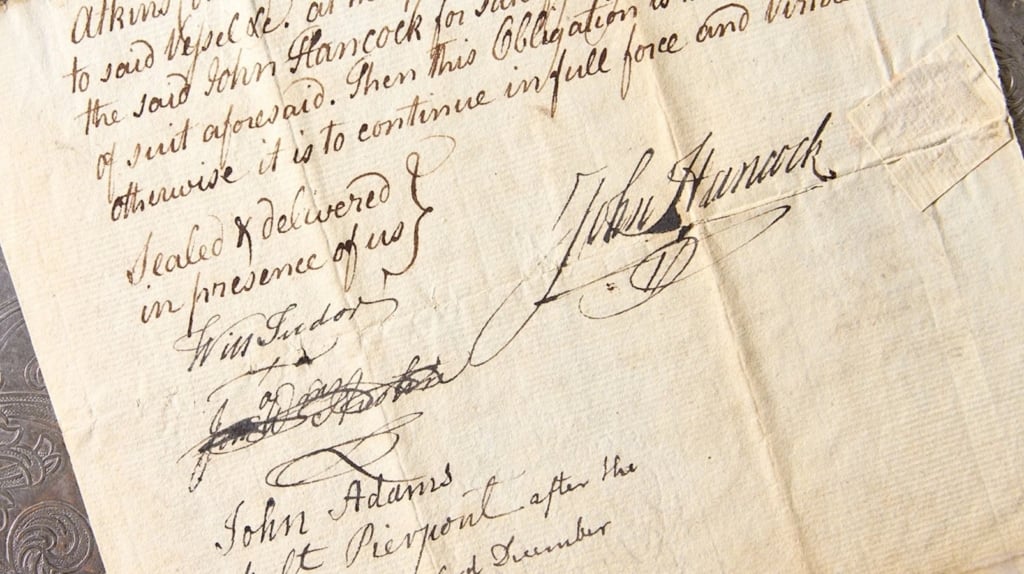
1) Document signed, Washington, Signed by President Abraham Lincoln and Secretary of War Edwin Stanton, July 19, 1862, appointing Charles S. Degraw to the position of Assistant Surgeon.
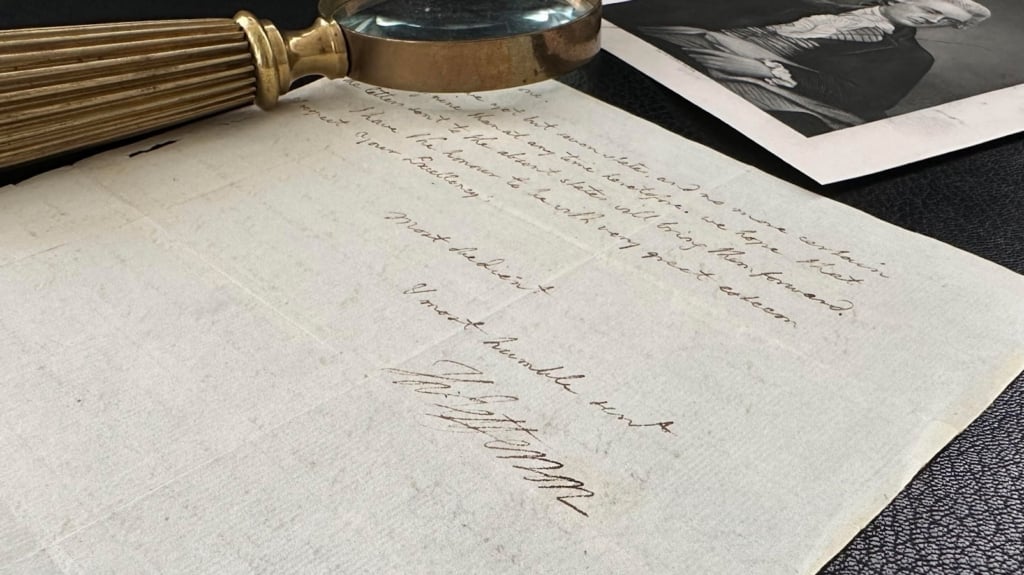
2) His copy of the letter of General Beauregard, dated August 20, 1861, labeled copy. “The parole of the doctors was taken to prevent the necessity of guarding them while they were attending to the enemies wounded, with an understanding that it was to be continued by the War Department after leaving here and that there to be permitted to return to the their homes when their services would be no longer required on the ground they were non-combatants and might have got off if they had imitated their fellow officers.”
3) A receipt from the Columbian hotel in Richmond from his stay.
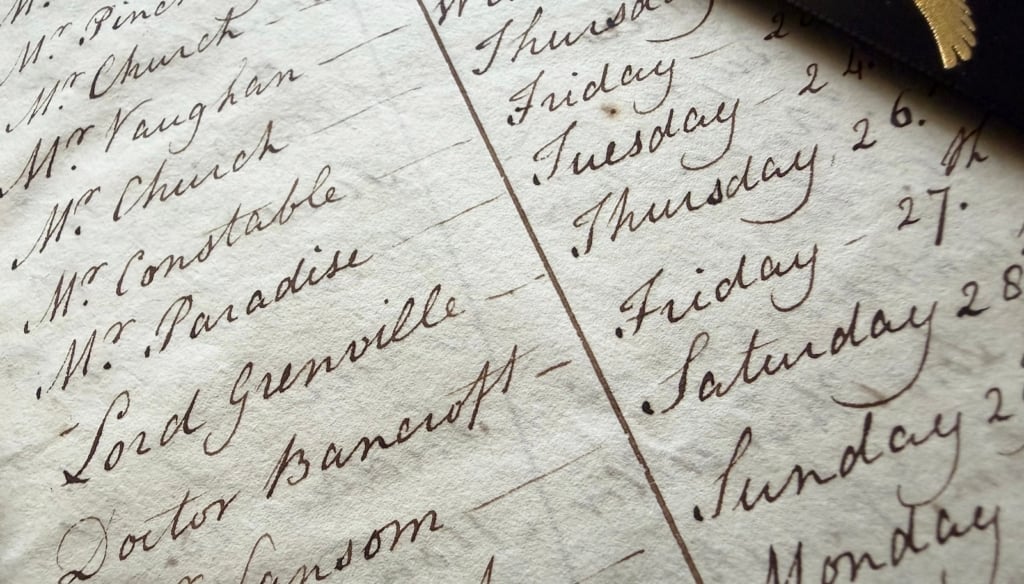
4) A list of 12 men killed, wounded or captured at the battle, with the former category often listing the site of the wound. These are almost certainly men that Degraw himself treated. We have never before seen a battlefield list of injuries from a doctor before from so early in the war. This is undated, lending credence to the fact that was done at the time. Since he was one of only two surgeons captured on the field treating patients, there would be no reason for him to know nor note the nature of the injury had he had not treated or been present.
Degraw was a storied surgeon and medical department head and was the chief medical officer for Fort Davis in the 1870s, a fort which garrisoned the famed Buffalo Soldiers and played an outsized role in the American western story in the immediate postwar period. DeGraw noted that he spent most of his time treating Hispanic civilians, “as no other medical attendance could be procured at a distance of 200 miles.” The hospital at that time was perhaps the most advanced west of San Antonio.
Acquired from the direct descendants of the doctor himself and never before offered for sale.

Frame, Display, Preserve
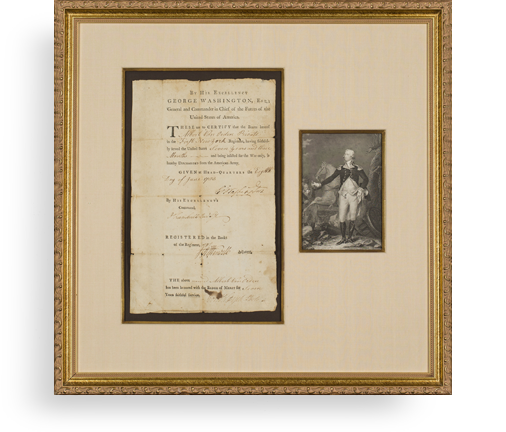
Each frame is custom constructed, using only proper museum archival materials. This includes:The finest frames, tailored to match the document you have chosen. These can period style, antiqued, gilded, wood, etc. Fabric mats, including silk and satin, as well as museum mat board with hand painted bevels. Attachment of the document to the matting to ensure its protection. This "hinging" is done according to archival standards. Protective "glass," or Tru Vue Optium Acrylic glazing, which is shatter resistant, 99% UV protective, and anti-reflective. You benefit from our decades of experience in designing and creating beautiful, compelling, and protective framed historical documents.
Learn more about our Framing Services


