





Governor Thomas Jefferson’s Original Proclamation Urgently Marshalling the Arms of the People to Defend Against the British Invasion of the State
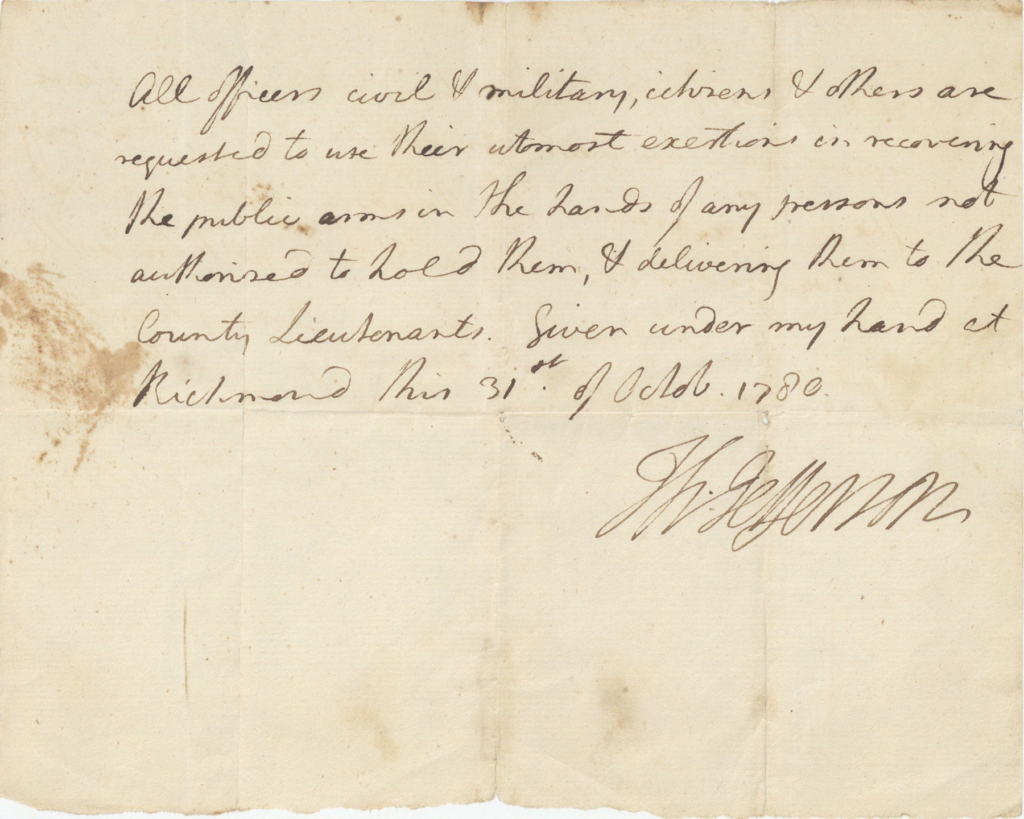
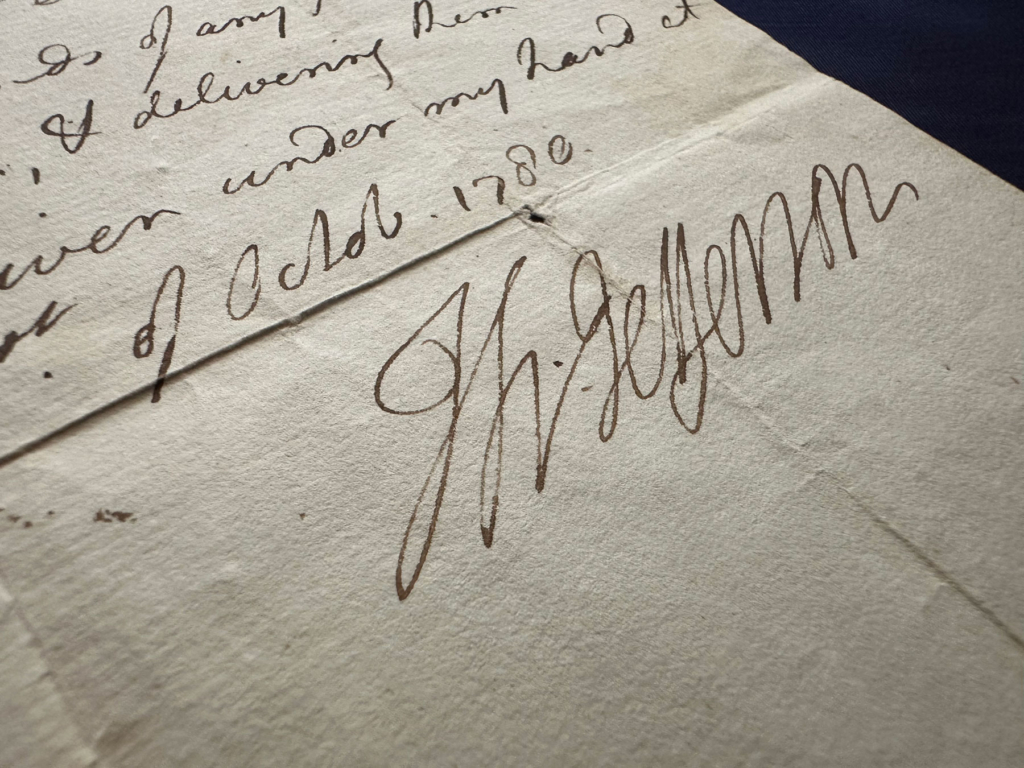

An unpublished letter, newly discovered: Jefferson would later write that these arms were necessary for the "salvation of our country"
He calls upon the Virginia citizenry to help arm the State militia to combat the British, who had landed just days earlier
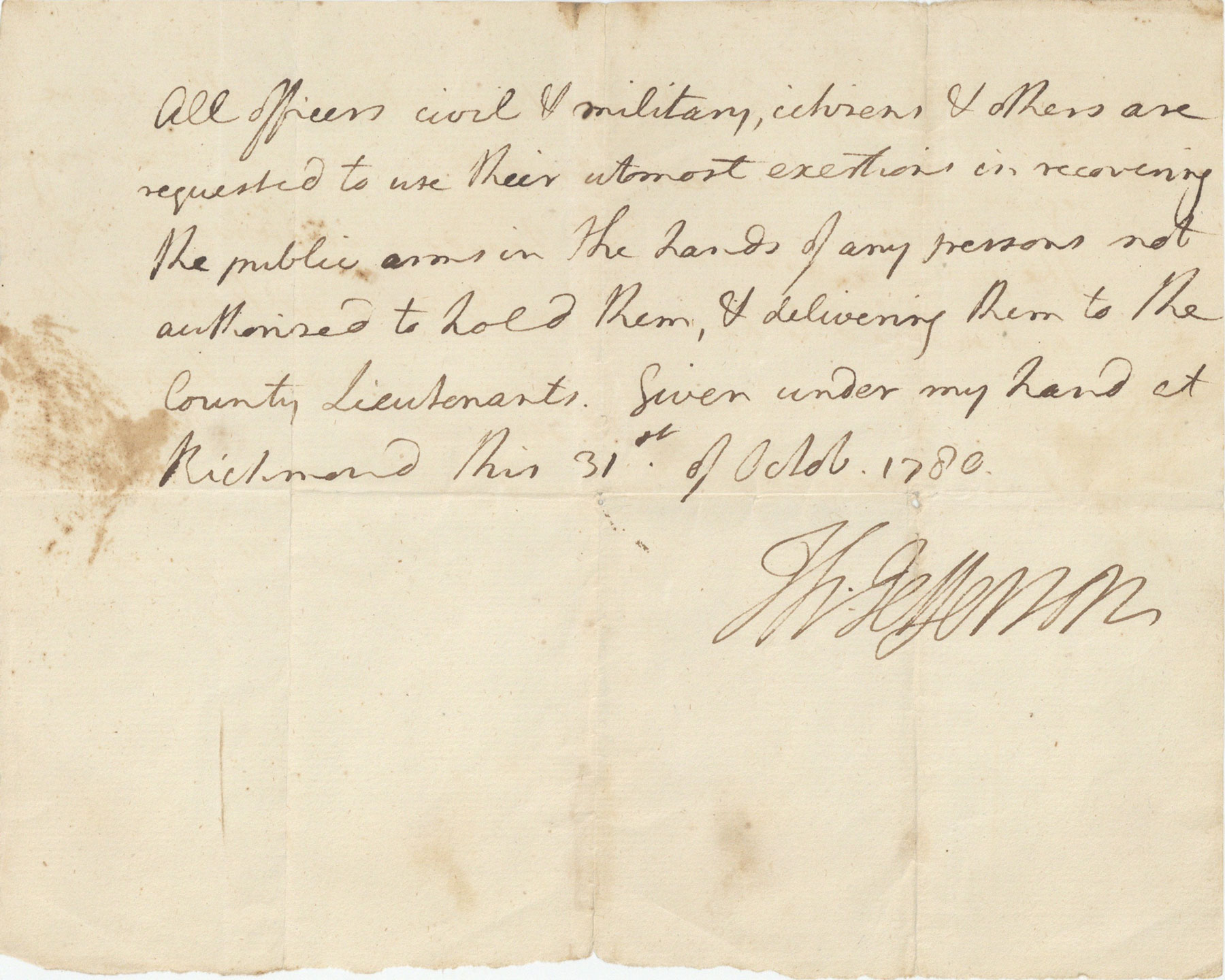
The people “to use their utmost exertions in recovering the public arms”
The most significant Jefferson document as governor from the Revolutionary War that we have seen
In...


He calls upon the Virginia citizenry to help arm the State militia to combat the British, who had landed just days earlier
The people “to use their utmost exertions in recovering the public arms”
The most significant Jefferson document as governor from the Revolutionary War that we have seen
In 1779, Thomas Jefferson was elected Governor of Virginia, and he was re-elected on June 2, 1780. During his term, the capital of Virginia was moved from Williamsburg to Richmond, which was considered a less vulnerable location. The author of the Declaration of Independence was not primarily a military man, and Jefferson was initially focused on public education, religious freedom, and inheritance reforms. But the year 1780 was marked by the war’s first significant military threat to Virginia, in the form of a British invasion, requiring Jefferson to take on the unfamiliar role of managing the state’s defense.
In October 1780, Major General Alexander Leslie led 2,500 British force into the Chesapeake Bay, establishing fortified positions in the Chesapeake area, principally at Portsmouth, Virginia. From their base, the British began raiding the area for supplies, conducting reconnaissance, and attempting to secure strategic locations. Their primary goal was to disrupt American supply lines, weaken the Continental Army’s ability to support operations in the South, and erode support for the war in Virginia. With the British conducting these raids it became imperative for the Virginia militia forces to counter them. This is because few Continental Army troops were in the state, but were with the army elsewhere or had been captured in the surrender of Charleston, South Carolina in May. Thus it fell to the Virginia militia, under the control of Thomas Jefferson, to combat the threat of this British incursion.
On October 22, he wrote to General Washington: “I have this morning received certain information of the Arrival of a hostile fleet of about Sixty Sail in our bay… We are endeavouring to collect as large a body to oppose them as we can arm: this will be lamentably inadequate if the Enemy be in any force; it is Mortifying to suppose it possible that a people able and zealous to contend with their Enemy should be reduced to fold their Arms for want of the means of defence; yet no resources that we know of, ensure us against this event. It has become necessary to divert to this new object a considerable part of the Aids we had destined for General Gates: we are still however sensible of the necessity of supporting him, and have left that part of our Country most Convenient to him uncalled on at present, that they may reinforce him as soon as Arms can be received.”
Jefferson then turned to the Continental Congress for assistance. On October 25, 1780, he wrote to President of Congress Samuel Huntington, informing him of the details of the British presence in his state and the lack of arms to help Virginia’s people combat it, while warning him of the dangers entailed if the Congress did not immediately send arms and aid. He wrote: “Since my last informing of you of the appearance of an enemy’s fleet they have landed 800 men in the neighbourhood of Portsmouth and some more on the bay side of Princess Anne County. On the 23d. in the morning they landed 1000 infantry and 100 cavalry at Newport’s News who immediately took possession of Hampton. The horse were proceeding up the road at the time of our last intelligence. The residue of their force remains still on board. The unarmed state of the people leaves it not in our power to say precisely when one hundred horse will be stopped. The few who have arms have turned out with the greatest alacrity, but they are not of a nature proper to oppose. Such a corps as Major Lee’s would now be of infinite value to us.
“Our cartridge paper has been nearly exhausted by the Southern army, and 2000 Cartouche boxes which we had bought in Baltimore we have reason to believe were on their way down the bay when the enemy came in and have probably fallen into their hands. The want even of these small articles will be of great disadvantage. The spirit which has shown itself among the people on this occasion has given me the greatest pleasure, but I must notwithstanding assure you Sir that if great supplies of arms are not immediately sent on there is no event which may not be expected.”
Not wishing to rely on help from Congress, Jefferson urgently turned to the countryside and the cooperation of Virginians to gather the arms for the state to protect itself.
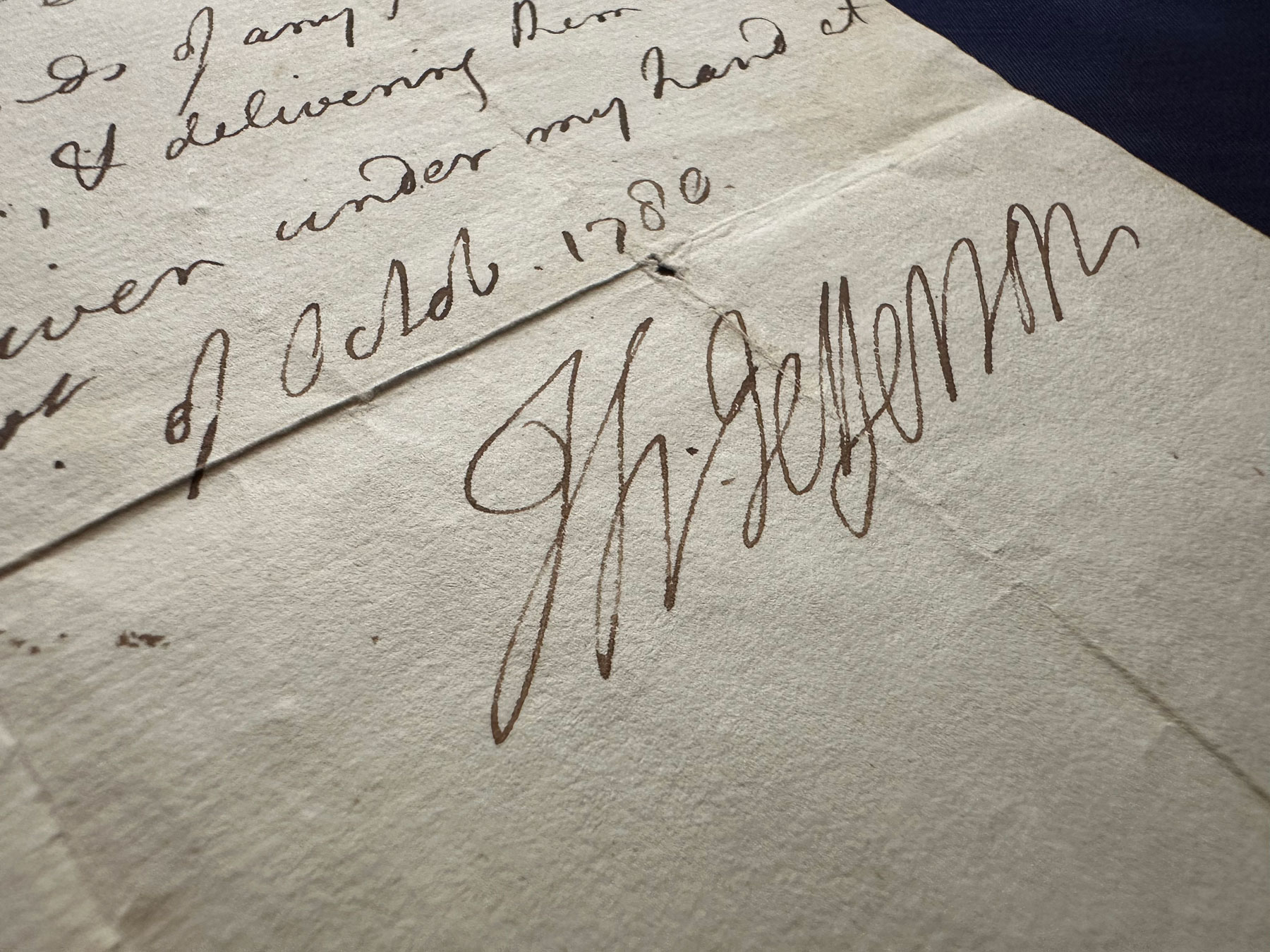
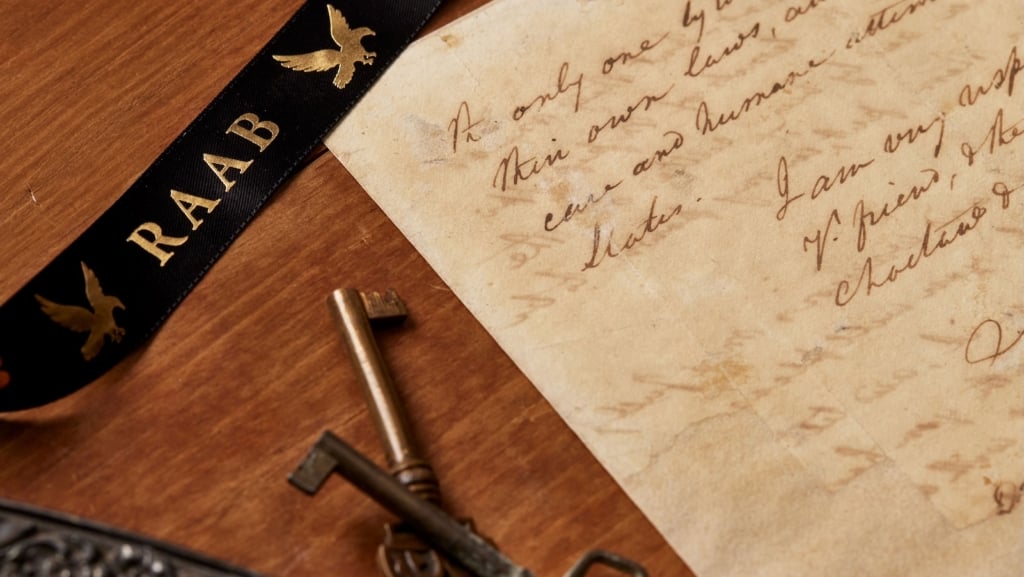
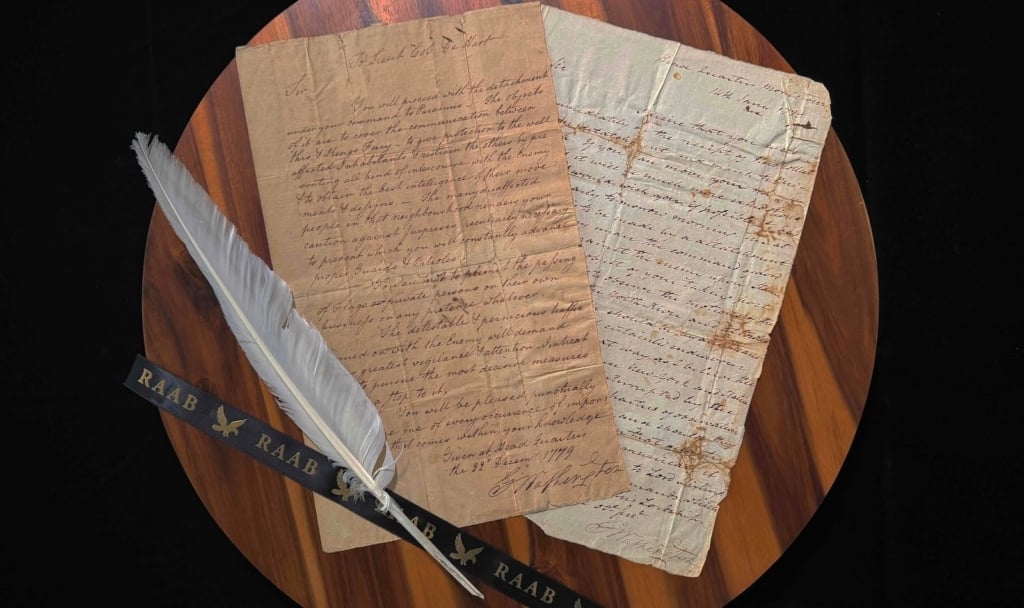
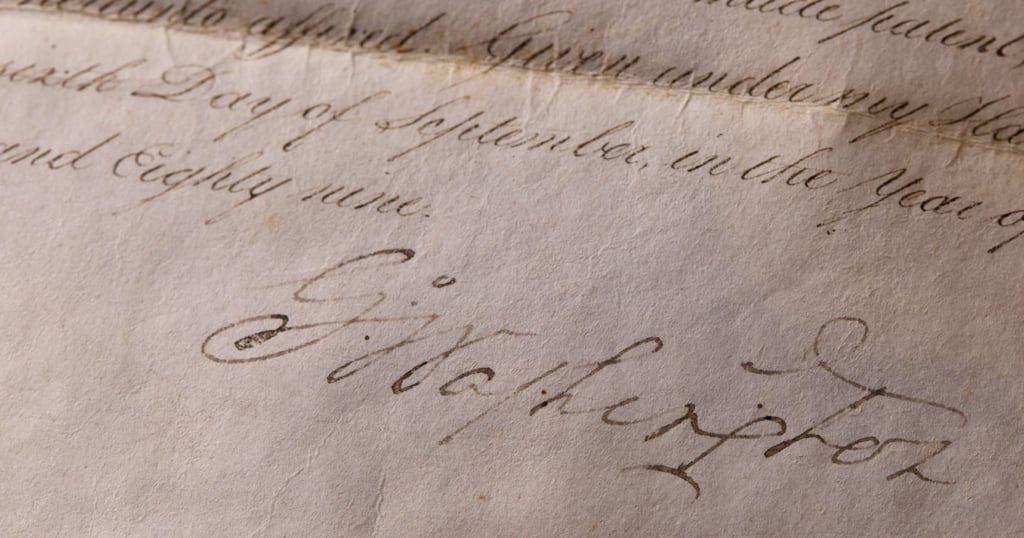
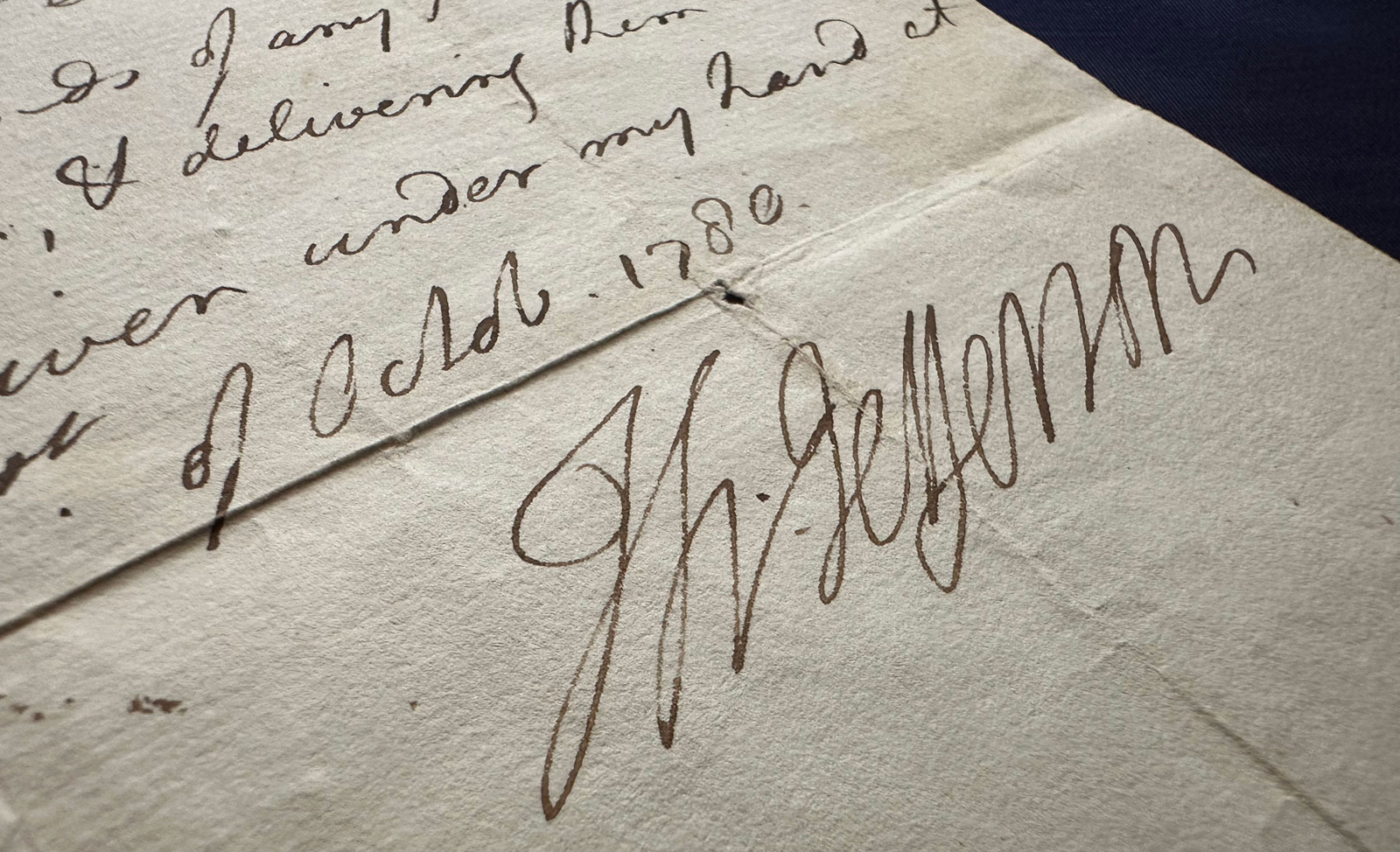
Autograph document signed “Th: Jefferson,” Richmond, October 31, 1780. “All officers civil & military, citizens & others are requested to use their utmost exertions in recovering the public arms in the hands of any persons not authorized to hold them, & delivering them to the County Lieutenants. Given under my hand at Richmond this 31st of Octob. 1780.”
Four days after this, to highlight his point that the arms were essential, he wrote General Weedon, leading his southern defense: “The State of our Magazine renders it essential that we do not lose a single arm. There is no point therefore in which we are obliged to be so rigid as this and the salvation of our country renders that rigour indispensible. We have determined that no militia man who has received a public arm shall ever be discharged from duty till he has delivered such arm to the officer appointed to receive it and obtained his receipt which receipt is to be taken in, to found a debit against the receiving officer, or until he shall give satisfactory proof to the commanding Officer that such arm has been lost by unavoidable accident.”
Events moved quickly after that. General Henry Clinton, the British Commander-in-Chief in North America, directed Leslie to leave Virginia in January 1781 and reinforce British forces under Lord Cornwallis in Charleston, South Carolina. Leslie did so. But Patriot needs for arms in Virginia continued, as also in January 1781, traitor Benedict Arnold’s British fleet sailed up the James River in a campaign that led to their taking of Richmond. Then, after the Battle of Guilford Courthouse in North Carolina in mid-March 1781, Cornwallis moved his substantial forces into Virginia. Thus a major British army was now in that state. But contemporaneous with that, Major General Marquis de Lafayette arrived in Yorktown, Virginia, to start a campaign against the British. Now both Continental Army troops and Virginia militia stood in opposition to the British incursion. The confrontation would culminate in the American victory at Yorktown seven months later.
Significant letters and documents of Jefferson directly relating to the Revolutionary War are rare enough, but we never seen anything like this- Jefferson’s proclamation as governor to procure arms for Virginia for its defense.

Frame, Display, Preserve
Each frame is custom constructed, using only proper museum archival materials. This includes:The finest frames, tailored to match the document you have chosen. These can period style, antiqued, gilded, wood, etc. Fabric mats, including silk and satin, as well as museum mat board with hand painted bevels. Attachment of the document to the matting to ensure its protection. This "hinging" is done according to archival standards. Protective "glass," or Tru Vue Optium Acrylic glazing, which is shatter resistant, 99% UV protective, and anti-reflective. You benefit from our decades of experience in designing and creating beautiful, compelling, and protective framed historical documents.
Learn more about our Framing Services