



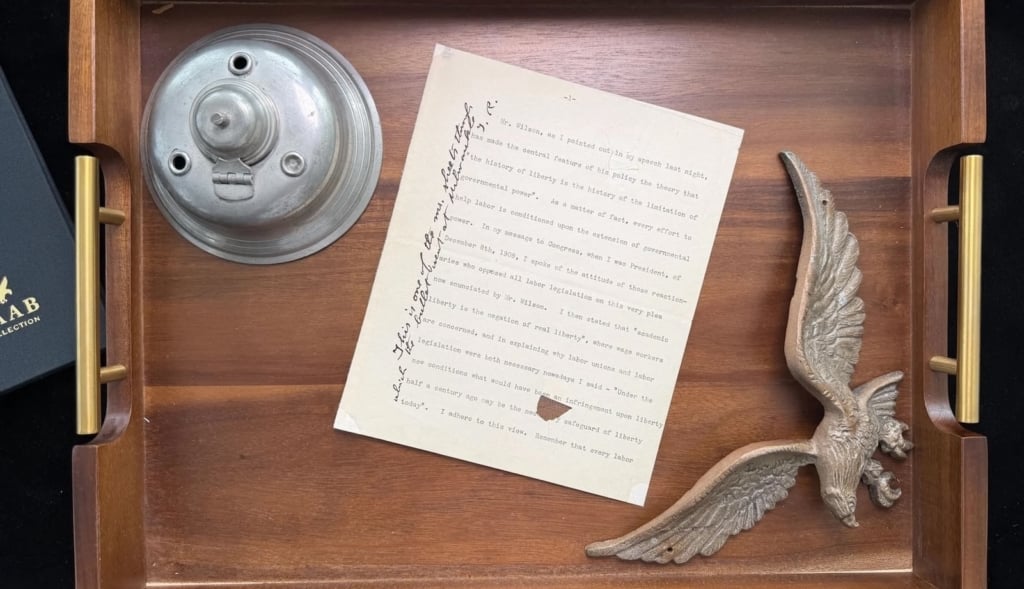
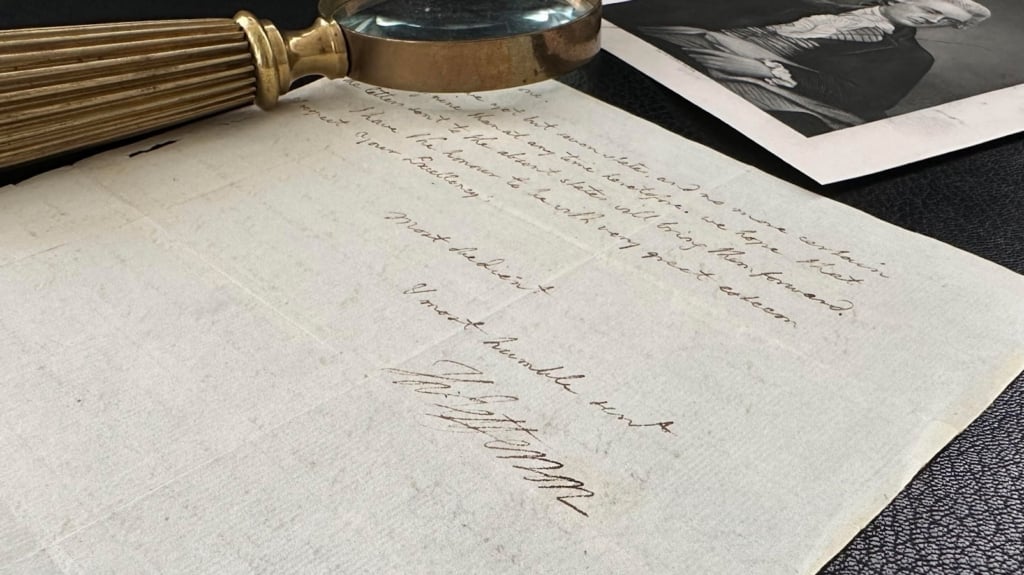
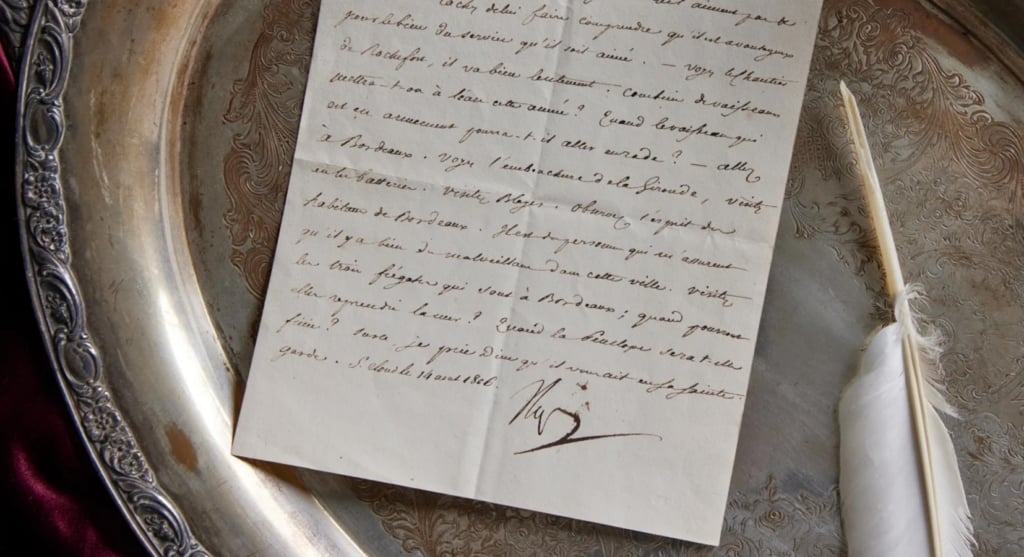
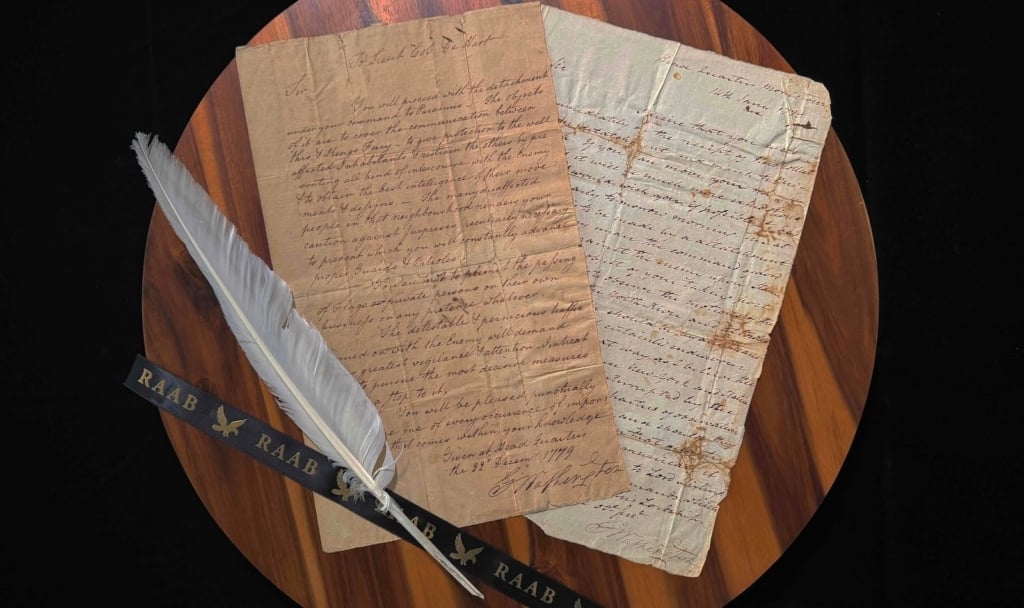
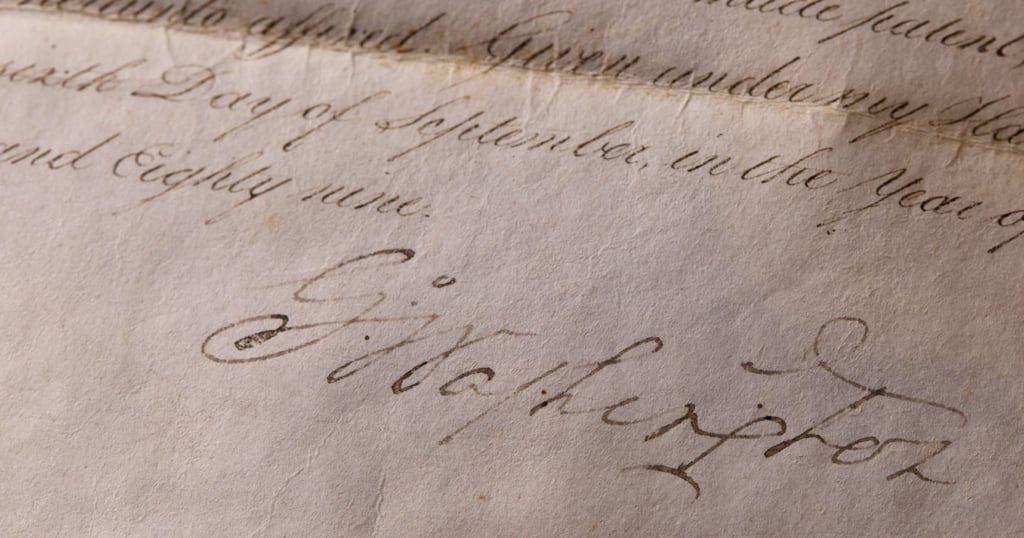
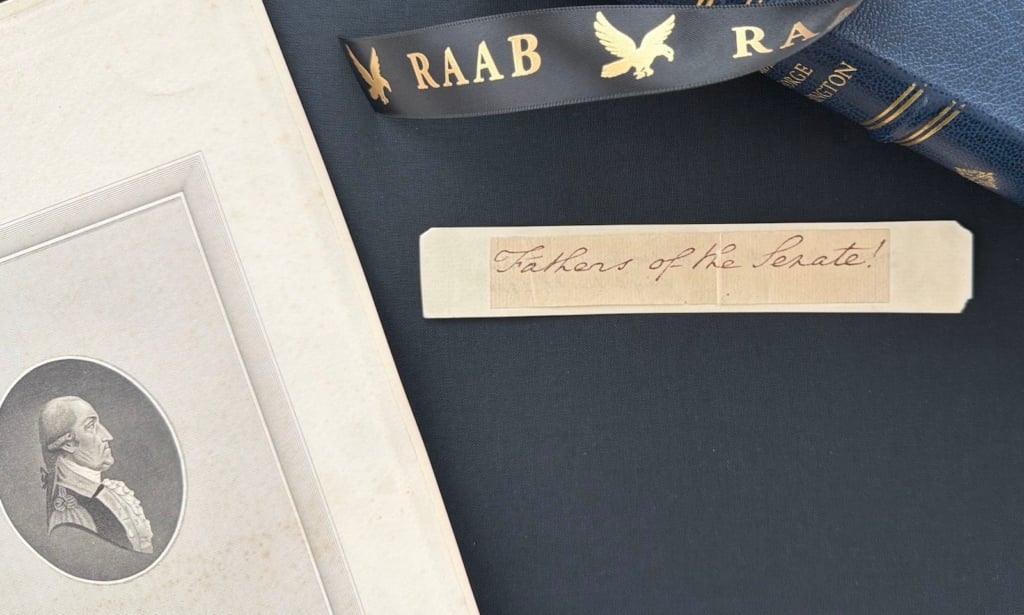
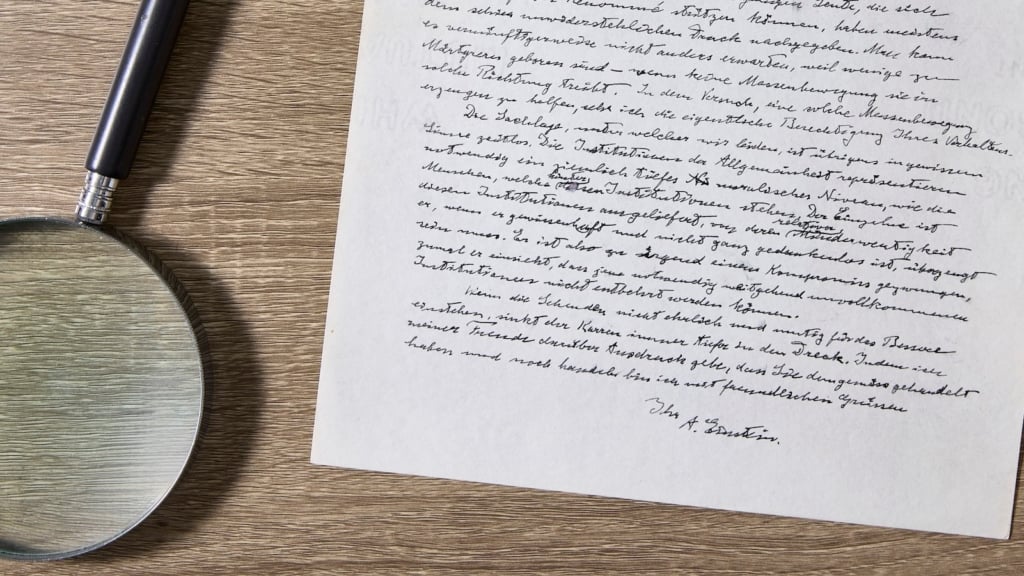


Steven Raab was interviewed on the Inspired by History podcast about the great autograph dealers of the past, such as Walter R. Benjamin, Mary Benjamin, Charles Hamilton, Dr. A.S.W. Rosenbach, and Thomas Madigan, among others.
Listen to the interview below or via your podcast player of choice. Or, if you prefer, read this lightly edited transcript of the conversation with photos and embedded links to more resources.
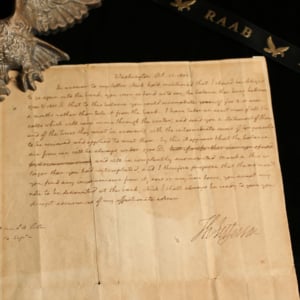
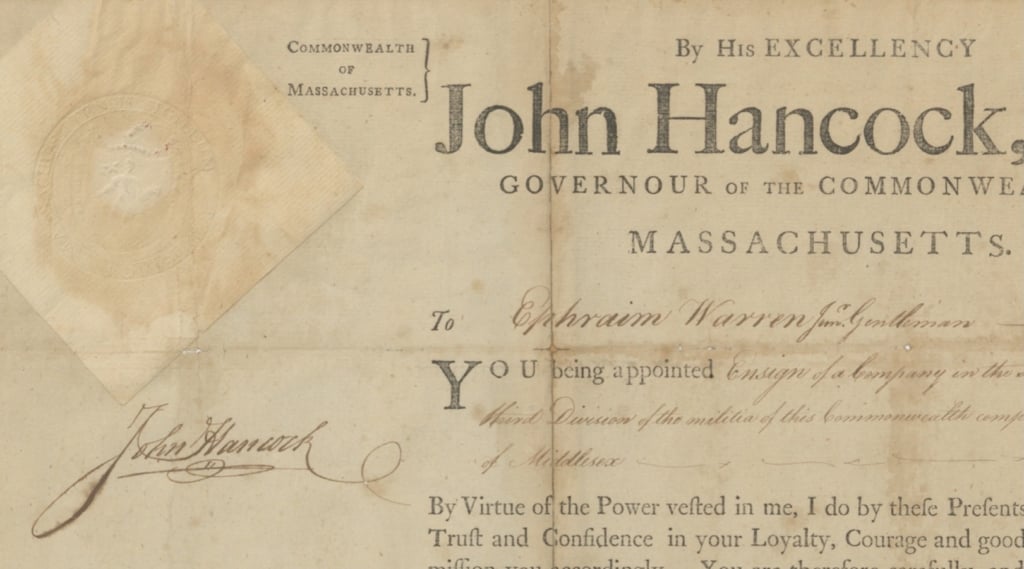
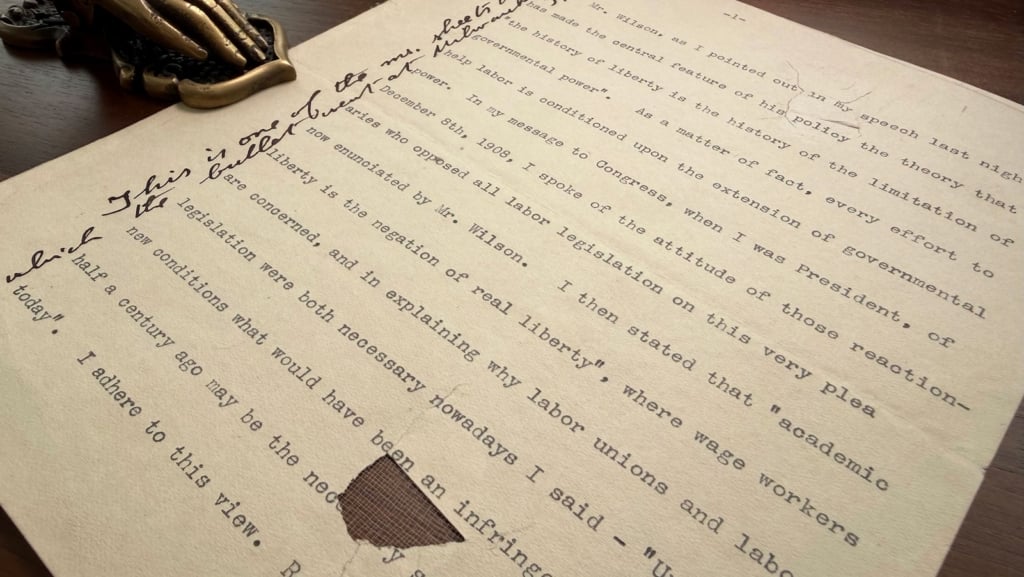
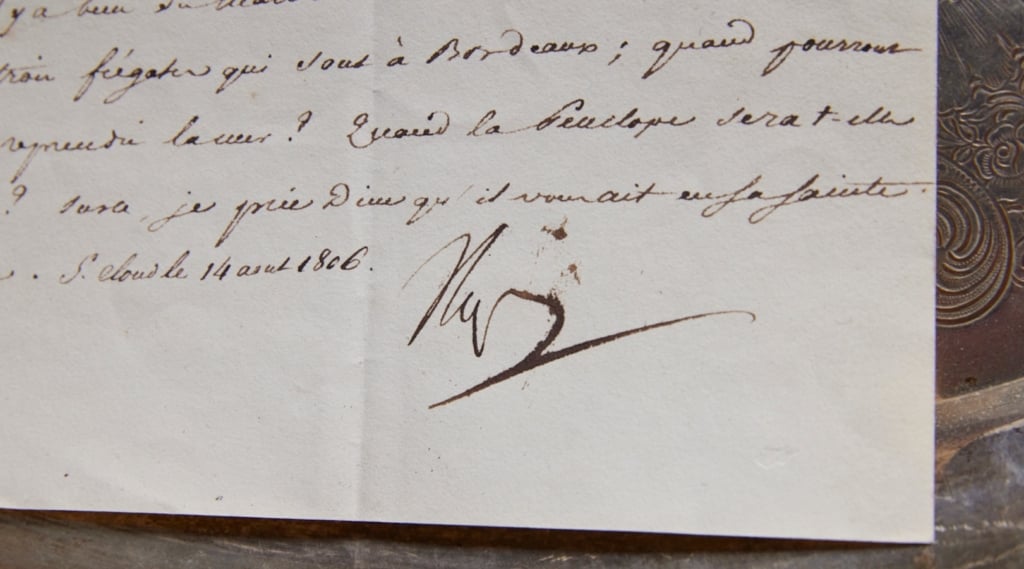
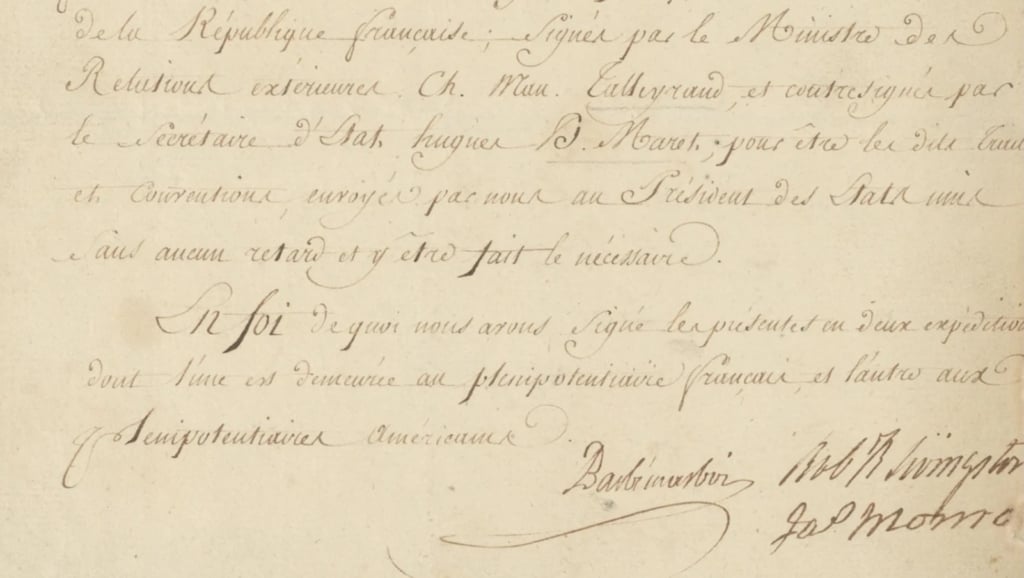
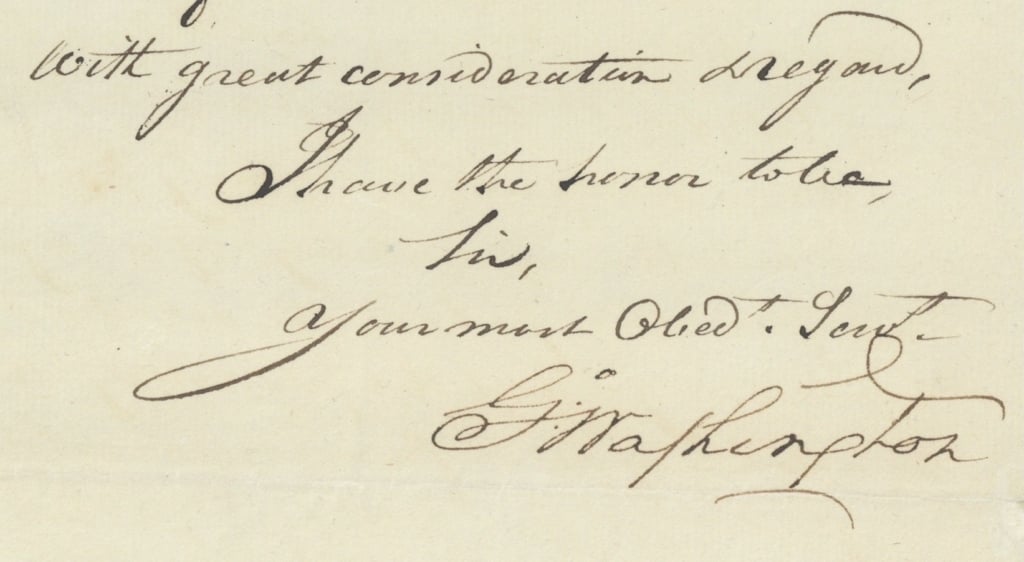
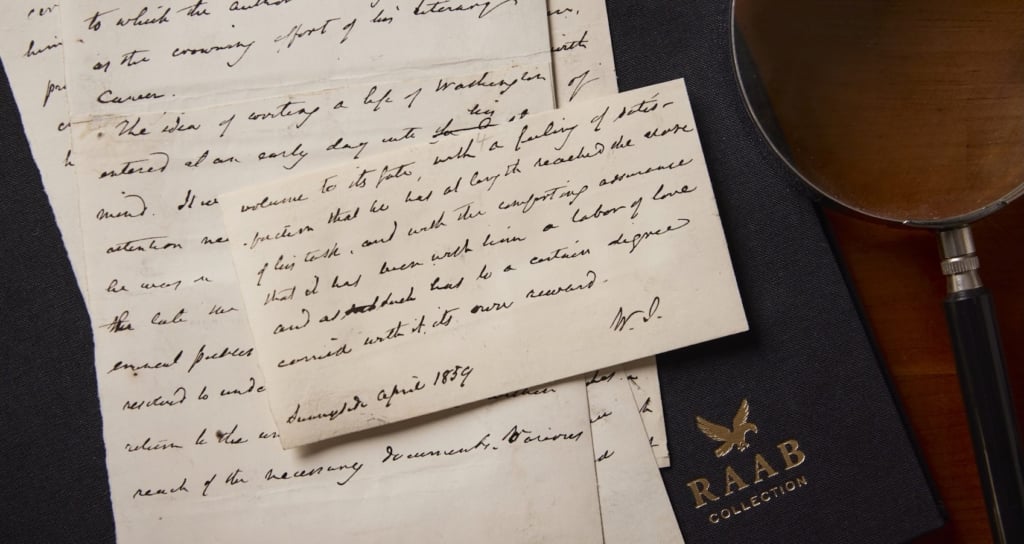
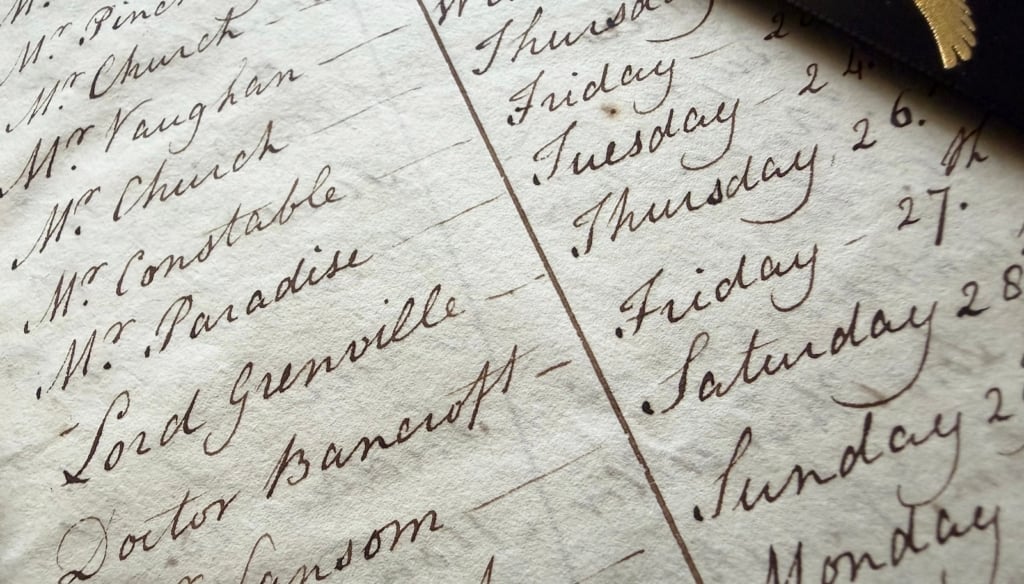
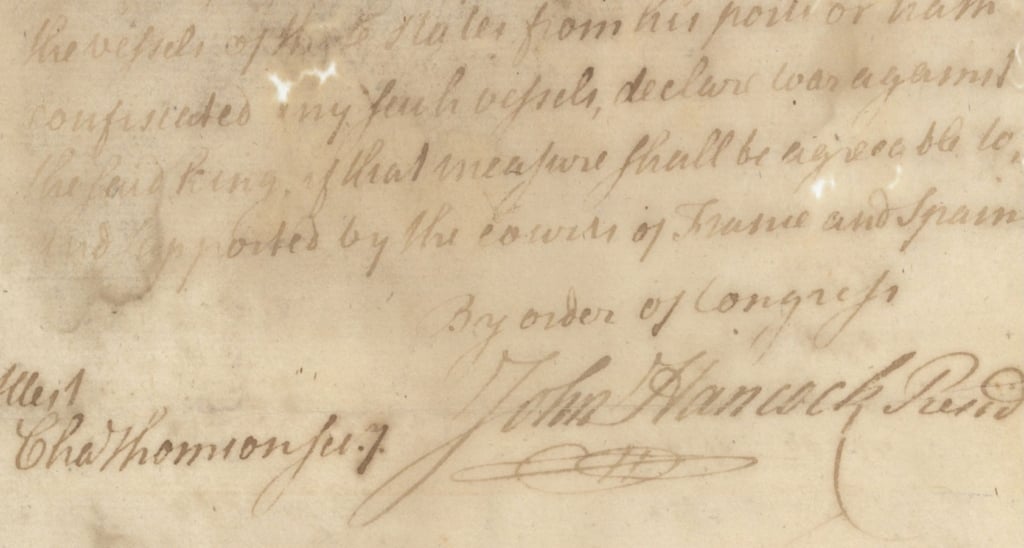
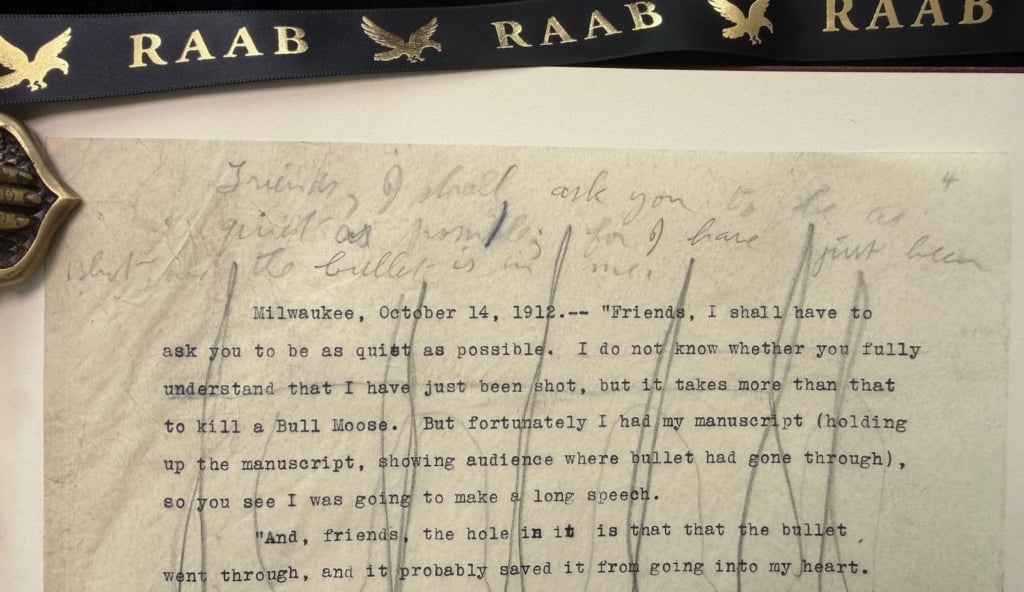
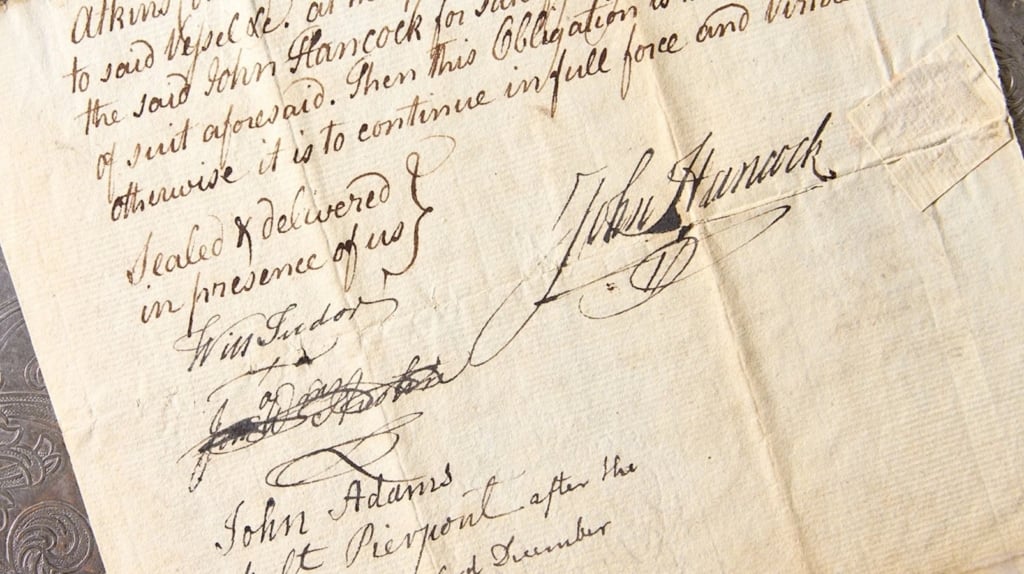
This episode is prompted in part by a recent Raab acquisition, a major collection of Revolutionary War documents put together by a man in the mid-20th century and passed down through his family for 75 or 80 years. Nathan and Steven are still researching and preparing the documents in this collection for sale, but one of the first things they noticed was that this man bought many of his treasures from some of the great autograph dealers of the past. I take it that’s a good sign, Steven?
Steven: It’s a very good sign.
Let’s start with the Benjamin family, which begins with Walter Benjamin, I’m guessing? Tell me about him. What’s interesting about him?
Steven: Actually, I’m going to go one generation back. I’m going to start with his father. There was a literary lion of the mid-19th century named Park Benjamin. Park Benjamin was friends with and had access to all of the great literary figures and a lot of the great political figures of the day. So his young son, Walter Benjamin, was growing up in a household where one day Ulysses S. Grant would show up, and the next day it would be Henry Wadsworth Longfellow.
He became passionate about these people, and in 1888, he invented the autograph profession by establishing the first business solely dedicated to finding interesting, important historical documents. He had a tremendous amount of influence. Prior to that, there would be autographs that would come up, but they were usually at book auctions. No one actually saw this as a separate discipline, but he did. So in the late 1880s, ’90s, 1900, he was the lion in the field. A few other people began to come in, mostly in the first decade of the 1900s. You’ll find people that are, um, in other cities like Philadelphia. The Sessler’s Book Company took on autographs. They were very serious about it and very, very reputable dealers.
But back to Walter Benjamin. He had a daughter named Mary, and Mary caught the bug. Mary worked with her father until he couldn’t work any longer, and she kept the Walter R. Benjamin firm going for another 70 or 80 years. I mean, I spoke to her in the 1990s. She was in her 90s. I remember speaking with her a few times and remember our conversations well. It was really a pleasure to just speak with her and get her impressions about things, and she had good taste. The chances that she’d be fooled into buying a forgery were as close to zero as you could possibly get.
This is a bit out of the way, but only a bit out of the way, when I mentioned the Sessler firm becoming an early competitor, they hired a young woman named Mabel Zahn. Mabel Zahn lived for another 60 or 70 years, and when she was beginning to tire and get ready to retire, there was a young man who was very interested in the subject matter, and she mentored him. She taught him the autograph business. Someone who started in 1905 was teaching someone in 1965 the autograph business, and that young man, Neale Lanigan, is the person who taught me the autograph business. So Mabel Zahn is kind of a grandmother to our firm.
That’s incredible. Park Benjamin, was he based in New York or London?
Steven: New York.

So there’s Walter, and then there’s Mary, and Mary carried the firm on through the 20th century really.
Steven: Yes. She did have some help as she was getting older. Her nephew, Chris Jaeckel, came into the firm, and generally speaking, when you called Benjamin to place an order or ask a question, you got Chris. Then every now and then you get lucky and you get Mary.
I did a little research before our interview, and I pulled up Mary’s New York Times obituary, which I’m just going to read a little part of because it’s so wonderful. It says, “Mary Benjamin, an autograph dealer with such an authoritative eye for authenticity and such a sure sense of value that for decades she virtually dictated prices United States collectors paid for the writings of presidents, poets, and other prominent people. She was 93 and had been so widely recognized as the nation’s leading document authority that she regularly received mail addressed simply to ‘The Autograph Lady.'”
Steven: That would make excellent sense.
We can keep talking about the Benjamins if you want, but we could also talk about another dealer who shows up in this collection, that is Charles Hamilton.
Steven: Charles Hamilton started out as a dealer, became an auctioneer, and he had some of the finest material, in an age in which it wasn’t hard to find good material, he would nonetheless go out and somehow find the best stuff. It lasted for a number of decades. He was the first person I personally met in the autograph business when I was, oh, I suppose I was 12 or 13 years old. My parents took me up to New York to see him because we had something, and I wanted to know what it is we had. It turned out to be the personal briefcase of Hannibal Hamlin that he used while he was Lincoln‘s vice president.
I wish I still had that one. So Charles Hamilton was another person who had an enormous influence, and I would say that Mary Benjamin and Charles Hamilton were the great dealers when I came into the field in the ’80s.
Hamilton seems like he was, really trying to bring the hobby into the mainstream. He had books. He was on TV shows and radio shows.
Steven: His books were, and remain, extremely important reference works. I’ve got all of them. I’ve read all of them a number of times. We still use his books for reference. After all these years, no one has stepped to the plate and come up with anything remotely like Charles Hamilton. He made himself an authority, and he made everybody else’s job easier.
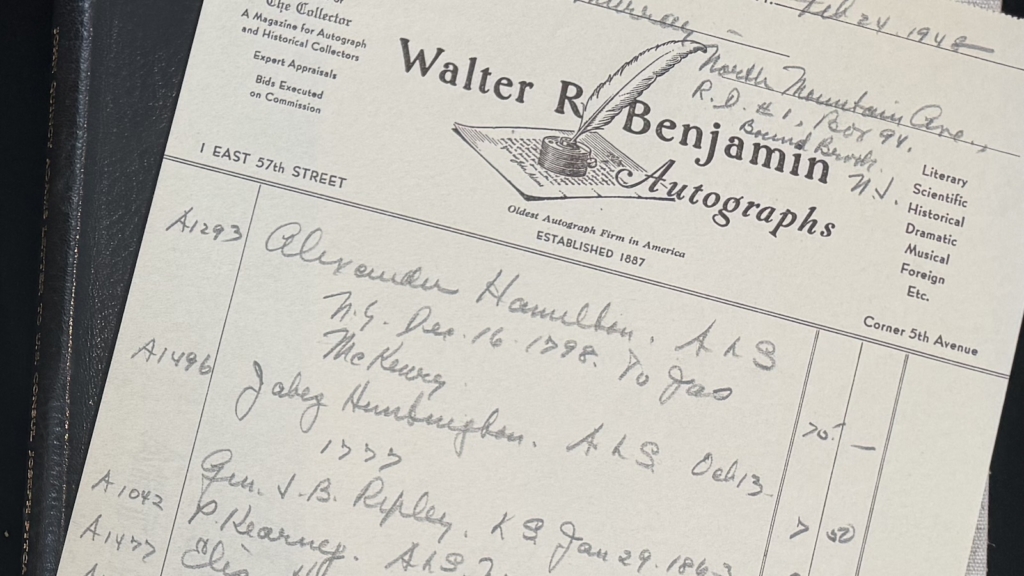
When you’re looking at a collection to buy, what does it mean to you when you see receipts from these legacy firms?
Steven: Well, not only does it make you feel more comfortable about the authenticity, I mean, you’d know that probably anyway, but there’s a comfort level there.
There’s something else: they had very good taste, and so as you can see in this new collection that we got, these pieces are not simply routine, find them every day, no real content, type of pieces. These pieces tend to be extremely interesting, very important. Someone with good taste put that collection together and utilized primarily Mary Benjamin and some of these other people we’re talking about today.
So always a good sign when you get to see the receipts, which you probably don’t get to see very often when you’re assessing a collection?
Steven: No, you don’t get to see them very often at all, and you certainly don’t get to see a whole slew of them like we have here. I think two-thirds or three-quarters of the pieces still have the original receipts from the great dealers.
He was a good record keeper.
Steven: Yeah, that’s for sure.
Who are some of the other mid-century dealers that spring to mind? Not necessarily from this collection, but in general.
Steven: Well, one of them was in Philadelphia, A.S.W. Rosenbach, and Rosenbach put together a great collection and then set up a business, the Rosenbach firm, that was selling the things that he wasn’t keeping himself. But since he was keeping great things, he found other great things, and they were duplicates or whatever, and he sold them. And it usually, again, is a very good sign. Now, when he died, they made his collection into a museum, as you may know. The Rosenbach Museum & Library exists in Philadelphia to this day and has some of the great pieces that Rosenbach collected a hundred years ago.
It’s always been on my list to go, but I never get there. But I absolutely should. I would love it.
Steven: Yeah, you should. It’s got great stuff there really. Another great dealer of yesteryear is Thomas Madigan. He was in the ’20s, ’30s, ’40s. He’s written books. He’s another person whose name I love to see come up.
I’m not sure how recent you want to bring this, but there are, after all, a few dealers who were dealing recently, 10-20 years ago, and are no longer either living or dealing, like Joseph Rubinfine. He was the king of autographs when I was really getting into this, and particularly the kinds of things that we do, Americana. What he didn’t know about autographs! And he was very generous with his advice. You could contact Joe and say, “What does this look like to you? Do you think this is important?” whatever, and he would be right there. Once I was looking through his catalog, and I saw he had John Brown’s will just sitting there in the catalog, and that was just stupefying. So I picked up the phone immediately and called him and got that.
Another name, Bob Batchelder. Nathan met Bob Batchelder at the very end. Bob was really a great dealer who had amazing material, and one day I opened up his catalog, because I made it a practice when I was practicing law: put aside everything when Bob Batchelder’s catalog comes in. You’ll get back to work in a half hour. Take the time right this minute. And there’s a letter of Theodore Roosevelt coining the phrase, “Speak softly and carry a big stick.” So I picked up the phone and called in an order ASAP. I must have been the first person to look at the catalog because they had like 100 orders for that.
That’s how it used to be, right? You had to drop everything, look at the catalog, and call as soon as you could possibly get to a phone.
Steven: One important difference from the old days to today, there’s not as much good material, and there aren’t nearly as many of these classic dealers. There’s very few now. The business has changed. The way everything works has changed, like in every phase of life nowadays. And unfortunately, if you wanted a Abraham Lincoln letter in 1986, there would be 20 people that would have one to sell, and now there might be two.
Do you think the mid-century was the heyday of autograph collecting?
Steven: Yes. It was staggering to see what you could find. Finding things today, as you know, is no easy task.
When I was thinking about this collection recently, I was thinking, if this man who put together this collection could see today the value of these pieces, of his collection, he would just be astounded.
Steven: Well, yeah, the letter he paid $150 for, now, I think, is worth like six figures.
It was a good investment, even though he’s not around to know that.
Steven: No, but it was a very good investment.
Well, thank you, Steven, for sharing this history with us.
Steven: Thank you for asking. I always enjoy thinking of my old friends in the business and how they got us started, and that’s a story in itself.
Yeah, and you’re the torchbearer now.
Steven: It’s true. Hard to believe. Although my friend Neale Lanigan is still with us. I heard from him a few times in the last few weeks. When catalogs would come in, we would meet at Borders for a cup of coffee, and he would go over the catalogs with me and explain to me what to get, and more importantly, what to avoid and why. His knowledge base stretched back to Mabel Zahn. And he would say, “Well, Mabel told me that this stuff came out in about 1940.” I said, “All right. That’s really good to know.” So yeah, we do have him still around. I think Catherine Barnes is still living, but she retired a long time ago.
To learn more about some of the iconic autograph dealers of the early-mid 20th century, read two articles by Steven Raab on the subject: “Legacy: Great Autograph Dealers of the Past” and “Steven Raab Remembers the Great Autograph Dealers,” written on the occasion of his own 35th year in the business.
More episodes of Inspired by History are available here, or on your podcast player of choice.