





A Very Rare Letter from Thomas Paine, Just After His De Facto Banishment From London, Newly Arrived in Paris
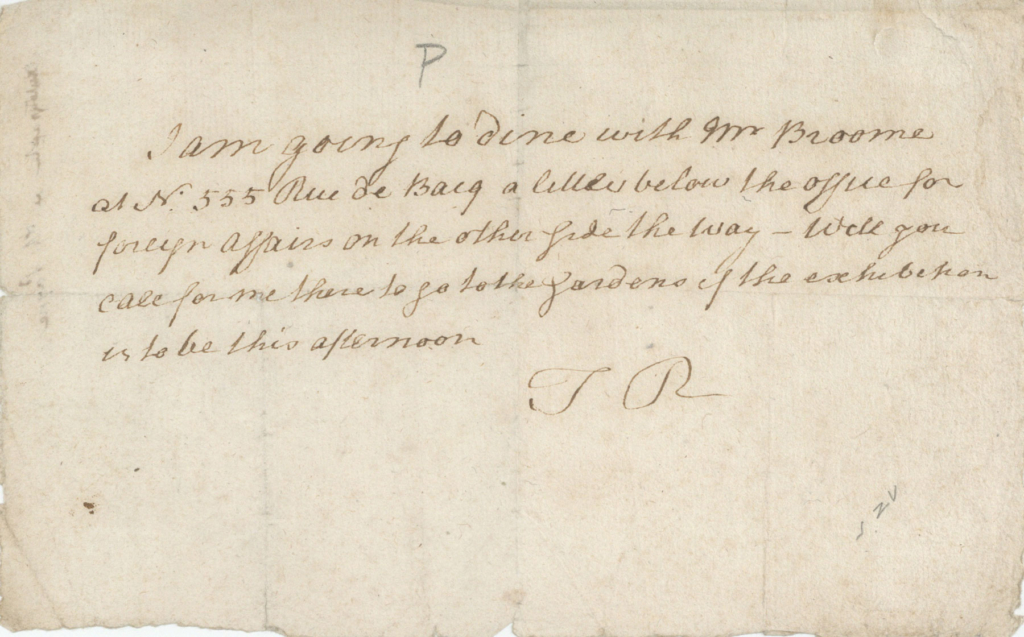

This note shows how Paine mixed political activism with cultural immersion in his new home
Thomas Paine played a pivotal role in shaping public opinion during the American Revolution through his influential pamphlet Common Sense (1776). Written in clear, persuasive language, it argued for complete independence from Britain at a time when many colonists were still undecided. Paine’s work appealed to ordinary people as well as political...
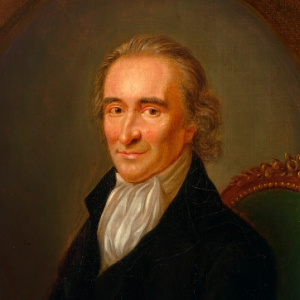
Thomas Paine played a pivotal role in shaping public opinion during the American Revolution through his influential pamphlet Common Sense (1776). Written in clear, persuasive language, it argued for complete independence from Britain at a time when many colonists were still undecided. Paine’s work appealed to ordinary people as well as political leaders, breaking down complex ideas about government, liberty, and natural rights into a form that was accessible to a wide audience. Common Sense not only galvanized support for independence but also helped unify disparate colonial groups around the revolutionary cause, making Paine one of the most important voices in motivating the American people to fight for self-determination and democratic governance.
Thomas Paine left America in 1787 due to a combination of financial pressures, limited opportunities, and a desire to engage with European intellectual life. Despite his fame from works like Common Sense and The American Crisis, Paine struggled to secure a stable income in the newly independent United States.
In London, he became deeply involved in political debates and began publishing Rights of Man, a defense of the French Revolution and a call for democratic reforms. The book was extremely controversial, and its radical ideas drew the ire of the British government. As a result, Paine faced legal persecution and was effectively banished from England, making it unsafe for him to remain. In July 1790, seeking both safety and opportunity to engage more directly with revolutionary politics, Paine relocated to Paris, where he became involved in the early French Revolution.
He also quickly immersed himself in the city’s intellectual and cultural life, engaging with both French revolutionaries and American expatriates. He attended salons, public lectures, and political gatherings where ideas about liberty, democracy, and social reform were debated. Though primarily focused on political activism, Paine participated in cultural events, including exhibitions and civic celebrations, which were intertwined with revolutionary ideals. These activities allowed him to merge cultural engagement with political influence, helping him build a network that supported his work on behalf of liberty and reform in both France and the broader revolutionary world.
Samuel Broome was an American merchant active in the late 18th century, known primarily for his connections in Paris and his correspondence with leading figures of the early United States. Originally from New York or Connecticut, Broome spent time in Paris in 1789, where he met Thomas Jefferson and secured a passport from him, reflecting his involvement in international commerce and American diplomatic circles. Broome acted as a connector among American expatriates and French revolutionaries, and he maintained correspondence with Jefferson and other leaders after returning to the United States.
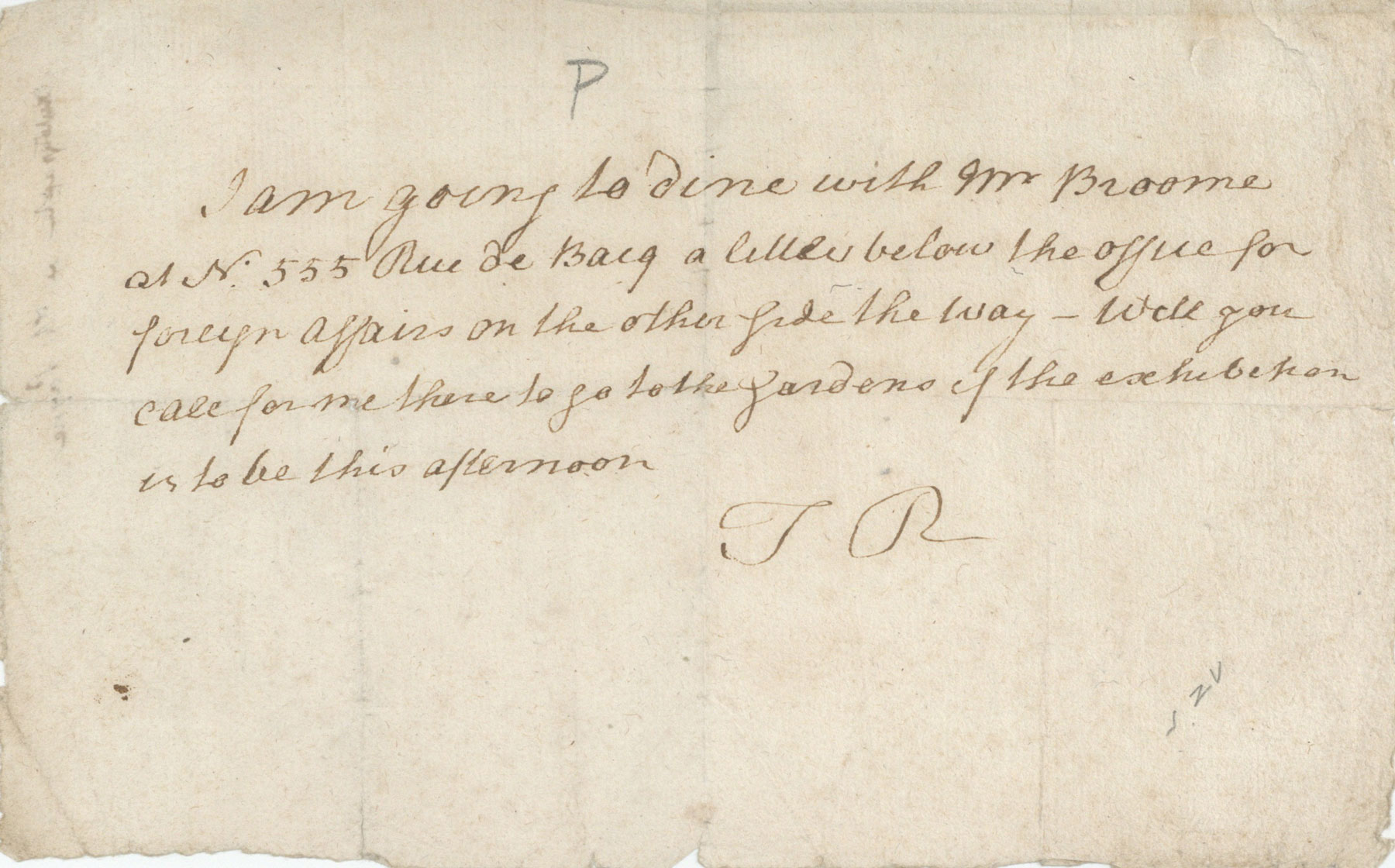
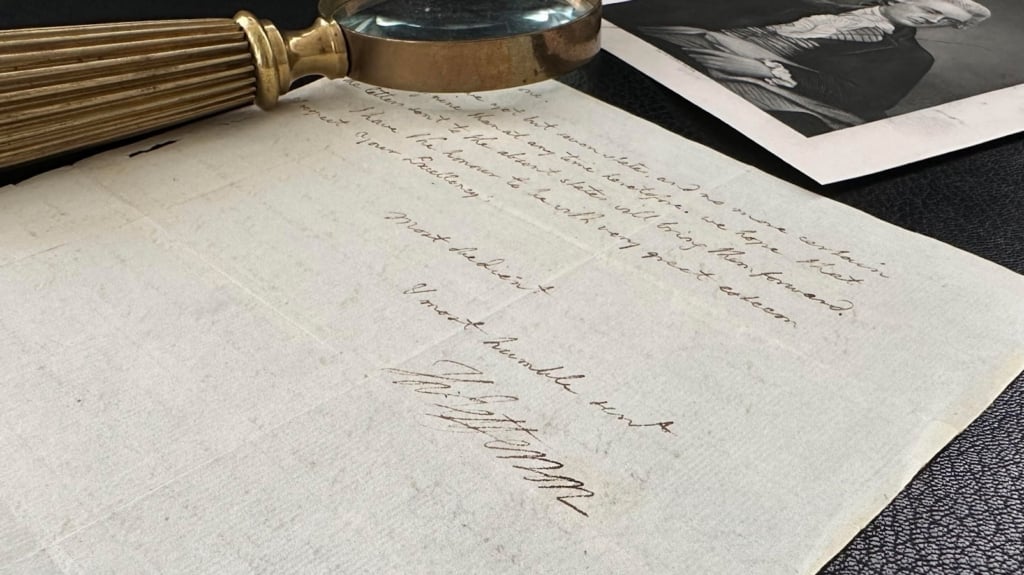
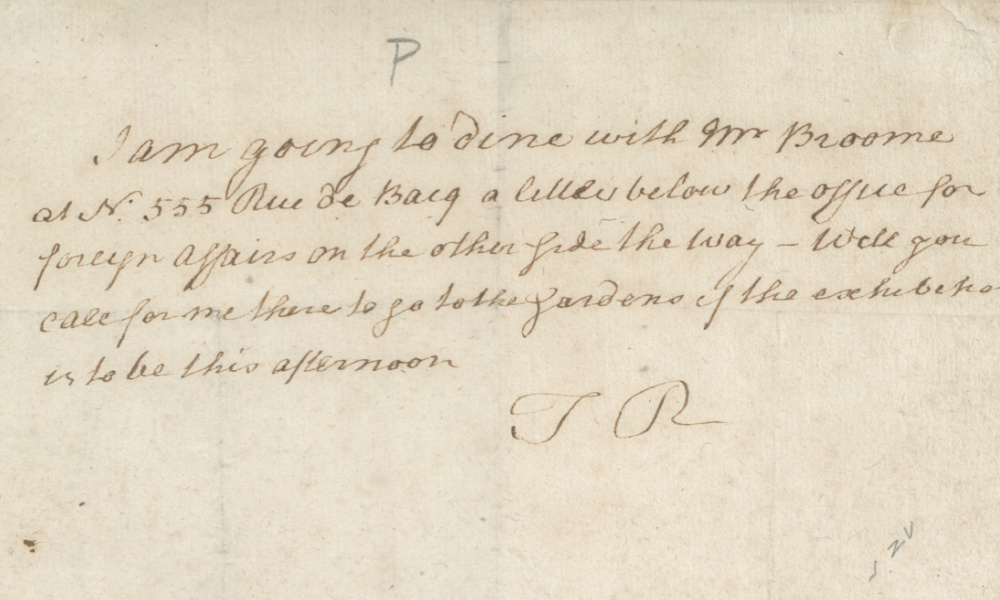
Autograph letter signed, no date but likely late 1790, unknown recipient but clearly a native English and not French speaker, so perhaps James Bonneville, an early supporter and American ex-patriot – signed “T P.” “I am going to dine with Mr. Broome at N. 555 Rue de Bacq a little below the office for foreign affairs on the other side the way. Will you call for me there to go to the gardens if the exhibition is to be this afternoon?”
We know that Broome visited Paris many times through late 1790, before returning back to the states, allowing us to speculate that the letter is from late 1790.

Frame, Display, Preserve
Each frame is custom constructed, using only proper museum archival materials. This includes:The finest frames, tailored to match the document you have chosen. These can period style, antiqued, gilded, wood, etc. Fabric mats, including silk and satin, as well as museum mat board with hand painted bevels. Attachment of the document to the matting to ensure its protection. This "hinging" is done according to archival standards. Protective "glass," or Tru Vue Optium Acrylic glazing, which is shatter resistant, 99% UV protective, and anti-reflective. You benefit from our decades of experience in designing and creating beautiful, compelling, and protective framed historical documents.
Learn more about our Framing Services