


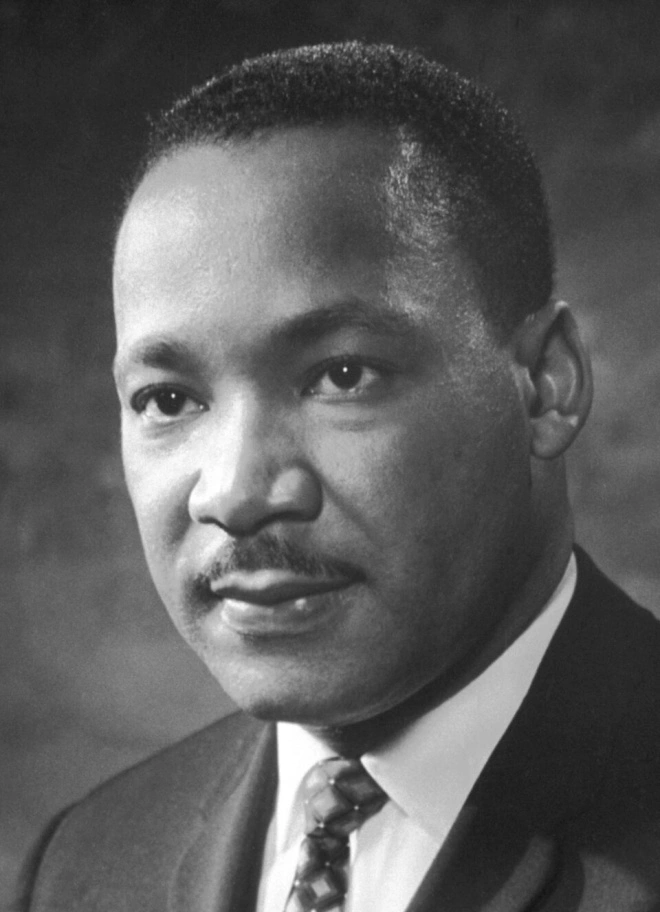




Just after passage of the Civil Rights Act in 1964, Martin Luther King, Jr. Still Sees Racial Injustice Pervading the United States, and Seeks to Shed Light on the Mood of the Minority at That Time


These reasons, he said, explain why he wrote his July 1964 book, “Why We Can’t Wait”
“This book is my humble attempt to shed some light on the difficult problem of racial injustice which still pervades our nation, and to interpret the mood of the Negro at this hour.”
1964 was a momentous year for the civil right movement, and it followed the monumental events in 1963. On...


“This book is my humble attempt to shed some light on the difficult problem of racial injustice which still pervades our nation, and to interpret the mood of the Negro at this hour.”
1964 was a momentous year for the civil right movement, and it followed the monumental events in 1963. On April 12, 1963, Martin Luther King, Jr. was arrested with Ralph Abernathy by Birmingham Police Commissioner “Bull” Connor for demonstrating without a permit. This launched the Birmingham campaign which would prove to be the turning point in the war to end segregation in the South. During the eleven days he spent in prison, King wrote his famous Letter from Birmingham Jail. On May 10, the Birmingham agreement was announced, whereunder the city’s stores, restaurants and schools would be desegregated, hiring of blacks implemented, and charges against civil rights leaders dropped. On June 23, King lead over 200,000 people on a Freedom Walk in Detroit. Then came the most famous moment in King’s long career and long struggle: The March on Washington for Jobs and Freedom, which took place in Washington, D.C., on August 28, 1963. Attended by some 250,000 people, it was the largest demonstration ever seen in the nation’s capital up to that time, and one of the first to have extensive television coverage. During that march, King delivered his “I Have a Dream” speech, which remains one of the most famous speeches in American history. In it, he spoke of an America where his children “will not be judged by the color of their skin but by the content of their character.” He followed this with an exhortation to “let freedom ring” across the nation. The impact of all of this on the American people was enormous, and you could see people’s perceptions changing. Now King’s agenda came to the front and center of the national consciousness.
Time magazine saw King as the personification of the Civil Rights Movement, and in its January 4, 1964 issue, gave him Man of the Year honors for 1963. In that issue, the cover featured a portrait of King by artist Robert Vickrey, and a seven-page article that highlighted King’s leadership in the civil rights movement. It featured pictures of King during some of the most memorable moments of his civil rights career. But winning the man of the year award in January 1964 was not the only great accomplishment for King that year. He also played a key role in the passage of the landmark Civil Rights Act of 1964, signed in July of that year, which outlawed segregation in public facilities. This was a high point in the civil rights movement. That same month, King wrote his book, “Why We Can’t Wait”, to document the 1963 Birmingham campaign and the urgent need for civil rights. Then, in October 1964, King became the youngest person at the time to win the Nobel Peace Prize at age 35 for his nonviolent struggle against racism.
During the Sixties, Polly Bee of Ojai, California, was in the vanguard of the women’s liberation and gay rights movements and was a fierce advocate for fair treatment and dignity of all people regardless of race, gender, ethnicity, socio-economic class or sexual orientation. Starting in the late ’60s, she was a reporter and assistant editor for the Ojai Valley News, a feature contributor for the Ventura Star Free Press and a regional reporter for the Los Angeles Times, winning awards for her work from the California Newspaper Publishers Association and California Press Women. Following her journalism career, Polly entered public service with Ventura County. For a decade, Polly facilitated cooperation between the County, businesses, cities, the state and federal governments and special districts, and advocated for constituents throughout Ventura County getting them answers and needed help. Her proudest accomplishments were overseeing County efforts to help the residents of Piru and La Conchita recover from devastating natural disasters, and helping farm worker families displaced from their residences at large agricultural operations in the Santa Clara River Valley.
In September 1964, Bee wrote King a letter of support and approval for his book, policies and successes. He wrote back with thanks and addressing why he wrote the book. It is a great insight into what he was thinking at the time.
Typed letter signed, on his SCLC letterhead, Atlanta, September 22, 1964, to Miss Polly Bee. “This is to acknowledge receipt of your very kind letter of recent date. I am deeply grateful to you for your thoughtful words concerning my recent book, WHY WE CAN’T WAIT.
“This book is my humble attempt to shed some light on the difficult problem of racial injustice which still pervades our nation, and to interpret the mood of the Negro at this hour.”
An important and insightful letter on the state of discrimination in the U.S. when the Civil Rights Act was passed, and how King saw the feelings of Negroes at that moment of history.

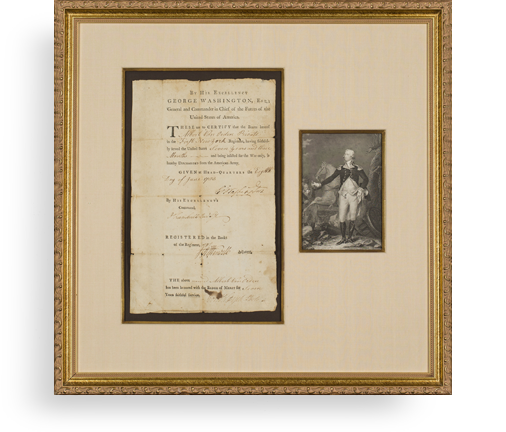
Frame, Display, Preserve
Each frame is custom constructed, using only proper museum archival materials. This includes:The finest frames, tailored to match the document you have chosen. These can period style, antiqued, gilded, wood, etc. Fabric mats, including silk and satin, as well as museum mat board with hand painted bevels. Attachment of the document to the matting to ensure its protection. This "hinging" is done according to archival standards. Protective "glass," or Tru Vue Optium Acrylic glazing, which is shatter resistant, 99% UV protective, and anti-reflective. You benefit from our decades of experience in designing and creating beautiful, compelling, and protective framed historical documents.
Learn more about our Framing Services
