







Secretary of the Treasury Alexander Hamilton Seeks to Ease Domestic Commerce Under the New Coasting Act, Issuing an Official Opinion On a Foundational Law of the First Congress


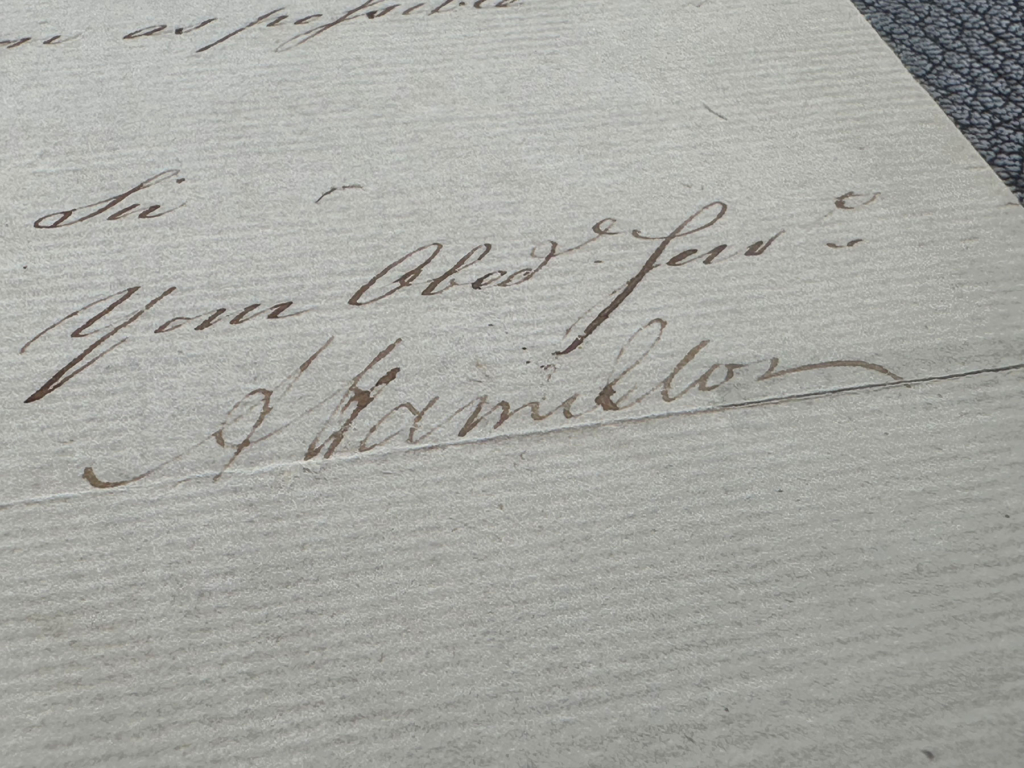

He also warns his agents to be wary of fraud: "I am sensible that this indulgence is liable to abuses which may prove injurious to the Revenue and must therefore recommend to you as strict an attendance as possible to detect and defeat them."
To speed interstate commerce by sea, the primary means of such commerce, ships contents need only be checked in certain circumstances and not at every single port
“Upon due examination I am of opinion, that this is only required by the Law whose Vessels of the above description arrive at the...


To speed interstate commerce by sea, the primary means of such commerce, ships contents need only be checked in certain circumstances and not at every single port
“Upon due examination I am of opinion, that this is only required by the Law whose Vessels of the above description arrive at the particular port or place where the Collectors or other Officers of the district actually resides…”
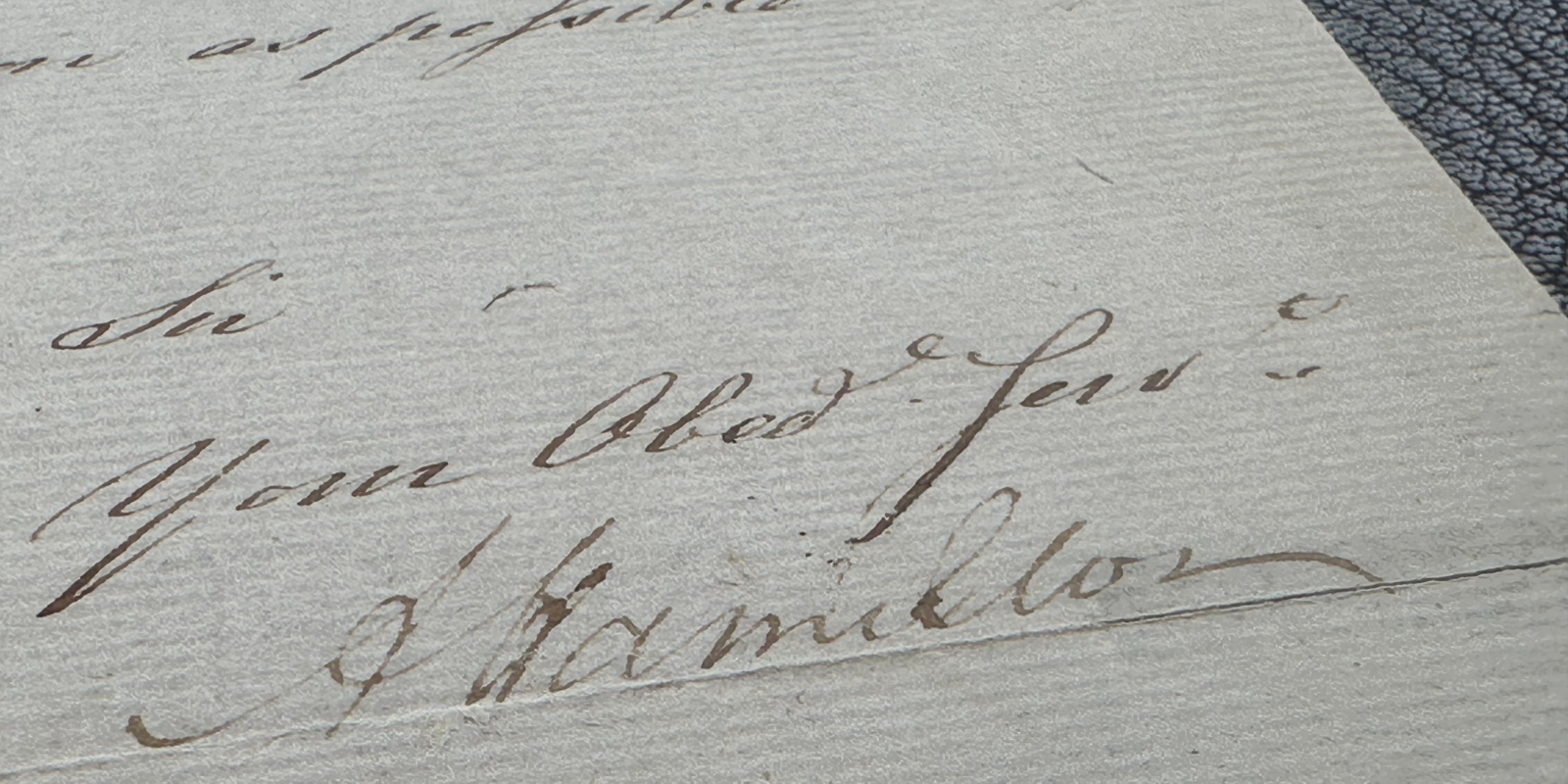
Alexander Hamilton, first Secretary of the Treasury, played a crucial role in shaping the nation’s financial system. He also authored numerous influential reports to promote public credit and manufacturing. Hamilton submitted his famed first Report on Public Credit to Congress in January 1790. This report outlined his plan for managing the nation’s debt, including consolidating the debts of the states and the federal government and assuming state debts.
A key plank of Hamilton’s platform was a system of duties, tariffs, and excise taxes on goods from abroad, designed to raise revenue and promote American industries by making imports more expensive than domestic products. The Tariff Act of 1789, which imposed a tariff on most imports, was already in effect when Hamilton took office, but he sought to increase these duties and implement new excise taxes.
However, Hamilton also was interested in regulating trade domestically between the individual states. The Coasting Act of 1789 (officially “An Act for Registering and Clearing Vessels, Regulating the Coasting Trade, and for Other Purposes”) was a law that required merchant ships to stop and register at each non-adjacent state’s customs house along the coast, essentially creating a permit and trade barrier between the states. At a time when most major commerce happened by sea, this was no minor piece of legislation. The Coasting Act of 1789 was a foundational piece of legislation passed by the First Congress. It primarily focused on establishing a system for registering and clearing vessels, regulating trade between U.S. ports, and promoting American shipping.
There was significant opposition to the law, and in 1790 Hamilton offered an interpretation of the Coasting Act that limited its applicability.
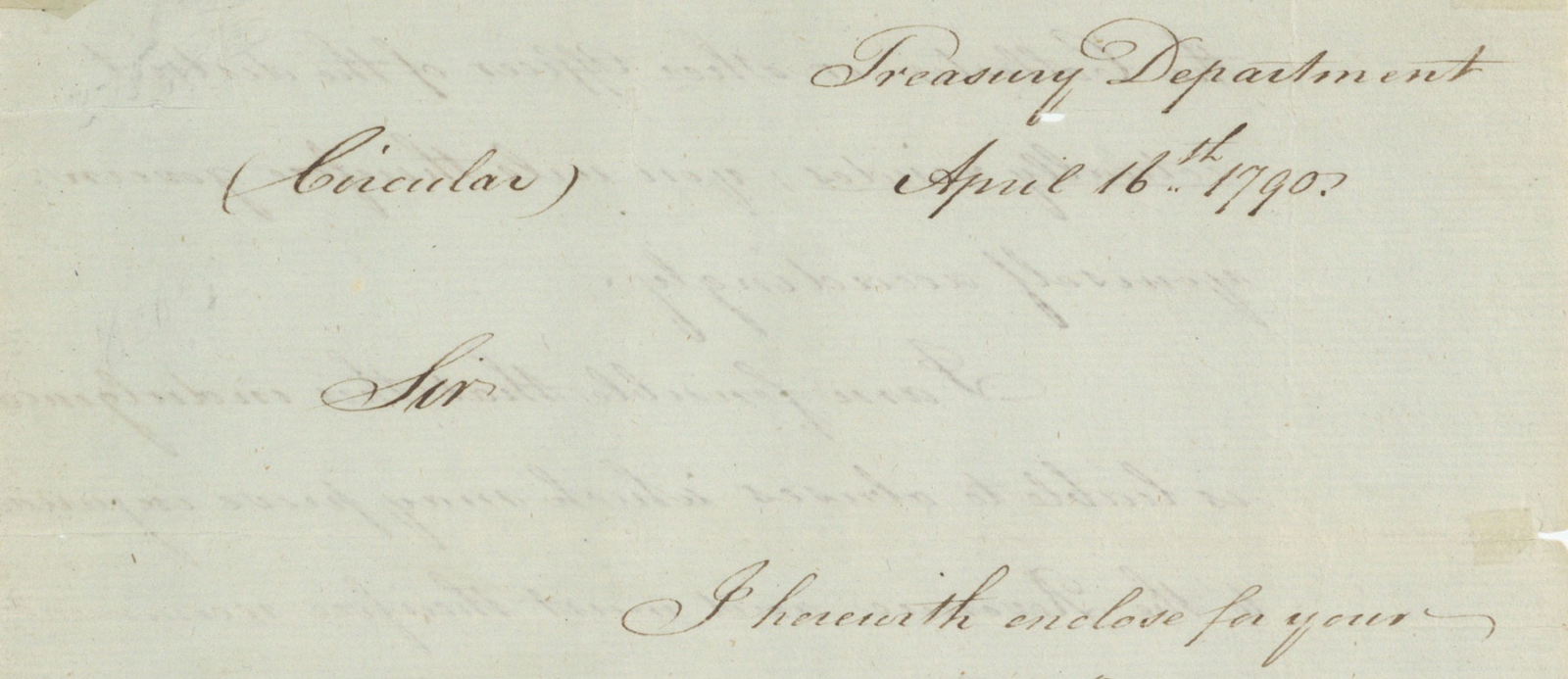
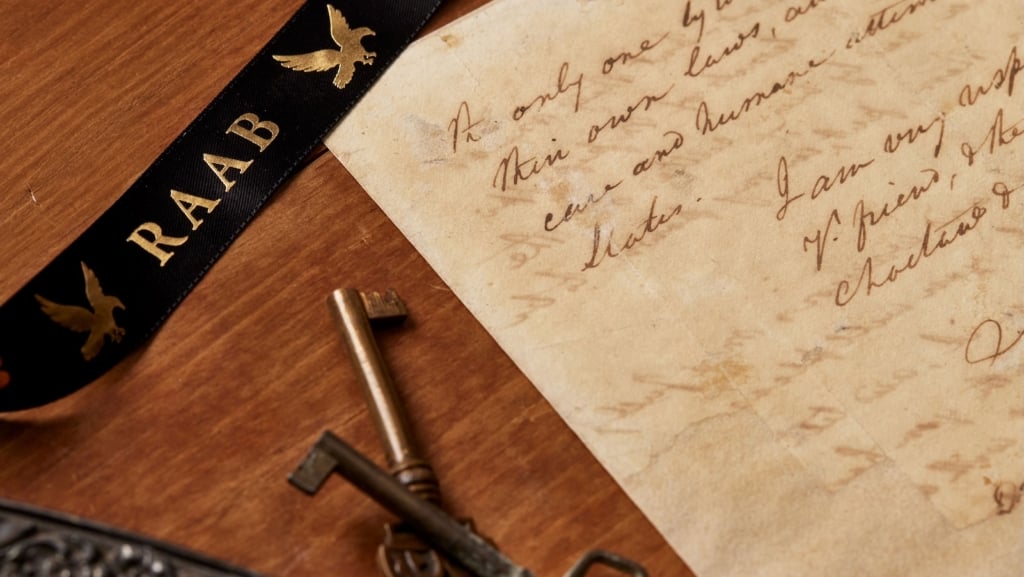
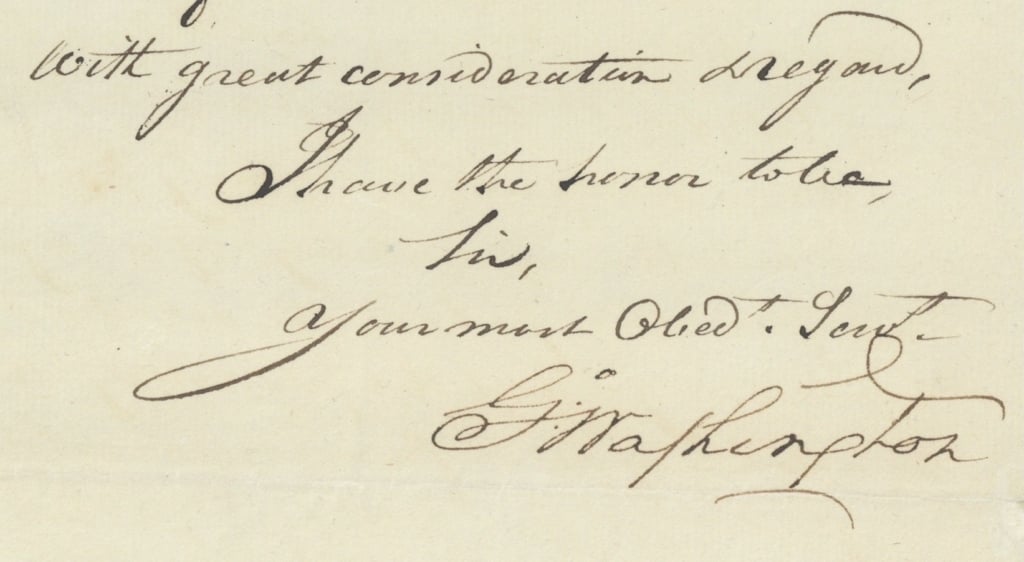
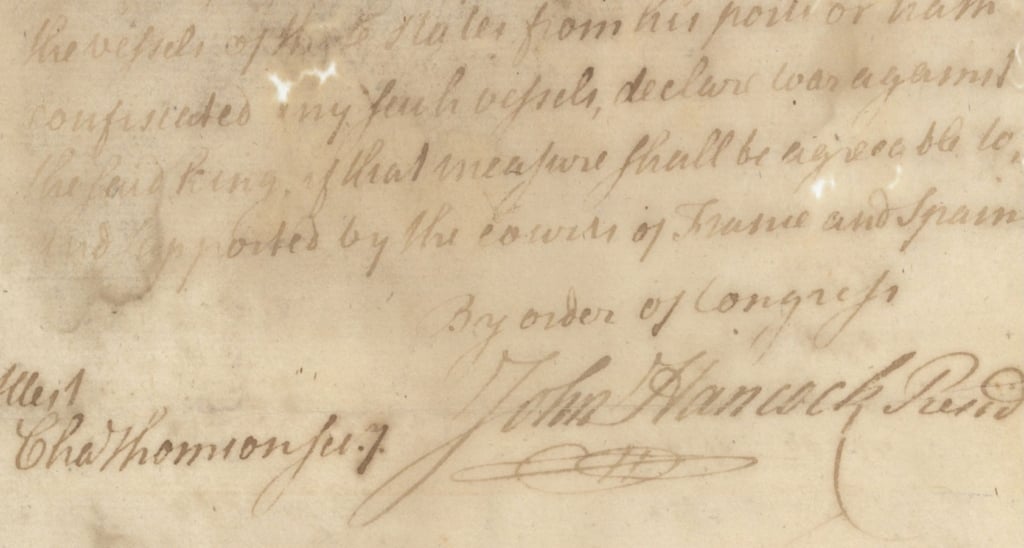
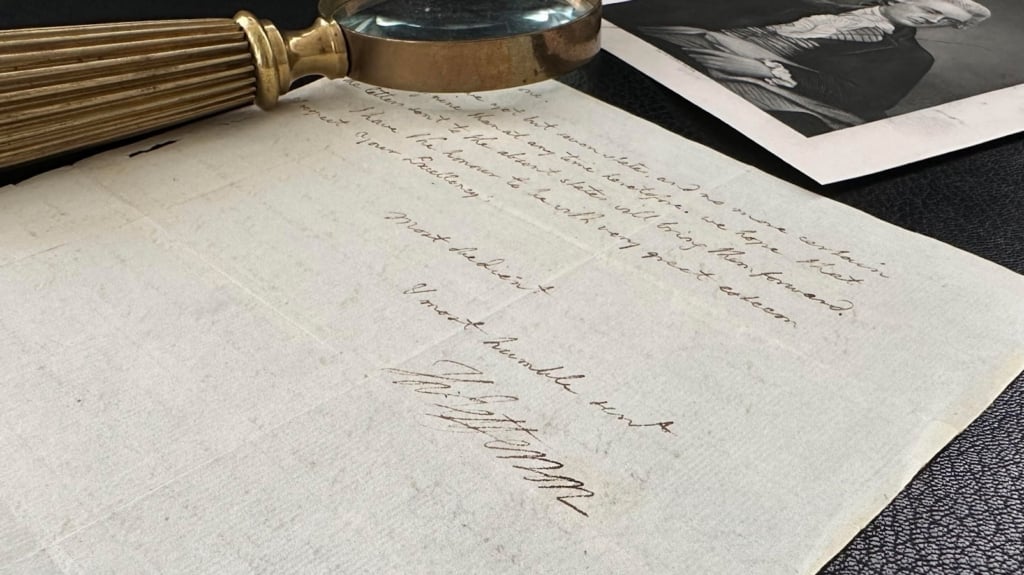
Letter signed “A. Hamilton,” New York, April 16, 1790. A Treasury Department circular letter sent to the Collectors at the ports around the country, enclosing a new exportation law that passed Congress on April 2, 1790, and simplifying interstate trade under the Coasting Act by enabling many ships to deliver their cargoes without a customs registration or permit. “I herewith enclose for your government an act entitled ‘An Act to prevent the exportation of goods not duly inspected according to the laws of the several States.’ I observe that the 27th and 28th Sections of the Coasting Act have by some of the Officers of the Customs been so construed as to require, that all licensed vessels of the burthen of twenty tons and upwards bound to any port within their respective districts should obtain a permit to land their Cargoes previous to breaking bulk.
“Upon due examination I am of opinion, that this is only required by the Law whose Vessels of the above description arrive at the particular port or place where the Collectors or other Officers of the district actually resides; you will therefore govern yourself accordingly. I am sensible that this indulgence is liable to abuses which may prove injurious to the Revenue and must therefore recommend to you as strict an attendance as possible to detect and defeat them.”
The customs system continued to be on his mind. A week later, on April 23, 1790, Hamilton communicated his ‘Report on Defects in the Existing Laws of Revenue’ to Congress. In it, he enumerated more than thirty wide-ranging points of weakness—ranging from inconvenient duties to the organization of the collection system as a whole. In that report, he commented on the emoluments offered to collectors and how they might lead to corruption: “The Secretary considering it as an essential rule, that emoluments of office should not be extended by construction or inference beyond the letter of the provision, lest a door should be opened to improper exactions, has instructed the Officers of the Customs to govern themselves by a literal interpretation of the several clauses of this section; the consequence of which, however, is, that equal services are unequally recompensed.”
Opposition to the Coasting Act continued, and it was repealed in 1793.

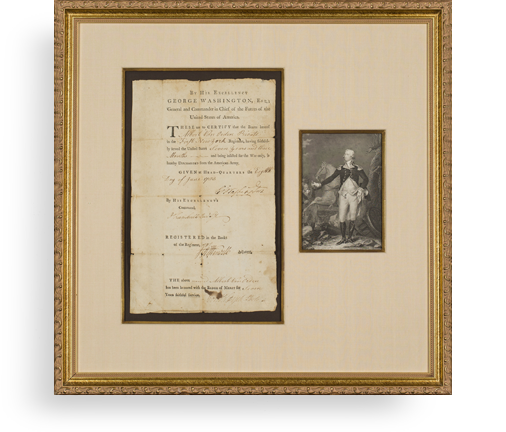
Frame, Display, Preserve
Each frame is custom constructed, using only proper museum archival materials. This includes:The finest frames, tailored to match the document you have chosen. These can period style, antiqued, gilded, wood, etc. Fabric mats, including silk and satin, as well as museum mat board with hand painted bevels. Attachment of the document to the matting to ensure its protection. This "hinging" is done according to archival standards. Protective "glass," or Tru Vue Optium Acrylic glazing, which is shatter resistant, 99% UV protective, and anti-reflective. You benefit from our decades of experience in designing and creating beautiful, compelling, and protective framed historical documents.
Learn more about our Framing Services


