







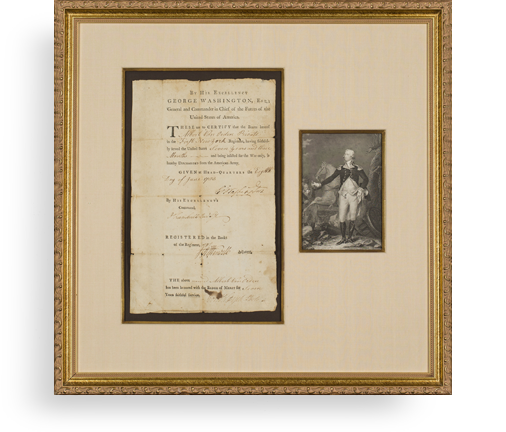
George Washington Gives Official Notice of Completion of the “Second Declaration of Independence”

This was a system of tariffs and collections to finance the new U.S. government, and make it free of dependence on foreign funding
The bill referenced by Washington in this notice was only the fifth ever passed by Congress
Act of Congress notifications signed by Washington are a real rarity. We have never had another in all our decades on this field.
The Revolutionary War was brought on by customs disputes. The Townsend Acts...


The bill referenced by Washington in this notice was only the fifth ever passed by Congress
Act of Congress notifications signed by Washington are a real rarity. We have never had another in all our decades on this field.
The Revolutionary War was brought on by customs disputes. The Townsend Acts were passed by Parliament in 1767 to raise money and placed customs duties on colonial imports of lead, glass, paper and tea. The colonies refused to pay the levies claiming they had no obligation to pay taxes imposed by a Parliament in which they had no representation. In response, Parliament retracted the taxes with the exception of the duty on tea – this remaining duty demonstrating Parliament’s right to tax the colonies.
The tea tax became the focal point of the colonists’ anger, and in Boston a group of citizens dressed as Indians showed their opposition by dumping tea into the harbor. Colonial resistance had resulted in damage to private property and Britain felt that it could not let this episode (known as the Boston Tea Party) go unpunished. The result in 1774 was the Intolerable Acts, one of which closed the port of Boston. This action, and the resulting determination of the other colonies to make common cause with Massachusetts, led to the calling of the First Continental Congress. The very first grievance cited in that Congress’s resolves related to the imposition of customs taxes.
Less than two years later, the Second Continental Congress debated and passed the Declaration of Independence. It gave as one of the reasons for independence, “imposing Taxes on us without our Consent.” When in 1789 Congress first assembled under the new Constitution to launch the United States on its proper course, it had one overriding concern: money – where to find it and how to collect it. Without its own source of reliable funds, the U.S. government would be weak and ineffectual, and its very independence, secured through such sacrifice, would be difficult to maintain.
Thus, the first substantive subject taken up in the House of Representatives was a plan of James Madison that would make the nation solvent: impose a duty on imports and create a well-managed agency to ensure its collection. Responding to the urgent need for revenue, Congress quickly passed, and President Washington signed, three laws which together constituted the customs program – the Tariff Act (signed July 4), the Duties on Tonnage Act (signed July 20), and the Regulation of the Collection of Duties Act (signed July 31). With two other laws passed in June and July – one regulating oaths of office, and another establishing a Department of Foreign Affairs – they accounted for three of the first five acts passed by the U.S. Congress.
These customs laws establishing a revenue-generating mechanism were considered so important that the press of the day hailed them as a “second Declaration of Independence.” The laws not merely raised revenue, but established American economic sovereignty through the imposition of the import taxes themselves, while having the effect of protecting infant U.S. industries, and funding federal debt. It accomplished this by imposing 5-15% duties on most imports, favoring American-built ships to stimulate local manufacturing, and creating funds to pay down national debt.
A Resolution of Congress passed on June 5, 1789 had directed that the President inform the various state governors of the passage of acts of Congress, and enclose copies of the acts. Thus, at the start of the Washington administration, it was the procedure for the President to notify the states of such acts of Congress. Washington references this resolution in the below letter.
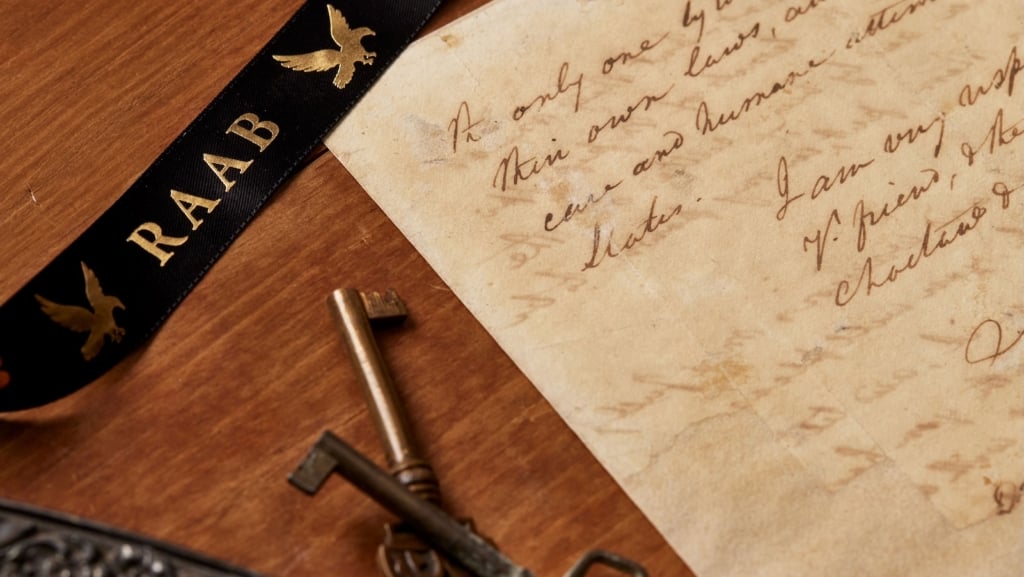
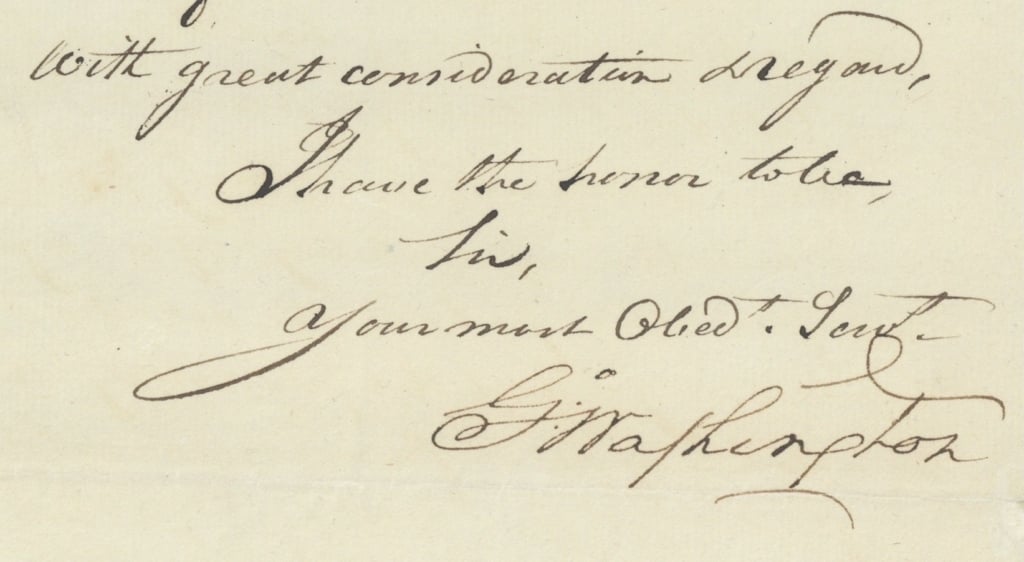
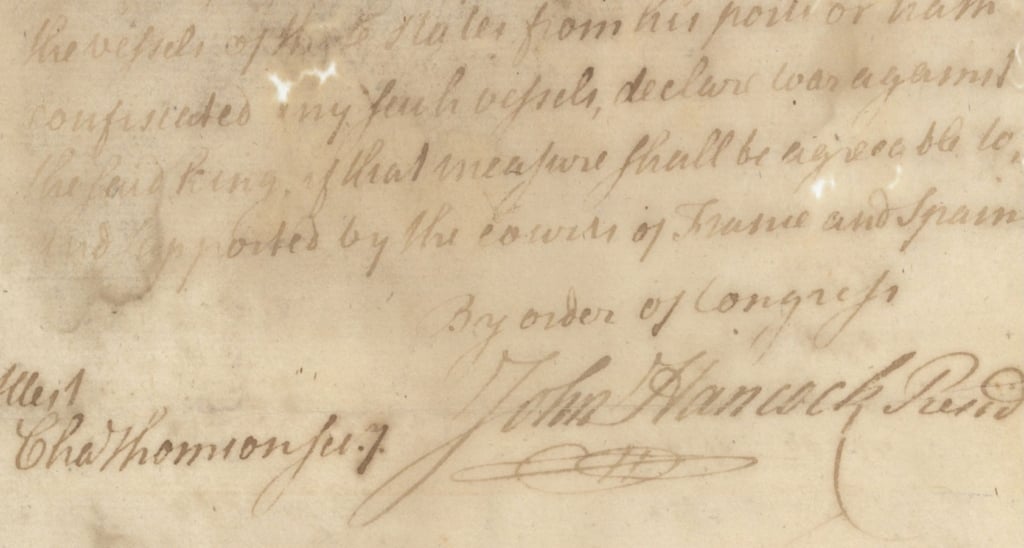
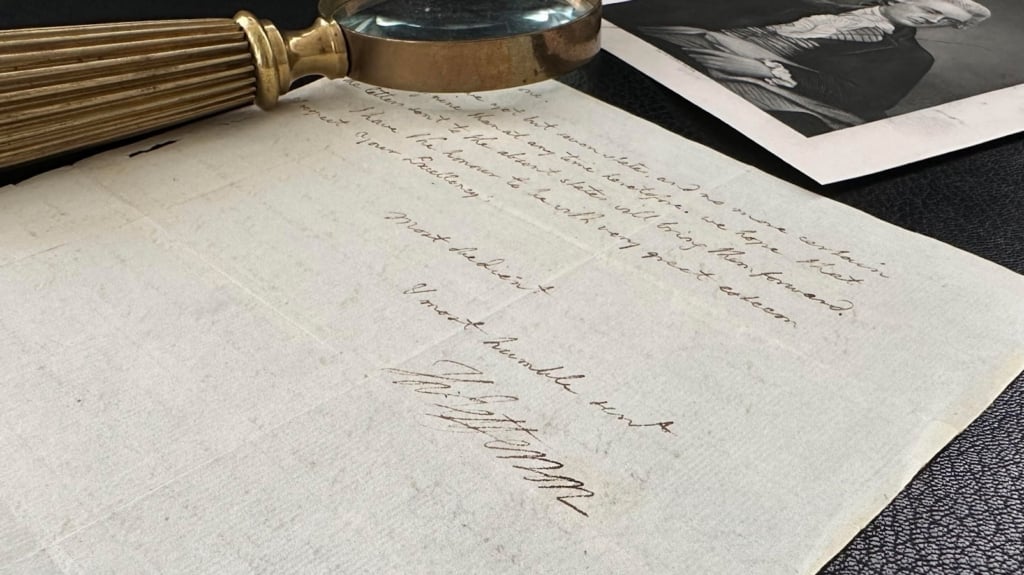
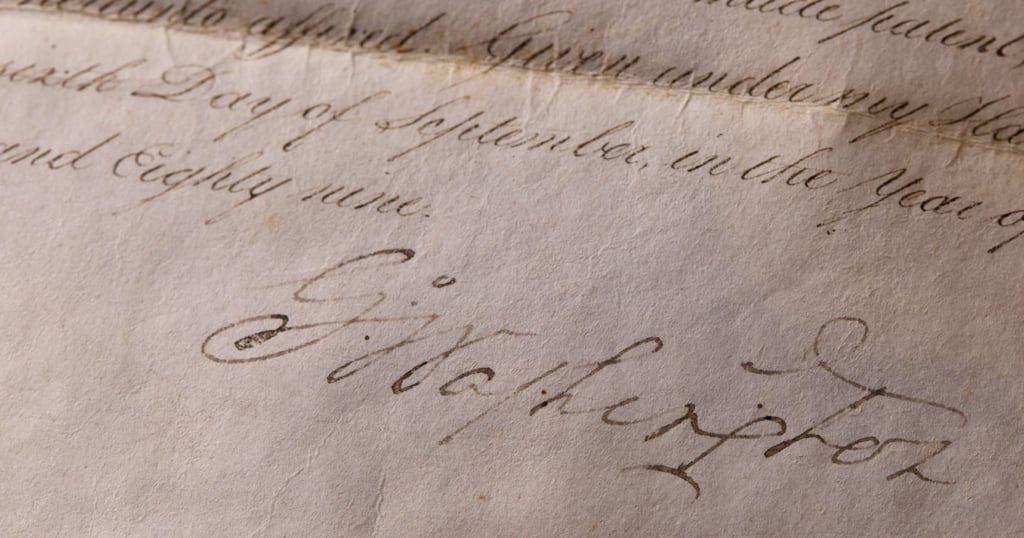
Letter Signed, New York, August 4, 1789, to John Howard, Governor of Maryland, informing him officially of the cap-stone of the customs acts. “Agreeably to the Resolution of Congress of the 5th of June, I do myself the honor to enclose to Your Excellency an Act to regulate the Collection of the Duties imposed by Law on the Tonnage of ships or vessels, and on Goods, Wares, and Merchandizes imported into the United States.” Shortly, Secretary of State Thomas Jefferson would take over the responsibility for sending new acts of Congress, making Act of Congress notifications signed by Washington a real rarity. We have never had another in all our decades on this field.
On the verso appears the recipient’s docket: “August 4, 1789. President of United States with an Act to regulate the collection of the Duties imposed by law on the tonnage of ships or vessels, and on goods wares & merchandizes imported into the United States. Received 10th August.” The nation’s capitol was then in New York, and the first vessel to arrive at the port there under the new customs law was the brigantine Persis, from Livorno, Italy, on August 5, 1789. Commanded by James Weeks, she was consigned to one James Seton, who paid the first duty ever collected by U.S. Customs – $774.71. The U.S. Government was in business.
The Tariff Acts of 1789 were highly successful as a primary revenue source for the new U.S. government, generating over 87% of federal operating funds between 1789 and 1800. They also successfully met goals of promoting domestic manufacturing and protecting infant industries, while establishing a stable system for collecting duties.
Frame, Display, Preserve
Each frame is custom constructed, using only proper museum archival materials. This includes:The finest frames, tailored to match the document you have chosen. These can period style, antiqued, gilded, wood, etc. Fabric mats, including silk and satin, as well as museum mat board with hand painted bevels. Attachment of the document to the matting to ensure its protection. This "hinging" is done according to archival standards. Protective "glass," or Tru Vue Optium Acrylic glazing, which is shatter resistant, 99% UV protective, and anti-reflective. You benefit from our decades of experience in designing and creating beautiful, compelling, and protective framed historical documents.
Learn more about our Framing Services